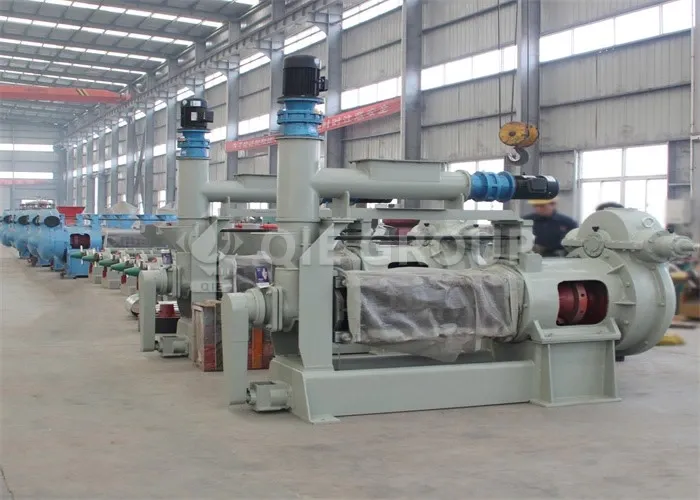
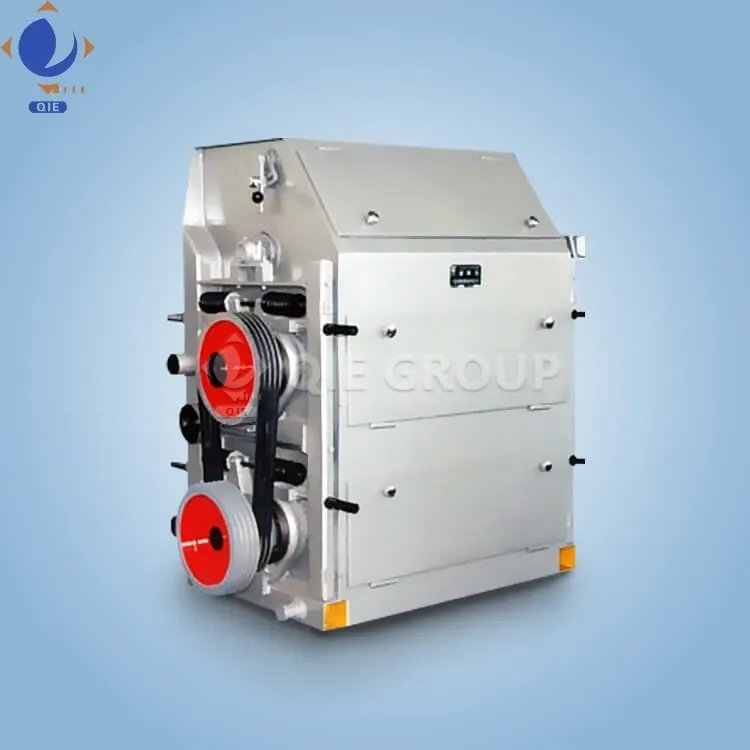
With rising raw material costs and increasing environmental pressures, edible oil mills are facing the problem of excessive energy consumption, which directly affects production costs and market competitiveness. In response to this situation, we have launched a comprehensive optimization solution integrating pretreatment, pressing, solvent extraction, and refining. This solution aims to improve oil extraction rates while significantly reducing energy consumption, thus helping oil mills achieve efficient and sustainable production.
Pre-treatment and pressing are significant energy-consuming processes in oil mills. We optimize the physical structure of raw materials and soften plant tissues through technologies such as uniform puffing and drying, making it easier to release oil.
Energy saving effect : Mechanical energy and thermal energy consumption are reduced by approximately 10%-15%.
Oil yield increase : 2%-3%
Advantages : Improved oil permeability of raw materials, increased pressing efficiency 👉 ( Soybean oil pretreatment equipment )
💡Question : How to reduce energy waste in the pressing process? QIE Group achieves low energy consumption and high output through mechanical optimization and process adjustment.
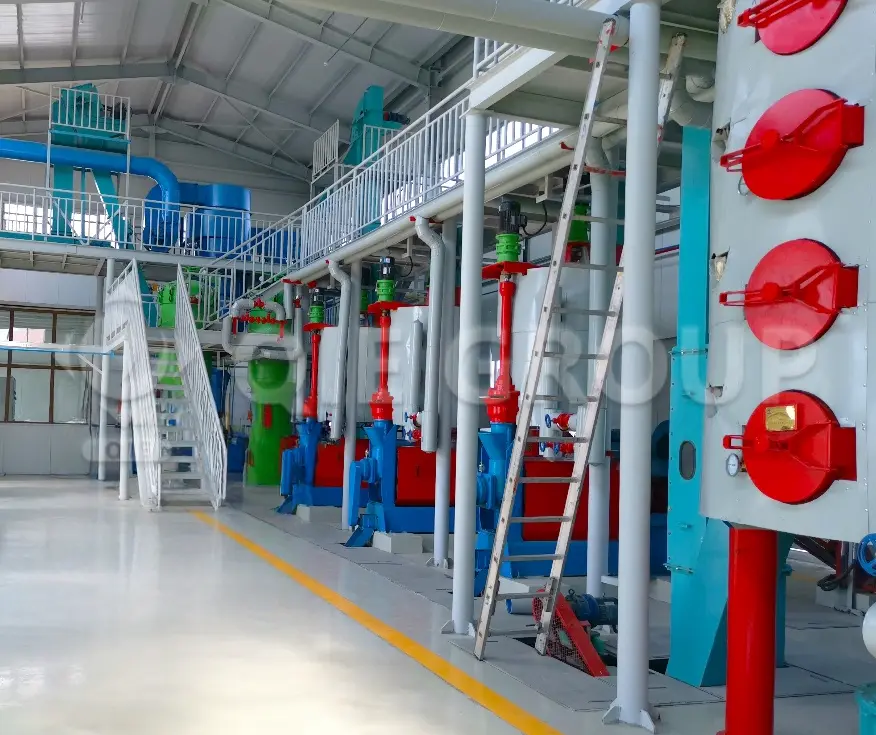
Solvent extraction has always been a major energy consumer in edible oil production. QIE Group's intelligent solvent dosage control technology precisely regulates the amount of solvent added while optimizing the recovery process.
Residual oil content : as low as below 0.5%
Energy saving effect : Energy consumption of the recovery unit is reduced by approximately 12%.
Advantages : Improves raw material utilization, ensures higher oil extraction efficiency, and reduces volatile organic compound emissions.
💡Question : How can oil mills save energy while maintaining oil yield? Intelligent solvent control and recycling are key. 👉( Comparison of rapeseed oil processing methods: How to choose between hot pressing, cold pressing, and solvent extraction ?)
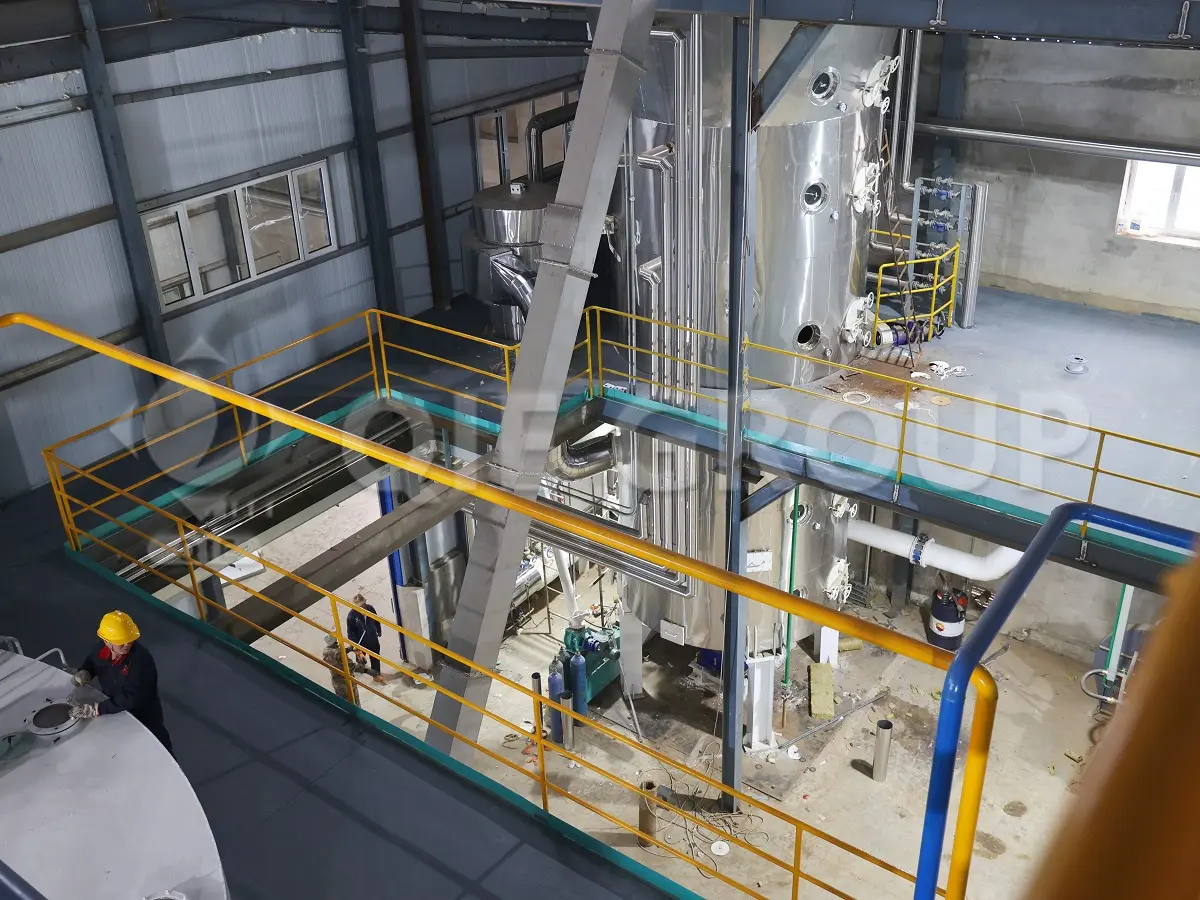
The refining process consumes a large amount of steam. Our company utilizes an innovative waste heat recovery system to reuse the waste heat released during production. Furthermore, the automated temperature and pressure control system enables precise management of process parameters, reducing overheating and repeated pressurization, and fundamentally improving energy efficiency.
Energy saving effect : Overall steam consumption reduced by 10%-15%.
Advantages : Improved energy efficiency and higher process stability
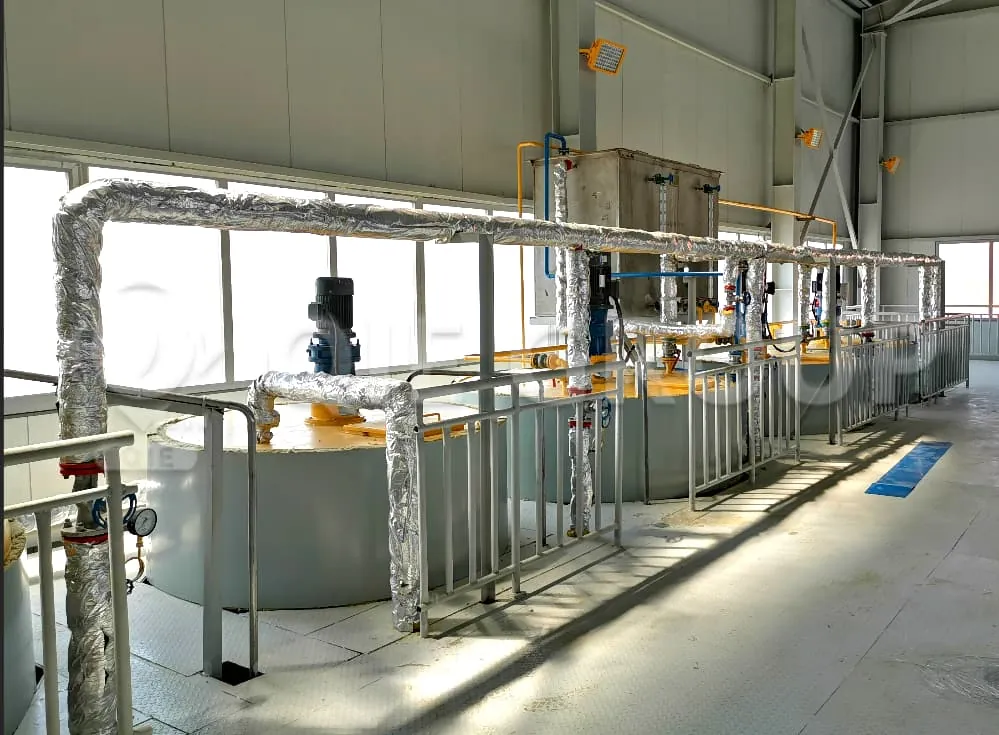
Upgrading a single technology step is insufficient to maximize overall benefits. We have launched an intelligent management platform covering the entire process from pretreatment to refining.
Real-time monitoring of production line operation status
Continuous analysis of energy waste points
Dynamically adjust process parameters
Increase corporate profit margins
💡Results : Through data-driven optimization, the oil plant's energy consumption has been effectively controlled, while oil yield and production efficiency have been significantly improved.
| Process | Energy consumption reduction | Increase in oil yield | residual oil content |
|---|---|---|---|
| Pretreatment + pressing | 10%–15% | 2%–3% | — |
| Solvent extraction technology | Reduce energy consumption by approximately 12% | Significant improvement | ≤0.5% |
| Refined and energy-saving design | 10%–15% | — | — |
Q1: Will energy-saving optimization affect the oil yield of edible oil plants?
No. By systematically optimizing key processes such as pretreatment, pressing, and leaching, QIE Group's energy-saving solutions can typically increase oil yield by about 2%–3% while reducing unit energy consumption, achieving dual optimization of energy consumption and output.
Q2: What types of fuels is this energy-saving optimization scheme applicable to?
This solution can be customized according to the characteristics of different oilseeds and is suitable for processing production lines of various common oilseeds such as soybeans, rapeseed, palm fruit, cottonseed, and sunflower seeds.
Q3: Can existing oil plants carry out energy-saving upgrades without interrupting production?
In most projects, energy-saving optimization can be implemented through phased renovations and modular upgrades to minimize the impact on existing production. Specific implementation plans need to be evaluated based on site conditions.
Q4: Does the energy-saving optimization plan meet environmental protection and safe production requirements?
The solution fully considers environmental and safety factors during the design phase. By optimizing the solvent recovery system, reducing energy consumption and emissions, it meets the current environmental and safety production requirements of the oil processing industry.
QIE Group's end-to-end energy-saving optimization solution, from raw material pretreatment and pressing to solvent extraction and refining, and then to end-to-end intelligent management, has achieved a low-energy-consumption, high-oil-yield, and high-efficiency oil mill production mode.
Business benefits : Reduced production costs and increased profits
Environmental value : Reducing energy consumption and emissions, responding to green manufacturing.
Industry significance : Facilitating the intelligent upgrading of traditional oil processing enterprises
This is not only about cost optimization, but also an important step for oil processing companies towards green manufacturing and long-term competitiveness.
 Sunflower oil equipment How much oil can be produced from one ton of sunflower seeds? Sunflower seed press Sunflower oil production line Edible oil processing equipment Sunflower seed oil yield
Flaxseed Oil Production Line Vegetable Oil Processing Equipment Flaxseed Oil Processing Plant Flaxseed Oil Refining Equipment Flaxseed Oil Process Optimization
Ring extractor Oil extraction equipment Oil processing solutions Edible oil production equipment High-efficiency leaching system
Soybean oil pressing process Soybean Oil Extraction Process Soybean Oil Refining Technology Budget for a Small Soybean Oil Processing Plant
Peanut oil production line Peanut oil processing equipment Peanut oil refining equipment Small peanut oil processing equipment Peanut oil solvent extraction equipment Peanut Oil Press
Sunflower oil equipment How much oil can be produced from one ton of sunflower seeds? Sunflower seed press Sunflower oil production line Edible oil processing equipment Sunflower seed oil yield
Flaxseed Oil Production Line Vegetable Oil Processing Equipment Flaxseed Oil Processing Plant Flaxseed Oil Refining Equipment Flaxseed Oil Process Optimization
Ring extractor Oil extraction equipment Oil processing solutions Edible oil production equipment High-efficiency leaching system
Soybean oil pressing process Soybean Oil Extraction Process Soybean Oil Refining Technology Budget for a Small Soybean Oil Processing Plant
Peanut oil production line Peanut oil processing equipment Peanut oil refining equipment Small peanut oil processing equipment Peanut oil solvent extraction equipment Peanut Oil Press




.png?x-oss-process=image/resize,h_100,m_lfit/format,webp)
.png?x-oss-process=image/resize,h_100,m_lfit/format,webp)
.png?x-oss-process=image/resize,h_100,m_lfit/format,webp)