
In the global edible oil market, rapeseed oil is highly favored due to its stable flavor, reasonable fatty acid structure, and wide range of applications. For companies preparing to build oil mills or upgrade their processes, the most common question is: should they choose hot pressing, cold pressing, or solvent extraction? Different processes result in vastly different product characteristics, costs, and market positioning, and the correct process route directly determines oil quality, oil yield, and long-term profitability.
This article breaks down the core logic and applicable scenarios of three mainstream rapeseed oil production processes, from pretreatment to refining, and provides a selection guide to help you quickly identify the most suitable route for yourself.
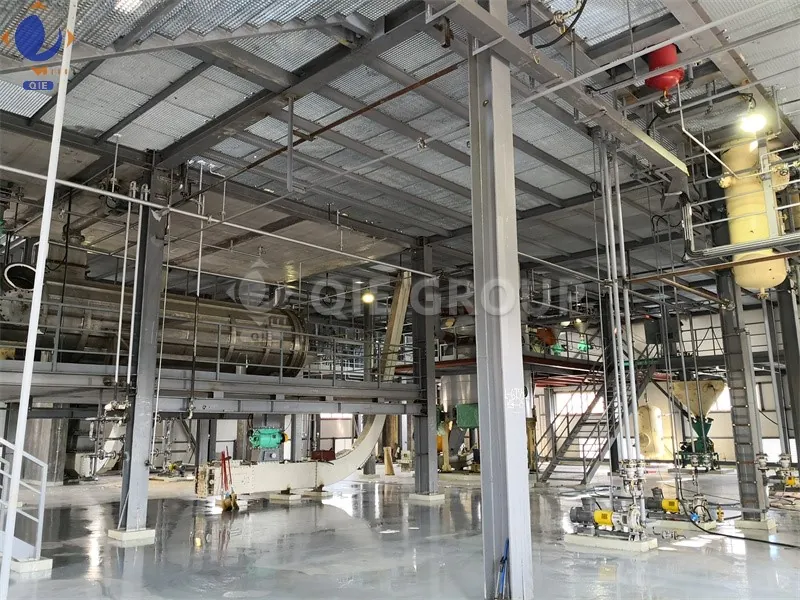
Global rapeseed oil production can be broadly categorized into two processing systems:
Pressing method (hot pressing/cold pressing)
It uses mechanical extrusion as its core and relies on physical methods to extract oil.
Solvent extraction (pre-pressing – solvent extraction)
First, some of the oil is pressed off, and then food-grade solvents are used for further extraction, making it suitable for large-scale production.
Neither of the two processes is inherently superior or inferior; the key factors are the target market, equipment investment, product positioning, and production capacity.
Regardless of the specific processing method, the common steps in rapeseed oil processing include:
The purpose of pretreatment is to make the rapeseed structure easier to extract oil, while reducing subsequent losses caused by impurities.
Key steps include:
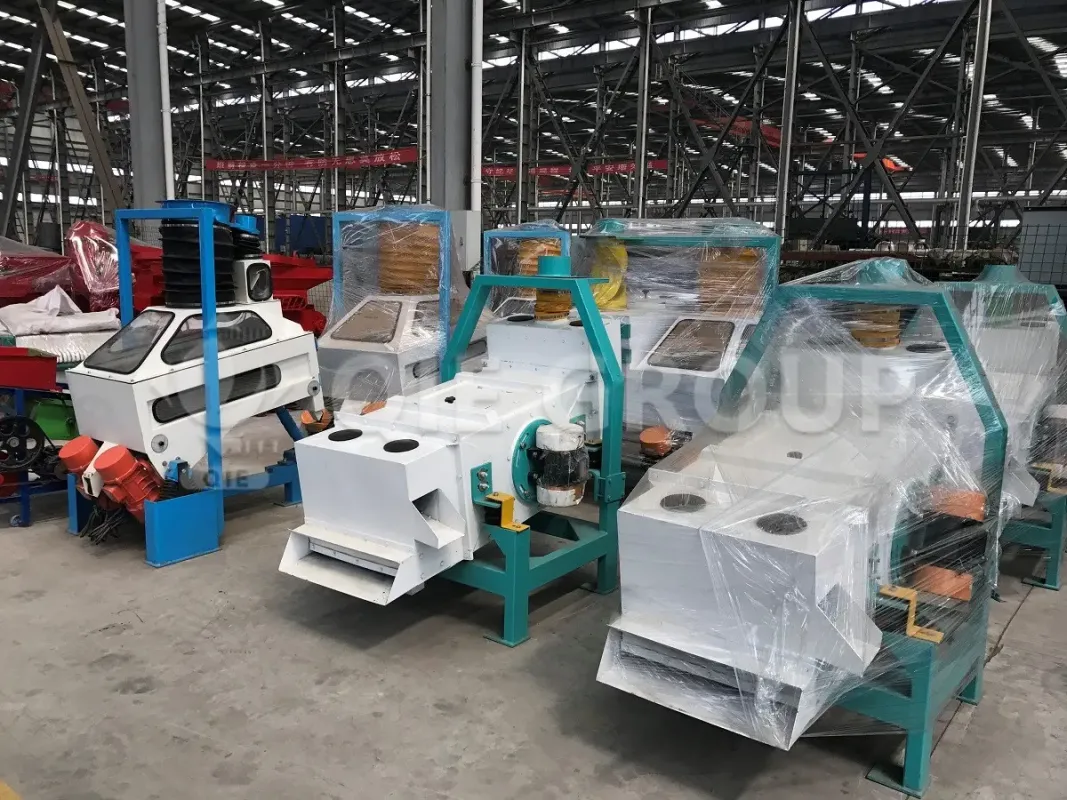
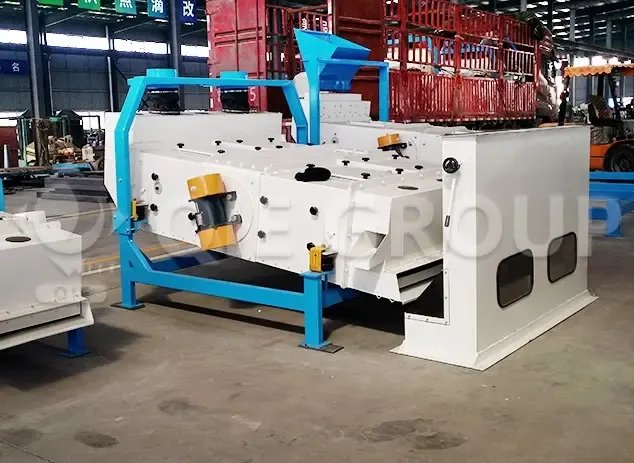
Cleaning and magnetic separation : Removes stones, wood chips and metal impurities, protecting equipment safety.
Breaking and softening : This process opens up oil cells, making the oil more fluid.
Conditioning/Cooking (essential for hot pressing) : Enhances oil activity and aroma through heating, humidification, and short-term storage.
Conditioned rapeseed exhibits improved plasticity and flowability, a prerequisite for high oil yield during hot pressing. 👉( Steam Cooker: Improves efficiency and oil yield )
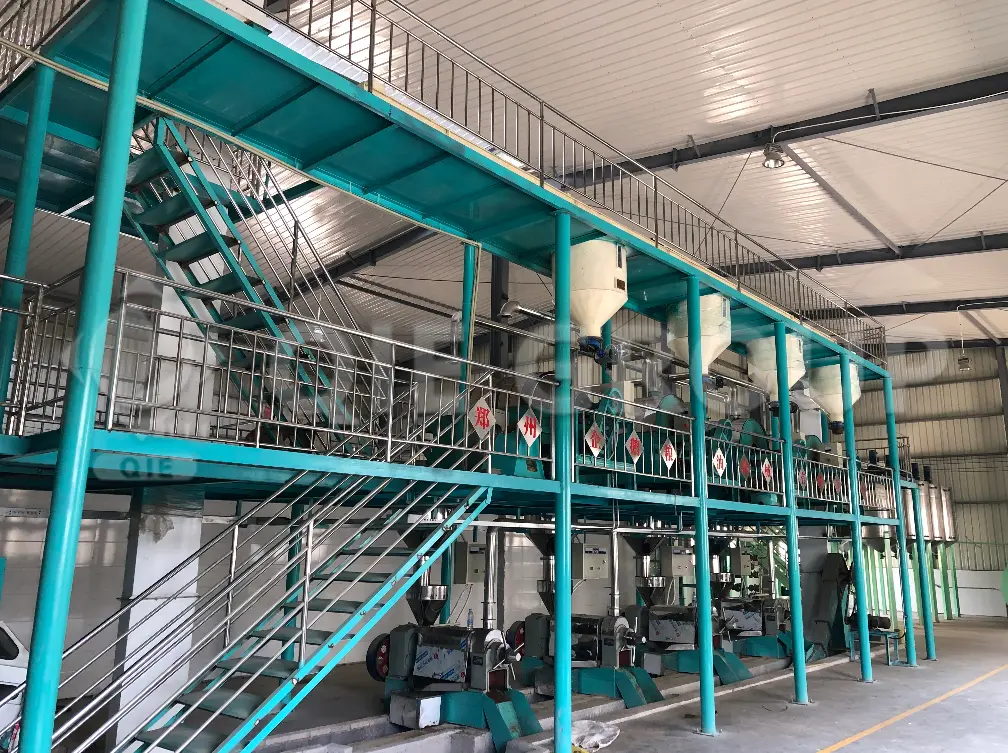
● Hot pressing : Hot pressing is a traditional and well-established method for processing rapeseed oil. The rapeseed, after being steamed and roasted, is heated to a certain temperature and then mechanically pressed to obtain the oil. This method results in a richer aroma and a higher oil yield.
Features:
The cooking process deactivates enzymes in rapeseed, reducing bitterness.
According to industry experience, hot pressing yields a higher oil yield than cold pressing (but the actual value depends on the type of raw material, moisture content, and equipment structure).
Suitable for consumer markets that require rich flavor, such as cooking oils used in Asia and parts of the Middle East.
Advantages:
It has a distinctive flavor (“hot-aroma rapeseed oil”).
The oil is darker, but it is more acceptable to consumers.
Equipment investment is relatively low.
● Cold pressing : Cold pressing uses mechanical pressing at a lower temperature to avoid nutrient loss caused by heating, thus maximizing the retention of natural nutrients such as vitamin E and polyphenols.
Features:
High-temperature steaming and frying are not carried out, and the pressing temperature is relatively low.
The oil is light in color and has a more natural flavor.
Advantages:
It is more suitable to position it as a "high-end healthy oil" or virgin oil.
It has a mild taste and good storage properties.
Applicable scenarios:
Markets in Europe, America, and Japan have a high demand for cold-pressed oils.
Companies that favor small to medium production volumes and emphasize brand value and nutritional selling points.
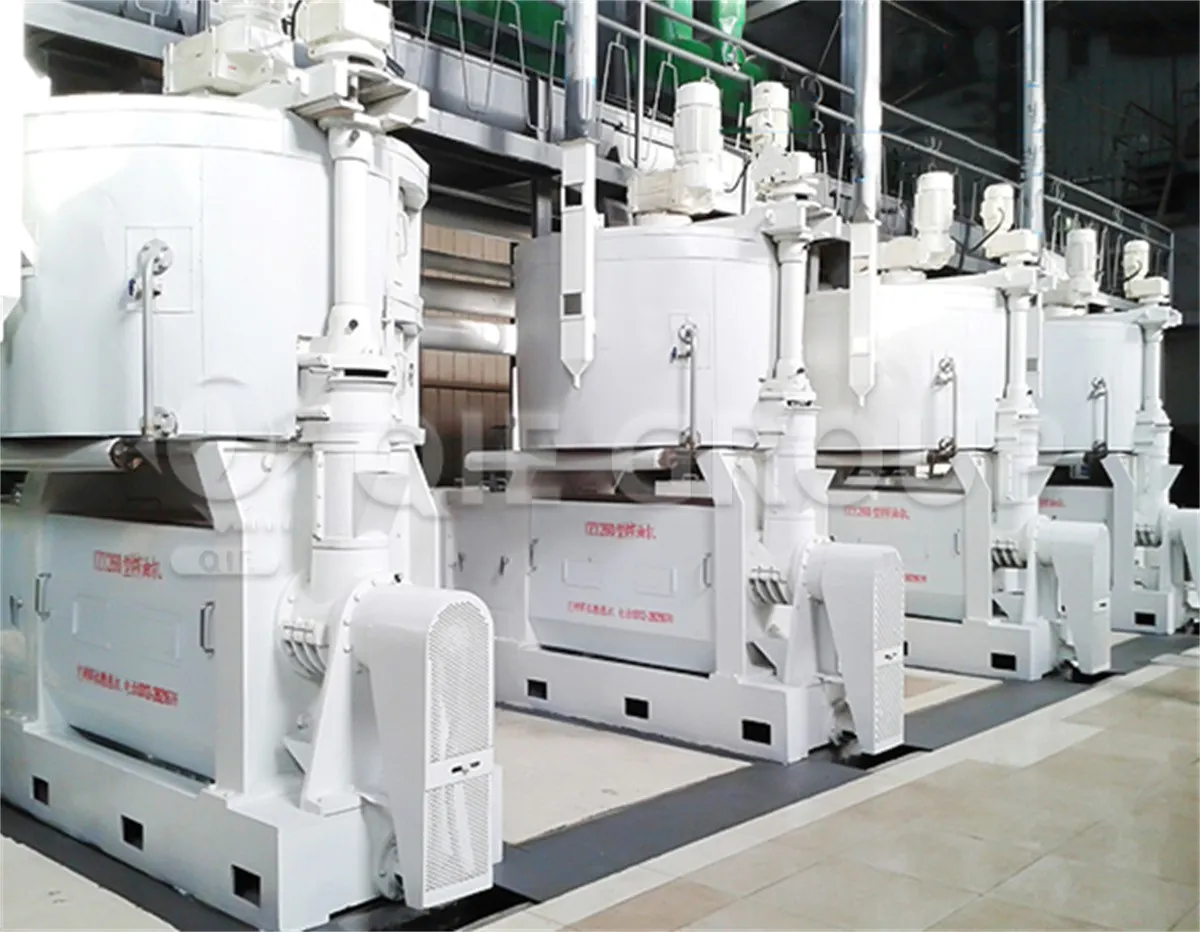
The typical route of the solvent extraction method is pre-pressing → solvent extraction (the core of which is to use organic solvents (such as hexane) to extract rapeseed, which can greatly increase the oil yield) → refining.
Advantages:
Low residual oil content and high raw material utilization rate. The residual oil content in the industry can generally be controlled at a low level (such as below 1%), but the specific value needs to be determined based on the equipment and actual operating conditions.
More suitable for large-capacity oil plants with a capacity of 100 tons/day or more.
It has lower energy consumption and lower unit production cost.
Features:
The process employs a closed solvent circulation system, which meets modern food safety and environmental protection requirements.
It is suitable for maximizing the value extracted from oil mill by-products (such as rapeseed meal).
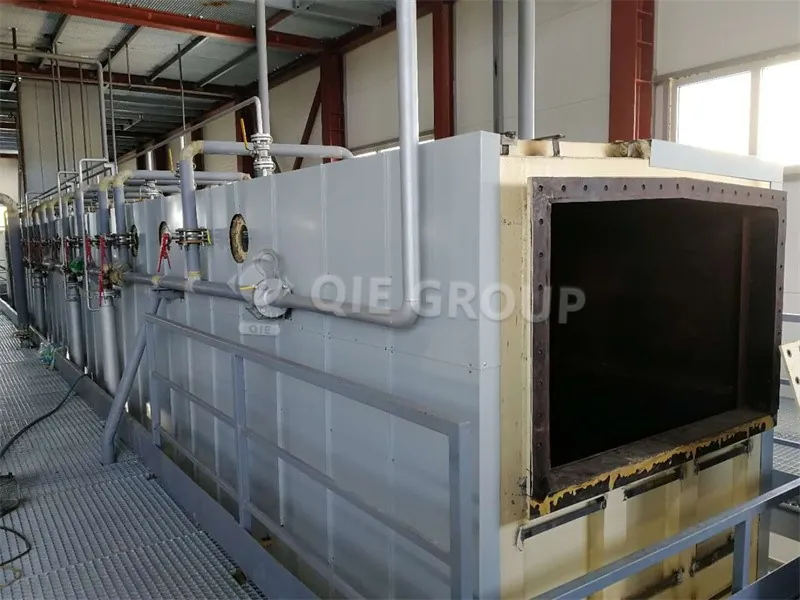
Whether it's hot pressing, cold pressing, or solvent extraction, virgin oil needs to undergo scientific refining. The purpose of refining is not to "make the oil look pretty," but to make the oil more stable and safer.
The core components include:
Degumming : Removes phospholipids to prevent precipitation and lowering of the smoke point;
Deacidification : Reduces acid value and improves oil safety;
Decolorization : Adsorbs pigments, making the finished oil more transparent;
Deodorization : Removes odors and improves flavor purity.
This is especially important for export markets, as different countries have specific requirements for acid value, peroxide value, and color.

Based on actual cases from hundreds of oil mills, we can generally make judgments in the following directions:
Applicable scenarios:
Cooking oil, stir-frying oil
Asian Market
Brands aiming to create "regional flavors"
Advantages:
It has a strong aroma and high consumer acceptance.
Low equipment investment and short payback period
Applicable scenarios:
Nutritional oils, premium bottled oils
High-end retail market
Product brands that emphasize "natural" and "non-high temperature treatment"
Advantages:
More refined quality
Suitable for differentiated marketing in multilingual markets
Applicable scenarios:
Large factories (100 TPD or more)
Enterprises that emphasize stable production capacity and low production costs
Enterprises that need to sell oilseed meals for animal feed
Advantages:
Low residual oil content and high raw material utilization rate
Lowest cost per ton of oil
Industry mainstream large-scale solutions
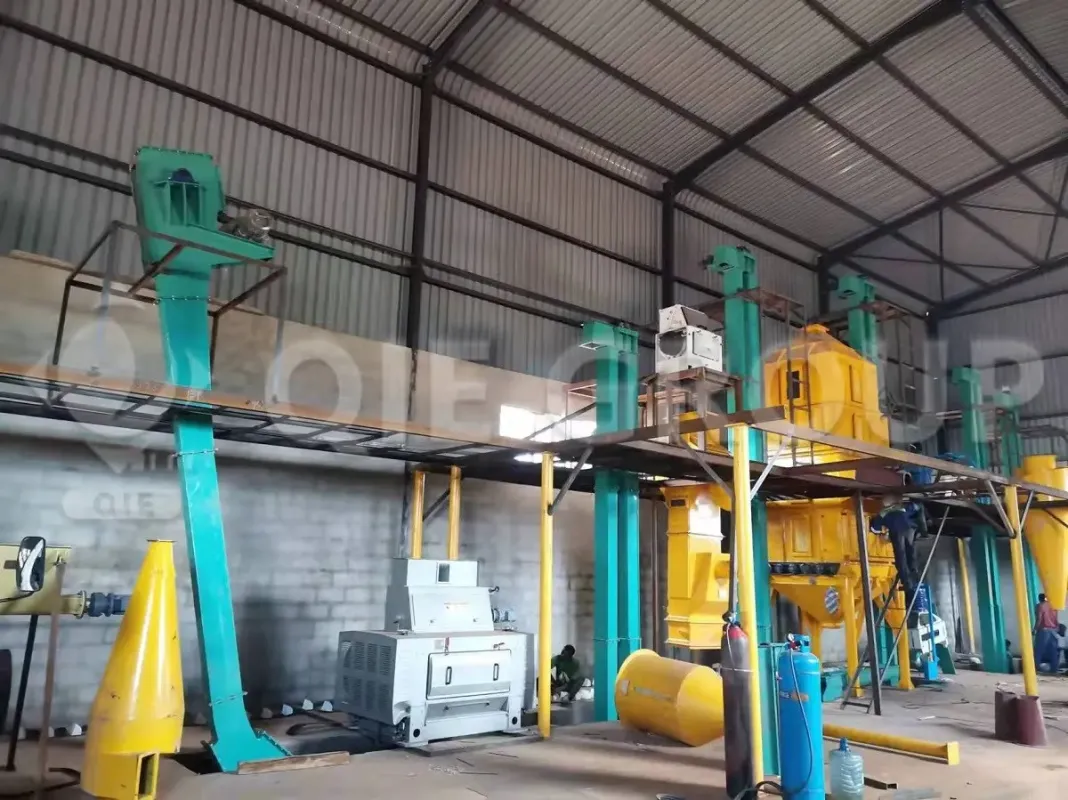
In the rapeseed oil processing industry, a single piece of equipment cannot solve all the problems; the key lies in matching the complete process chain.
Our advantage lies in:
It can design parameters based on the characteristics of raw materials (oil content, moisture content, variety);
We can provide complete plant solutions for hot pressing, cold pressing, pre-pressing – solvent extraction, and refining.
Supports customized configurations for everything from small factories to large factories;
The equipment is energy-efficient, highly continuous, and suitable for long-term stable operation.
This allows many customers to no longer simply "buy equipment" when upgrading their factories, but to obtain a comprehensive solution with higher oil yield and lower energy consumption.
Whether you are planning to build a small or medium-sized rapeseed pressing mill or a large-scale industrial rapeseed oil solvent extraction plant, QIE Group can provide one-on-one process planning and equipment selection based on your raw materials, target market and budget.
Contact us to obtain a customized rapeseed oil production line solution and quotation → small-scale sunflower oil plant sunflower oil processing equipment sunflower oil production line sunflower oil refining equipment sunflower oil dewaxing
Soybean oil extraction equipment Oil refinery energy-saving renovation Intelligent Leaching Production Line Oil processing equipment High efficiency oil yield Soybean oil production line
Philippines palm oil processing machine low cost palm oil mill palm oil refining equipment palm oil production line palm oil press machine turnkey palm oil plant
Ring extractor Oil extraction equipment Oil processing solutions Edible oil production equipment High-efficiency leaching system
Peanut oil production line Peanut oil processing equipment Peanut oil refining equipment Small peanut oil processing equipment Peanut oil solvent extraction equipment Peanut Oil Press
small-scale sunflower oil plant sunflower oil processing equipment sunflower oil production line sunflower oil refining equipment sunflower oil dewaxing
Soybean oil extraction equipment Oil refinery energy-saving renovation Intelligent Leaching Production Line Oil processing equipment High efficiency oil yield Soybean oil production line
Philippines palm oil processing machine low cost palm oil mill palm oil refining equipment palm oil production line palm oil press machine turnkey palm oil plant
Ring extractor Oil extraction equipment Oil processing solutions Edible oil production equipment High-efficiency leaching system
Peanut oil production line Peanut oil processing equipment Peanut oil refining equipment Small peanut oil processing equipment Peanut oil solvent extraction equipment Peanut Oil Press






.png?x-oss-process=image/resize,h_100,m_lfit/format,webp)
.png?x-oss-process=image/resize,h_100,m_lfit/format,webp)
.png?x-oss-process=image/resize,h_100,m_lfit/format,webp)


.webp?x-oss-process=image/resize,h_800,m_lfit/format,webp)
.webp?x-oss-process=image/resize,m_fill,h_800,w_800/format,webp)