
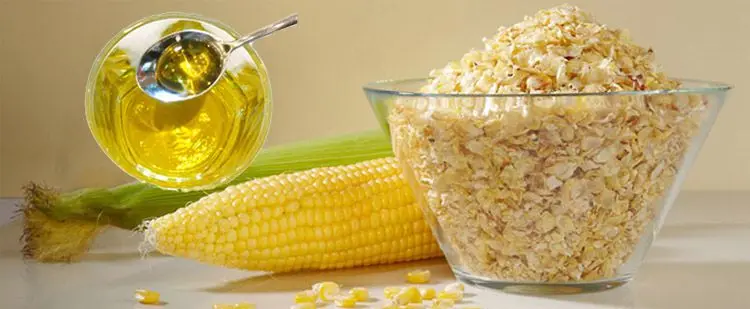
Corn germ oil, with its high linoleic acid content, natural phytosterols, vitamin E, and other nutrients, has experienced rapid growth in the functional vegetable oil market in recent years. For oil processing companies, choosing the right corn germ oil production process not only affects oil yield and energy consumption, but also directly determines production costs, product flavor, and the possibility of future capacity expansion.
Based on QIE Group’s long-term experience in corn germ oil production line projects, this article will systematically compare the full pressing and pre-pressing-solvent extraction combined processes, and provide a more valuable process selection guide for oil plants at different stages from key dimensions such as capacity scale, residual oil rate, investment cost, and oil quality.
Corn germ has a relatively low oil content and a high fiber content, making oil release more difficult than from soybeans or rapeseed. Different processing methods will affect:
Oil recovery rate per unit raw material
Energy consumption and steam consumption structure
Crude oil flavor and finished product stability
Investment scale and operating costs
Flexibility for future capacity expansion
Therefore, choosing the right process is not only a technical issue, but also part of a business strategy.
In the current industry environment, corn germ oil production processes are broadly divided into two main routes: full pressing and a combined pre-pressing-solvent extraction process. Different processes not only determine the final oil yield but also directly affect investment scale, production efficiency, and the sensory quality of the finished oil. Therefore, production enterprises should flexibly choose based on their own production capacity and market positioning when making decisions.
| Process type | Applicable production capacity range (tons/day) | Residual oil content | Investment scale | Production advantages |
|---|---|---|---|---|
| Full pressing | ≤100 | 6%-8% | Low | The process is simple, the oil extraction speed is fast, the crude oil has a good flavor, and the equipment investment and maintenance costs are low. |
| Pre-pressing-solvent extraction combined process | >100 | ≤0.5% | Medium and high | Maximizing oil yield results in significant economic benefits and is suitable for large-scale, continuous, and stable production. |
Note: The oil content of corn germ varies greatly in different regions, so the residual oil content needs to be assessed in conjunction with the on-site raw material conditions.
Crude oil that has been pressed: retains its aroma well, and is used by a small number of small factories for specialty products such as "corn germ pressed sesame oil".
Solvent-extracted crude oil: neutral flavor, suitable for highly refined edible oils or bulk export oils.
Full pressing : low steam consumption and short process, but high residual oil content leads to significant raw material loss.
Solvent extraction : Steam/electricity consumption is slightly higher, but the oil recovery rate is significantly better, making it more economical in markets with high raw material prices.
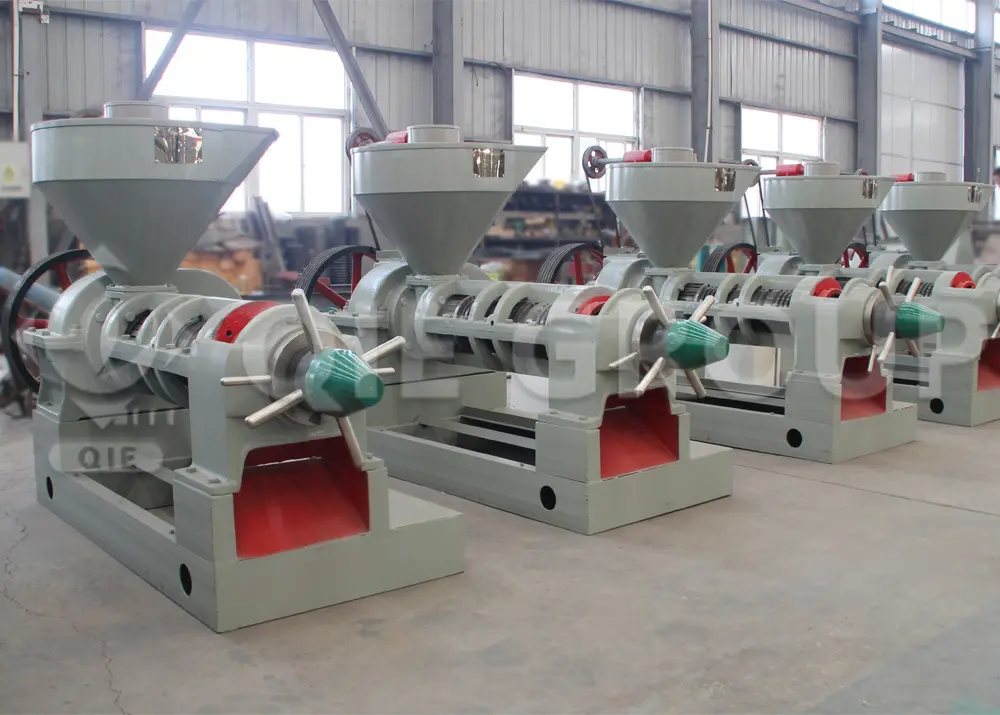
Every step in the process directly affects the quality and yield of the final refined oil. QIE Group places particular emphasis on improving the efficiency and stability of each process step to ensure that the corn germ in the raw materials is fully utilized.
Corn germ pretreatment includes:
Cleaning and metal removal : to prevent damage to equipment from sand and ferromagnetic impurities.
Tempering and softening : loosens the germ tissue and improves the plasticity of the rolled billet.
Flaking : Pressing the germ into thin flakes of approximately 0.3–0.4 mm to improve pressing or leaching efficiency. 👉 ( Corn germ flaking machine )
Steaming and roasting : Adjusting moisture and temperature improves the degree of cell rupture.
Our practical project experience shows that the uniformity of the rolled billet and the stability of the moisture content during steaming and frying are the main factors affecting the fluctuation of the residual oil content.
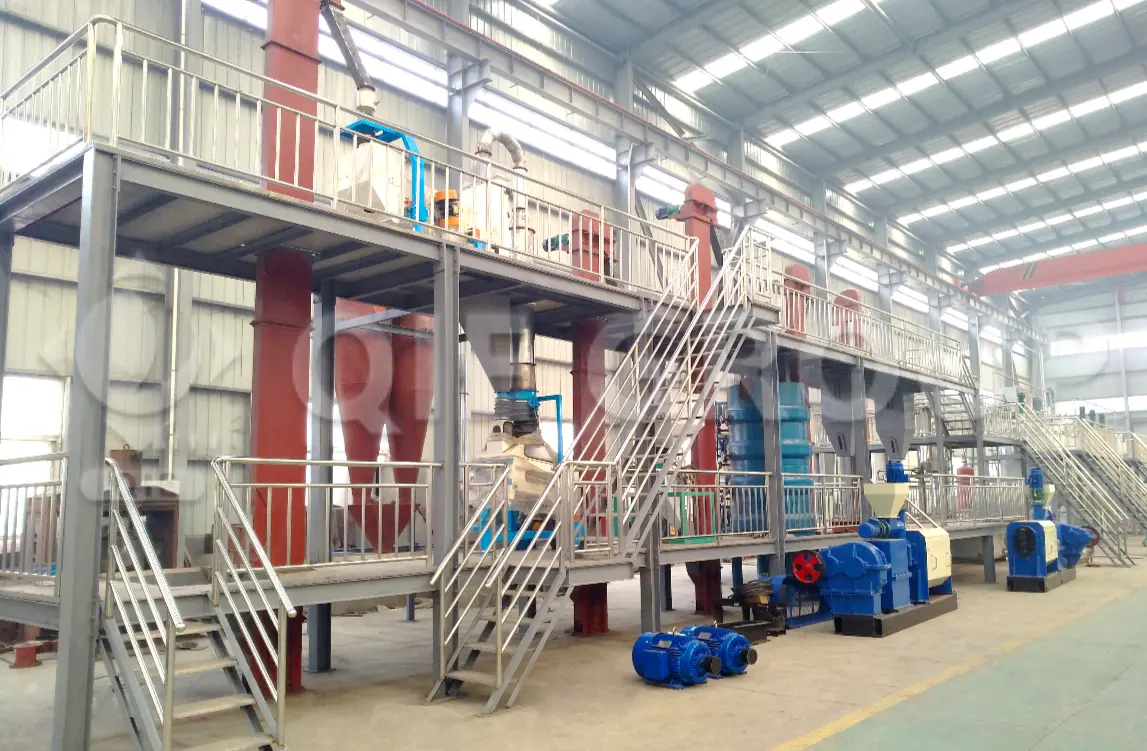
Full pressing process flow: Pretreatment → Steaming and roasting → Screw pressing → Crude oil settling/filtration → Refining
Features:
The equipment is simple and the operation is flexible.
Crude oil has a strong aroma and is suitable for small-scale boutique oil markets.
Pressing leaves a relatively high amount of cake and oil, making it suitable for scenarios where raw material costs are less of a concern.
Combined pre-pressing-solvent extraction process: Pretreatment → Pre-pressing → Cake crushing and conditioning → Solvent extraction → Desolventizing → Meal drying and cooling → Crude oil refining
Core advantages:
It boasts a high oil recovery rate, with an overall residual oil content as low as below 0.5%.
Suitable for large-scale continuous production, with operating costs diluted as production capacity increases.
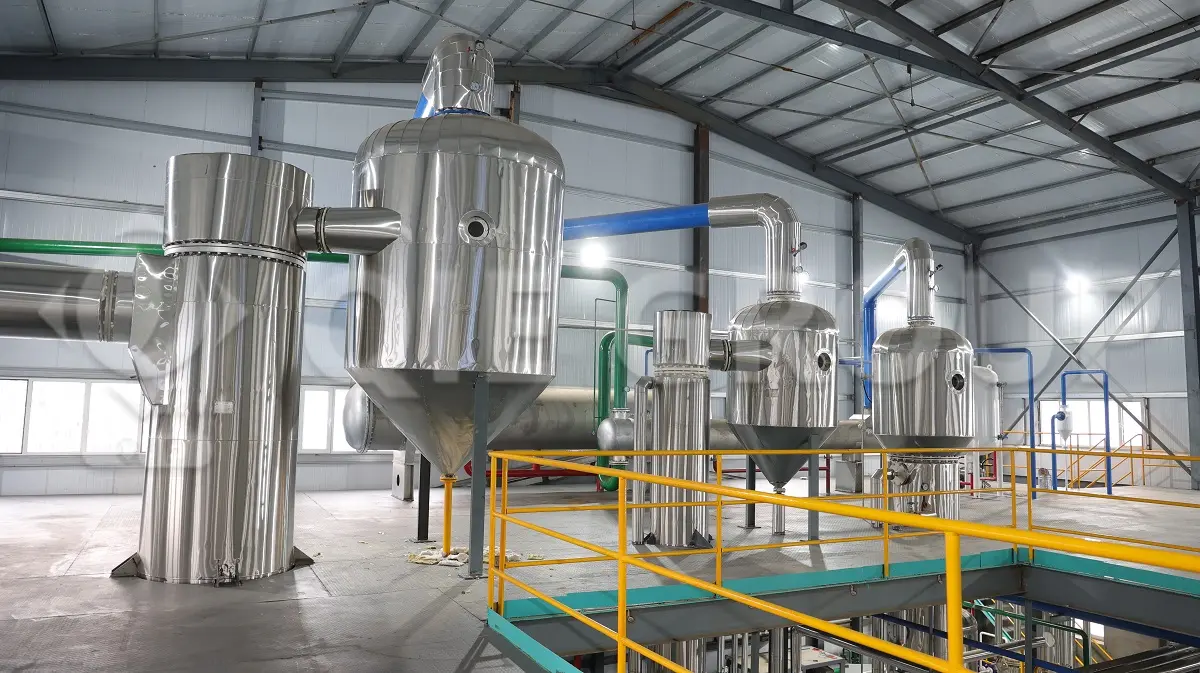
This route is mainly used for internationally exported oil and bulk refined oil products 👉 ( corn germ oil horizontal rotary extractor ).
QIE Group’s experience in multiple 300–1500 t/d projects shows that the thickness of the pre-pressed cake, the uniformity of the solvent extraction bed, and the solvent extraction temperature profile are key factors affecting capacity and safety.
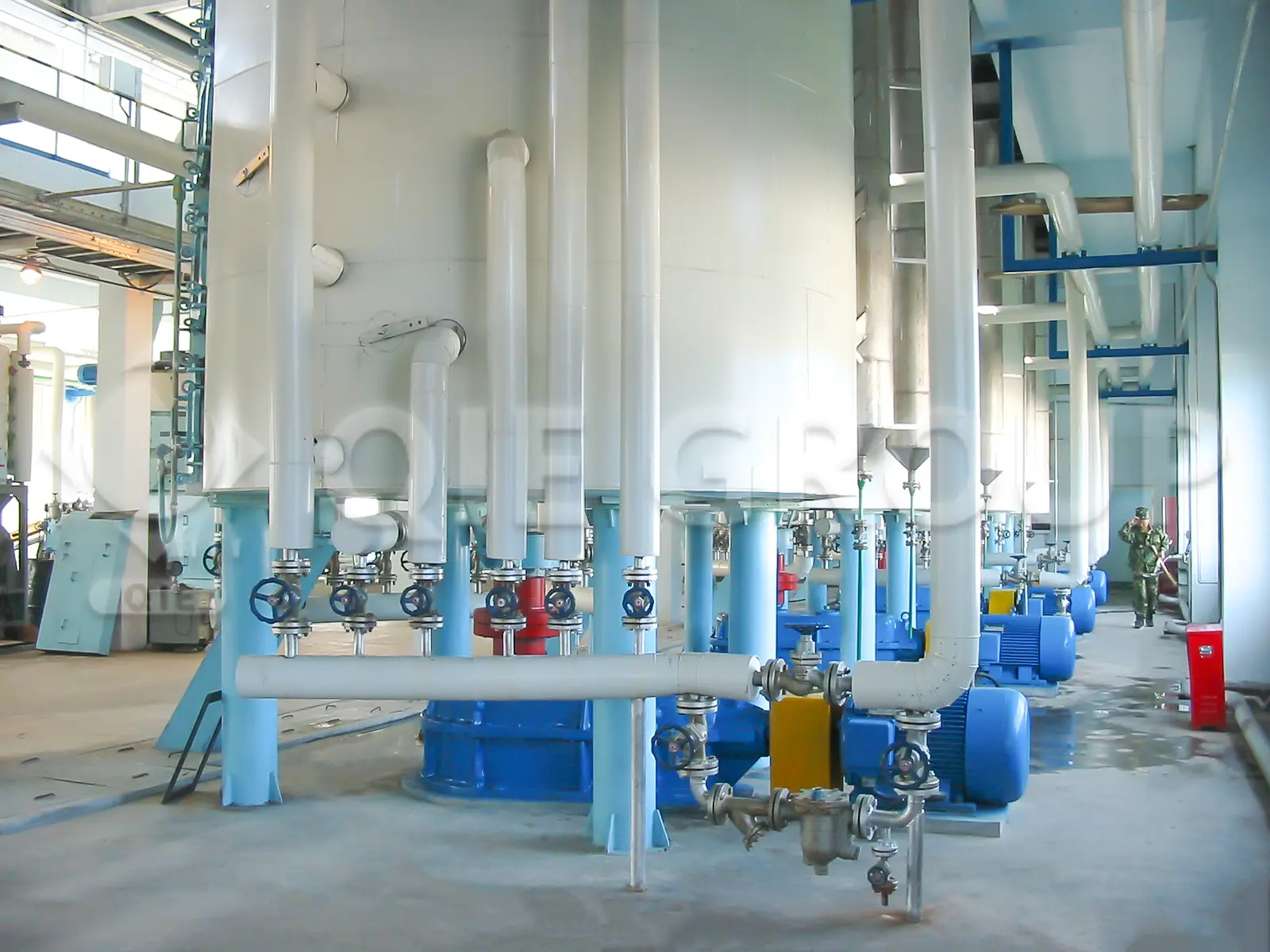
Degumming : The main method is hydration, which involves adding water or dilute acid to crude oil to hydrate and coagulate phospholipids, which are then separated by centrifugal force.
Deacidification : Add alkali solution to saponify free fatty acids, centrifuge to separate them, and wash with water to remove residual soap. Controlling the amount of alkali solution can ensure that the acid value decreases and stabilize the oil.
Decolorization : Bleaching clay is added under vacuum and heating conditions to adsorb pigments and oxides. After filtration, the oil color becomes lighter and the stability is improved.
Dewaxing : High-melting-point greases are removed through cooling crystallization and filtration to ensure that the oil remains transparent and clear at low temperatures.
Deodorization : Under high temperature and high vacuum, volatile acids and odor substances are removed by steam distillation, resulting in pure oil odor and enhanced oxidative stability.
Daily processing volume ≤100 t/d
Positioned in the market as "flavored oil" or premium oil
Limited investment budget
The requirement for oil yield is not extreme.
Daily processing volume ≥100 t/d or planned future expansion
The goal is to achieve high oil yield and low residual oil.
Large production lines that require long-term operation
For export or bulk edible oil markets 👉 ( Corn germ oil solvent extraction equipment )
The choice of process often depends on a company's production scale, financial strength, and market positioning. If your company is relatively small and prioritizes crude oil flavor and return on investment period, full pressing would be a sensible choice. Conversely, if you are pursuing maximum oil yield, reduced residual oil, and improved economic efficiency, a combined pre-pressing-solvent extraction process is undoubtedly more suitable.

Q1: Does corn germ oil always need to be dewaxed?
Corn germ oil contains a certain amount of wax. If it is used in bottled edible oil, it usually needs to be dewaxed to improve its transparency at low temperatures.
Q2: Does the leaching process affect the safety of oil products?
A well-designed distillation and solvent removal system ensures that solvent residues meet national and international standards.
Q3: What are the differences in the processing of dry germ and wet germ?
Wet-process germ has a high water content, requiring enhanced drying process; dry-process germ contains more fiber, making it more dependent on the uniformity of the rolled blank.
No matter where you are in the industry chain, the QIE Group's technical team can help you tailor a customized solution, not only helping you achieve high-quality corn germ oil production but also improving overall efficiency and market competitiveness. Welcome to contact us and begin a new chapter of high-efficiency high-end oil processing.
 edible oil plant edible oil processing plant edible oil refinery equipment oil mill EPC project complete oil processing plant oil extraction machine manufacturer
Cottonseed oil press Spiral cottonseed oil press Small cottonseed oil press Cottonseed oil processing plant Fully automatic cottonseed oil press Cottonseed oil press price
Sunflower oil equipment How much oil can be produced from one ton of sunflower seeds? Sunflower seed press Sunflower oil production line Edible oil processing equipment Sunflower seed oil yield
Edible oil production line Oil processing equipment Oil refining process Automatic oil pressing equipment Modular production line
twin screw palm fruit oil press palm fruit oil pressing machine palm oil processing equipment palm fruit oil production line palm oil mill machinery palm oil extraction plant
edible oil plant edible oil processing plant edible oil refinery equipment oil mill EPC project complete oil processing plant oil extraction machine manufacturer
Cottonseed oil press Spiral cottonseed oil press Small cottonseed oil press Cottonseed oil processing plant Fully automatic cottonseed oil press Cottonseed oil press price
Sunflower oil equipment How much oil can be produced from one ton of sunflower seeds? Sunflower seed press Sunflower oil production line Edible oil processing equipment Sunflower seed oil yield
Edible oil production line Oil processing equipment Oil refining process Automatic oil pressing equipment Modular production line
twin screw palm fruit oil press palm fruit oil pressing machine palm oil processing equipment palm fruit oil production line palm oil mill machinery palm oil extraction plant


.png?x-oss-process=image/resize,h_100,m_lfit/format,webp)
.png?x-oss-process=image/resize,h_100,m_lfit/format,webp)
.png?x-oss-process=image/resize,h_100,m_lfit/format,webp)


