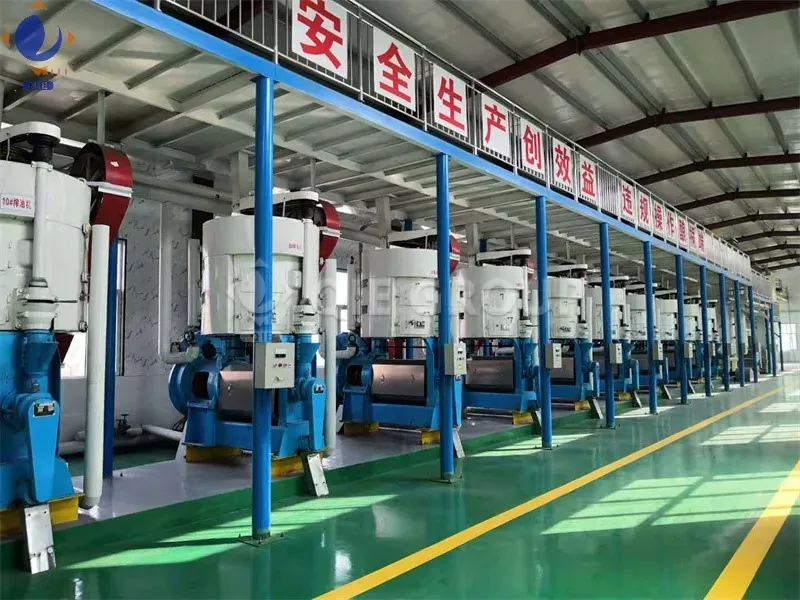
Having worked in the edible oil processing industry for over a decade, I've participated in the construction of soybean oil plants ranging from 5 tons to thousands of tons per day. Whenever clients ask, "How can we extract a few more kilograms of oil?", my answer is always: oil extraction is not a crude process, but a refined science. For a medium-sized oil plant, every 1% increase in oil yield can translate to hundreds of thousands of yuan in additional profit annually—this is achieved through the precise coordination of raw materials, equipment, processes, and experience.
Dirt, metal shavings, and moldy particles in soybeans can accelerate wear and tear on oil presses, leading to a decrease in oil yield of approximately 5%-8%. The QIE Group recommends a three-stage cleaning process:
After upgrading its cleaning system, a partner factory reduced the impurity content from 3% to 0.5%, lowered equipment maintenance costs by 40%, and steadily increased the oil yield by 2.3 percentage points.
After crushing soybeans to a particle size of 2–3 mm, adding 7–8% water for softening can increase the cell wall rupture rate by more than 30%. Our independently developed intelligent crusher can automatically adjust the crushing force according to the moisture content of the raw materials, avoiding the powdering problem caused by over-crushing and ensuring maximum subsequent pressing efficiency.
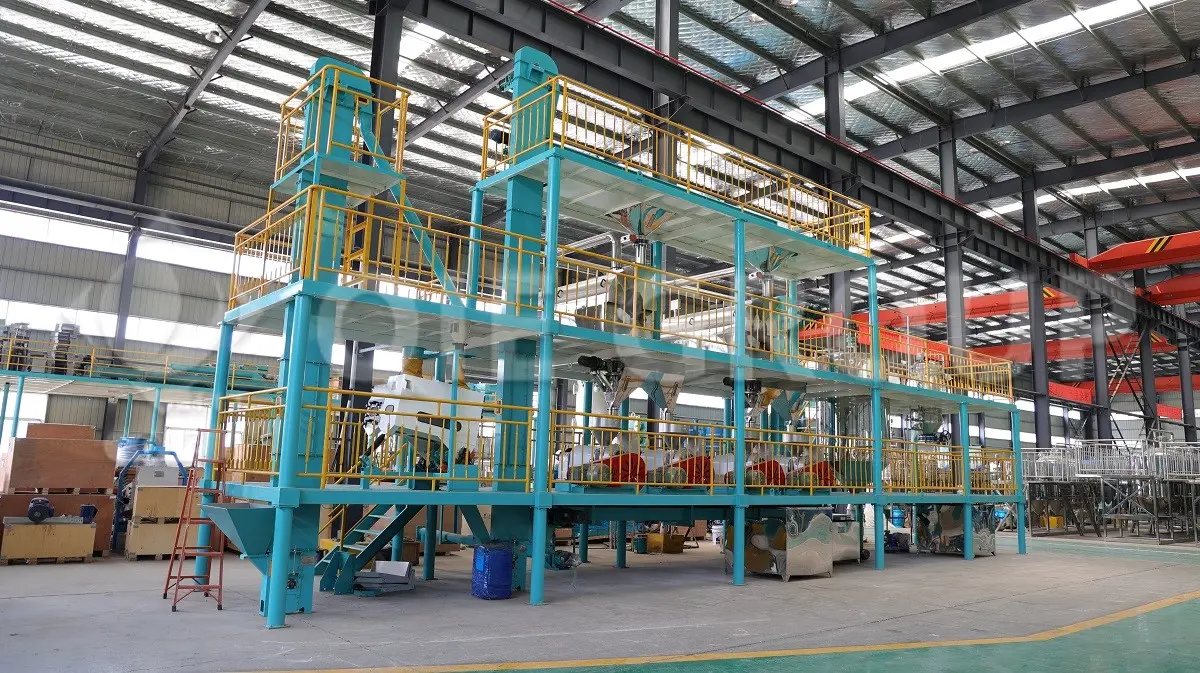
We never recommend "one-size-fits-all" equipment; instead, we customize solutions based on the customer's production volume, budget, and refined oil grade.
| Applicable Scenarios | Recommended equipment | Function Description |
|---|---|---|
| Small and medium-sized oil mills | Screw oil press | Mechanical pressure forces the grease to be squeezed out of the oilseeds, yielding crude oil and oil cake. |
| large oil refineries | Pre-pressing + leaching combined process | First, extract 60%-70% of the oil, then use solvent extraction to maximize oil yield, with a residual oil rate of ≤1%. |
⚙️ It's worth noting that the thickness of the rolled billet directly affects the oil release efficiency. The billet thickness should be maintained between 0.25-0.35mm. If it's too thick, the oil will have difficulty seeping out; if it's too thin, too much powder will be generated, affecting solvent penetration. Regularly calibrating the roll gap and cleaning the scraper are key to ensuring continuous and stable oil output.
👉Further Reading: Which is more profitable, solvent extraction or pressing of soybean oil?
Oil extraction is like cooking; if the heat, time, or proportions are slightly off, the taste will be different.
Temperature and moisture control: This is the core of the pressing process. Typically, the steaming and roasting temperature is set at around 115℃, with moisture maintained at 5%–7%. At this temperature, the protein undergoes moderate denaturation, the oil channels are unobstructed, and the oil's fluidity is significantly improved. One customer, in pursuit of faster production, raised the temperature to 130℃, resulting in excessive protein coagulation, "locking in" the oil, and consequently reducing the oil yield by 1.5%.
Leaching process parameters: In the leaching stage, the material-to-liquid ratio (W:W) is recommended to be controlled at 1:1.0–1.5, the leaching time at 30–45 minutes, and the solvent temperature at 60–70℃. Excessively high temperatures increase the risk of volatilization, while excessively low temperatures reduce extraction efficiency.
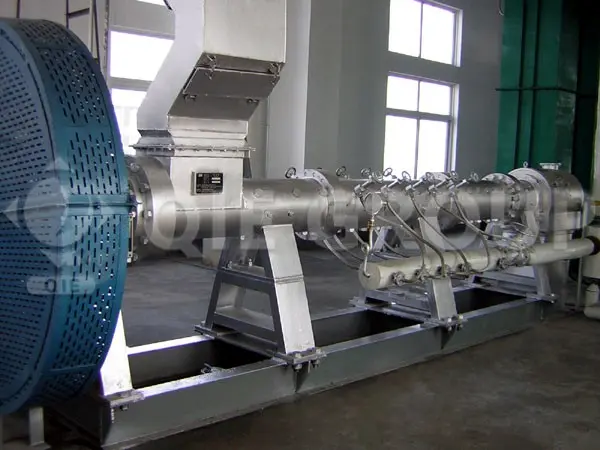
Another often overlooked but highly effective step is expansion treatment . This involves subjecting the rolled billet to a short-time, high-temperature treatment using an extrusion puffing machine. This not only disrupts the cell structure but also deactivates lipases, preventing an increase in acid value. Data from multiple projects show that expansion increases leaching efficiency by an average of over 12%.
👉Further reading: How is soybean oil made?
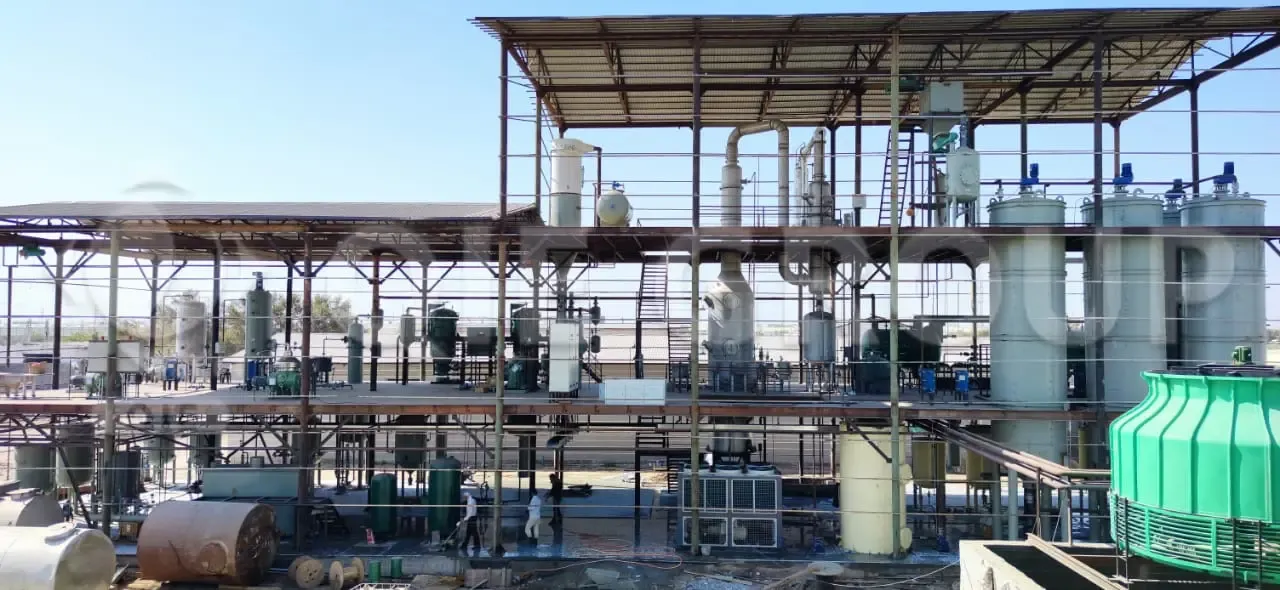
Modern edible oil processing equipment has moved from "mechanical drive" to "intelligent control".
✅ Automated system: Real-time monitoring of temperature, pressure, and flow rate, automatically adjusting process parameters to reduce human error.
✅ Waste heat recovery system: The heat energy from the steaming, frying and desolventizing processes is used for preheating the raw materials, reducing overall energy consumption by 15%-20%.
✅ Modular production line: Enables continuous production from cleaning, billet rolling, steaming and roasting to pressing, and supports future capacity expansion and upgrades.
Improving soybean oil extraction yield is never determined by a single "magic parameter," but rather by a systematic approach encompassing raw materials, equipment, processes, and management. At QIE Group, we not only manufacture equipment, but also leverage thousands of hours of on-site commissioning experience to provide clients with customized oil extraction process solutions.
Contact us for soybean oil extraction process consultation. shea butter oil processing plant shea butter oil production line shea butter oil press machine shea butter oil refining equipment shea butter oil processing equipment
Edible oil processing plant construction Edible oil processing equipment Edible oil processing production line Edible oil pressing equipment Edible oil refining equipment Edible oil plant turnkey project Oil refinery construction plan
Peanut oil production line Peanut oil processing equipment Peanut oil refining equipment Small peanut oil processing equipment Peanut oil solvent extraction equipment Peanut Oil Press
edible oil processing equipment turnkey edible oil production line edible oil processing plant edible oil refining equipment edible oil solvent extraction equipment edible oil press machine
Soybean oil press machine Soybean oil solvent extraction equipment Soybean oil processing plant Soybean oil production line Soybean oil refinery plant
shea butter oil processing plant shea butter oil production line shea butter oil press machine shea butter oil refining equipment shea butter oil processing equipment
Edible oil processing plant construction Edible oil processing equipment Edible oil processing production line Edible oil pressing equipment Edible oil refining equipment Edible oil plant turnkey project Oil refinery construction plan
Peanut oil production line Peanut oil processing equipment Peanut oil refining equipment Small peanut oil processing equipment Peanut oil solvent extraction equipment Peanut Oil Press
edible oil processing equipment turnkey edible oil production line edible oil processing plant edible oil refining equipment edible oil solvent extraction equipment edible oil press machine
Soybean oil press machine Soybean oil solvent extraction equipment Soybean oil processing plant Soybean oil production line Soybean oil refinery plant






.png?x-oss-process=image/resize,h_100,m_lfit/format,webp)
.png?x-oss-process=image/resize,h_100,m_lfit/format,webp)
.png?x-oss-process=image/resize,h_100,m_lfit/format,webp)