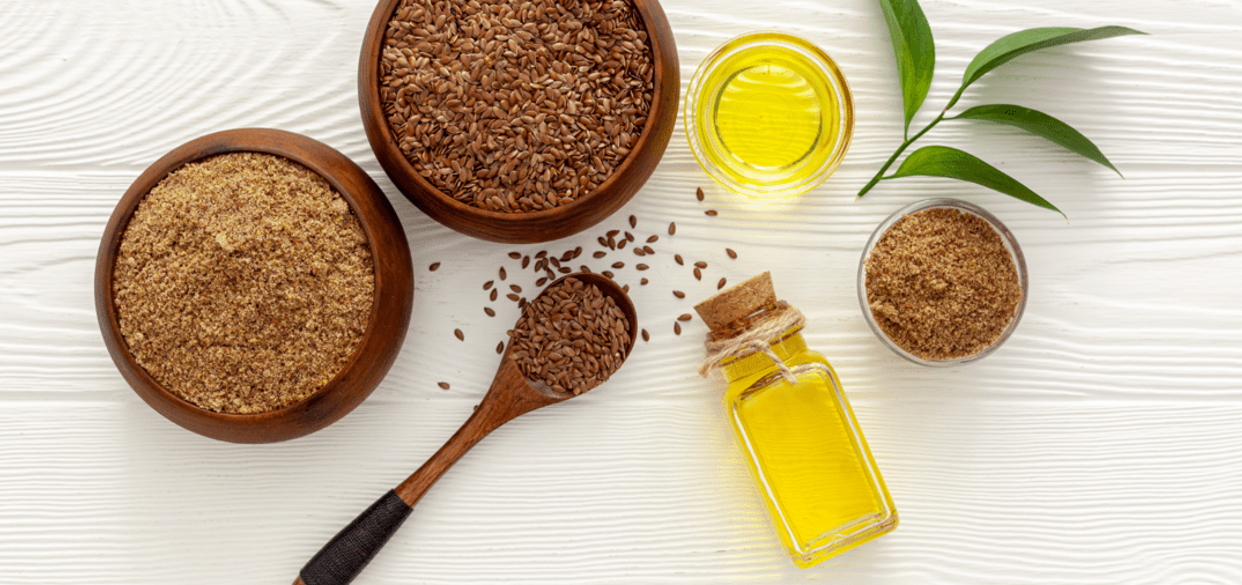
Flaxseed oil, rich in alpha-linolenic acid, natural antioxidants, and healthy lipids, continues to experience growth in the global healthy oil market. For edible oil processing companies, finding the optimal balance between high quality and high oil yield is crucial for cost control and market competitiveness. We will systematically analyze the core production processes and technologies of flaxseed oil to help you scientifically balance quality and output, maximizing your profits.
The processing of flaxseed oil mainly includes five steps: pretreatment, steaming/roasting/conditioning, pressing, solvent extraction (optional), and refining. Each step affects the final oil quality and yield. 👉( Guide to High-Efficiency and Energy-Saving Flaxseed Oil Production Lines )
Pre-treatment is the first step in the production line and mainly includes:
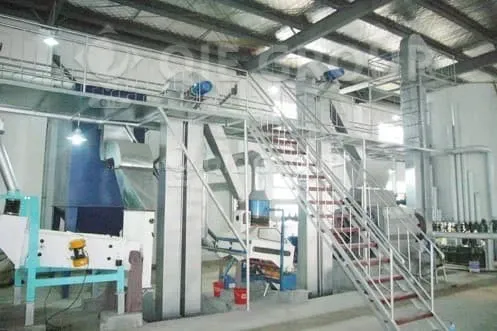
Screening and impurity removal : Removes hard impurities such as dust, fine shells, and sand.
Crushing and peeling (as needed): Crush the flaxseeds into small particles .
Rolling : Rolling (crushed) flaxseeds into uniform thin sheets.
In the industry, the impurity removal rate during pretreatment is generally controlled at 1%–3% to ensure that the material is clean and uniformly fed into the machine, reduce equipment wear, and avoid impurities affecting the taste and safety of the oil.
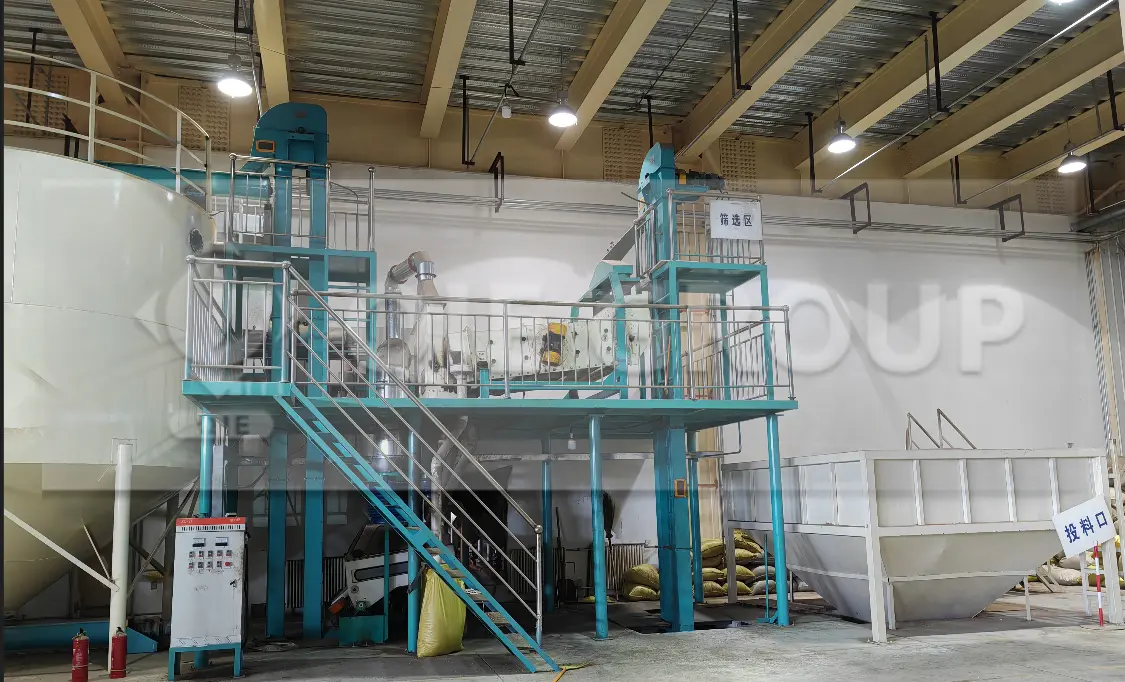
The core functions of steaming and stir-frying:
Disrupts cell structure and promotes lipid release
Stabilize moisture content to ensure more even pressing pressure.
Bring out the unique aroma of flaxseed
Commonly used parameters (actual parameters may be adjusted based on moisture content and production capacity):
Temperature: 100–120℃
Time: 10–20 minutes
Proper steaming and frying can increase the oil yield of hot pressing by 3%–5%, while also enhancing the aroma. 👉( Steam cooker improves efficiency and oil yield )
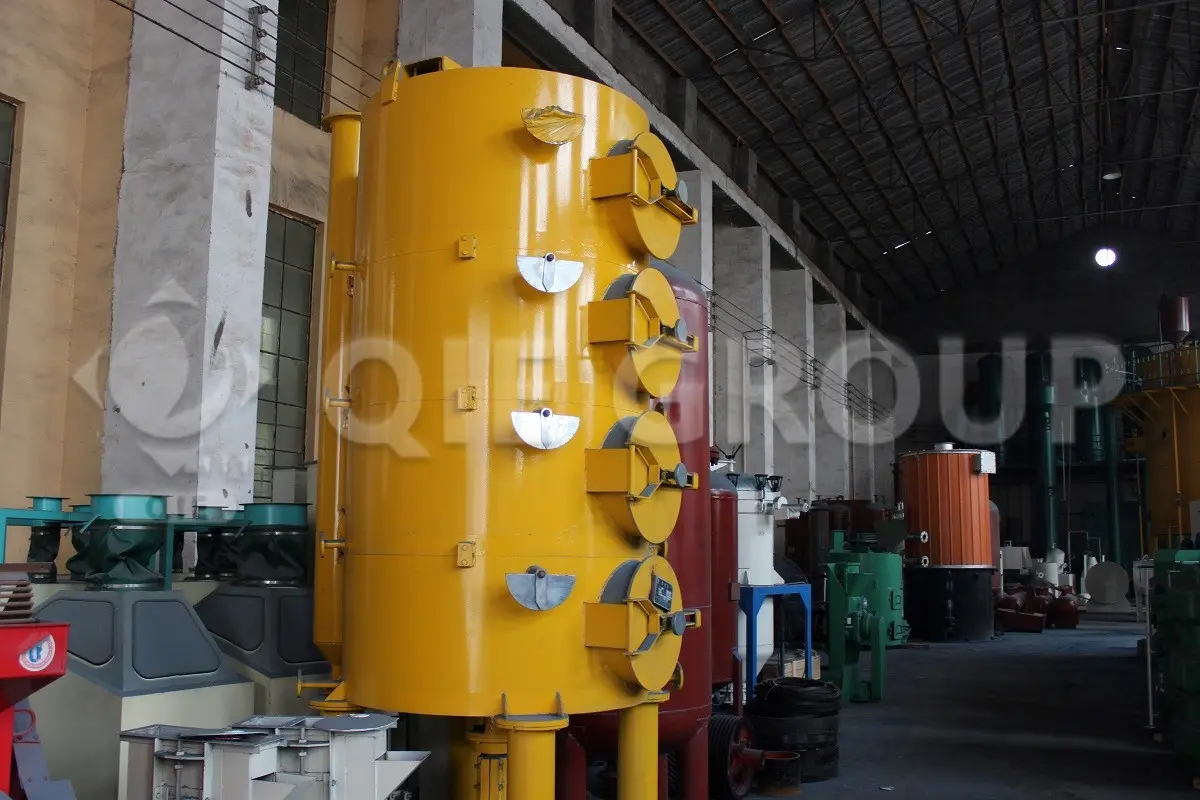
Pressing is a key step in flaxseed oil production, and different processes vary significantly.
Cold pressing typically controls the material temperature at <60℃. Its characteristics include:
To the maximum extent possible, retain alpha-linolenic acid, polyphenols, and natural antioxidants.
The flavor is milder and the color is lighter.
Suitable for high-end health oils and high-end e-commerce/export markets
Cold pressing typically yields an oil yield of 22%–28%.
Hot pressing promotes oil release by increasing temperature:
Common temperature: 120–130℃
It has a rich nutty aroma
It has a higher oil yield and is suitable for general household and catering scenarios.
The oil yield from hot pressing is generally 32%–38% (depending on the oil content of the raw material).
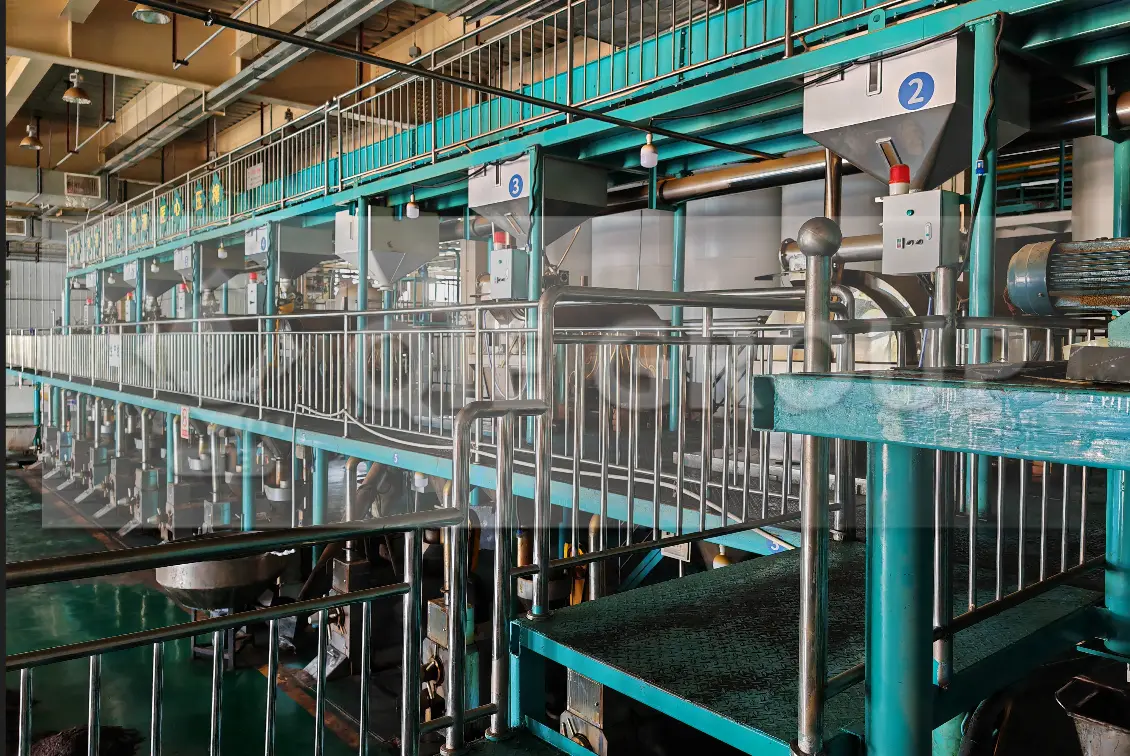
For factories pursuing high output and cost advantages, the following approach can be adopted:
The pre-pressed cake still contains 12%–18% oil, which can be removed using an extraction process:
The residual oil content was reduced to around 0.5%.
Overall oil yield increased to 40%–45%.
Low energy consumption cost, suitable for large-scale centralized production
Extracted oils must undergo systematic refining to ensure they meet food safety standards.
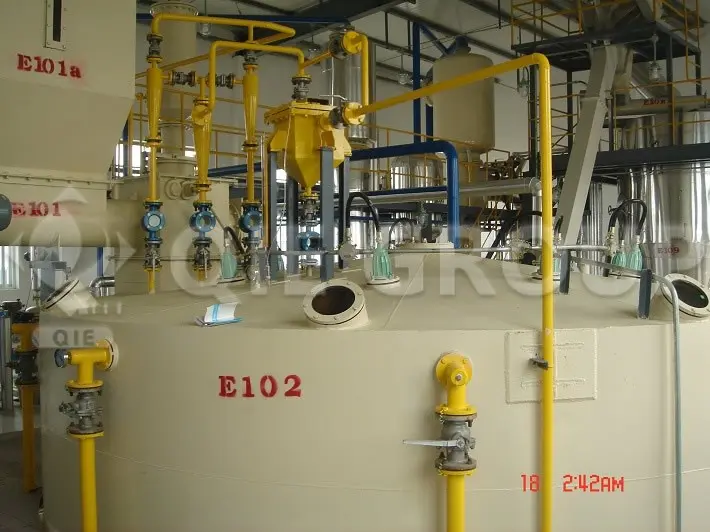
Flaxseed oil contains a large amount of polyunsaturated fatty acids, making it more prone to oxidation, thus requiring a more stringent refining process.
Refining includes:
Degumming : Removes phospholipids, mucus, and other pectin-soluble impurities.
Deacidification : Removes free fatty acids, lowers acid value, and improves stability.
Decolorization : Removes pigments such as chlorophyll, making the oil clearer.
Deodorization : Removes odors and peroxides, and enhances flavor.
Winterization (if required) : Removes wax and improves low-temperature stability.
Refined target indicators (commonly used in the industry):
Acid value: ≤0.2–0.3 mg KOH/g
Peroxide value: ≤1.0 meq/kg
Ensure product shelf life 6–12 months (depending on packaging and storage).
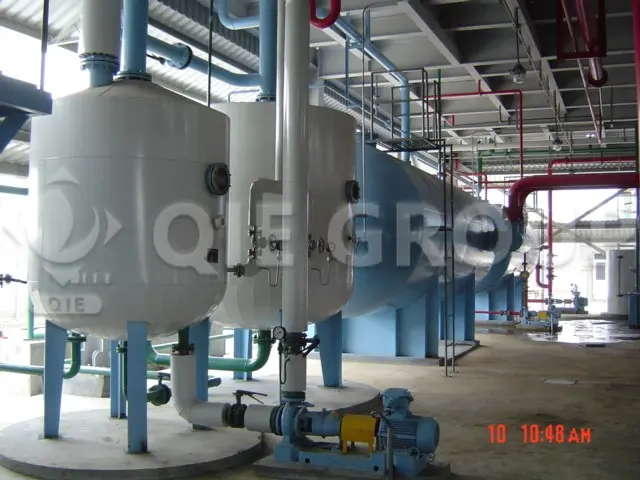
Different market demands dictate the choice of flaxseed oil production processes. Understanding the characteristics of each process, combined with the company's positioning and investment budget, allows for the optimal balance between quality and oil yield.
| Process type | Oil yield (%) | Oil characteristics | Applicable Market |
|---|---|---|---|
| Hot pressing method | 32%-38% | A rich aroma, but some nutrients are destroyed. | Family and catering market |
| Cold pressing | 22%-28% | To maximize the retention of linolenic acid and antioxidants | High-end health oil market |
| Pre-pressing-leaching | 40%-45% | High oil yield requires refining to ensure quality. | Large-scale industrial production |
High-end health market → Cold-pressed
Flavored products, regional markets → Hot-pressed
Large-scale plants, pursuing cost competitiveness → Pre-pressing + Leaching
Enterprises can make a comprehensive choice based on their investment budget, production capacity targets, and market positioning.
Based on QIE Group's many years of project experience, the following factors are the most critical:
Oil content of raw materials (can vary by 8%–12% depending on the production area).
Moisture content (especially sensitive to cold pressing)
Steaming and frying temperature and uniformity
Press machine parameters (screw speed, pressure curve)
Refining process stability
Storage and packaging (protection from light and nitrogen filling can significantly improve shelf life)
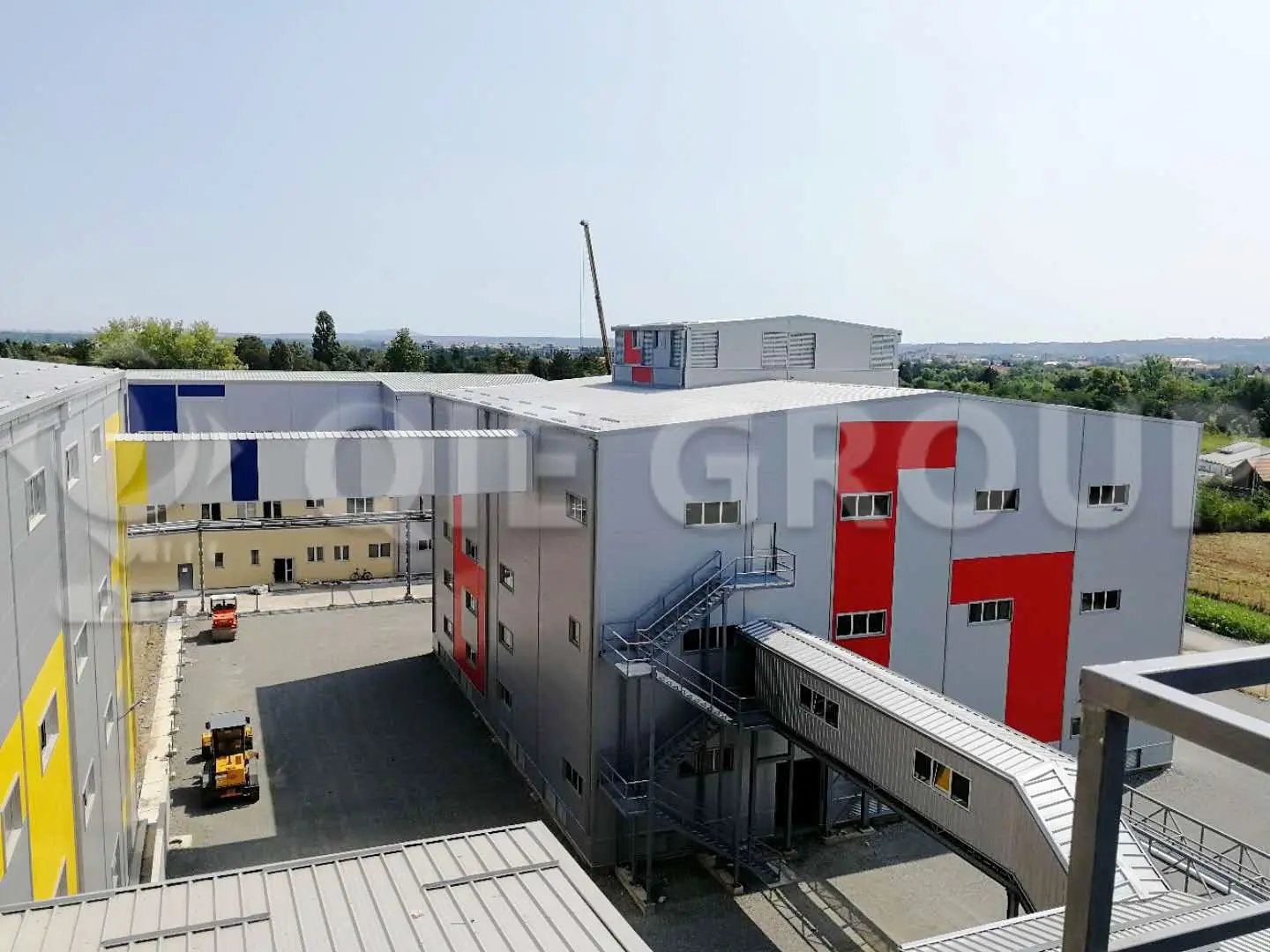
We can provide:
Pretreatment equipment
Cold pressing/hot pressing equipment
Leaching system
Full-process refining equipment
Intelligent automated production control
Process design, plant planning, installation, commissioning and training
Whether you're setting up a high-end cold-pressed nutrient oil production line or building a large-scale industrial production line, we can provide you with professional customized solutions. Learn more about our professionally customized flaxseed oil production equipment today, unleash your production potential, and gain a competitive edge in the market!
 Sunflower seed oil processing production line High oil yield sunflower seed oil African edible oil equipment Pre-pressing leaching process Refined oil production line
Rice bran puffing process Oil extraction efficiency Energy-saving oil processing Rice bran pretreatment Edible oil production solutions
rice bran oil refining equipment rice bran oil production line India rice bran oil plant rice bran oil processing plant edible oil processing India India rice bran oil plant
Sunflower oil production line Sunflower seed pretreatment equipment Sunflower oil processing technology Sunflower oil processing plant
Soybean oil press machine Soybean oil solvent extraction equipment Soybean oil processing plant Soybean oil production line Soybean oil refinery plant
Sunflower seed oil processing production line High oil yield sunflower seed oil African edible oil equipment Pre-pressing leaching process Refined oil production line
Rice bran puffing process Oil extraction efficiency Energy-saving oil processing Rice bran pretreatment Edible oil production solutions
rice bran oil refining equipment rice bran oil production line India rice bran oil plant rice bran oil processing plant edible oil processing India India rice bran oil plant
Sunflower oil production line Sunflower seed pretreatment equipment Sunflower oil processing technology Sunflower oil processing plant
Soybean oil press machine Soybean oil solvent extraction equipment Soybean oil processing plant Soybean oil production line Soybean oil refinery plant

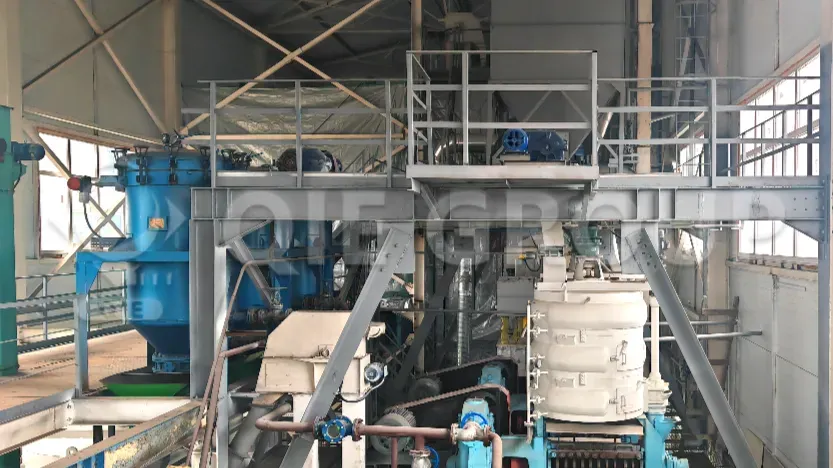


.png?x-oss-process=image/resize,h_100,m_lfit/format,webp)
.png?x-oss-process=image/resize,h_100,m_lfit/format,webp)
.png?x-oss-process=image/resize,h_100,m_lfit/format,webp)