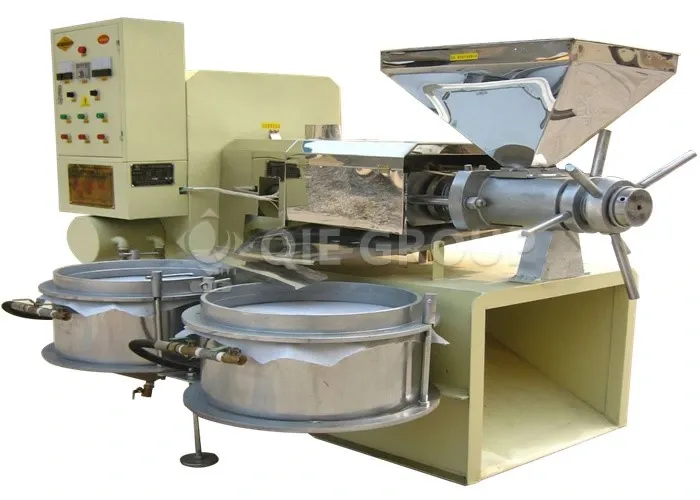
Rice bran oil is widely recognized as a high-value edible oil due to its rich content of oryzanol, phytosterols, and natural antioxidants. Demand continues to grow across Europe, the Middle East, and Africa. However, unlike soybean or rapeseed oil, rice bran oil projects have a much higher failure rate. The reason is not equipment quality alone, but a lack of understanding of the unique instability of rice bran and its strict process requirements.
As an engineering-driven turnkey supplier, QIE Group answers a critical question from an industrial perspective: What machines are truly required to build a stable, profitable rice bran oil production line?
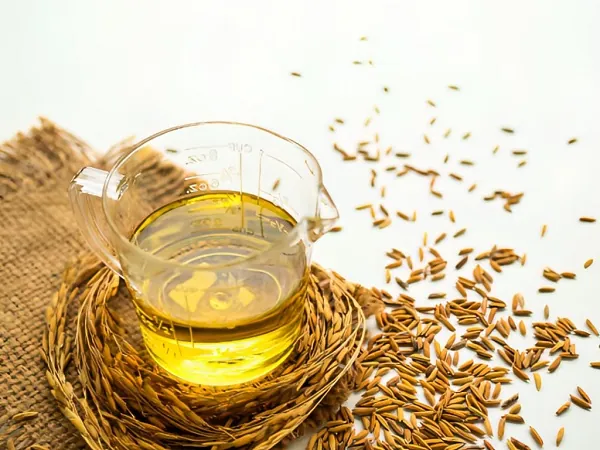
Rice bran is not a conventional oilseed. Once separated from the rice milling process, lipase enzymes become highly active, rapidly hydrolyzing oil into free fatty acids (FFA).
FFA can rise sharply within hours
High acid value leads to: Excessive refining losses; severe oryzanol degradation; reduced edible and export value
📌 Conclusion: A rice bran oil production line without a proper stabilization system is a high-risk investment.
QIE introduces a dedicated rice bran extrusion stabilization system at the pre-treatment stage.
High temperature and pressure in seconds
Rapid lipase deactivation
Loose rice bran converted into porous, expanded granules
Effectively controls FFA increase
Improves bulk density and material uniformity
Enhances solvent penetration efficiency by over 30%
Reduces powder formation and downstream instability
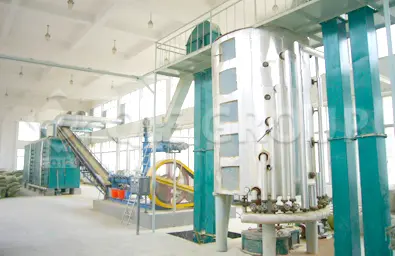
A commercial rice bran oil plant is a system engineering project, not a simple combination of pressing and refining equipment. It consists of three tightly integrated process modules.
This section determines whether the project succeeds or fails.
Main equipment includes:
Magnetic Separator & Cleaning Sieve: Removes metal and impurities, protecting extrusion screws
Conditioner: Precisely adjusts moisture and temperature before extrusion
QIE Rice Bran Extruder (Core Equipment): Ensures pellet strength; Minimizes fines during extraction
Plate Dryer / Cooling System: Controls moisture to 7–9%, the optimal extraction window
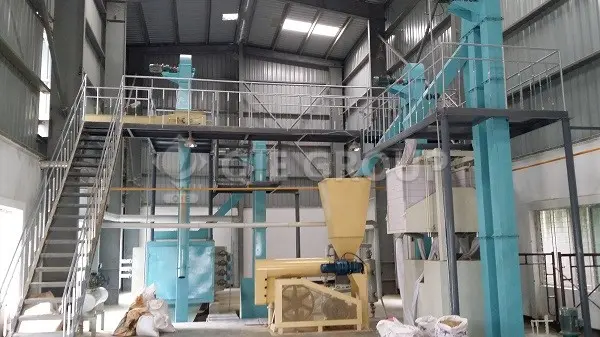
Due to low oil content and fine particle size, solvent extraction is the only proven industrial method for rice bran oil production.
Core equipment configuration:
Loop / Rotocel Extractor
Multi-stage spraying ensures: Residual oil in meal ≤ 0.5%
DTDC Desolventizer-Toaster-Dryer-Cooler: Efficient solvent recovery; Residual solvent in meal ≤ 500 ppm
Multi-stage Condensation & Solvent Recovery System: Stainless steel condensers; Solvent loss ≤ 1.5 kg/t
📌 Investor Insight: Extraction efficiency directly defines long-term operating cost, not just initial CAPEX.
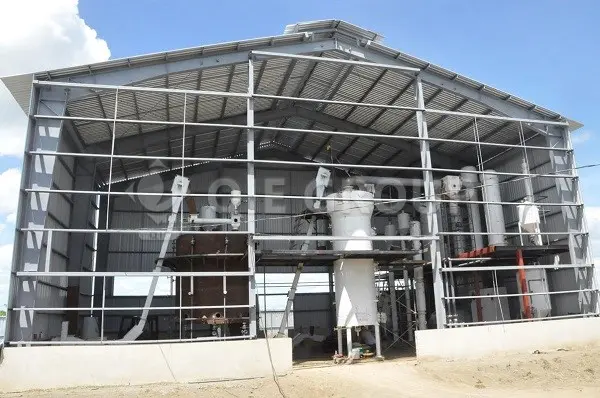
Rice bran oil naturally contains 3–5% wax, which directly affects oil clarity and market acceptance.
QIE refining configuration includes:
Physical Refining (Deacidification)
Maximizes oryzanol retention
Oryzanol retention rate > 90%
Continuous Bleaching System
Automated clay dosing
Stable, bright oil color
Crystallization Dewaxing & Precision Filtration
Programmable cooling curves
Finished oil remains clear for 5.5 hours at 0°C, meeting international export standards
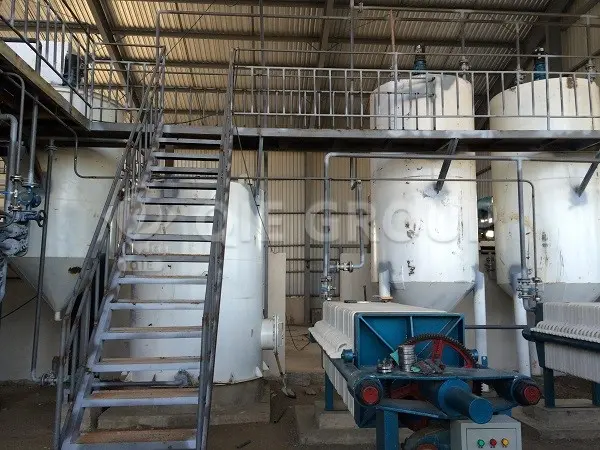
Fresh Rice Bran → Stabilization (Extrusion) → Drying & Cooling → Solvent Extraction → DTDC Desolventizing → Crude Rice Bran Oil → Physical Refining → Dewaxing → Finished Edible Rice Bran Oil
QIE provides customized solutions based on raw material supply, market strategy, and investment scale:
20–30 TPD – Entry-level or regional projects (common in Africa)
50–100 TPD – Mainstream commercial scale
100+ TPD – Export-oriented or industrial group projects
📌 Equipment structure, automation level, and energy consumption must be redesigned for each capacity, not simply scaled up.
| Key Indicator | Conventional Line | QIE Engineering Line |
|---|---|---|
| Residual oil in meal | 1.5–2.0% | ≤ 0.5% |
| Steam consumption | ~450 kg/t | 280–320 kg/t |
| Oil clarity stability | Wax precipitation | Long-term transparency |
| Maintenance cost | Frequent wear | Wear-resistant alloy, 2× lifetime |
👉 True ROI comes from stable operation, not low equipment price.
Rice bran has low oil content and extremely fine structure. Direct pressing causes severe blockage and residual oil losses exceeding 7%. Solvent extraction is the only globally accepted industrial solution.
Yes. Our stabilization, extraction, and refining systems are adjustable for:
High-moisture bran (Southeast Asia)
Variable-quality bran (Africa)
Standardized bran (Americas & Europe)
Remote cloud-based diagnostics
On-site commissioning by global engineers
Regional service presence in South Asia and beyond
QIE does not merely supply machines. We deliver engineering certainty.
Process-driven plant design
Proven global project experience
End-to-end responsibility from raw material to finished oil
True turnkey execution
📌 A rice bran oil production line is not a collection of machines, but a carefully engineered system.
With the above introduction, I believe you now have a comprehensive understanding of the equipment required for a rice bran oil production line. From pretreatment to refining, every step is inseparable from advanced equipment and technical support. If you have any needs for rice bran oil production line equipment, please feel free to contact us.
 Peanut oil processing plant Peanut oil production line Peanut oil production process Peanut Oil Press Peanut oil processing plant equipment price Small peanut oil processing plant investment Edible oil processing equipment
Rapeseed oil press machine rapeseed oil refining machine Rapeseed oil processing plant Rapeseed oil pretreatment equipment Small rapeseed oil mill plant Rapeseed oil filter
sunflower oil plant Kazakhstan sunflower oil processing plant sunflower oil mill Kazakhstan edible oil extraction equipment turnkey oil processing plant sunflower oil pressing machine sunflower oil refinery plant
Sunflower seed oil processing production line High oil yield sunflower seed oil African edible oil equipment Pre-pressing leaching process Refined oil production line
Coconut oil refining equipment Coconut Oil Refinery Small Coconut Oil Refining Machine Coconut oil processing production line Coconut Oil Refinery Cost
Peanut oil processing plant Peanut oil production line Peanut oil production process Peanut Oil Press Peanut oil processing plant equipment price Small peanut oil processing plant investment Edible oil processing equipment
Rapeseed oil press machine rapeseed oil refining machine Rapeseed oil processing plant Rapeseed oil pretreatment equipment Small rapeseed oil mill plant Rapeseed oil filter
sunflower oil plant Kazakhstan sunflower oil processing plant sunflower oil mill Kazakhstan edible oil extraction equipment turnkey oil processing plant sunflower oil pressing machine sunflower oil refinery plant
Sunflower seed oil processing production line High oil yield sunflower seed oil African edible oil equipment Pre-pressing leaching process Refined oil production line
Coconut oil refining equipment Coconut Oil Refinery Small Coconut Oil Refining Machine Coconut oil processing production line Coconut Oil Refinery Cost




.png?x-oss-process=image/resize,h_100,m_lfit/format,webp)
.png?x-oss-process=image/resize,h_100,m_lfit/format,webp)
.png?x-oss-process=image/resize,h_100,m_lfit/format,webp)