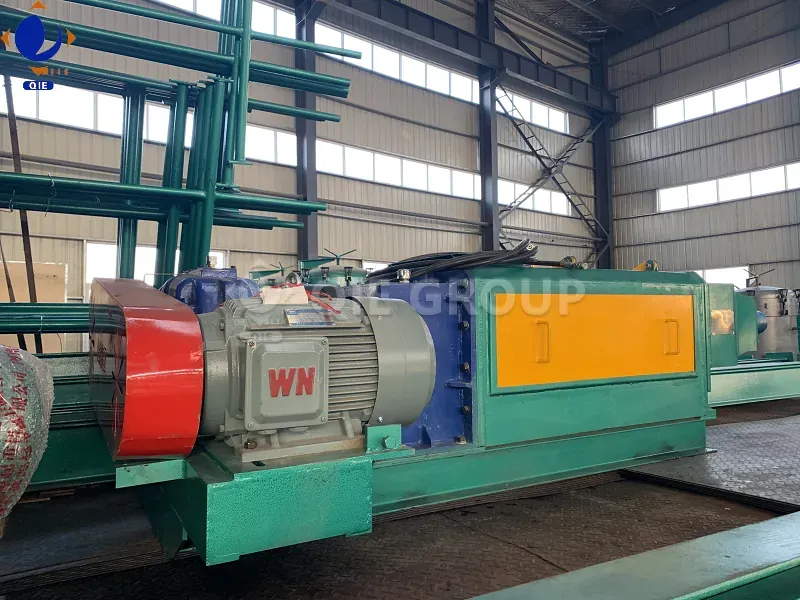
Emerging markets are experiencing rapid urbanization and population growth, driving increased demand for edible oils. In regions such as Africa, Southeast Asia, the Middle East, and South America, edible oils are not only staple foods but also an important part of the agricultural economy.
At the same time, these markets also face challenges: limited infrastructure, outdated technology, unstable supply chains, and a shortage of skilled workers.
Investors and plant owners need a solution that can reduce risk, control costs, and accelerate production. Turnkey edible oil processing plants perfectly meet these needs—providing full support from project planning and equipment supply to installation, commissioning, and staff training.
Problem: Local oilseed crops such as peanuts, palm nuts, and sesame are mostly grown by smallholder farmers, resulting in inconsistent harvest times and significant differences in moisture content and impurity levels. Unoptimized pretreatment systems are prone to clogging or reduced oil yield.
Case example: In a Tanzanian peanut oil plant with a daily output of 150 tons, unstable moisture content of the raw materials caused the utilization rate to initially drop below 50%.
Penguin Solution: We design buffer storage and multi-stage cleaning, conditioning, and drying systems to ensure stable feed, and optimize the pre-processing module using climate and planting cycle data.
Problem: Many emerging markets lack skilled operators and grease processing engineers, resulting in long-term idle equipment.
Consequences: Damaged parts, project stalls, and costly delays.
Penguin Solution: Dispatch Chinese technical experts to the site to provide full guidance on installation, commissioning, stand-alone and integrated testing, and provide system training to local staff to achieve "turnkey operation".
Case example: In a coconut oil project in the Philippines, 12 local operators received comprehensive training, and the plant was able to operate independently within a week of handover.
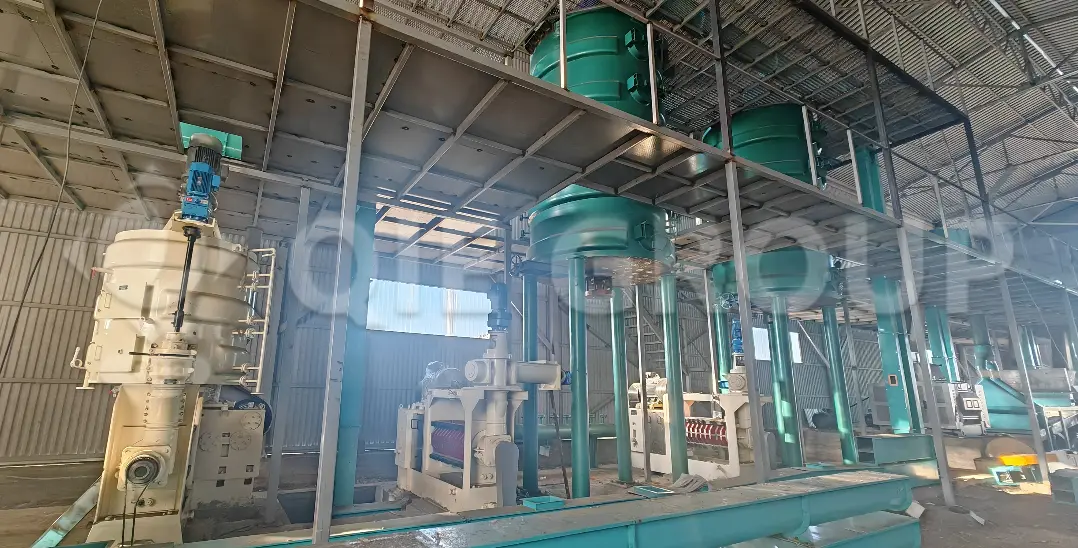
Problem: Investors underestimate the market or choose unsuitable equipment, resulting in wasted funds and uncontrolled operating costs.
Frequently Asked Questions:
Using a hydraulic oil press to process soybeans with low oil content results in an oil yield lower than the industry standard.
Selling crude oil directly without considering the refining process prevents it from entering supermarket channels. 🔗 ( Edible oil refining equipment )
Penguin Solutions: We provide a three-dimensional assessment: market research + raw material analysis + product positioning.
Case examples: In India and the Philippines, small-scale oil refining lines with a daily processing capacity of 10-20 tons have met the needs of local supermarkets and achieved a return on investment within 18-24 months.
Problem: The customer purchased equipment independently and subcontracted civil engineering, resulting in misalignment of factory dimensions, power load, and pipe connections, causing delays in the construction period.
Penguin Solution: The turnkey model is responsible for process design, equipment manufacturing, civil engineering advice, electrical automation integration and on-site management, achieving "one blueprint to the end" and minimizing rework.
Case Study: A sunflower oil project in South Africa used our standardized approach to shorten the planned 6-month construction period to 4.5 months.
Problem: Traditional oil plants consume a lot of steam, and frequent start-ups and shutdowns exacerbate equipment wear and tear.
Penguin Solution: Modular design + heat recovery (utilization of waste heat from deodorized distillate) + variable frequency drive + biomass boiler to replace fuel oil, reducing unit processing costs by approximately 15%.

Advantages of turnkey solutions:
One-stop service: from project planning, process design, equipment supply to installation, commissioning and personnel training, reducing the need for coordination among multiple parties.
Risk Control: Experienced suppliers anticipate and resolve potential problems, reducing project delays and cost overruns. 🔗 ( Case Study: 300 tons/day Soybean Oil Processing Plant )
Technical support: Advanced processes and specialized equipment improve production efficiency and product quality.
Localization adjustments: Customize the optimal solution based on raw material characteristics, energy supply, and market demand.
| Link | Core content | Penguin Practice Examples |
|---|---|---|
| Process Design | Raw material adaptability analysis, capacity matching, and energy consumption simulation | 3D simulation design demonstrates the process flow between each part. |
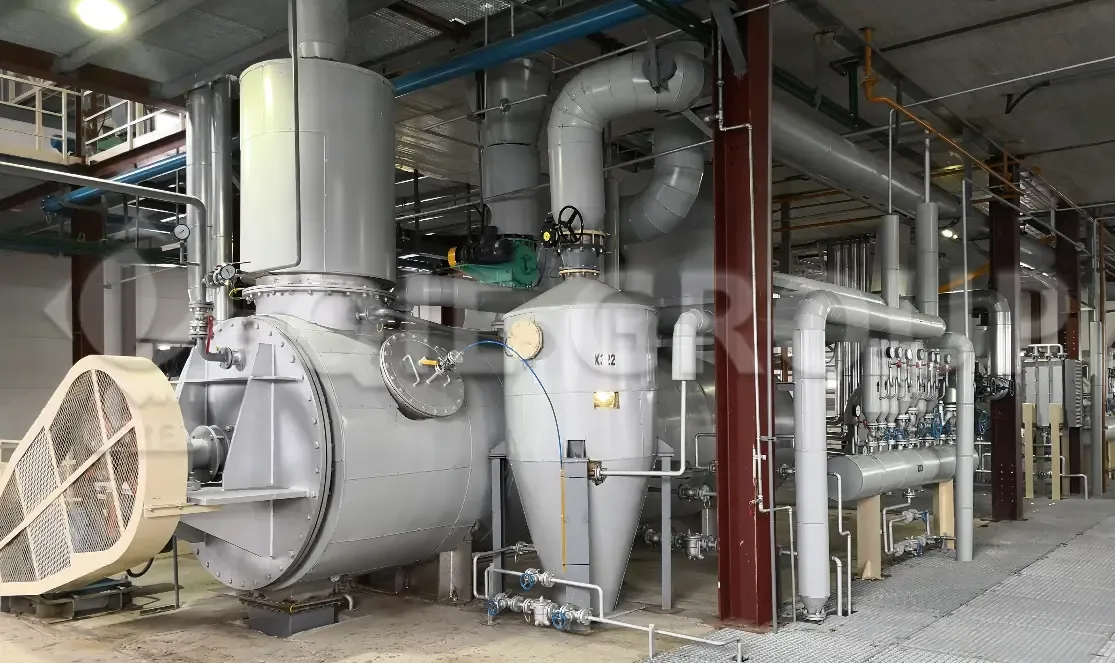
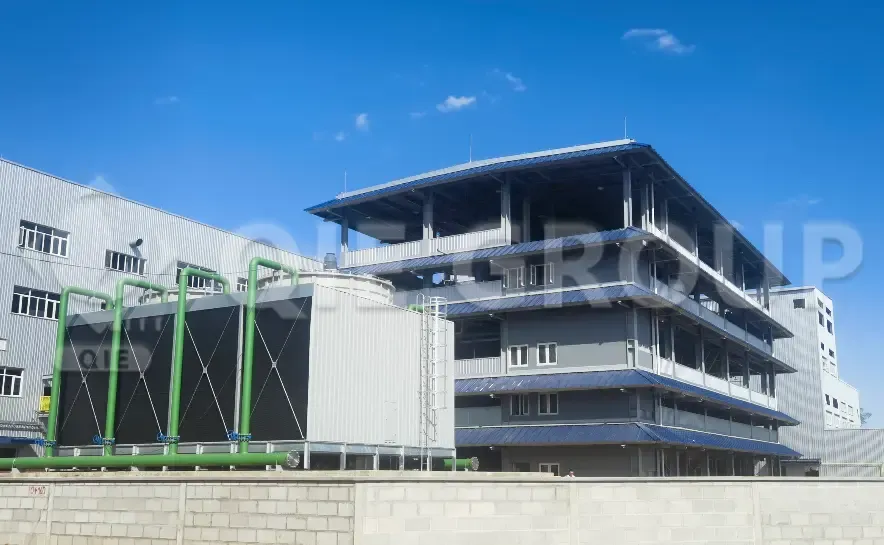
| Equipment manufacturing | Core equipment is manufactured in-house, ensuring quality control. | The 130,000-square-meter factory produces presses, refining machines, and control systems. |
| Installation and debugging | On-site supervision, electrical wiring, no-load/load testing | Multilingual engineering team (English, French, Arabic, Russian) |
| Training and after-sales service | User manual, troubleshooting, remote support | Spare parts inventory and regular maintenance enable rapid response. |
✅ Own factory, quality control guaranteed
All core equipment is manufactured in-house, eliminating quality risks associated with intermediaries.
✅Highly customizable capabilities
Customized process parameters and equipment design are employed for specific raw materials. For example, a Philippine coconut oil production line uses a low-temperature pressing process to preserve its natural flavor.
✅Extensive local experience
Projects have been successfully carried out in Africa, Southeast Asia, the Middle East, and South America.
Each project has accumulated experience in local regulations, climate, and cultural adaptation.
✅Full lifecycle support
From market research and financing advice to brand promotion and packaging, we are your long-term partner for the oil business.
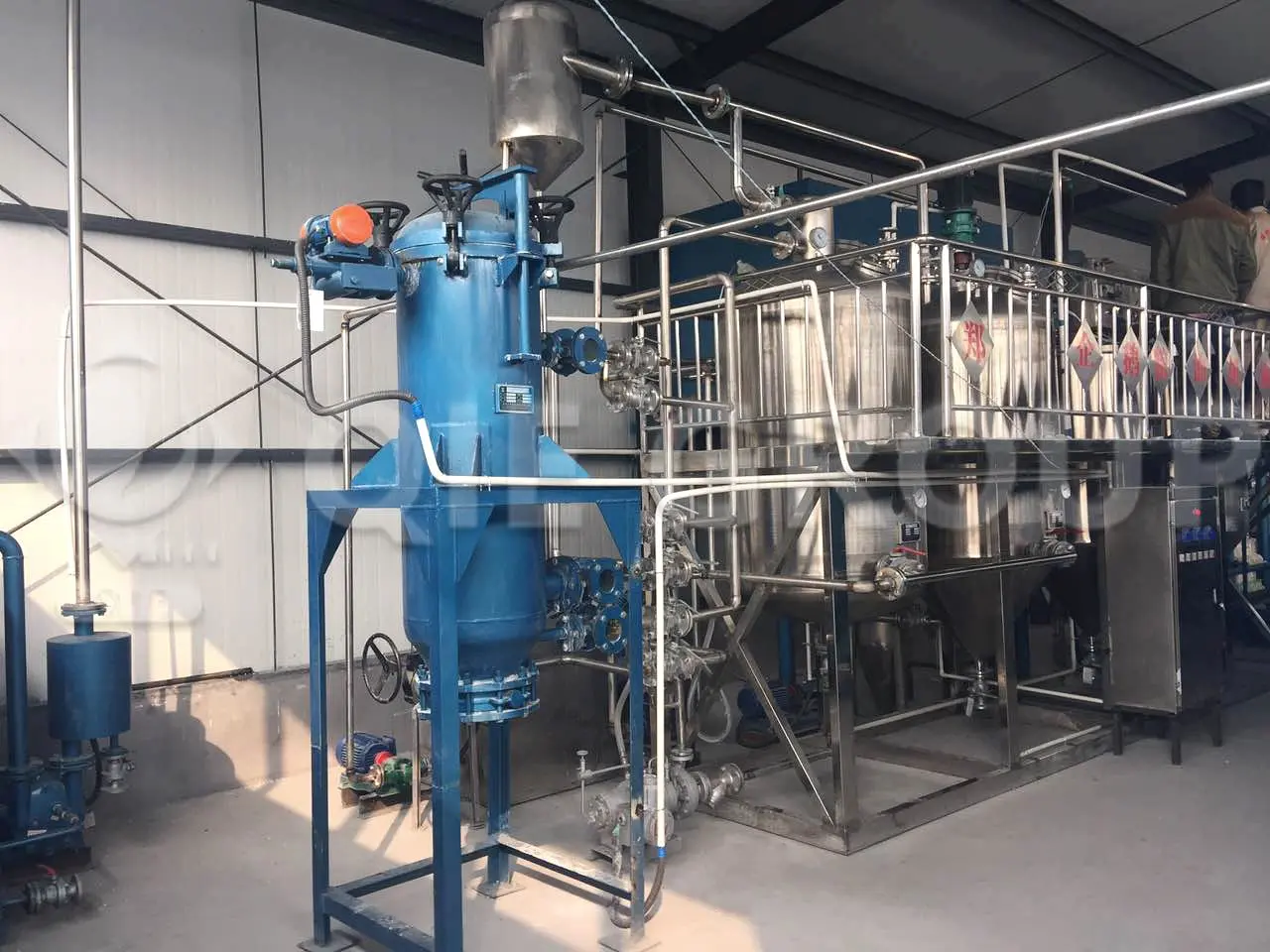
Start small and gradually expand.
We started with a factory with a daily processing capacity of 10-20 tons to test market acceptance and operating models.
It must include a refining process.
Even if crude oil is initially sold, refining is crucial for entering supermarket channels and brand development.
Choose a partner who can manage the entire project.
Suppliers who can quickly resolve installation and operation issues are more valuable than those who offer lower prices but poor after-sales service.
Q1: How can we ensure a stable supply of raw materials to emerging markets?
A: By using buffer storage, multi-stage cleaning and drying systems, and combining climate and planting cycle predictions, stable feed can be achieved.
Q2: Do small factories need refining equipment?
A: Yes. It is recommended to reserve space for refining equipment, so that even if the initial focus is on selling crude oil, upgrades can be made quickly later.
Q: What is a typical rate of return on investment?
A: Small plants with a daily processing capacity of 10-20 tons typically achieve a return on investment within 18-24 months, depending on raw material costs and local demand.
Q4: Does the turnkey solution include training?
A: Yes. Comprehensive on-site training and operating manuals ensure that local employees can operate and maintain the plant independently.
If you're planning to build an edible oil processing plant—whether it's upgrading capacity, creating a new brand, or developing an industrial park—Penguin Group can provide feasibility studies and preliminary process plans tailored to your project.
Let's work together to turn a seed into a barrel of oil, and then into a sustainable industry.
Contact us now to learn more about turnkey solutions for edible oil processing plants.
 Flaxseed oil production Oil yield optimization Hot pressing and cold pressing technology Edible Oil Processing Leaching process
Edible oil production line Oil plant equipment Intelligent production Oil yield Energy saving and environmental protection
Palm oil production line Palm oil processing equipment Palm Oil Press Palm oil refinery QIE Group
Rice bran oil pretreatment equipment Rice bran expansion and extraction production line Rice bran oil refining equipment Rice bran oil production line turnkey project Small rice bran oil production line configuration plan Price of 50 tons per day rice bran oil equipment
5 tons/hour palm oil press Palm fruit oil press production line Double screw palm oil press unit Industrial palm oil extraction equipment Palm kernel separation and pressing machine
Flaxseed oil production Oil yield optimization Hot pressing and cold pressing technology Edible Oil Processing Leaching process
Edible oil production line Oil plant equipment Intelligent production Oil yield Energy saving and environmental protection
Palm oil production line Palm oil processing equipment Palm Oil Press Palm oil refinery QIE Group
Rice bran oil pretreatment equipment Rice bran expansion and extraction production line Rice bran oil refining equipment Rice bran oil production line turnkey project Small rice bran oil production line configuration plan Price of 50 tons per day rice bran oil equipment
5 tons/hour palm oil press Palm fruit oil press production line Double screw palm oil press unit Industrial palm oil extraction equipment Palm kernel separation and pressing machine




.png?x-oss-process=image/resize,h_100,m_lfit/format,webp)
.png?x-oss-process=image/resize,h_100,m_lfit/format,webp)
.png?x-oss-process=image/resize,h_100,m_lfit/format,webp)
.webp?x-oss-process=image/resize,h_800,m_lfit/format,webp)