For investors targeting strategic entry into the East African edible oil market, Tanzania stands out as one of the most viable and high-yield destinations. Unlike many nations where market conditions are polarized, Tanzania presents a unique dual advantage: a well-established agricultural foundation for sunflower cultivation, coupled with a significant deficit in localized, high-tier processing capacity. This structural gap implies that investment opportunities do not merely rely on raw material security, but are driven directly by the surging domestic and regional demand for refined edible oil products.
Why Are More Investors Opting to Build a Sunflower Oil Processing Plant in Tanzania?
Tanzania's commercial and industrial advantages for edible oil manufacturing are fundamentally anchored in three key drivers:
1. Robust Agricultural Feedstock Base:
Sunflower stands as one of the most vital oilseed crops in the country, with cultivation heavily clustered in high-output regions such as Dodoma and Singida. For institutional investors, the primary metric is not merely the aggregate nationwide yield, but the localized availability—the fact that targeted processing hubs can guarantee a continuous, high-volume supply of raw seeds during the harvest cycles.
2. Escalating Demand for Locally Refined Oil:
Rapid urbanization and shifting consumer paradigms have triggered an unprecedented demand trajectory for clear, smoke-free, and quality-stable refined sunflower oil. A massive segment of the current market relies on small-scale, rudimentary crushing workshops that can only deliver crude, unrefined oil. This gap leaves an expansive, high-margin premium segment completely open for industrial facilities equipped with advanced refining systems.
3. Definitive Strategic and Logistical Location:
Utilizing the strategic infrastructure of the Port of Dar es Salaam, localized manufacturing plants can efficiently serve the domestic market while smoothly exporting to landlocked neighboring East African nations.
Expert Engineering Insight from QIE Group:
In our extensive portfolio managing international vegetable oil projects, logistical site selection invariably outweighs equipment model parameters in determining long-term ROI. For a Tanzania sunflower oil processing plant, establishing the facility in close proximity to major agricultural zones reduces inbound logistical overheads and secures operational profitability.
Critical Pre-Investment Assessment Parameters
1. Raw Material Supply Chain Security: Can Feedstock Be Guaranteed Year-Round?
Sunflower seeds are highly seasonal crops. Statistically, the primary point of failure for international agro-industrial projects stems not from mechanical failure, but from downstream supply chain fragmentation and seed shortages.
Prior to capital deployment, it is imperative to:
✔ Establish binding, long-term procurement frameworks with regional agricultural cooperatives and consolidated aggregators.
✔ Perform rigorous quantitative capacity audits on available feedstock within your sourcing radius.
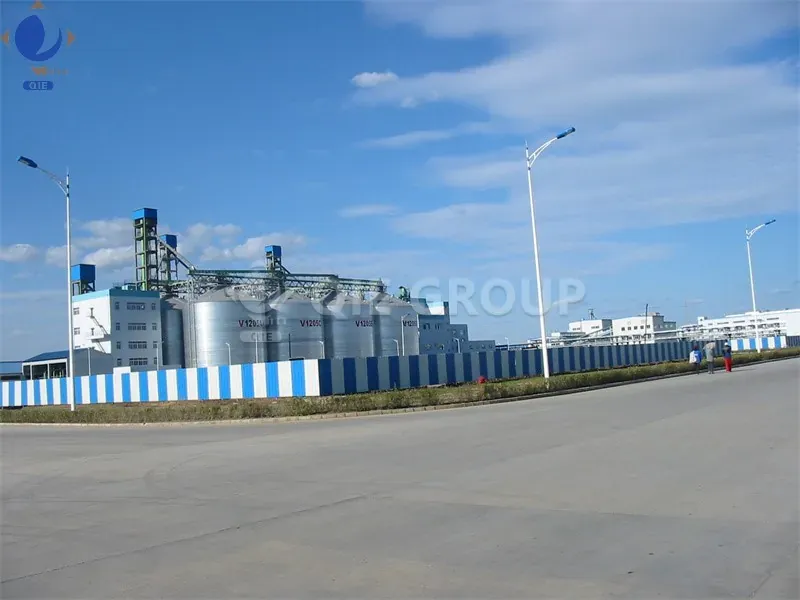
✔ Design and construct high-capacity grain silos and storage infrastructure to insulate operations against seasonal pricing and volume volatility.
2. Strategic Market Positioning: Crude Oil vs. Fully Refined Oil?
This single technical pivot dictates your initial capital expenditure (CAPEX) and long-term market position.
| Processing Route |
Capital & Construction Dynamics |
Market Position & Valuations |
| Crude Oil Route |
Low CAPEX, minimal infrastructure requirements, rapid execution and commissioning cycles. |
Commodity-grade output sold at lower margins; highly dependent on bulk buyers and external refiners. |
| Refined Oil Route |
Higher CAPEX due to integration of physical/chemical refining and dewaxing modules. |
Premium product tier, massive value-add margins, eligible for commercial retail, supermarkets, and custom brand packaging. |
3. Scale of Operations: What is the Optimal Throughput Capacity?
Industrial scaling must be data-driven rather than speculative. Over-scaling without supply chain validation triggers low utilization rates, while under-scaling limits economies of scale.
| Validated Raw Material Sourcing Capacity |
Recommended Engineering & Process Architecture |
| ≤ 20 TPD |
Mechanical Pressing + Batch Refining Plant |
| 50 – 100 TPD |
Pre-pressing + Solvent Extraction + Semi-Continuous /Fully Continuous Refining |
| > 100 TPD |
Pre-pressing + Solvent Extraction + Fully Continuous Refining Plant |
Selecting the Appropriate Processing Technology Hierarchy
Complete Engineering Flowsheet Configuration
→
→
→
→
→
→
STAGE 07 (Mid/Large Scale)
Solvent Extraction
→
→
→
Small-Scale Facilities (≤ 20 TPD)
Typically configured with: Full mechanical expeller pressing; Batch refining units; Designed for streamlined capital entry and low operational complexity.
Medium-to-Large Scale Plants (≥ 50 TPD)
Configured with: Industrial pre-pressing followed by a comprehensive
solvent extraction plant; Fully continuous chemical or physical refining systems; Engineered for maximum oil yield, minimal residual meal oil (≤ 0.5%), and optimized energy efficiency.
Why must sunflower oil be dewaxed?
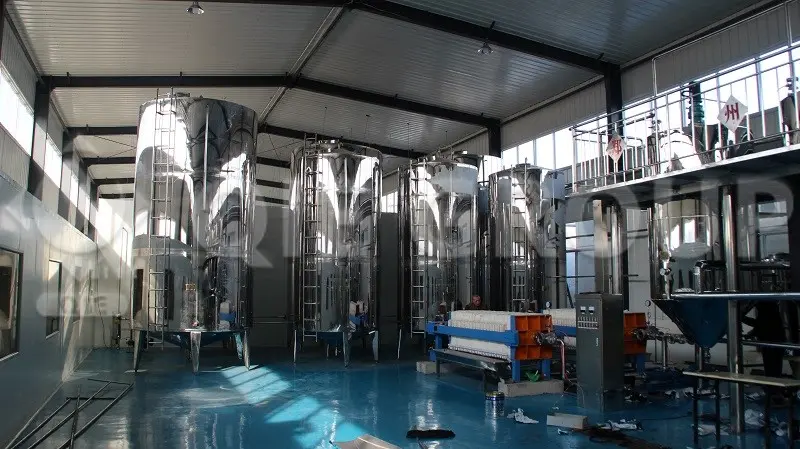
Dewaxing is a critical engineering phase often omitted by inexperienced investors, resulting in severe market resistance. Sunflower oil naturally contains a high concentration of plant waxes. Without specialized winterization/dewaxing processing (crystallization and filtration), the finished oil will exhibit cloudiness and precipitate solid crystallization under lower ambient temperatures. To penetrate the commercial retail, supermarket, and premium bottled markets, a precise dewaxing system is an absolute technical necessity.
Core Machinery and Systems Configuration
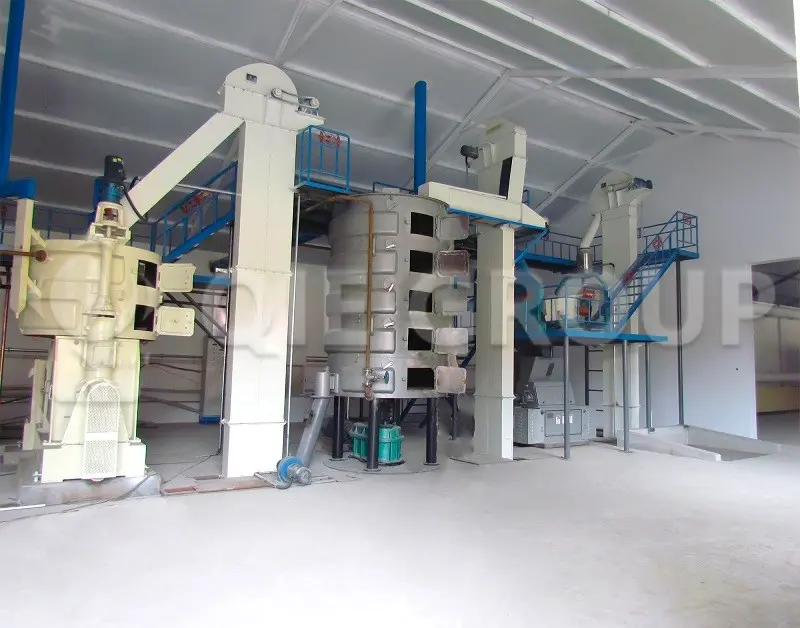
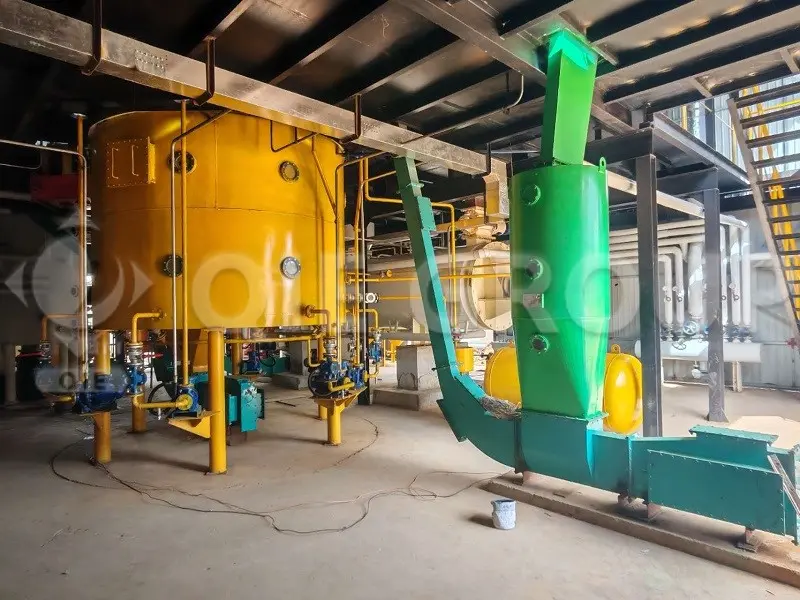
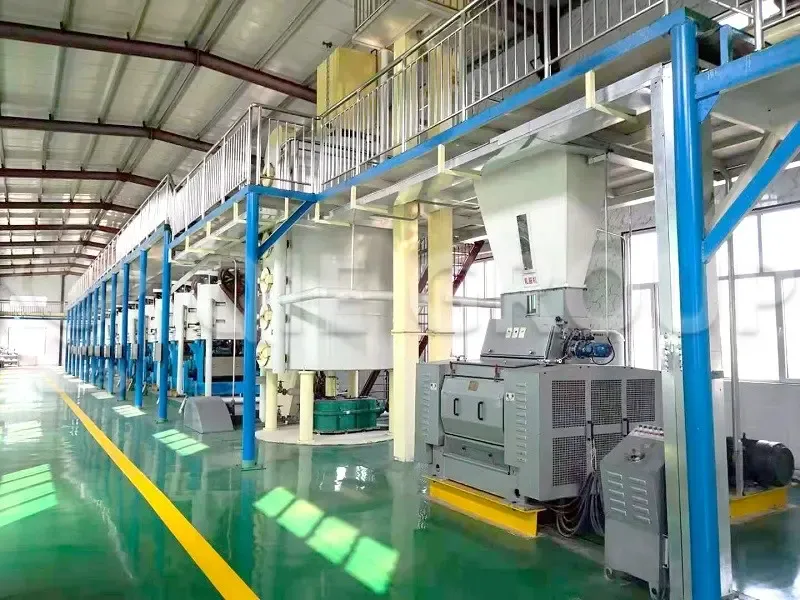
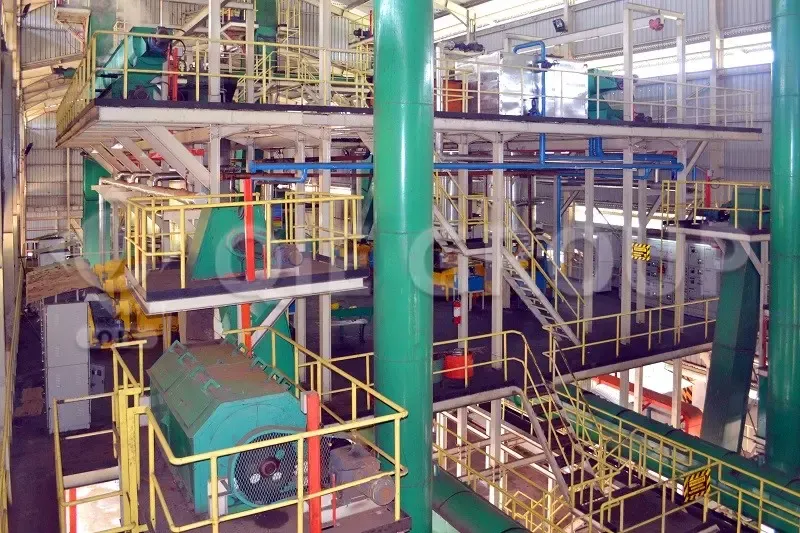
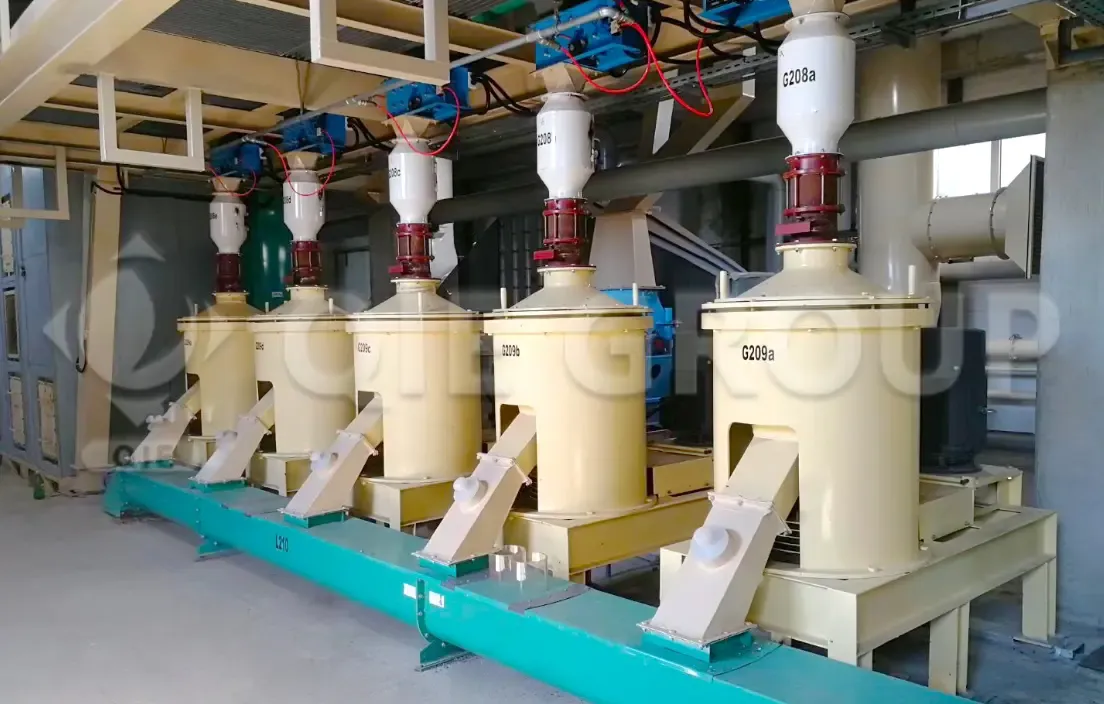
From an EPC project management perspective, understanding the function of each core system is vital for balancing CAPEX and operational excellence:
• Seed Cleaning & Pre-treatment System:
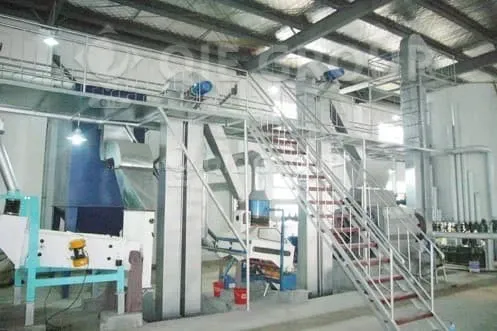
Eliminates organic and inorganic foreign matter, minimizes mechanical abrasion on down-stream machinery, and optimizes thermal conditioning for maximum oil release.
• Oil Pressing/Expelling System:
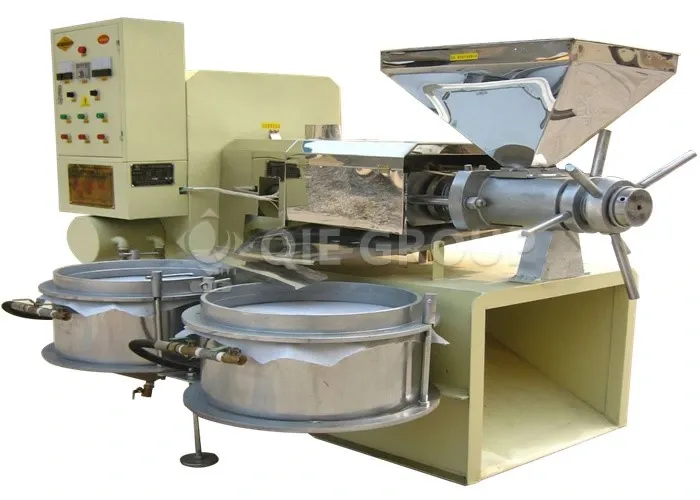
Utilizes mechanical shear and high-pressure screw expellers to extract the primary percentage of oil from the conditioned seed matrix.
• Solvent Extraction System:
Deploys industrial solvent (hexane) washing to extract oil from the pressed cake, reducing the residual oil content in the meal to ≤ 0.5% and ensuring full utilization of the material.
• Refining & Dewaxing System:
Eliminates free fatty acids (FFA), gums, pigments, and odor compounds. Adjusts the oil's transparency, stability, and smoke point to comply with strict international food standards and commercial retail preferences.
• Automated Bottling & Packaging System:
Executes precise filling across diverse retail configurations (e.g., 1L, 5L containers), enabling localized brand equity and direct-to-market distribution.
Risk Management Checklist: When to Pause Capital Investment?
Based on QIE Group's international oil plant engineering experience, we advise pausing equipment procurement and conducting deeper feasibility studies if any of the following parameters are unresolved:
[1] Feedstock sourcing is dependent entirely on spot-market speculation without structured contract farming or aggregator alignment.
[2] The market entry strategy and target product tier (crude vs. premium refined) remain commercially undefined.
[3] Local municipal infrastructure (electrical grid stability, industrial water volume, thermal energy fuel) cannot support 24/7 continuous industrial processing.
[4] The financial model allocates 100% of capital to machinery acquisition, leaving no reserves for local civil works, logistics, duty clearance, plant assembly, and operational working capital.
Maximizing Long-Term Plant Profitability and OPEX Efficiency
The true competitiveness of a sunflower oil processing plant in Tanzania is governed by operational efficiency and cost control over time. Institutional engineering should prioritize:
▪
Total Raw Material Extraction Efficiency: Minimizing oil loss in final meal products through optimized pre-treatment and extraction.
▪
Specific Energy Consumption Tracking: Integrating advanced heat exchangers and economizers to lower steam and electricity usage by 15-20%.
▪
Industrial Automation: Utilizing centralized PLC monitoring systems to guarantee batch-to-batch product uniformity and lower manual error rates.
▪
Maintenance-Centric Design: Designing physical equipment layouts with proper access spacing to minimize routine maintenance downtime.
For example, pre-allocating maintenance and inspection clearance zones during the layout design stage significantly reduces long-term operational downtime. These technical engineering details are rarely highlighted in simple equipment quote sheets, yet they directly dictate the actual profitability of your factory.
Selecting a Competent EPC Engineering Partner
Developing an industrial facility in East Africa requires a partner capable of executing complete EPC turnkey responsibilities. Relying on fragmented, multi-vendor equipment purchasing creates integration failures, misaligned piping, delayed commissioning, and split accountability.
A proven, reliable EPC partner must deliver:
1Custom Process Engineering and Civil Layout Design tailored to local factory dimensions.
2Heavy-duty Machinery Manufacturing matching international standards.
3On-site Mechanical & Electrical Installation, Plant Commissioning, and Pipefitting.
4Rigorous Operator Training and Technical Knowledge Transfer.
5A reliable supply chain for wear parts, spare components, and dedicated long-term technical support.
Establishing a highly profitable Tanzania sunflower oil processing plant extends far beyond buying machinery off a catalog. Success requires a balance of supply chain logistics, precise product placement, optimized process flowsheets, and energy management.
Before finalizing plant scale, investors must solve three primary questions:
What is our realistic daily seed sourcing capacity? What specific consumer segment are we targeting? What are our expansion plans for the next 5 to 10 years?
Partner with QIE Group for Your Edible Oil Investment
If you are actively evaluating a sunflower oil processing plant in Tanzania, QIE Group offers over 40 years of specialized edible oil engineering experience. We deliver comprehensive, customized EPC turnkey solutions—spanning initial process flow customization and heavy machinery manufacturing to final on-site installation, commissioning, and operational training.
* Our technical engineering partners will respond within 24 business hours with custom layout support.

 turnkey palm oil plant palm kernel oil plant feasibility study process design QIE Group






.png?x-oss-process=image/resize,h_100,m_lfit/format,webp)
.png?x-oss-process=image/resize,h_100,m_lfit/format,webp)
.png?x-oss-process=image/resize,h_100,m_lfit/format,webp)