
With high natural oil content (38% to over 50%) and rapidly expanding demand across East Africa, sunflower oil processing has become one of the most lucrative agricultural investments in regions like Dodoma, Singida, Manyara, and Dar es Salaam.
Building a profitable oil mill requires more than buying standard crushers. Plant profitability, residual oil recovery, energy consumption, and compliance with the Tanzania Bureau of Standards (TBS) depend heavily on selecting the correct process engineering flow.
A modern, high-yield sunflower oil production line integrates three main workshops: Pretreatment & Dehulling, Extraction (Pressing or Solvent), and Refining & Dewaxing.
Direct high-pressure screw pressing. Low investment threshold.
Pre-press + n-Hexane extraction loop for <1% residual oil.
Choosing the right extraction method is determined by your daily raw seed processing scale, budget (CAPEX), and long-term expansion goals.
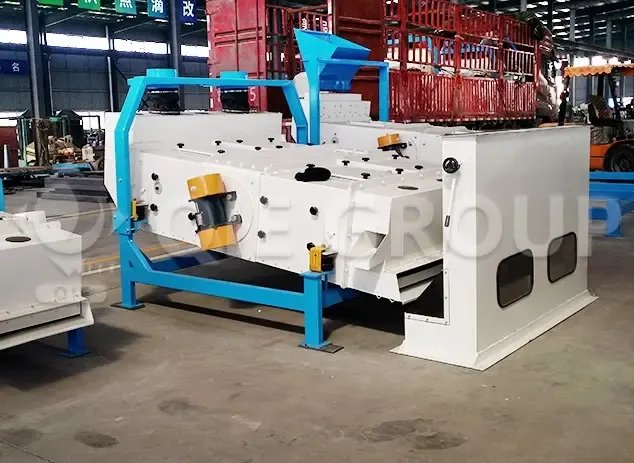
Tanzanian seeds harvested in drying yards often carry field dust, plant stems, and sand.
Sunflower seed hulls contain virtually no oil but absorb high-value lipids during pressing.
To meet TBS Grade 1 retail standards in Tanzania, crude oil undergoes five refining steps:
Solution details: Precision dehulling ➔ Pre-pressing ➔ Compact solvent extraction loop ➔ Semi-continuous refining & automatic winterization unit ➔ Biomass boiler system. Fully compliant with TBS and Codex Alimentarius benchmarks.
Investors must obtain a business license from BRELA, environmental clearance from the NEMC, workplace safety registration with OSHA, and product quality certification from the Tanzania Bureau of Standards (TBS) before retail distribution.
Without low-temperature dewaxing, natural waxes inside sunflower seeds will form visible white clouds or sediment when bottled oil is exposed to low ambient temperatures. Dewaxed oil guarantees long-term transparency and premium market positioning.
With average raw seed oil content between 42%–48%, an integrated line with solvent extraction recovers 400 kg to 450 kg of refined edible oil per ton of raw seeds.
Before requesting an engineering proposal or quote, defining your basic site parameters allows our engineering team to generate an exact CAD layout, power consumption sheet, and ROI model.
 Bangladesh rice bran oil plant rice bran oil production line rice bran oil extraction equipment rice bran oil refining equipment rice bran oil investment Bangladesh rice bran oil plant setup
Small edible oil processing plant Prospects for small oil refineries Edible oil factory construction Small oil plant equipment Edible Oil Processing Plant Costs Oil Refinery Profit Analysis Oil refinery investment Edible oil processing equipment
Rice bran oil pretreatment equipment Rice bran expansion and extraction production line Rice bran oil refining equipment Rice bran oil production line turnkey project Small rice bran oil production line configuration plan Price of 50 tons per day rice bran oil equipment
Small oil press equipment How much does it cost to open an oil mill? Selection of edible oil processing equipment A Beginner's Guide to Opening an Oil Plant Oil mill investment budget Edible oil production line
Cottonseed oil refining machine Cottonseed oil refining production line Cottonseed oil refining equipment in edible oil factory Small cottonseed oil refining machine price Cottonseed oil refining equipment
Bangladesh rice bran oil plant rice bran oil production line rice bran oil extraction equipment rice bran oil refining equipment rice bran oil investment Bangladesh rice bran oil plant setup
Small edible oil processing plant Prospects for small oil refineries Edible oil factory construction Small oil plant equipment Edible Oil Processing Plant Costs Oil Refinery Profit Analysis Oil refinery investment Edible oil processing equipment
Rice bran oil pretreatment equipment Rice bran expansion and extraction production line Rice bran oil refining equipment Rice bran oil production line turnkey project Small rice bran oil production line configuration plan Price of 50 tons per day rice bran oil equipment
Small oil press equipment How much does it cost to open an oil mill? Selection of edible oil processing equipment A Beginner's Guide to Opening an Oil Plant Oil mill investment budget Edible oil production line
Cottonseed oil refining machine Cottonseed oil refining production line Cottonseed oil refining equipment in edible oil factory Small cottonseed oil refining machine price Cottonseed oil refining equipment




.png?x-oss-process=image/resize,h_100,m_lfit/format,webp)
.png?x-oss-process=image/resize,h_100,m_lfit/format,webp)
.png?x-oss-process=image/resize,h_100,m_lfit/format,webp)


