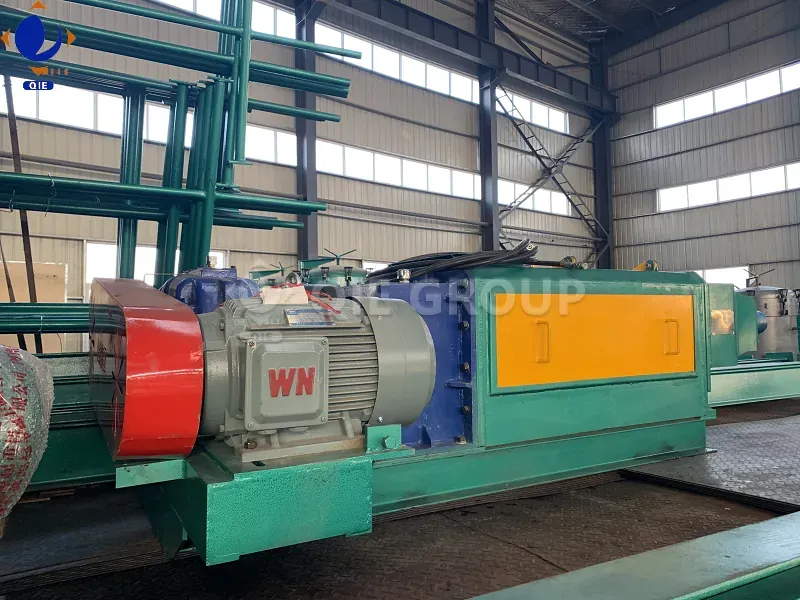
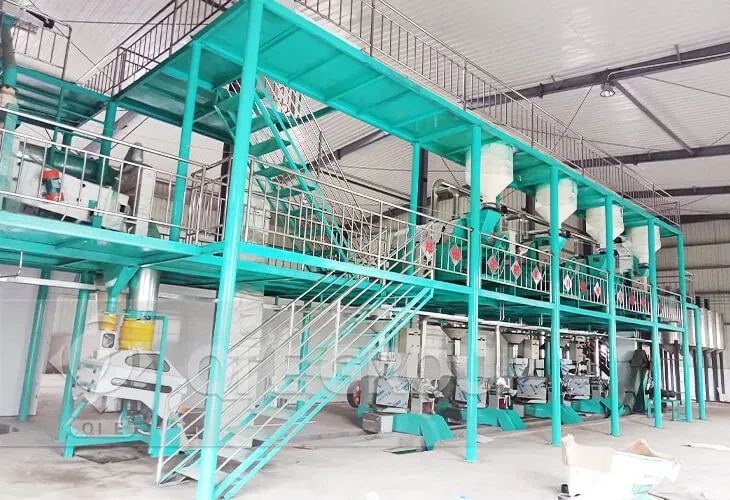
Sunflower seeds exhibit a unique dual physical property: a high oil content (40%–50%) and a high shell/hull ratio (30%–40%). The hull provides the necessary structural "scaffolding" inside the screw press during mechanical extraction, yet it acts like a sponge, absorbing oil, releasing natural waxes, and darkening the oil's color. Therefore, the core challenge in plant design is finding the optimal economic equilibrium between structural support, maximum oil extraction, and refining overheads.
This guide serves as a comprehensive technical and commercial roadmap to help facility decision-makers evaluate raw materials, select process routes, and calculate return on investment (ROI).
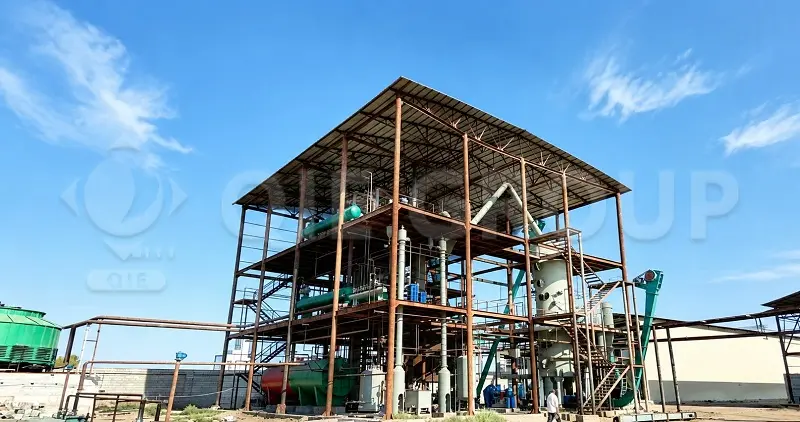
Before material enters the solvent extraction shop, the dehulling decision made during pretreatment represents the first major financial and technical milestone.
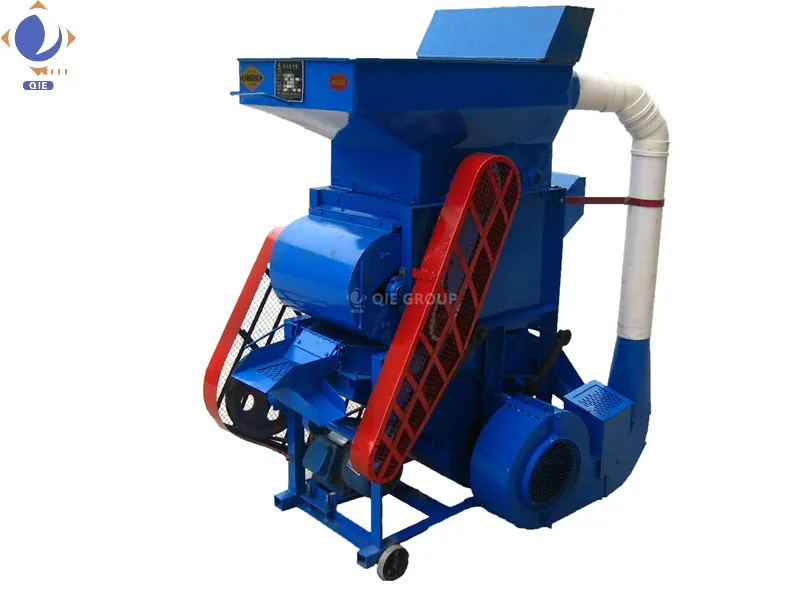
| Comparison Dimension | Dehulling Process Route | Non-Dehulling Process Route |
|---|---|---|
| Typical Pretreatment Flow | Cleaning → Dehulling / Kernel-Hull Separation → Crushing → Cooking & Conditioning | Cleaning → Crushing → Cooking & Conditioning |
| Initial Investment (CAPEX) | Higher (Requires dehullers, aspirators, shell separators, and precise conditioning units) | Lower (Streamlined workflow without dehulling and hull separation equipment) |
| Pressing / Pre-Pressing | Pure kernels can cause slippage or paste formation; requires strict thermal cooking to solidify proteins. | Hulls provide a natural fiber framework, ensuring smooth material conveyance and high operational tolerance. |
| Oil Yield & Absorption Loss | Maximum Yield. No hull absorption losses; residual oil remains strictly in the meal. | Slightly Lower. Hulls absorb a portion of the oil and increase overall dry matter loss. |
| Refining Overhead (OPEX) | Low. Crude oil contains fewer pigments and low wax levels, reducing bleaching earth consumption. | High. Crude oil is darker and rich in wax, requiring intensive decolorization and extended dewaxing cycles. |
| By-Product (Meal) Value | High-protein sunflower meal commanding premium prices in global livestock markets. | High-fiber sunflower meal with lower crude protein content. |
| Market Positioning | Premium Grade 1 light-colored, odorless, high-purity cooking oil. | Economic-grade cooking oil or aromatic oil for regional flavor preferences. |
Select Dehulling: If your target plant capacity is ≥ 100 TPD and your local market demands premium, crystal-clear refined cooking oil. The price premium from high-protein meal combined with savings on bleaching earth and steam during refining easily offsets the initial investment in dehulling equipment.
Select Non-Dehulling: If you are operating on a tight initial budget, lack a local premium market for high-protein meal, or cater to markets that prefer aromatic, dark-colored oil, the non-dehulled path is a pragmatic, rapid-deployment choice.
Industrial sunflower oil extraction requires a seamlessly integrated engineering loop spanning four core operational sections.
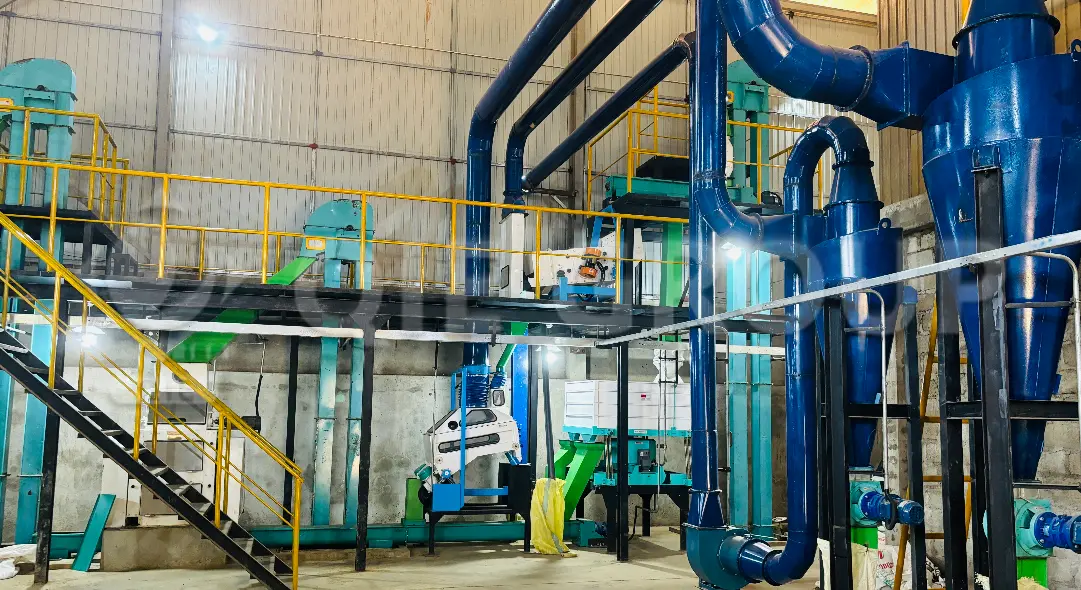
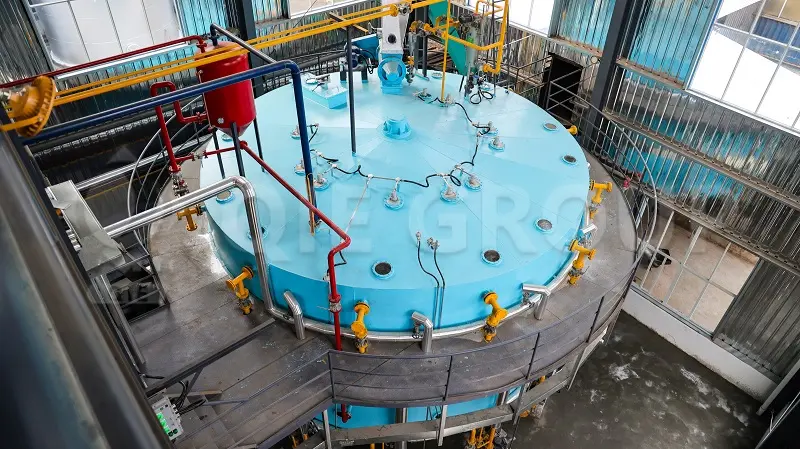
Refining converts crude solvent-extracted oil into fully compliant, high-grade edible oil:
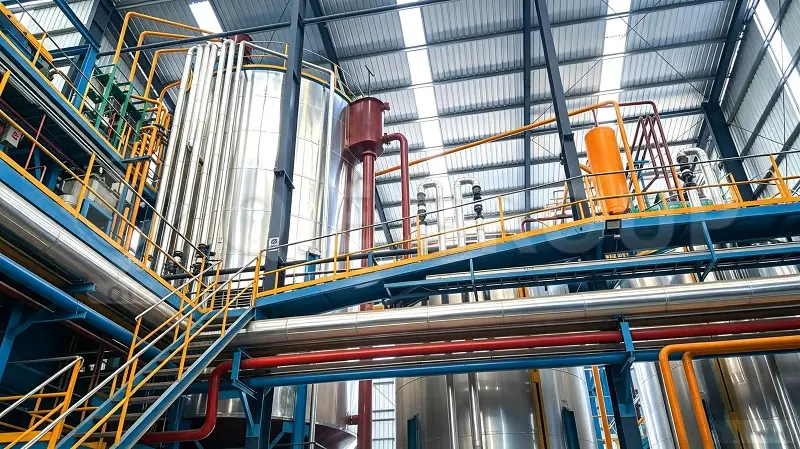
When evaluating a full Pre-Pressing + Solvent Extraction plant versus a traditional Pure Mechanical Pressing facility, the direct economic benefits are summarized below:
| Metric / Financial Impact | Pure Mechanical Pressing | QIE "Pre-Pressing + Solvent Extraction" | Daily / Annual Commercial Gain |
|---|---|---|---|
| Daily Seed Processing Capacity | 100 Tons | 100 Tons | — |
| Cake Residual Oil Rate | ≈ 6.5% | ≤ 0.5% | 6.0% Less Oil Wasted in Meal |
| Additional Daily Oil Recovered | — | ≈ 3.0 Tons | At $1,000/ton crude oil: +$3,000 / day |
| Annual Revenue Gain (300 Days) | — | — | +$900,000 / year |
| Heat Recovery Energy Savings | — | Vacuum Evaporation Thermal Recovery | 10%–15% Reduction in Steam Use |
Answer: Crude solvent-extracted oil must be refined before consumption. Modern vacuum stripping towers in the extraction section reduce solvent residue in crude oil to low levels, and subsequent deodorization in the refinery further reduces residual solvent content to ≤ 10 ppm (far below national and international food safety limits of 50 ppm), guaranteeing complete safety and compliance.
Answer: Sunflower hulls are a valuable byproduct. In modern facilities, they are utilized in two primary ways:
1. Biomass Pellets & Boiler Fuel: Hulls are compressed into fuel pellets to power the plant's steam boiler, supplying all required steam for cooking, desolventizing, and distillation while dramatically cutting energy bills.
2. Feed Fiber Adjustment: Hulls are blended back into sunflower meal at controlled ratios to produce customized animal feed grades tailored to local market specifications.
Answer: Sunflower seed hulls contain dense pigments and natural waxes. When processing whole seeds without dehulling, pressing forces these waxes and pigments directly into the crude oil. Consequently, the refinery must consume 1.5 to 2 times more bleaching earth for color removal and run longer cooling/crystallization cycles during winterization dewaxing, driving up chemical consumable costs and refrigeration energy requirements.
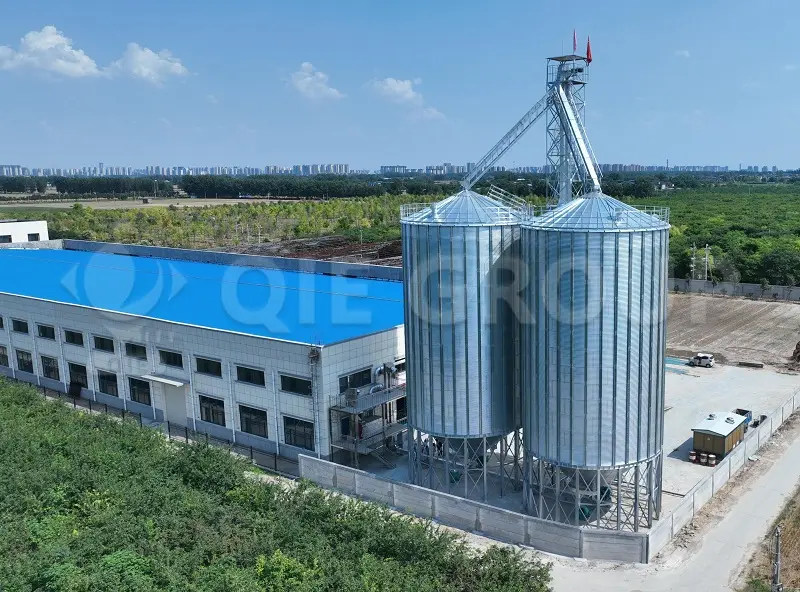
Successful industrial sunflower oil production is not simply a purchase of individual machines; it requires precise alignment between seed physical properties, thermal conditioning, solvent extraction mechanics, and refining dewaxing protocols.
As a global EPC and equipment manufacturing partner, QIE GROUP delivers turnkey solutions tailored to your operational goals:
We design custom dehulling ratios, pre-pressing parameters, and extraction plant layouts matched to your raw seed moisture, hull ratio, and target meal protein grades.
We manufacture heavy-duty Rotocel extractors, multi-stage DTDC desolventizer-toasters, energy-efficient vacuum evaporation systems, and automated PLC/SCADA control centers.
From civil engineering guidance and equipment manufacturing to site installation, commissioning, and technician training, we ensure rapid plant startup and guaranteed KPIs.
Contact QIE GROUP today to consult with our senior chemical and mechanical engineers for customized process engineering drawings, equipment quotes, and project ROI evaluations!
Contact QIE GROUP Engineers → complete rapeseed oil processing line rapeseed oil refinery rapeseed oil production plant rapeseed oil processing equipment pre-press solvent extraction
Oil refinery energy conservation and consumption reduction Oil and fat processing solutions Intelligent upgrading of oil plants Edible oil equipment renovation Oil refinery efficiency improvement and quality enhancement
sesame oil production line sesame oil extraction plant cost sesame oil processing plant sesame oil plant for sudan sesame oil production process
Palm kernel oil processing PKO processing high-yield palm kernel oil screw press solvent extraction turnkey oil processing
Palm oil processing plant turnkey projects Palm oil production Oil refining QIE Group
complete rapeseed oil processing line rapeseed oil refinery rapeseed oil production plant rapeseed oil processing equipment pre-press solvent extraction
Oil refinery energy conservation and consumption reduction Oil and fat processing solutions Intelligent upgrading of oil plants Edible oil equipment renovation Oil refinery efficiency improvement and quality enhancement
sesame oil production line sesame oil extraction plant cost sesame oil processing plant sesame oil plant for sudan sesame oil production process
Palm kernel oil processing PKO processing high-yield palm kernel oil screw press solvent extraction turnkey oil processing
Palm oil processing plant turnkey projects Palm oil production Oil refining QIE Group






.png?x-oss-process=image/resize,h_100,m_lfit/format,webp)
.png?x-oss-process=image/resize,h_100,m_lfit/format,webp)
.png?x-oss-process=image/resize,h_100,m_lfit/format,webp)