In the grand landscape of agricultural processing across Central Asia, Kazakhstan is rapidly transforming from a "raw material exporter" into a "high-value-added oil processing center." For global investors and oil mill builders, sunflower oil production lines in Kazakhstan are no longer simply a matter of buying and selling equipment, but a systematic project involving raw material supply chains, export tax rebate policies, automated energy management, and alignment with international standards.
As a leading global turnkey supplier of edible oil projects , QIE Group, drawing on its years of experience in implementing projects in Kazakhstan and Central Asia, provides an in-depth analysis of how to build an efficient and sustainably profitable sunflower oil production line.
Industry Trends: Why 2026 is the Best Time to Invest in Kazakhstan?
1. Policy dividends and investment subsidies
The Kazakh government is intensifying its efforts to restrict sunflower seed exports and is encouraging domestic processing through policies such as a 25% subsidy for equipment purchases and tax breaks. Investing in modern production lines not only secures a raw material advantage but also allows businesses to benefit from policy incentives.
2. Core production areas and raw material advantages
Kazakhstan boasts vast black soil regions (such as East Kazakhstan and North Kazakhstan), with stable annual sunflower seed production and an oil content as high as 45%-50%. Establishing an oil extraction and refining line locally can significantly shorten the logistics radius and reduce production costs.
3. Diversified export routes
Thanks to the Trans-Caspian International Transport Route (TITR), refined sunflower oil produced in Kazakhstan can be directly supplied to markets in China, the European Union, and the Middle East. With the surge in global demand for high-oleic, non-GMO oils, Kazakhstan has become a strategic supplier of high-quality sunflower oil.
Core process flow: From seed to international standard finished oil
QIE Group's production line solutions cover the entire process from raw material pretreatment, pressing, solvent extraction to refining and dewaxing, ensuring that products meet both EU and Chinese (GB) standards.
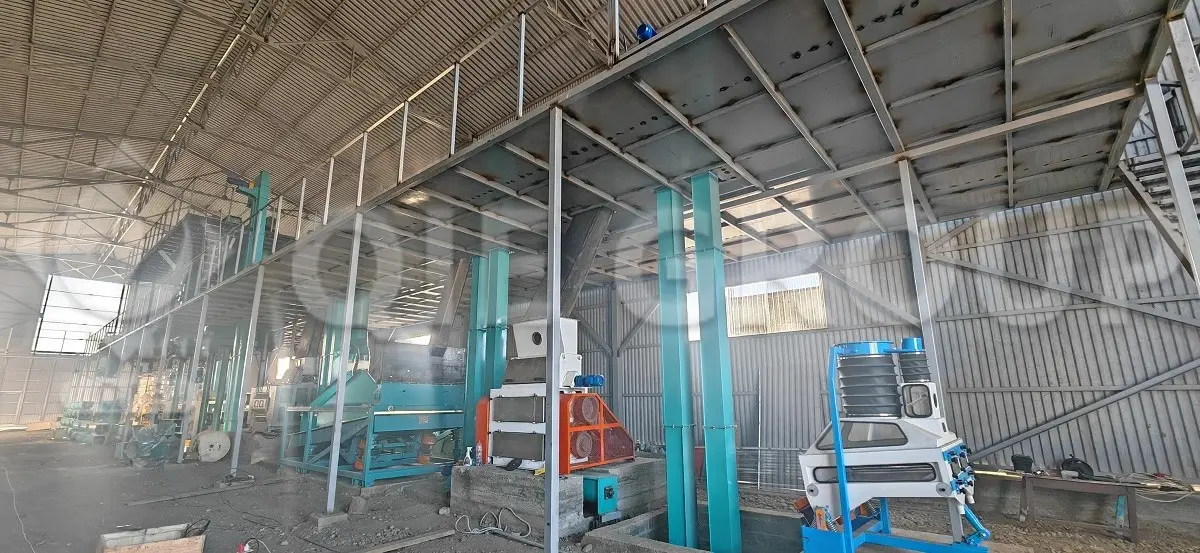
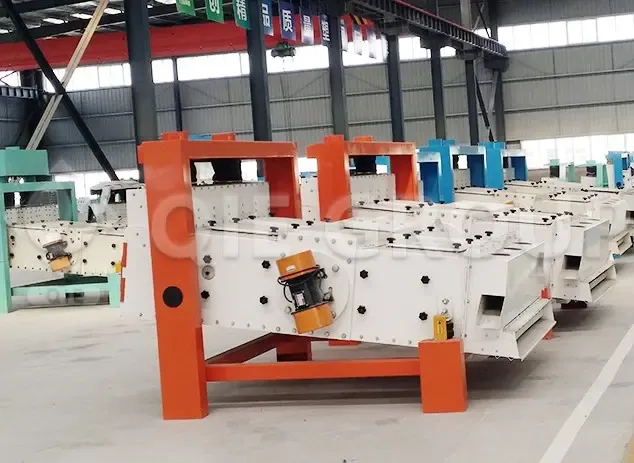
1. Efficient Pretreatment and Dehulling (Cleaning & Dehulling)
In response to the high shell content of sunflower seeds from Kazakhstan, we have developed a highly efficient shelling system.
Advantages: Dehulling improves the processing efficiency of the extractor, and the resulting sunflower seed meal has a protein content of over 38%, making it more competitive in the local feed market.
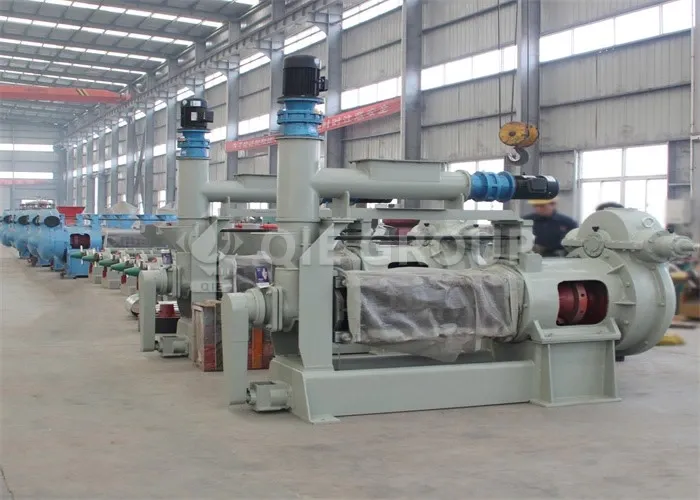
2. Pressing vs. Solvent Extraction
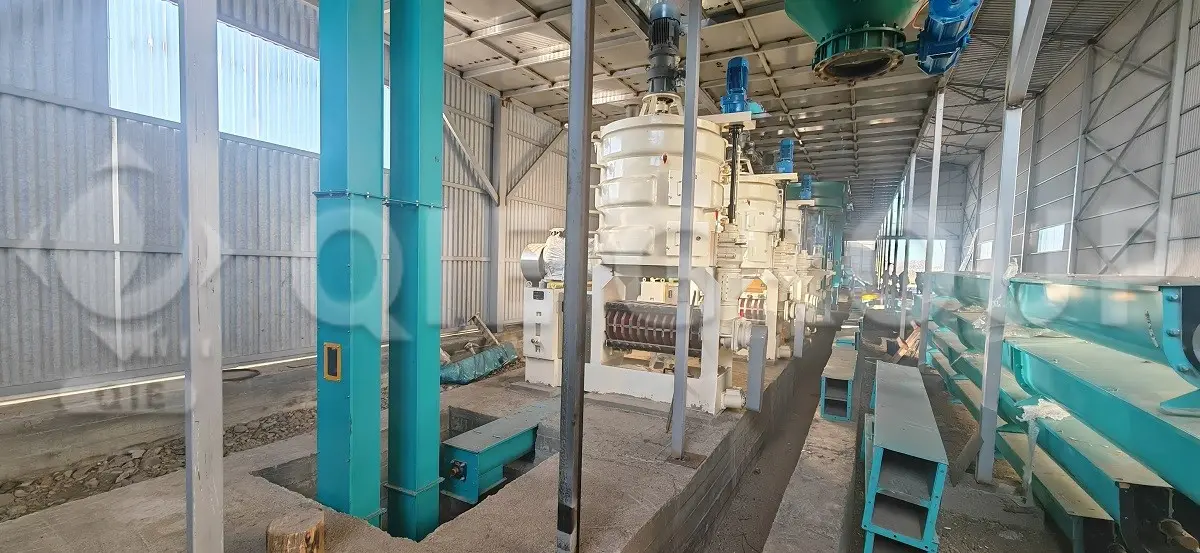
Small to medium scale (≤50TPD): Uses full pressing process to retain the natural flavor of oil.
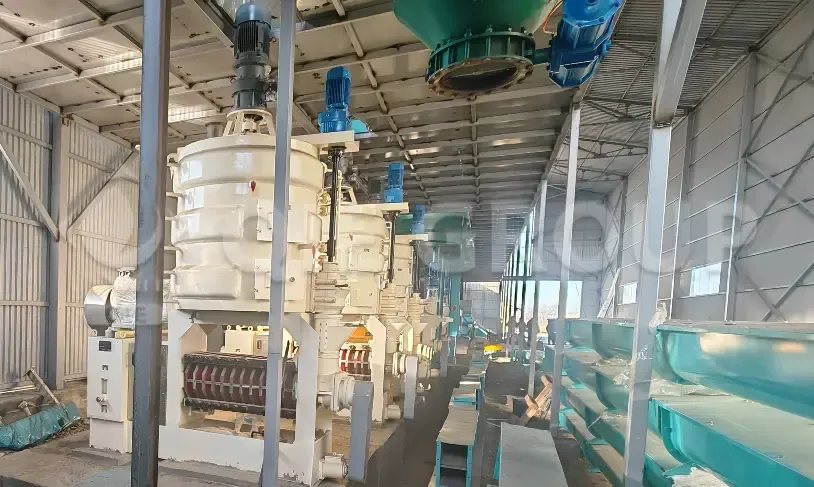
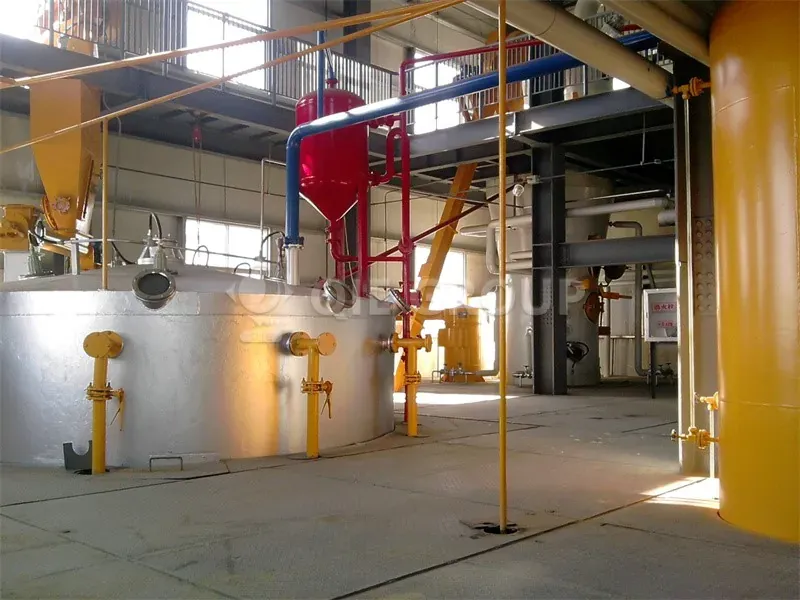
Large and medium scale (≥100TPD): adopts the "pre-pressing + leaching" process. Through DTDC negative pressure desolventizing technology, the residual oil in the cake is ≤0.5%, maximizing the extraction of every drop of profit.
3. The Crucial Refining and Dewaxing Processes
The quality of sunflower seed oil depends on the refining process.
Decolorization and deodorization: Removes impurities and odors, and improves the smoke point.
Winterization: Kazakhstan experiences long and cold winters. Our continuous crystallization dewaxing technology ensures that the finished oil remains clear and transparent for 24 hours at low temperatures, preventing flocculent sedimentation and meeting the demands of high-end bottled retail.
QIE Group Production Line Configuration Solution: Tailor-made, Showcasing Advantages
QIE Group provides modular and scalable sunflower oil production line solutions based on clients' investment budgets, raw material characteristics, target markets (crude oil, grade 1 oil, high oleic oil, etc.) and capacity requirements (e.g., 30TPD, 100TPD, 300TPD, 1000TPD+).
Flexible capacity configuration: We offer pure pressing lines (small to medium-sized), pressing + solvent extraction lines (medium to large-sized), and refining lines (which can be independent or integrated). Phased construction is supported.
High degree of automation: The PLC + SCADA intelligent control system enables real-time monitoring and automatic adjustment of key process parameters (temperature, pressure, flow rate, material level), reducing reliance on manual labor and improving production stability and product consistency.
Energy-saving design: The system integrates heat recovery (such as leaching DT steam utilization and refining heat exchange), high-efficiency motors, and frequency conversion control, significantly reducing the operating energy consumption in the cost of sunflower oil processing plants.
Waste recycling: Press cake/leached meal is a high-quality protein feed ingredient. The QIE program considers cooling, crushing, baling, or direct use of the cake in feed mills to achieve resource recycling and additional revenue. Deodorized distillate can be collected for fatty acid extraction.
Investment and Cost Structure Analysis
To help investors intuitively assess the costs of sunflower oil processing plants, we have compiled the following table based on actual local operating data:
| Investment Dimensions |
30-50 TPD (crushed + refined) |
200-500 TPD (Pre-pressed + Leached + Refined) |
| Estimated equipment investment (CAPEX) |
$300,000 - $550,000 |
$1,500,000 - $3,500,000+ |
| Land area requirements |
1,500 - 2,500 m² |
8,000 - 15,000 m² |
| Key energy consumption indicators |
35-50 kWh/ton of oil |
25-35 kWh/ton of oil (economies of scale) |
| Automation level |
Semi-automatic/instrument control |
PLC + SCADA fully automatic control |
| Expected Return on Investment (ROI) |
2.5 - 4 years |
3-5 years |
Experts suggest that raw material procurement accounts for approximately 75%-80% of operating costs. The QIE solution, through high-efficiency motors and heat recovery systems (such as the utilization of secondary steam from solvent extraction), can reduce monthly operating expenses for factories by about 15%.
QIE Group's Turnkey Project Capabilities: From Solution Design To Stable Production
As a turnkey edible oil supplier with decades of experience in the oil and fat industry, we have numerous successful cases in Kazakhstan:
Localized design: The equipment fully complies with the GOST standard of Kazakhstan and the Eurasian Economic Union, and the control system supports switching between Chinese, Russian and English.
One-stop delivery: From initial factory site selection advice, process package design, and equipment manufacturing to on-site installation, commissioning, and operator training, we provide end-to-end services.
Intelligent automation: By introducing a remote diagnostic system, our engineers can assist in resolving technical problems via the cloud, even during production operations.
After-sales support: We have a dedicated service team and spare parts warehouse in Central Asia to ensure the stable operation of the production line.
FAQ
Q: What core certificates are required for building a new oil refinery in Kazakhstan?
A: In addition to standard business registration, you need to focus on the Environmental Impact Assessment (EIA) and pressure vessel safety certificates that comply with GOST or EAEU certifications. All equipment supplied by QIE comes with relevant international certifications to help you pass acceptance quickly.
Q: How many workers are needed for a production line with a capacity of 100 tons/day?
A: After adopting the QIE fully automatic PLC control system, only 3-4 operators are needed per shift in the main workshop to complete the monitoring of the entire process from raw material entry to finished oil production.
Q: Is sunflower seed meal, a by-product, easy to sell?
A: Kazakhstan is a major livestock producer. High-protein meal after leaching is a high-quality additive for cattle and sheep feed, with huge market demand, typically covering about 15%-20% of a factory's operating costs.
Q: Why is dewaxing necessary in the refining stage?
A: Sunflower seed oil contains a significant amount of natural wax, which can easily affect the clarity of the oil at low temperatures, especially if it is targeted at bottled retail or some export markets. Dewaxing helps improve the appearance stability and market acceptance of the finished product, and is particularly important in high-standard channels.
Seize The Window Of Opportunity For Sunflower Seed Oil Processing in Kazakhstan
Kazakhstan's abundant sunflower seed resources, favorable policy guidance, and promising export prospects present an excellent opportunity to invest in and build a modern sunflower oil production line. Choosing a technologically advanced, experienced, and reliable partner is crucial.
QIE Group, as a professional turnkey supplier of edible oil projects, possesses the technical expertise and project delivery capabilities for complete oil extraction and refining production lines, from raw material processing to finished oil bottling. We are committed to helping our clients optimize sunflower seed oil production line costs, achieve efficient, stable, and profitable production operations, and jointly explore the sunflower seed oil market demand in Kazakhstan.


.png?x-oss-process=image/resize,h_100,m_lfit/format,webp)
.png?x-oss-process=image/resize,h_100,m_lfit/format,webp)
.png?x-oss-process=image/resize,h_100,m_lfit/format,webp)