For investors planning to enter the edible oil processing industry, one of the most common questions is: "How much does it cost to build a soybean oil extraction plant?"
Typical equipment and engineering investment for a soybean oil extraction plant generally ranges from USD 150,000 to over USD 8 million, depending on plant capacity, processing technology, automation level, refining configuration, and project scope.
Rather than focusing solely on equipment prices, investors should select the most suitable processing solution based on their production goals. The right process configuration affects not only the initial investment but also future operating costs, oil recovery, production efficiency, and long-term return on investment.
The table below provides a general investment overview for different soybean processing capacities.
| Plant Capacity | Recommended Process | Estimated Investment (USD) | Typical Applications |
|---|---|---|---|
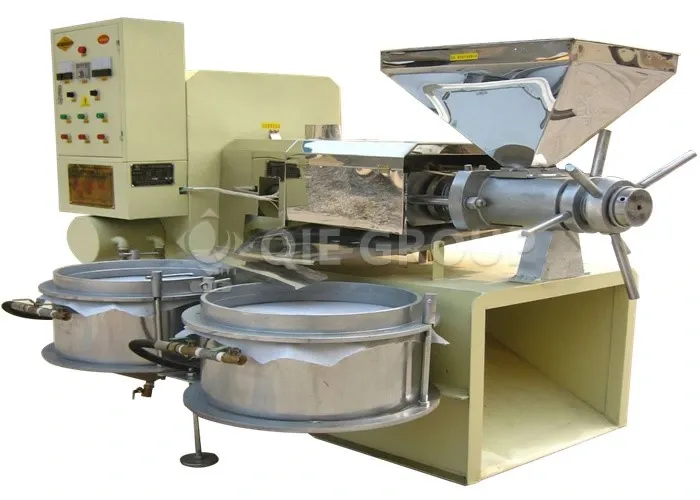
| 20–30 TPD | Mechanical Pressing | $150k–350k | Small oil mills, startups, local food processors |
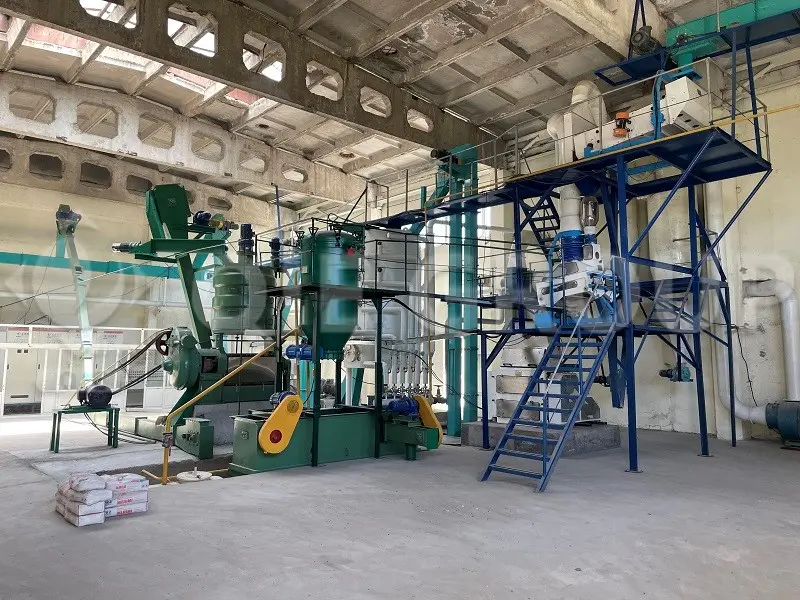
| 50–100 TPD | Pre-Pressing + Solvent Extraction (Optional Refining) | $700k–1.5M | Regional edible oil producers |
| 100–300 TPD | Pre-Pressing + Extraction + Refining or Direct Extraction | $1.5M–4M | Medium and large edible oil processing companies |
| Above 300 TPD | Continuous Solvent Extraction & Refining EPC Plant | $4M–8M+ | Large grain & oil groups, industrial-scale manufacturers |
Many investors receive quotations from several equipment manufacturers and are surprised to find that prices for the same 100 TPD soybean oil extraction project may differ by hundreds of thousands or even millions of dollars. This difference is usually not caused by equipment quality alone. It mainly results from differences in overall project configuration.
Larger plants require higher total investment, although the investment per ton of capacity generally decreases.
Mechanical pressing requires simpler equipment, while solvent extraction plants requires extractors, desolventizers, evaporators, solvent recovery, and explosion-proof designs—increasing initial investment for significantly higher oil recovery.
Producing crude soybean oil requires fewer processing steps than producing refined edible oil.
Manual operation, PLC automatic control, and SCADA intelligent control systems have vastly different capital requirements.
VOC treatment, solvent recovery, fire protection, and explosion-proof systems directly shape project investment.
Equipment supply only is vastly different from a full EPC turnkey solution covering design, procurement, installation, commissioning, and training.
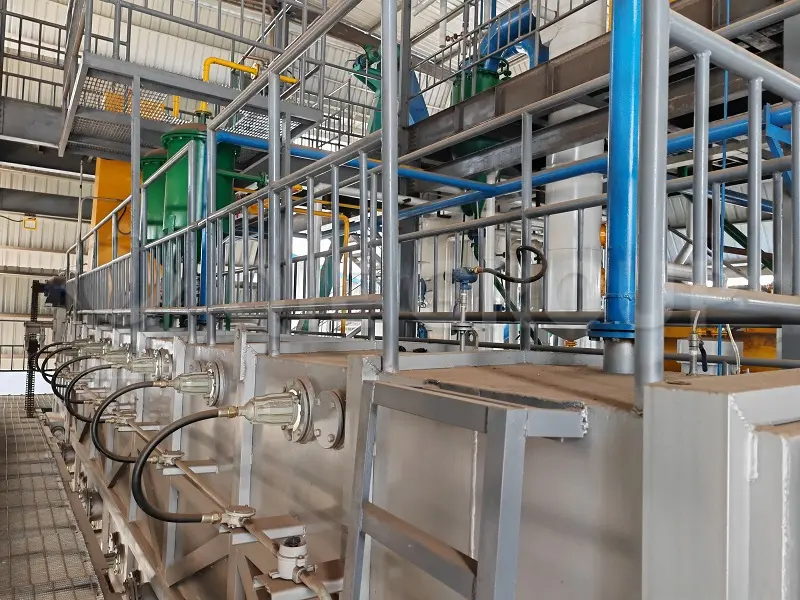
Many investors assume that purchasing equipment represents the entire project cost. In reality, equipment is only one part of the total investment. A complete soybean oil extraction plant includes:
| Investment Category | Main Components |
|---|---|
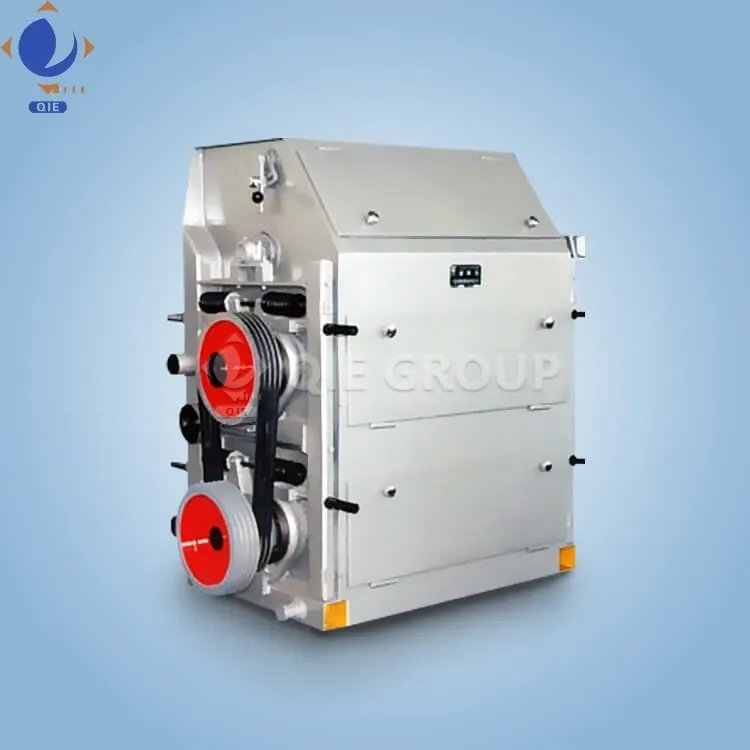
| Pretreatment System | Cleaning, crushing, dehulling, conditioning, flaking, cooking |
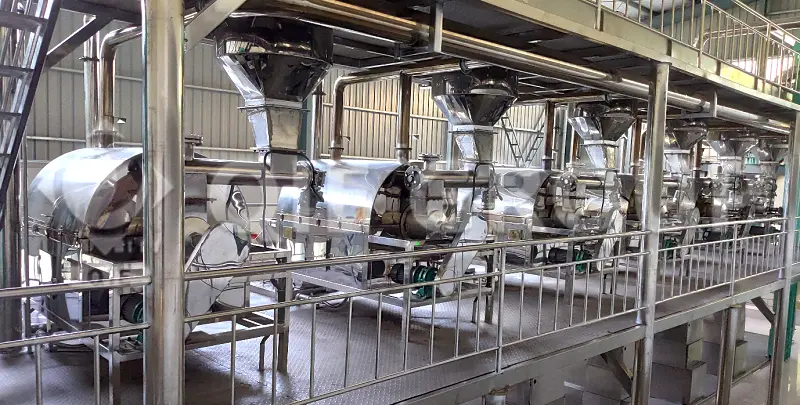
| Oil Extraction System | Oil presses, loop type extractor, desolventizer, mixed oil evaporation and stripping system |
| Solvent Recovery System | Condensers, solvent recovery and recycling equipment |
| Refining System | Degumming, deacidification, bleaching, deodorization |
| Utility Systems | Boiler, cooling tower, air compressor, circulating water system, electrical distribution |
| Automation System | PLC control, online monitoring, SCADA system (for large plants) |
| Installation & Commissioning | Equipment installation, system commissioning, operator training |
| Other Costs | Freight, spare parts, initial working capital |
* If an EPC turnkey solution is selected, engineering design, project management, construction supervision, and technical support are also included.
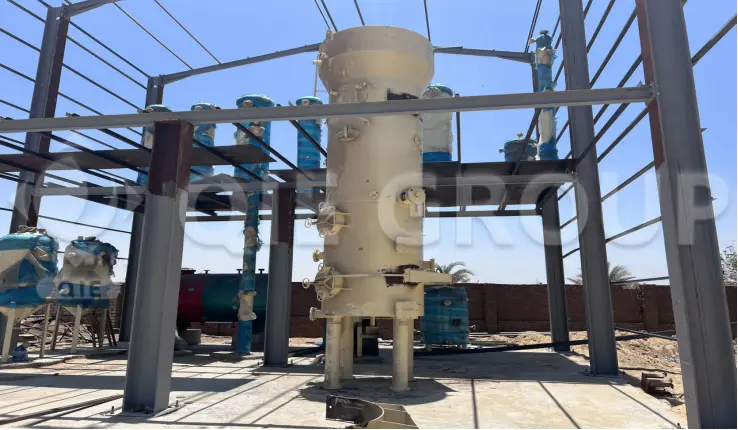
Suitable for investors with limited budgets or companies entering the edible oil industry for the first time.
One of the most widely used processing solutions and the preferred choice for medium-sized edible oil manufacturers.
Compared with mechanical pressing, the soybean oil extraction process using pre-pressing followed by solvent extraction recovers significantly more oil from soybean meal, reducing residual oil content to approximately 0.5% or below and improving overall profitability. A refining plant can be integrated seamlessly.
Projects of this scale place greater emphasis on continuous production and automation. They are typically equipped with PLC control systems, energy-saving evaporation systems, heat recovery technology, and environmental protection facilities, maintaining high product quality while lowering long-term OPEX.
Large industrial projects adopt continuous solvent extraction, continuous refining, and SCADA intelligent control systems. Although initial investment is higher, these plants achieve lower energy consumption per ton of oil, higher production efficiency, easier expansion, and stronger long-term competitiveness.
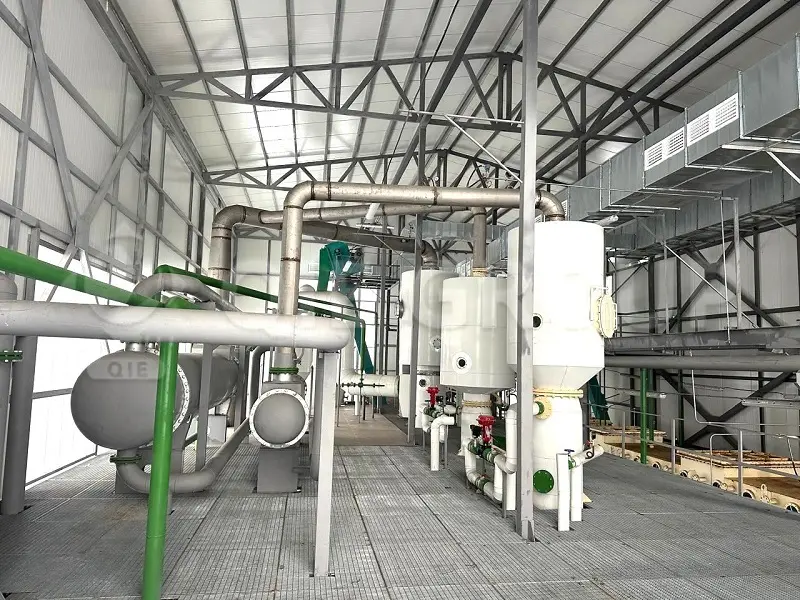
Focus on total life-cycle cost, not just cheapest equipment:
Incorporate these expenses early to prevent budget deficits:
| Project Objective | Recommended Solution |
|---|---|
| Limited investment budget | Mechanical Pressing |
| Maximize oil recovery | Pre-Pressing + Solvent Extraction |
| Produce edible soybean oil | Extraction + Refining |
| Large-scale continuous production | Continuous Extraction & Refining Plant |
| Future expansion planned | Modular plant design with expansion capability |
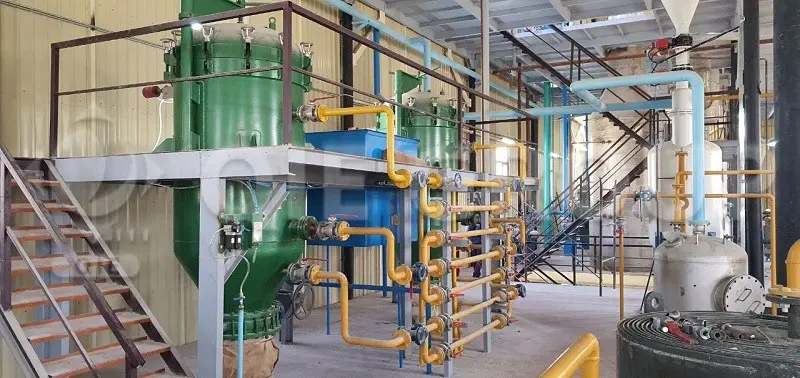
For standard crude soybean oil with moderate free fatty acids (FFA), Chemical Refining is widely preferred to eliminate gums and dark pigments effectively. Physical refining is structurally ideal for high-acid oils (like palm or rice bran) to prevent excessive neutral oil loss, whereas soybean oil benefits more from alkali neutralization for optimal color and shelf life.
Because solvent extraction uses hexane, plants must strictly comply with ATEX / Explosion-Proof standards for electrical components, gas leak detection, and automatic shutoff valves. Environmentally, closed-loop solvent recycling and VOC emission scrubbing systems are mandatory in most jurisdictions to meet local environmental impact assessments (EIA).
Under normal market conditions, most commercial soybean solvent extraction projects achieve ROI within 1.5 to 3 years. The exact payback period depends heavily on local soybean price fluctuations, regional oil and meal margins, plant capacity utilization, and energy consumption per ton.
Yes. A multi-seed production line can be designed by adjusting the pretreatment section (e.g., adding specialized dehulling, flaking, or conditioning units). With proper engineering, the solvent extraction system can flexibly process seeds like sunflower seed, canola/rapeseed, cotton seed, or peanut cake with minimal adjustment.
 sesame oil production line sesame oil extraction plant cost sesame oil processing plant sesame oil plant for sudan sesame oil production process
rice bran oil production line in Vietnam commercial rice bran oil mill cost rice bran stabilization process rice bran extraction plant
Palm oil yield increased Palm oil processing technology Palm oil pressing equipment FFB sterilization technology Palm oil EPC project
soybean pre-treatment soybean oil production line soybean oil processing plant solvent extraction efficiency oilseed pre-treatment equipment
soybean oil processing plant start soybean oil business edible oil extraction machine soybean meal production soybean oil solvent extraction
sesame oil production line sesame oil extraction plant cost sesame oil processing plant sesame oil plant for sudan sesame oil production process
rice bran oil production line in Vietnam commercial rice bran oil mill cost rice bran stabilization process rice bran extraction plant
Palm oil yield increased Palm oil processing technology Palm oil pressing equipment FFB sterilization technology Palm oil EPC project
soybean pre-treatment soybean oil production line soybean oil processing plant solvent extraction efficiency oilseed pre-treatment equipment
soybean oil processing plant start soybean oil business edible oil extraction machine soybean meal production soybean oil solvent extraction





.png?x-oss-process=image/resize,h_100,m_lfit/format,webp)
.png?x-oss-process=image/resize,h_100,m_lfit/format,webp)
.png?x-oss-process=image/resize,h_100,m_lfit/format,webp)