
Building a shea butter processing plant involves much more than purchasing an oil press A reliable plant requires coordinated planning for raw material preparation, oil extraction, clarification, storage, optional refining or fractionation, utilities, equipment integration, installation, and commissioning.
The right process depends on the condition of the shea raw material, target product, required capacity, local utilities, and final market. An experienced EPC supplier should therefore design the plant around the specific project rather than simply provide a standard equipment package.
Before designing a plant, it is important to define the target product correctly.
Shea butter is the main fat product obtained from shea kernels. Depending on the production route and final specification, it may be sold as an unrefined or refined ingredient.
If further processing is required, shea butter can also be separated into different fractions, such as shea olein and shea stearin, for applications with different melting and functional characteristics.
Therefore, terms such as “shea butter oil,” “shea oil,” “shea butter,” “shea olein,” and “shea stearin” should not automatically be treated as interchangeable products. Confirm the target specification before selecting the process route.
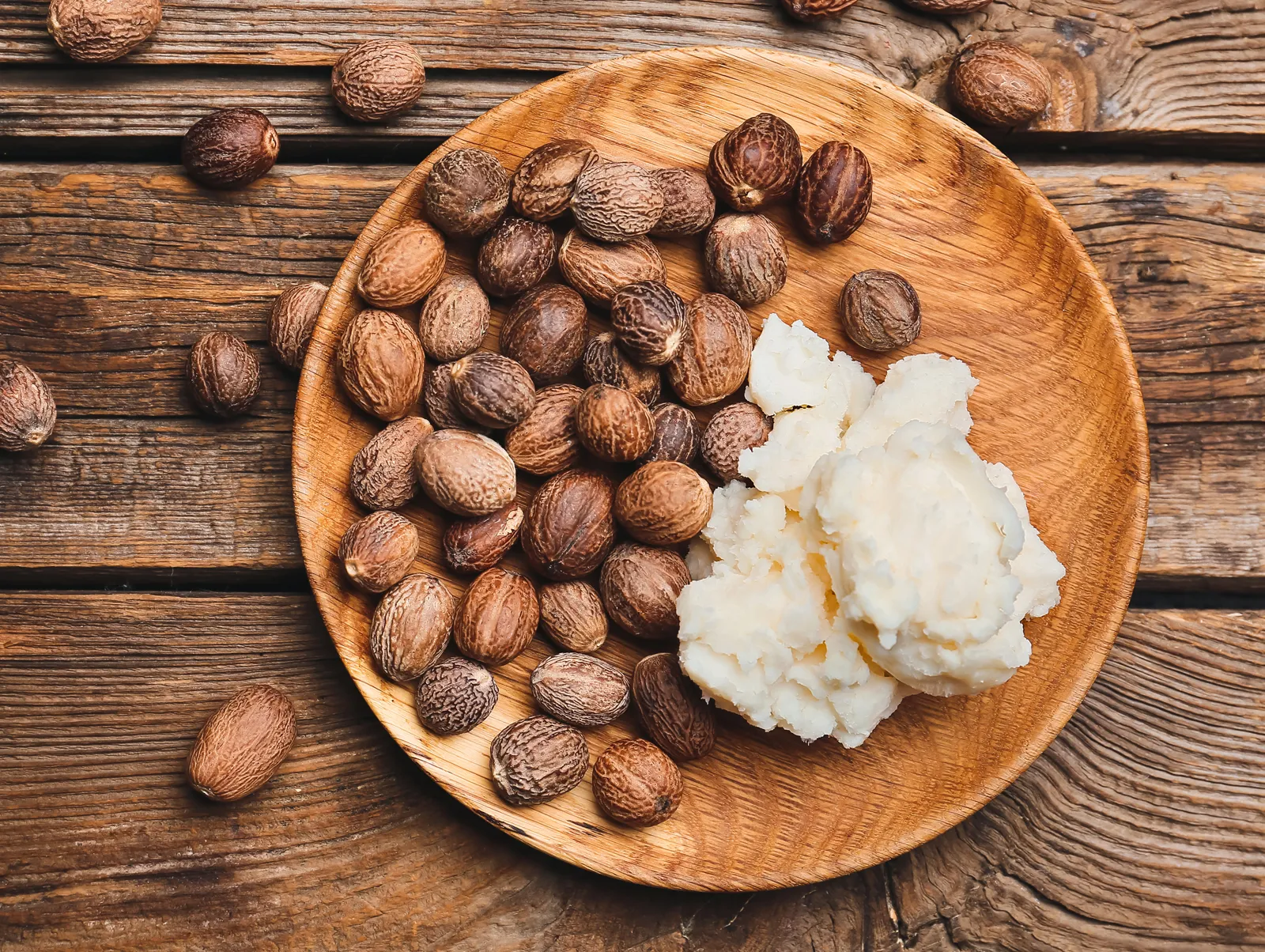
Key point: Refining or fractionation is not automatically required for every shea butter factory. The process should be designed according to the final product and customer specification.
Shea oil processing can generally use mechanical pressing or solvent extraction, depending on the project objectives, raw material characteristics, scale, and required oil recovery.
For projects focused on natural, minimally processed shea butter, mechanical pressing is often the most straightforward route.
The exact process should not be standardized for every project. Raw material quality, moisture, kernel condition, product specification, and production scale all affect the final process design.
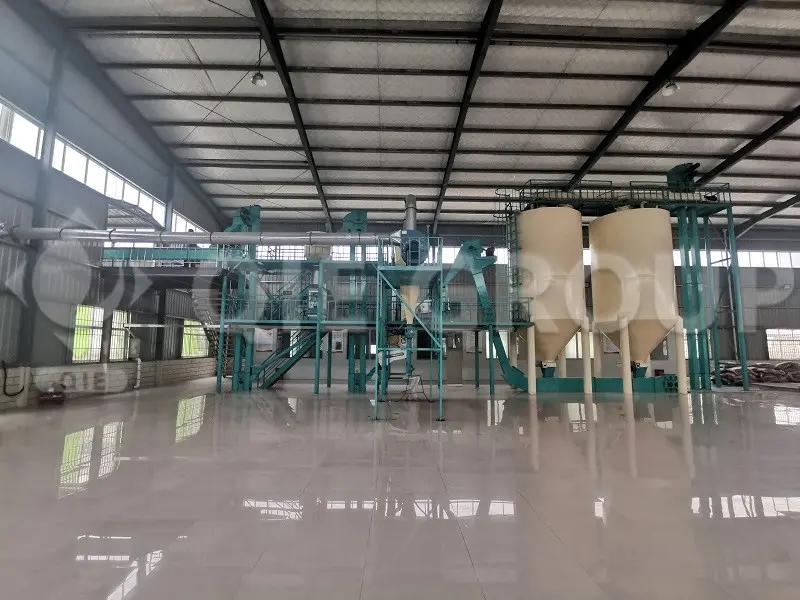
Raw material preparation is the foundation of stable pressing performance and product quality.
If the factory receives whole shea nuts, additional operations may be required before pressing, such as shell breaking and separation.
If the factory purchases cleaned shea kernels, some of these operations can be eliminated.
This protects downstream equipment and reduces unnecessary wear. Vibrating screens, magnetic separators, and destoners can be configured according to the type and level of impurities present.
After cleaning, shea kernels may be crushed to achieve a more suitable particle size. Crushing increases the available surface area and helps disrupt part of the cellular structure of the material, creating better conditions for oil release during pressing. The crusher type should be selected according to the raw material condition and required particle size rather than using the same configuration for every plant.
Mechanical pressing extracts fat from prepared shea kernels through physical pressure. For projects targeting natural or minimally processed shea butter, pressing provides a relatively direct processing route without requiring solvent extraction. The two main press options are screw pressing and hydraulic pressing.
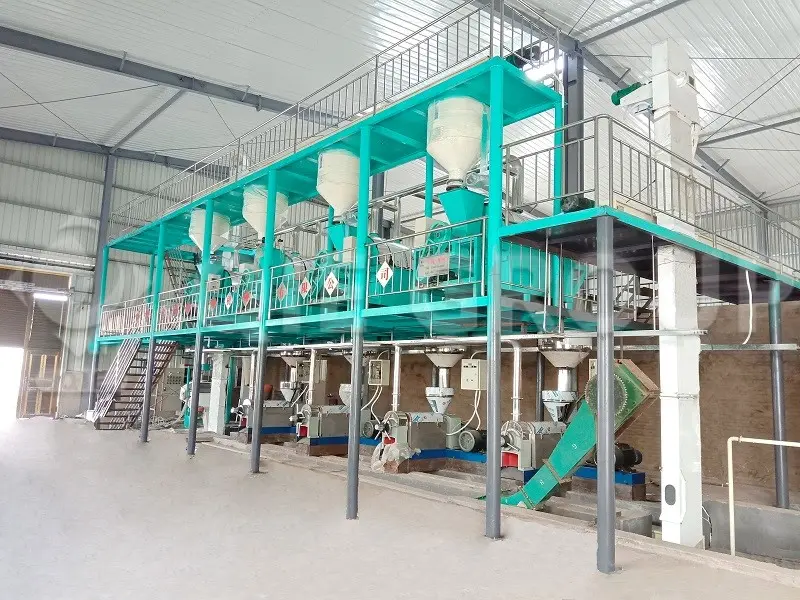
A screw oil press continuously conveys the prepared material through a pressing chamber. As the available space decreases, pressure is generated, and oil is released from the material.
Main characteristics:A screw press uses a rotating screw shaft to progressively convey and compress prepared material inside the pressing chamber. The resulting pressure allows oil to separate from the solid material while the press cake is discharged continuously. The actual capacity and operating parameters should be determined through process design and equipment selection rather than applying one fixed capacity to every shea project.
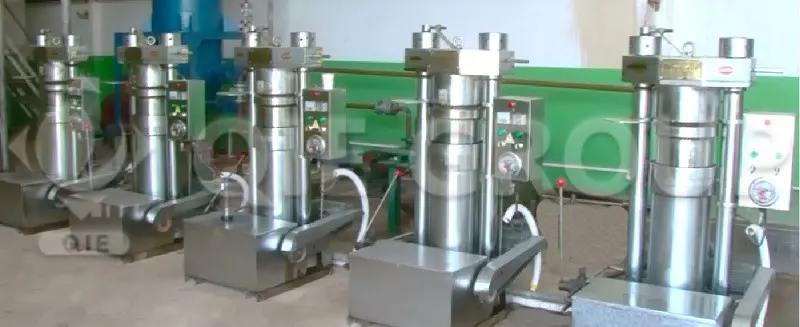
A hydraulic press applies static pressure to prepared material placed in the pressing chamber.
Main characteristics:Hydraulic pressing is a slower static pressing process in which prepared material is compressed under hydraulic pressure. It can be considered for smaller-scale or batch-oriented production where the operating model and product positioning favor batch processing.
The final choice should be based on capacity, product positioning, operating model, raw material characteristics, and investment objectives.
Freshly pressed shea butter may contain fine kernel particles and other suspended solids. Clarification is therefore an important step before storage or further processing. Two basic approaches are available:
The crude butter is held in a settling tank so heavier solid particles can separate by gravity.
Advantages include:Gravity settling allows heavier suspended solids to separate from freshly pressed shea butter while providing a relatively simple clarification method.
Filtration can provide faster clarification.
Possible equipment includes:The appropriate filtration level depends on the required product appearance and downstream processing requirements.
Not every shea butter plant requires a complete edible-oil-style refining line. If the target market accepts unrefined or minimally processed shea nut oil, pressing followed by settling or filtration may be sufficient. If the customer requires a more highly processed product, additional treatment can be designed according to the required specification.
Downstream system options:
Key principle: Do not select a complete refining line before defining the final product specification. A cosmetic ingredient, food ingredient, and specialty fat may have different quality requirements.
If the target products include shea olein and shea stearin, fractionation should be considered after producing the shea butter.
The fractionation system should be designed according to the required melting characteristics, product specifications, separation performance, and final applications.
Therefore, fractionation should be treated as an optional downstream process, not as a mandatory step for every shea butter factory.
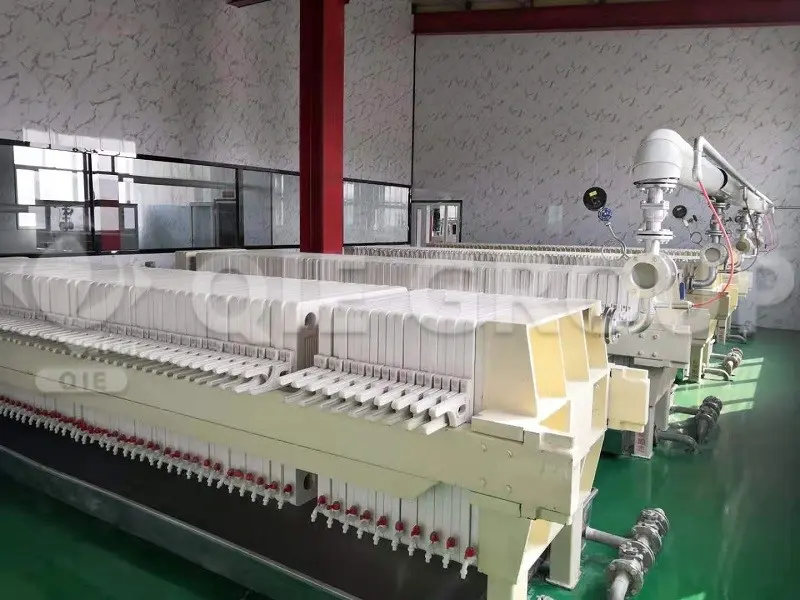
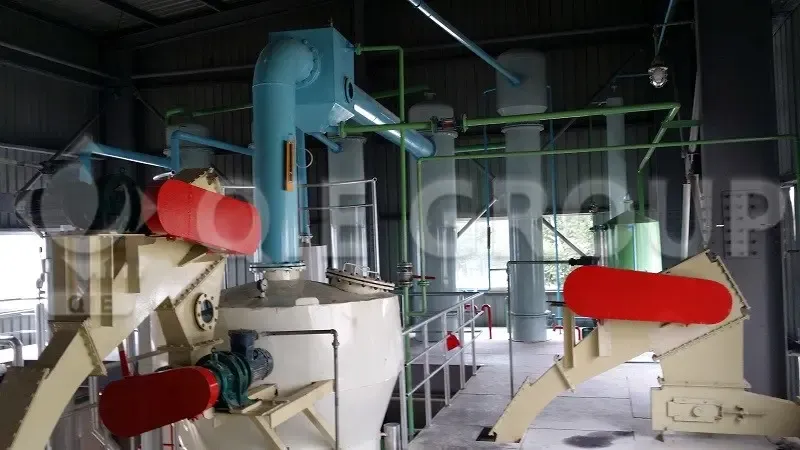
A proper factory design is more than arranging equipment inside a workshop. An experienced supplier should consider the complete flow of materials, oil/butter, utilities, personnel, waste and finished products when developing an EPC edible oil processing solution.
Plant capacity should be based on actual available raw material and planned operating days, rather than choosing a machine size first.
PRACTICAL PLANNING FORMULA
Required Daily Capacity ≈ Annual Available Shea Kernel Supply ÷ Planned Operating Days
Example: If a project has 3,000 tonnes of usable shea kernels available for processing and plans to operate for 120 production days: 3,000 ÷ 120 = 25 tonnes/day. (This is a planning calculation rather than a universal industry standard).
For seasonal raw materials, the project should also consider: Harvest season, Local collection network, Available storage, Kernel quality during storage, Planned maintenance days, Target equipment utilization, Market demand.
This prevents a common mistake: selecting plant capacity solely according to the size of the available equipment.
There is no single recovery rate that can be applied to every shea butter factory. The amount of recovered butter depends on:
It is also important to distinguish between fat content, theoretical recoverable fat, and actual plant recovery.
For an EPC project, the expected recovery should therefore be estimated from the customer's actual raw material analysis and the proposed process rather than using a generic online yield figure.
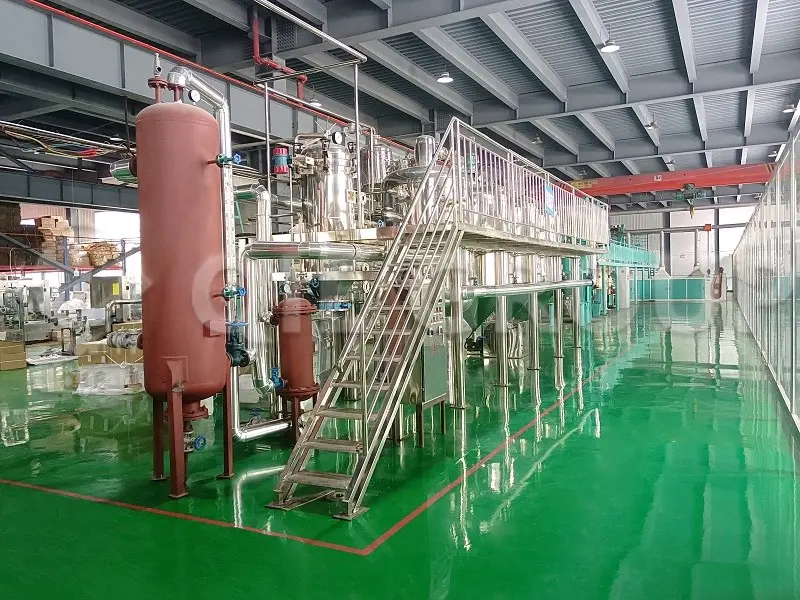
A qualified EPC supplier should integrate process engineering, equipment manufacturing, system integration, and project support. Depending on the contract scope, an EPC project may include:
Covers cleaning, crushing, presses, clarification, storage, optional refining/fractionation, and control systems.
Objective: Ensure that equipment interfaces and process parameters work together as a complete production system.
Provides technical planning for equipment arrangement, material flow, piping routes, utility connections, maintenance access, and expansion space.
Includes installation guidance, equipment inspection, trial operation, process parameter adjustment, commissioning support, and operator training.
Project documentation includes equipment manuals, operating instructions, spare-parts recommendations, and technical drawings according to the agreed project scope.
Important: EPC does not necessarily mean that the supplier undertakes every local construction activity. Civil construction, local permits, utility connections, and other site responsibilities should be clearly defined in the contract.
Price should not be the only factor when comparing suppliers.
Can the supplier explain why a particular process is suitable for your raw material and target product?
Does the supplier have its own manufacturing facilities and quality-control procedures for key equipment?
Ask for genuine reference projects with similar raw materials, capacities, or process requirements.
Can the supplier design a system around your actual raw material supply rather than simply offering a standard machine package?
Can the process and equipment be adjusted according to raw material condition, site requirements, local standards, and final product specifications?
Can the supplier coordinate equipment, piping, electrical systems, controls, and utilities as one production system?
Clarify whether installation guidance, commissioning, and operator training are included in the quotation.
Check what is included in the equipment price and what is excluded, including transportation, installation, civil works, utilities, spare parts, and taxes.
Ask for a recommended initial spare-parts list and clarify how technical support is provided after commissioning.
A professional supplier should clearly define: Supply scope, Design scope, Installation scope, Commissioning scope, Client responsibilities, Delivery conditions, Warranty, and Payment terms.
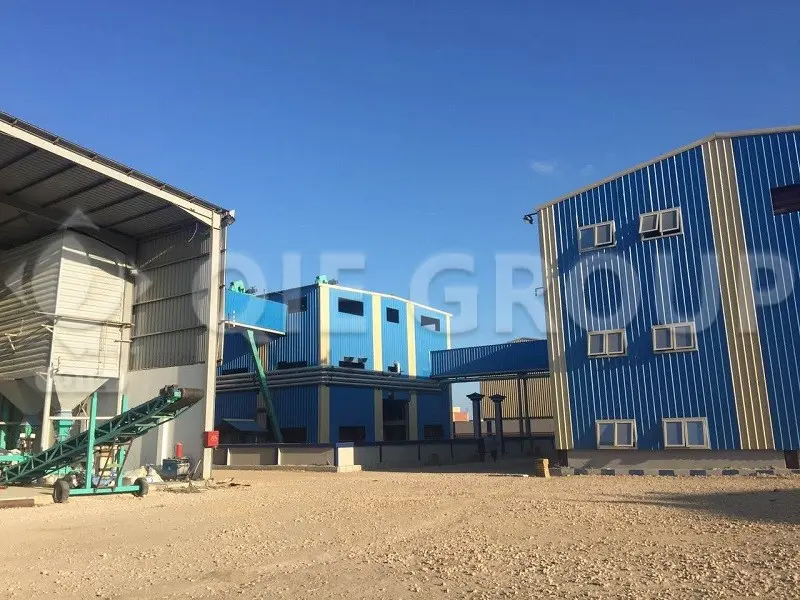
To prepare a meaningful shea butter factory proposal, the following information is especially useful:
The more complete this information is, the more accurately an EPC supplier can develop the process flow, equipment configuration, utility requirements, and investment estimate.
QIE GROUP also provides dedicated shea butter processing solutions and has experience supporting shea butter processing projects, including process design, equipment manufacturing, plant integration, and project support.
For a shea butter project, our approach is to start with the raw material and target product, then determine the appropriate process and equipment configuration.
Our support can include:QIE GROUP also provides dedicated shea butter processing solutions and has experience supporting shea processing projects. These capabilities can be considered when evaluating a new shea butter factory project.
Yes, mechanical pressing followed by appropriate clarification can be considered when the target product is intended for cosmetic applications. However, the required process and quality controls should be determined by the customer's final specification.
Potentially, but the front-end configuration will be different. Whole nuts may require cracking and shell/kernel separation, while prepared kernels can bypass these operations.
Storage conditions should be designed according to the product's physical characteristics, ambient temperature, and handling requirements. Shea butter is not managed exactly like a typical liquid vegetable oil, so storage and transfer equipment should be considered during plant design.
No. Solvent extraction is one possible extraction route, but mechanical pressing can be selected for projects focused on a physical extraction process. The appropriate route depends on capacity, raw material characteristics, recovery objectives, and product positioning.
Yes, expansion can be considered during the initial layout stage. Space for additional pressing capacity, storage, filtration, or downstream processing can be reserved where the site and project economics allow.
The first step is to define raw material condition, annual supply, target daily capacity, final product, and project location. These inputs allow the EPC supplier to determine the appropriate process route and equipment configuration.
 Palm kernel oil production equipment Palm Kernel Oil Processing Plant palm kernel oil production line Palm kernel oil pressing and refining palm kernel oil machine
complete rapeseed oil processing line rapeseed oil refinery rapeseed oil production plant rapeseed oil processing equipment pre-press solvent extraction
sunflower oil production line clear sunflower oil turnkey oil plant physical refining high-quality edible oil
South African peanut oil processing plant Peanut oil processing plant EPC Peanut oil refining equipment Edible oil turnkey project Investment in South African peanut oil mills
edible oil processing plant oilseed pretreatment extraction continuous oil refining system oil mill EPC turnkey solutions PLC SCADA oil plant automation
Palm kernel oil production equipment Palm Kernel Oil Processing Plant palm kernel oil production line Palm kernel oil pressing and refining palm kernel oil machine
complete rapeseed oil processing line rapeseed oil refinery rapeseed oil production plant rapeseed oil processing equipment pre-press solvent extraction
sunflower oil production line clear sunflower oil turnkey oil plant physical refining high-quality edible oil
South African peanut oil processing plant Peanut oil processing plant EPC Peanut oil refining equipment Edible oil turnkey project Investment in South African peanut oil mills
edible oil processing plant oilseed pretreatment extraction continuous oil refining system oil mill EPC turnkey solutions PLC SCADA oil plant automation





.png?x-oss-process=image/resize,h_100,m_lfit/format,webp)
.png?x-oss-process=image/resize,h_100,m_lfit/format,webp)
.png?x-oss-process=image/resize,h_100,m_lfit/format,webp)
.webp?x-oss-process=image/resize,h_800,m_lfit/format,webp)


