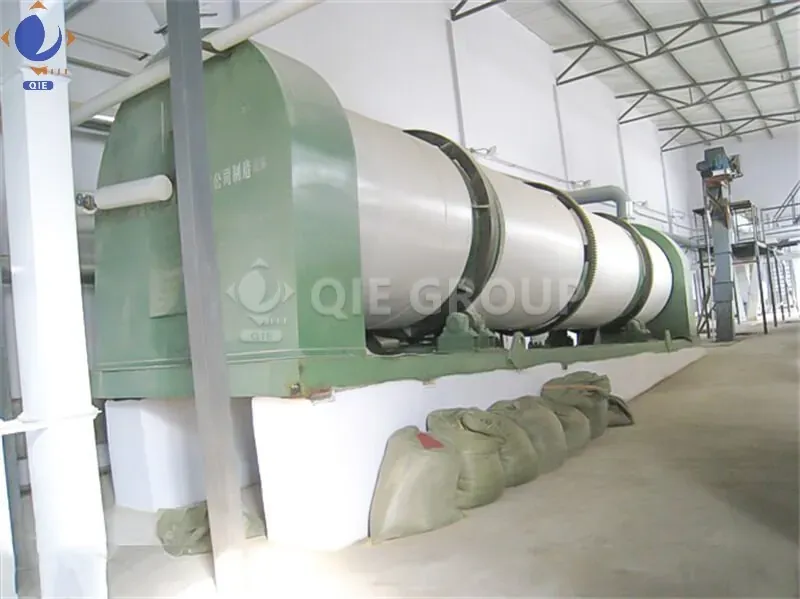
The food industry in Saudi Arabia is undergoing rapid diversification and upgrading. As a key staple in Middle Eastern culinary tradition (used extensively in dipping sauces like Haleem and fried delicacies like Sambosa), the demand for industrialized sesame oil production has surged. While regions like Jazan have an established sesame agricultural base, traditional artisanal production can no longer meet modern standards.

Investors must first define four critical variables before designing roasting, pressing, and filtration systems:
In the Middle Eastern market, the choice of processing technology directly dictates product market positioning, oil yield, and return on investment (ROI):
| Processing Route | Core Characteristics | Target Market Positioning | Saudi Market Suitability |
|---|---|---|---|
| Cold Pressing | Low-temperature pressing (<60°C), retains natural nutrients | Premium natural/organic sesame oil, nutrition-labeled products | Niche, high-end market |
| Roasted Hot Pressing | Roasting triggers the Maillard reaction for intense aroma | Fragrant roasted sesame oil (mainstream Saudi retail & food service) | Dominant market (Optimal ROI) |
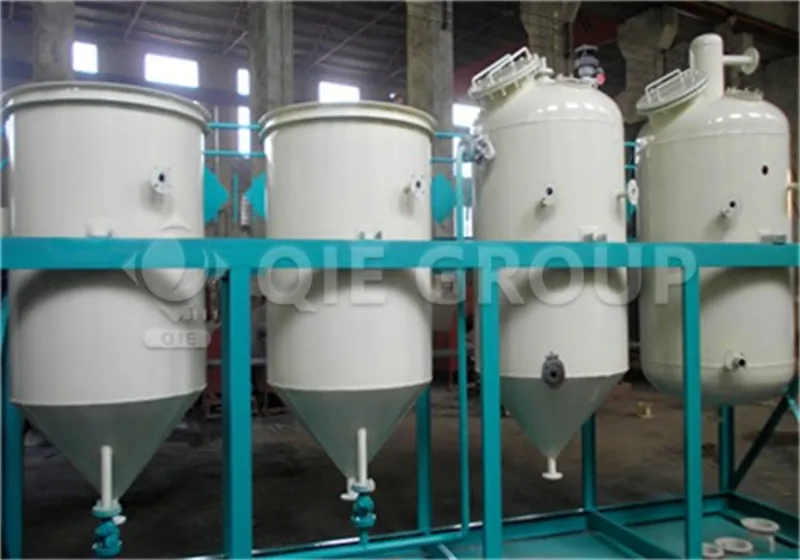
| Pressing + Refining | Crude oil undergoes degumming, neutralization, bleaching, and deodorization | Standardized cooking oil, long shelf-life products | Supermarket mass distribution |
Conclusion: If the goal is to produce commercially roasted oil with a distinct aroma (for the food service supply chain and traditional cuisine), the "Roasting + Pressing + Filtration" hot-pressing route offers the best cost-to-performance ratio. Cold pressing serves niche markets, while refining targets standardized mass retail.
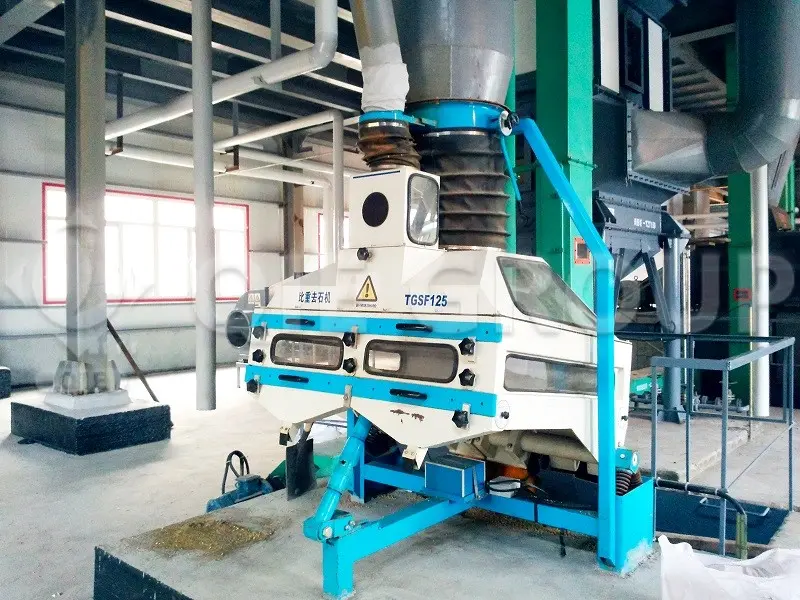
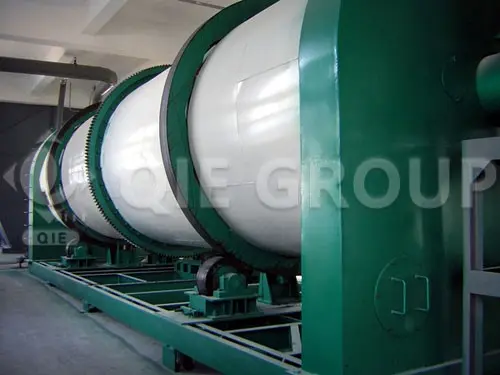
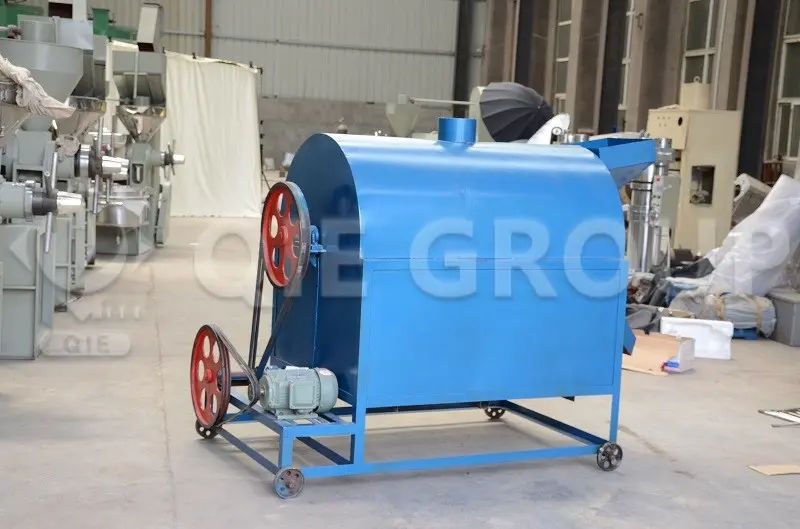
Engineering Tip: Roasting parameters are not fixed; they must be fine-tuned via material trials. High-temperature, short-time roasting enhances aroma, but over-charring leads to bitterness. Installing temperature sensors and automatic control systems is essential for uniform roasting.
| Equipment Type | Advantages | Disadvantages / Constraints | Applicable Scenarios |
|---|---|---|---|
| Hydraulic Press | Steady pressure, superior flavor preservation | Lower efficiency, batch operation, higher labor requirement | Small-scale or specialty production (10–30 TPD) |
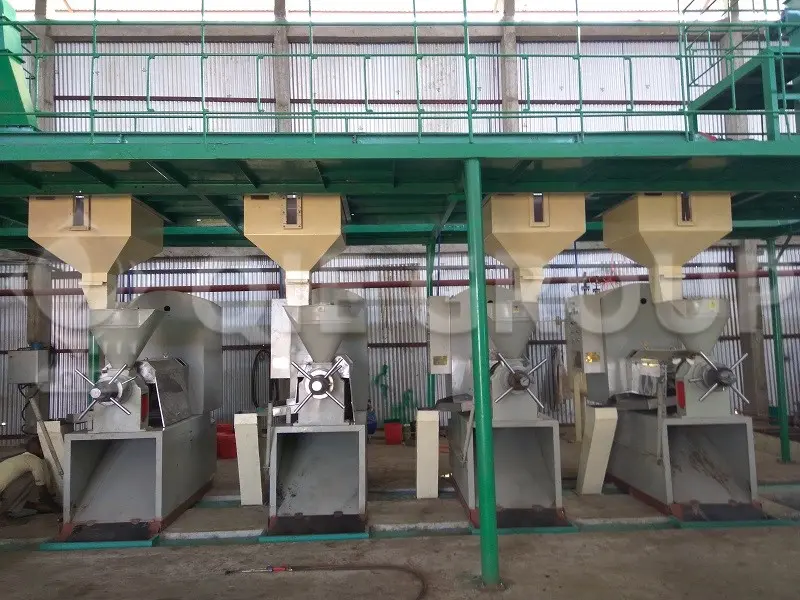
| Screw Press | Continuous operation, high automation | Requires heat dissipation control in press cage | Medium to large plants (30+ TPD, Recommended) |
Conclusion & Parameters: For a modern industrial sesame oil production line in Saudi Arabia (30+ TPD), a Screw Oil Press is strongly recommended. It integrates seamlessly with pre-treatment and filtration lines.
Note: Pressing temperature in the barrel generally reaches 100–120°C, and dry cake residual oil content averages 6%–8%. Pilot testing of raw seeds before full equipment sizing is advised.
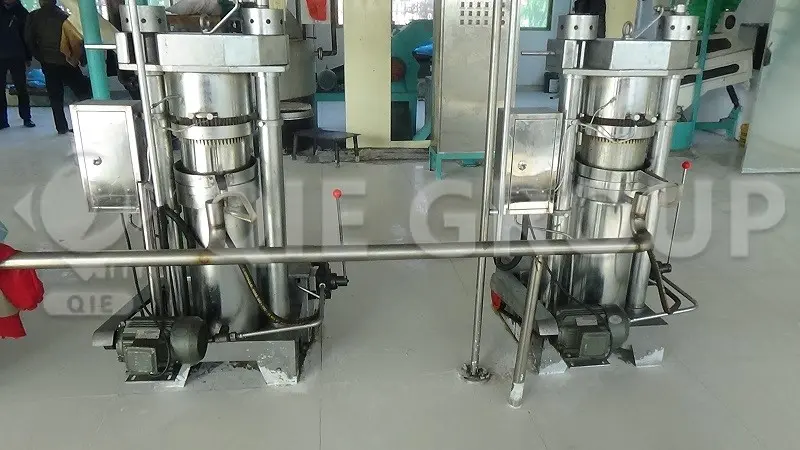
Crude oil directly from the press contains fine seed meal cake residue and suspended solids, requiring solid-liquid separation to improve clarity and shelf stability.
| Method | Equipment | Advantages | Disadvantages | Selection Advice |
|---|---|---|---|---|
| Natural Settling | Settling Tanks | Simple process, minimal impact on aroma | Large footprint, slow processing speed | Small facilities or low-capacity projects |
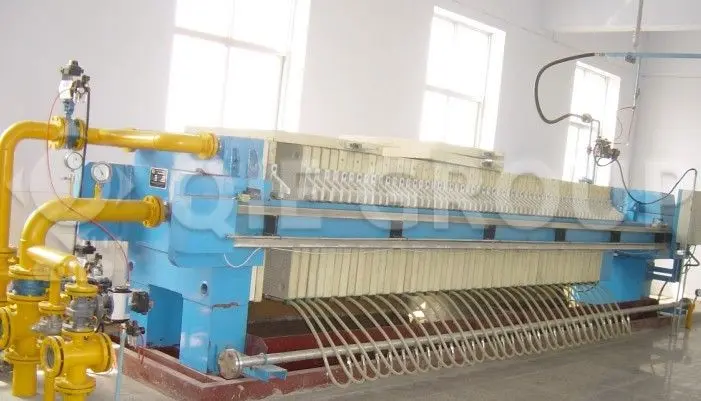
| Mechanical Filtration | Plate & Frame Filter Press, Leaf Filter | Rapid separation, produces crystal-clear oil | Higher capital investment | Medium-to-large plants or premium products |
Recommended Combination: Industrial projects in Saudi Arabia should utilize settling tanks for initial heavy solid removal, followed by plate-and-frame or pressure leaf filters for fine polishing. While roasted sesame oil tolerates slight haze, commercial retail products require fine filtration to remove all visible solids.
Not necessarily! Refining depends entirely on product positioning and target market requirements:
Regional Consideration: For products distributed in ultra-high ambient temperature regions (e.g., Mecca/Makkah), light degumming enhances oxidation stability during prolonged storage.
| Process Section | Key Equipment | Saudi Localized Engineering Highlights |
|---|---|---|
| Pre-treatment | Vibrating Screen + Destoner + Magnetic Separator + Softening Kettle | Dust-sealed design with reinforced aspiration (sandstorm protection) |
| Roasting | Gas/Electric Rotary Roaster (Continuous for large-scale) | High-temperature-resistant materials (ambient temp >40°C) |
| Pressing | Screw Oil Press (Variable Frequency Drive / VFD recommended) | Independent cooling modules for motor and gearboxes |
| Filtration | Plate & Frame Filter Press + Precision Polishing Filter | Food-grade SS304/SS316 stainless steel construction |
| Storage | Nitrogen Blanketing Storage Tanks | Outer reflective insulation layer for thermal protection |
Establish a dual supply model balancing local Jazan seeds with imported sources (India/Sudan) to guarantee year-round operational stability.
All food-contact surfaces must use SS304/SS316 stainless steel complying with SFDA (Saudi Food and Drug Authority) and GMP/HACCP guidelines. Install backup diesel generators; use desalinated/purified water for seed rinsing; fit pulse-jet bag dust collectors in cleaning areas; route wash wastewater through oil-water separators.
A: Raw sesame seeds generally contain 45%–55% oil. Utilizing roasted screw pressing, press cake residual oil content is held around 6%–8%. Based on seeds with 50% oil content, the net dry seed yield is roughly 42%–44%. Yield efficiency depends heavily on post-roasting moisture adjustment (1%–3%) and barrel pressure control—excess moisture causes slippage, while insufficient moisture drastically increases press torque and energy usage.
A: The Saudi Food and Drug Authority (SFDA) enforces strict limits on Acid Value (AV), Peroxide Value (PV), heavy metal residues, and Aflatoxins. Plants must install optical color sorters and destoners during pre-treatment to eliminate moldy seeds (preventing aflatoxin risks) and use nitrogen blanketing during storage to keep Peroxide Values well within legal thresholds.
A: While roasted sesame oil contains natural antioxidants like Sesamol, extreme heat accelerates degradation. Shelf life is maintained through three key engineering steps: ① Rapidly cooling crude oil post-pressing via plate heat exchangers; ② Storing polished oil in insulated storage tanks with Nitrogen Blanketing; ③ Implementing nitrogen purging during bottle capping to reduce headspace oxygen below 1%.
A: Yes, substantial value. Expeller sesame cake contains 35%–45% crude protein with an excellent amino acid profile. It is a highly sought-after premium protein feed ingredient for camels, cattle, sheep, and poultry across Saudi Arabia and the GCC region. The cake can be pelleted and sold directly to regional feed mills, generating a steady secondary revenue stream for the plant.
As a professional edible oil engineering consultant, QIE Group provides end-to-end EPC Turnkey Services, executing a structured 12-step project rollout:
 Vegetable oil processing industry Edible oil processing technology Vegetable oil refining trend Oil processing plant design Oil refinery automation Edible oil turnkey project Oil extraction and refining
soybean oil processing plant start soybean oil business edible oil extraction machine soybean meal production soybean oil solvent extraction
Palm oil processing plant Palm oil startups Palm oil processing equipment Low-cost palm oil production Small palm oil mill
rice bran oil solvent extraction equipment rice bran oil extraction plant rice bran oil processing plant rice bran oil production line rice bran oil extraction machine rice bran oil solvent extraction process,
Palm oil production line Automated oil processing equipment Customized production equipment High-efficiency production line Oil pressing equipment
Vegetable oil processing industry Edible oil processing technology Vegetable oil refining trend Oil processing plant design Oil refinery automation Edible oil turnkey project Oil extraction and refining
soybean oil processing plant start soybean oil business edible oil extraction machine soybean meal production soybean oil solvent extraction
Palm oil processing plant Palm oil startups Palm oil processing equipment Low-cost palm oil production Small palm oil mill
rice bran oil solvent extraction equipment rice bran oil extraction plant rice bran oil processing plant rice bran oil production line rice bran oil extraction machine rice bran oil solvent extraction process,
Palm oil production line Automated oil processing equipment Customized production equipment High-efficiency production line Oil pressing equipment





.png?x-oss-process=image/resize,h_100,m_lfit/format,webp)
.png?x-oss-process=image/resize,h_100,m_lfit/format,webp)
.png?x-oss-process=image/resize,h_100,m_lfit/format,webp)