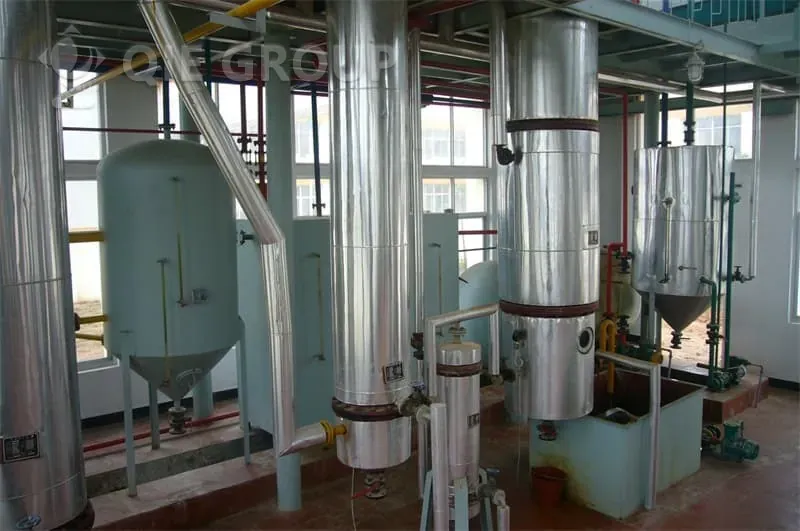
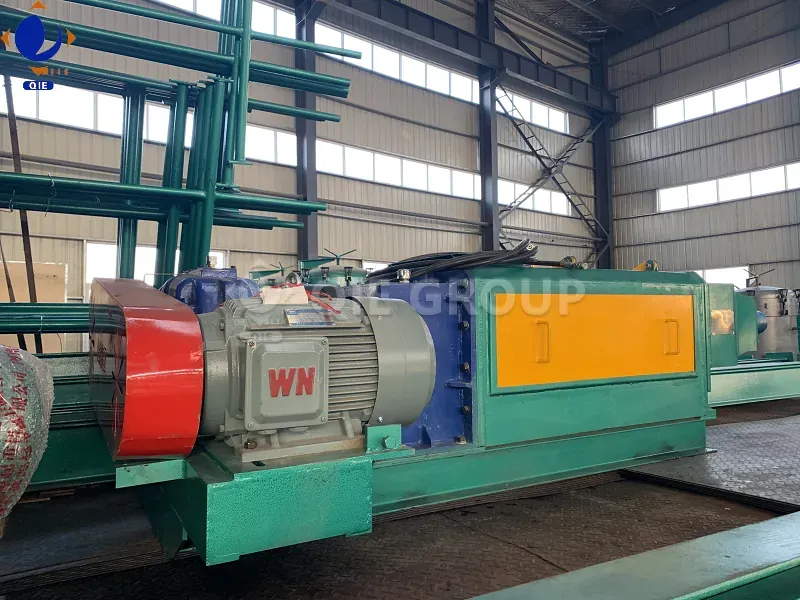
Amid the global trend of upgrading edible oil consumption, sesame oil is no longer just a condiment; its unique flavor and nutritional functions have made it a "healthy functional oil." Sesame oil is rich in sesamin and sesamol, which have excellent antioxidant capabilities, delaying fatty acid oxidation and improving product stability.
Modern sesame oil processing plants need to address three core challenges when building or upgrading production lines:
This guide provides a comprehensive overview of sesame oil production line design, process optimization, and engineering best practices, based on QIE Group's extensive project experience worldwide.
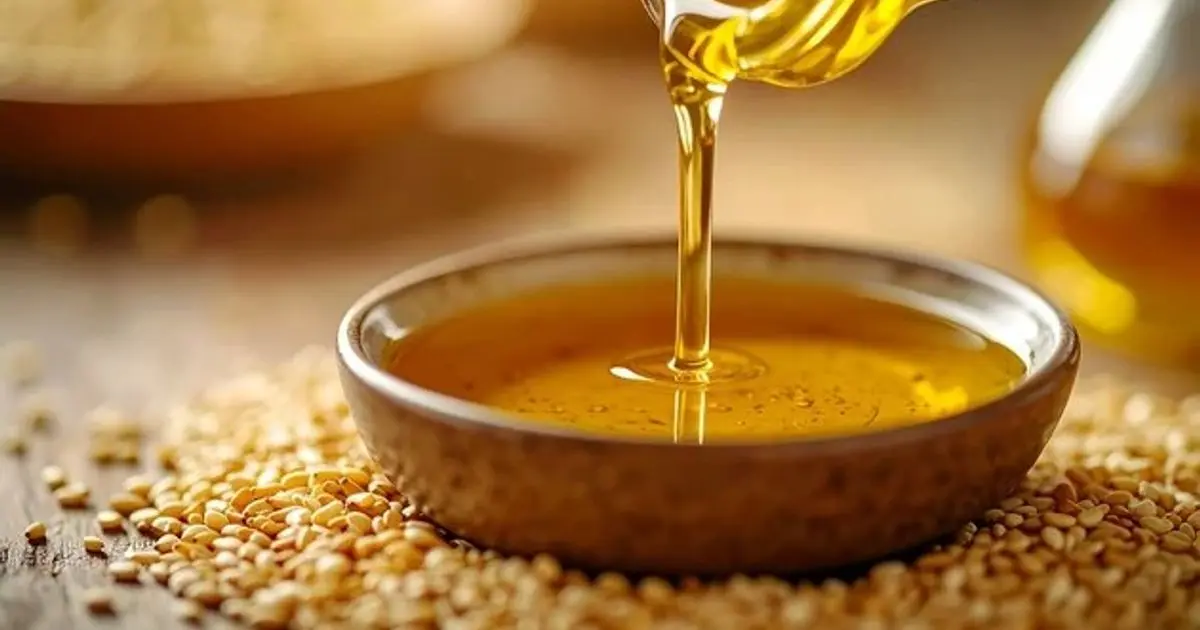
A complete sesame oil production line generally includes raw material pretreatment, oil pressing or extraction, crude oil sedimentation and filtration, optional refining, and final filling and packaging.
Principle and Characteristics: Sesame seeds are directly pressed at a low temperature (<60°C) without roasting, preserving their natural flavor, light color, and minimal loss of nutrients. The crude oil has a higher phospholipid content, requiring strict subsequent filtration.
Application: Suitable for premium health-oriented products and small-batch production. Raw material cleanliness is critical.
Advantages: Retains Vitamin E and sesamol; light and natural aroma.
Limitations: Lower oil yield and relatively higher production cost.
Principle and Characteristics: Before pressing, sesame seeds are roasted at controlled temperatures, typically between 120°C and 200°C. Roasting causes protein denaturation and cell wall rupture, forming the characteristic roasted aroma of sesame oil. Oil yield is significantly increased.
Application: Production of mainstream flavored sesame oil, prioritizing high yield and economic benefits.
Advantages: High oil yield, rich flavor, easy to press and filter.
Limitations: Partial loss of heat-sensitive nutrients and darker oil color.
| Plant Scale | Capacity (TPD) | Application |
|---|---|---|
| Small scale | 5–20 TPD | Local brands, specialty oils |
| Medium scale | 20–50 TPD | Mainstream commercial production |
| Large scale | 50+ TPD | Industrial, export-oriented plants |
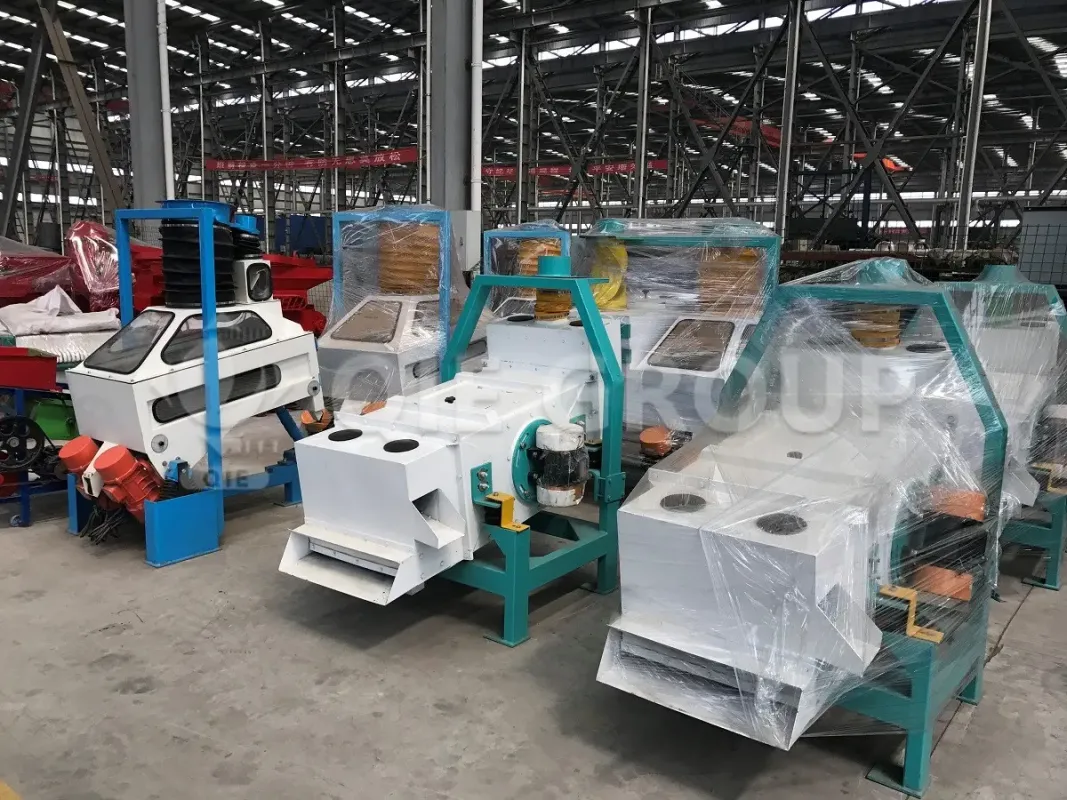
Raw material pretreatment directly affects oil yield, flavor stability, and equipment service life.
Result: Reduced wear, stable operation, improved oil quality.
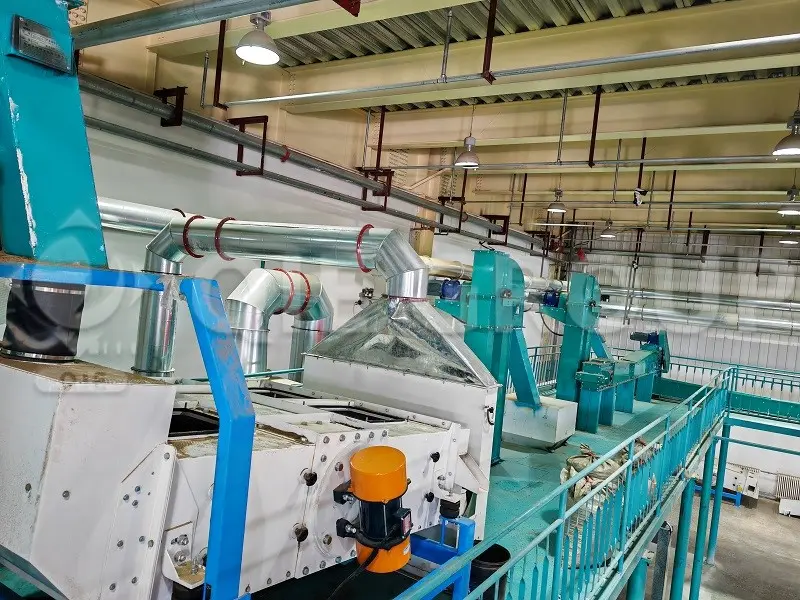
Benefits: Reduced fiber and pigment content, improved oil color and stability, less bitterness in final oil.
This is the key step for forming characteristic aroma compounds such as pyrazines and pyrroles in sesame oil.
Technical Optimization:
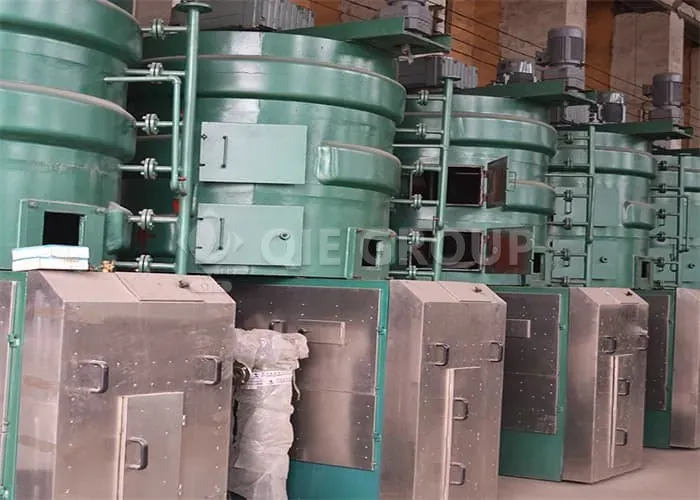
Five-layer vertical steam roasters or intelligent drum roasting machines are used.
Temperature Curve Control:
Recommended Final Temperatures:
| Process Step | Oil Yield Impact | Flavor Impact | Stability |
|---|---|---|---|
| Cleaning | Reduces impurity loss | Prevents off-odors | Removes mold sources |
| Dehulling | Removes oil-absorbing fiber | Reduces bitterness | Eliminates pro-oxidative substances |
| Roasting | Breaks cell walls, increases yield | Forms roasted aroma | Deactivates lipoxygenase |
Optimal Pressing Conditions
Typical Residual Oil in Cake: 5–7% (hot pressing)
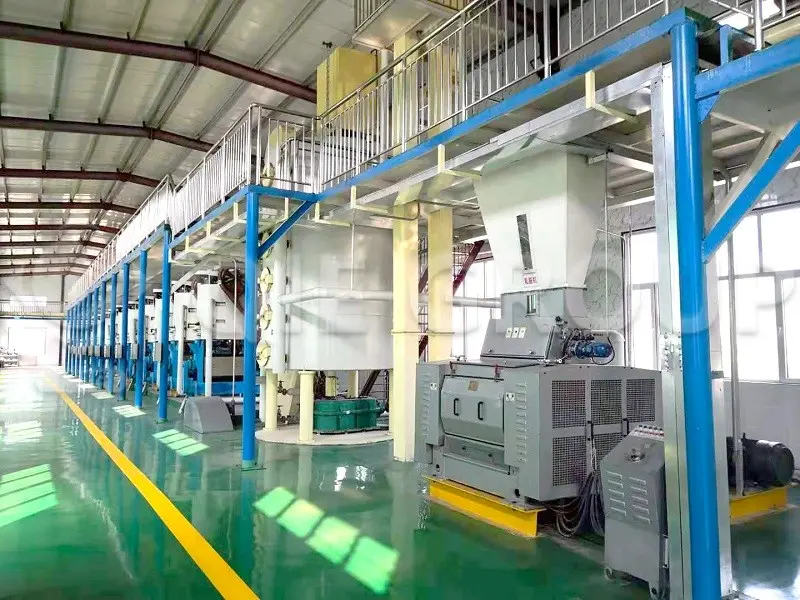
| Equipment Type | Scale | Features |
|---|---|---|
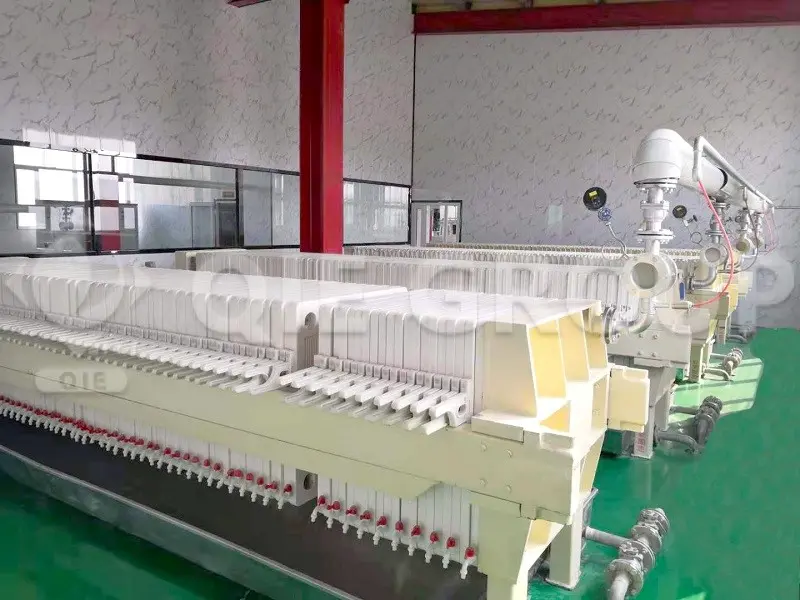
| Plate filter press | Small | Flexible operation |
| Vertical leaf filter | Medium–Large | Enclosed, automatic cake discharge |
Outcome: Clear, bright sesame oil suitable for packaging or refining.
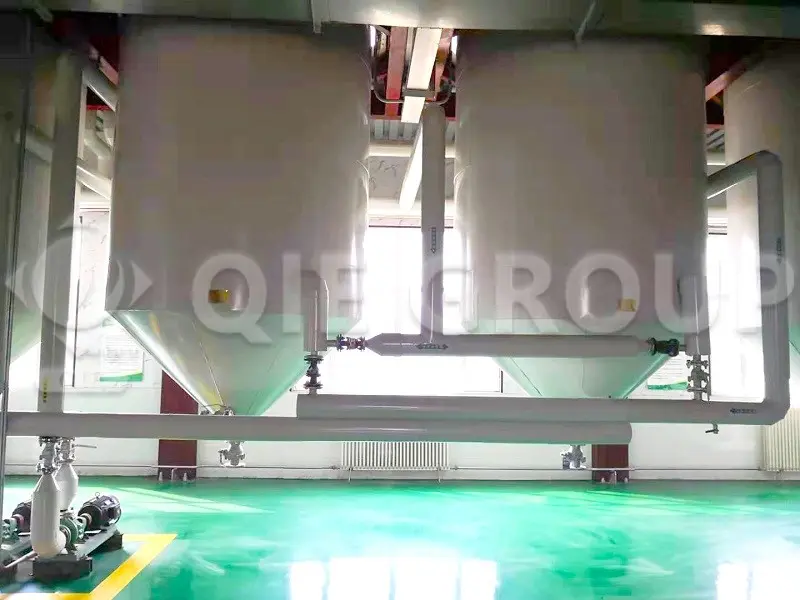
For most high-quality sesame oils, mild physical refining is recommended.
Degumming
Physical Deacidification
Winterization (Optional)
Engineering Recommendation: Avoid aggressive chemical refining to preserve traditional sesame oil flavor.
Raw material inspection: moisture, impurities, acid value
Process control: key sampling points
Finished oil testing: sensory, physicochemical parameters
Standards: Codex Stan 210, GB/T 8233
Q1: Cold pressed or hot pressed sesame oil—how to choose?
Cold pressing suits premium health markets; hot pressing suits mainstream aromatic products.
Q2: How to maximize sesame oil yield?
Optimize cleaning, dehulling, roasting temperature, moisture control, and press configuration.
Q3: Does refining destroy sesame oil flavor?
Proper physical refining preserves aroma while improving stability.
A high-performance sesame oil production line requires precise process control, robust equipment design, and deep engineering expertise. From raw material handling to extraction, filtration, refining, and automation, every step impacts oil yield, flavor, and profitability.
QIE Group delivers complete turnkey sesame oil production solutions—engineered for efficiency, reliability, and long-term value.
Contact QIE Group today to discuss a tailored technical solution for your project
 cold press oil press hot press oil press edible oil processing plant solvent extraction oil oil mill equipment edible oil production line
turnkey edible oil plant edible oil processing plant cost oil refinery EPC Pressing vs solvent extraction Investment range for edible oil plant
Sunflower oil yield Sunflower oil production process Dehulling process Mechanical pressing Oil refining
Linseed oil production line Turnkey service Small and Medium Enterprises Production line construction Stable and efficient operation
twin screw palm fruit oil press palm fruit oil pressing machine palm oil processing equipment palm fruit oil production line palm oil mill machinery palm oil extraction plant
cold press oil press hot press oil press edible oil processing plant solvent extraction oil oil mill equipment edible oil production line
turnkey edible oil plant edible oil processing plant cost oil refinery EPC Pressing vs solvent extraction Investment range for edible oil plant
Sunflower oil yield Sunflower oil production process Dehulling process Mechanical pressing Oil refining
Linseed oil production line Turnkey service Small and Medium Enterprises Production line construction Stable and efficient operation
twin screw palm fruit oil press palm fruit oil pressing machine palm oil processing equipment palm fruit oil production line palm oil mill machinery palm oil extraction plant








.png?x-oss-process=image/resize,h_100,m_lfit/format,webp)
.png?x-oss-process=image/resize,h_100,m_lfit/format,webp)
.png?x-oss-process=image/resize,h_100,m_lfit/format,webp)