
Choosing rice bran solvent extraction equipment requires looking beyond the extractor itself. Instead, it involves a comprehensive evaluation of rice bran raw material characteristics, processing capacity, pretreatment methods, rice bran solvent extraction process, desolventizing and solvent recovery, safety, automation, and subsequent refining requirements. For industrial projects, it is also essential to assess the compatibility between equipment from the perspective of an entire production line or even an EPC engineering project.
Rice bran differs significantly from conventional oilseeds like soybeans and rapeseed in terms of raw material characteristics and processing requirements. Fresh rice bran typically has a high lipase activity. If storage and stabilization are neglected, it is prone to rapid rancidity, which severely degrades subsequent rice bran oil quality.
At the same time, the fine powder ratio, moisture content, oil content, and material flowability of rice bran directly impact pretreatment and extraction performance. Therefore, equipment selection cannot simply replicate standard configurations used for other oilseeds.
The capability for efficient enzyme deactivation (such as dedicated high-temperature, high-humidity stabilization or extrusion expansion) to protect oil quality and extend raw material storage life.
The fine powder characteristics demand superior material distribution and solvent penetration designs to ensure thorough oil extraction without screen blinding.
Due to high oil content in rice bran, an efficient solvent recovery system significantly reduces operating costs and enhances overall plant safety.
Retention of proteins, dietary fiber, and functional components in the defatted meal places higher demands on temperature control during desolventizing.
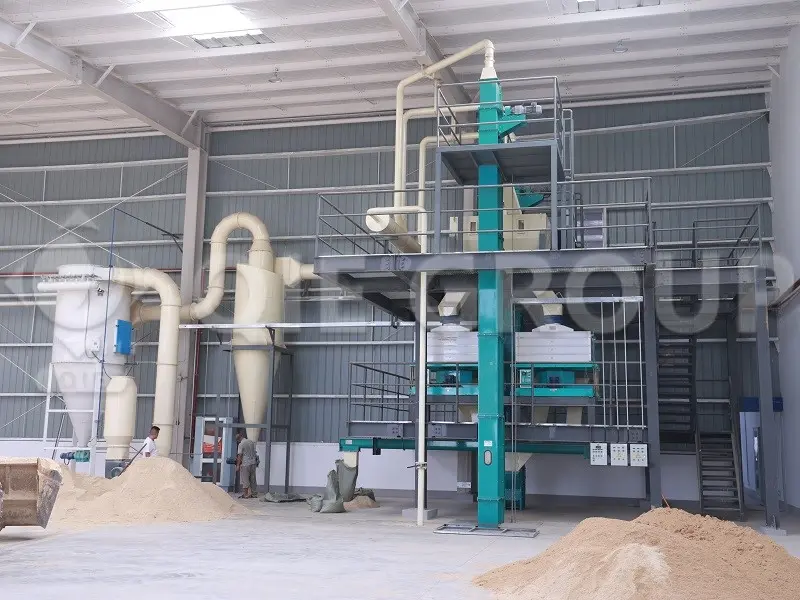
Rice bran solvent extraction is not a single standalone machine, but a collaborative system composed of multiple units. The core equipment and their functions are outlined below:
| Equipment / System Category | Main Function | Special Requirements in Rice Bran Processing |
|---|---|---|
| Pretreatment & Stabilization System | Rice bran-husk separation, conditioning, extrusion expansion/pelletizing | Thoroughly passivate lipase, ensure oil stability, and improve material cake structure |
| Extractor | Facilitates contact between solvent and rice bran to achieve oil extraction | Material distribution devices adapted to fine powder traits, optimizing solvent paths (e.g., Loop, Tow-line, or Rotary Extractors) |
| Wet Meal Conveying System | Transports solvent-laden wet meal to the desolventizing section | Sealed, explosion-proof design to minimize solvent evaporation |
| Desolventizing & Drying System | Evaporates solvent and dries the rice bran meal | Precise temperature control to prevent thermal damage to heat-sensitive components in the meal |
| Solvent Recovery System | Recovers solvent from the extraction process (evaporation, condensation, stripping) | High recovery efficiency to reduce solvent consumption and ensure safe production |
| Miscella Treatment System | Separates solvent from miscella to obtain crude rice bran oil | Accommodates the high gum and wax content characteristic of crude rice bran oil |
| Automatic Control System | Monitors running parameters across units to achieve automated operations | Real-time adjustment of extraction temperature, time, and solvent ratio to secure process stability |
| Safety & Environmental System | Solvent concentration monitoring, explosion-proof measures, waste gas treatment | Complies with solvent operation safety codes and meets environmental emission standards |

The oil content (15-25%), moisture (8-12%), fine powder ratio, and stabilization status of the rice bran directly dictate equipment selection. For example:
Equipment specifications are chosen based on daily processing volume (t/d). Small projects (<50 t/d) can use batch extraction, while large operations (>100 t/d) require continuous extraction setups. Note that:
Given the unique physical structure of rice bran, choosing the right extractor type is vital:
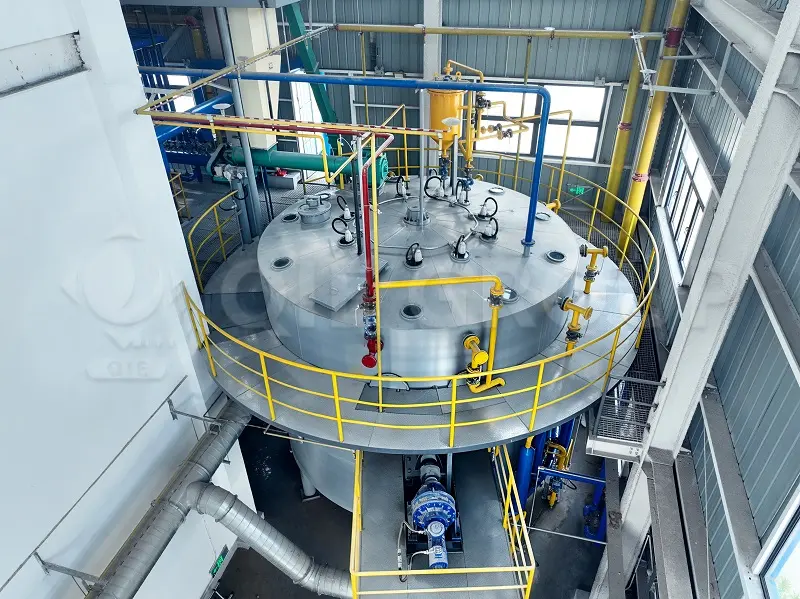
Focus heavily on steam and power usage. High-efficiency systems cut energy use via heat recovery. Vent gases undergo condensation and adsorption to meet environmental norms.
Modern extraction equipment incorporates PLC or DCS control systems to automatically regulate extraction temperatures, solvent flow rates, and desolventizing pressures, minimizing manual intervention.
| Daily Processing Capacity (t/d) | Recommended Extraction Method | Core Equipment Configuration Highlights | Applicable Scenarios |
|---|---|---|---|
| <50 | Batch Extraction | Small extraction tanks, vertical desolventizer, simple solvent recovery setup | Small processing plants, pilot/test lines |
| 50–200 | Semi-Continuous Extraction | Medium/small rotary or tow-line extractor, horizontal desolventizer, two-stage recovery | Medium-sized rice bran plants |
| >200 | Continuous Extraction | Large-scale loop or rotary extractor, high-efficiency DTDC, three-stage recovery + heat recovery | Large rice bran oil producers, integrated rice mill facilities |
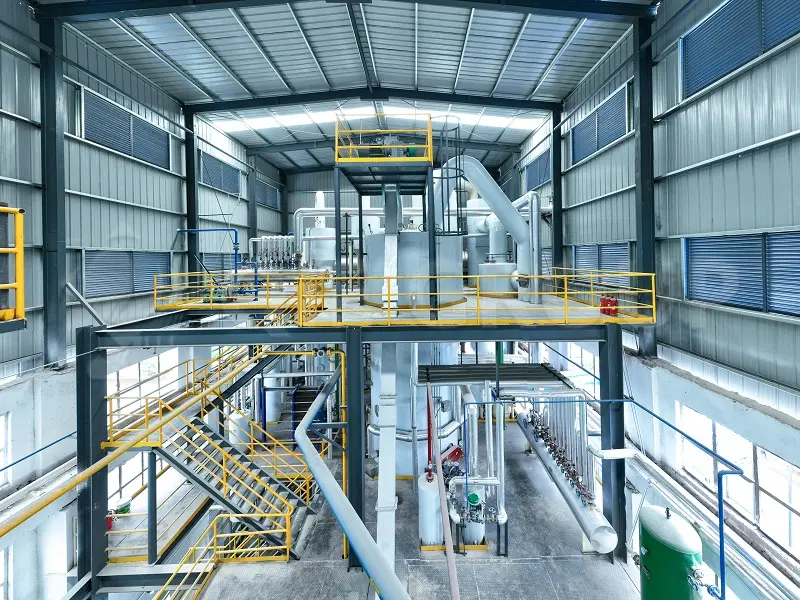
Best for projects pursuing ultimate oil yields, high extraction efficiency, and low residual oil metrics. Rapid high-temperature, high-pressure enzyme deactivation creates porous material cakes, making it ideal for high-grade rice bran oil production.
Suited for projects focusing on energy efficiency control, operational stability, and by-product value. Low material pulverization rates and smooth transportation make it ideal for large-scale, continuous operating environments.
Pretreatment as the foundation, extraction as the core, and optimal overall efficiency. Choosing an operational route should depend on investment budgets, operating costs, product quality goals, and raw material properties.
Providing the following information to suppliers ensures a precise equipment configuration proposal:
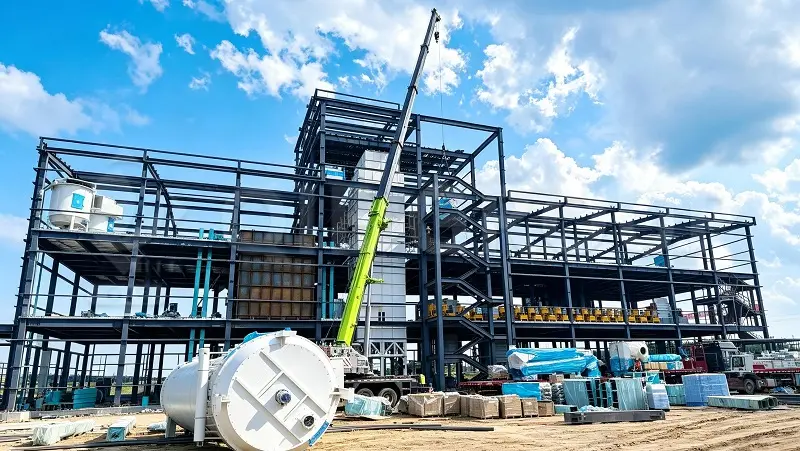
When selecting a supplier, focus evaluation on:
For clients building complete production lines, suppliers equipped with integrated process design, manufacturing, installation, commissioning, and EPC engineering capabilities are typically the ideal choice for holistic project management.
QIE GROUP specializes in delivering engineering solutions built on the philosophy of "Pretreatment as the foundation, extraction as the core, and optimal overall efficiency." Our strengths include:
Accurately matching rotary extractors, tow-line extractors, or loop extractors based on specific rice bran properties to guarantee peak equipment-to-material adaptation.
Offering one-stop EPC turnkey services covering bran-husk separation, stabilization forming, solvent extraction, desolventizing, and by-product processing to guarantee seamless unit compatibility.
We deliver more than premium hardware—we help clients optimize process parameters to boost output efficiency and product value.
Contact the QIE GROUP engineering team today with your raw material and capacity targets, and let us tailor a dedicated rice bran solvent extraction and complete line engineering solution for you.
 sesame oil production line Saudi Arabia sesame oil processing plant sesame oil processing equipment sesame oil production process sesame oil production plant turnkey sesame oil plant
Oil refinery energy conservation and consumption reduction Oil and fat processing solutions Intelligent upgrading of oil plants Edible oil equipment renovation Oil refinery efficiency improvement and quality enhancement
Palm kernel oil production equipment Palm Kernel Oil Processing Plant palm kernel oil production line Palm kernel oil pressing and refining palm kernel oil machine
Palm kernel oil processing PKO processing high-yield palm kernel oil screw press solvent extraction turnkey oil processing
Peanut oil production plant Peanut oil production line Peanut oil processing equipment Peanut oil investment cost
sesame oil production line Saudi Arabia sesame oil processing plant sesame oil processing equipment sesame oil production process sesame oil production plant turnkey sesame oil plant
Oil refinery energy conservation and consumption reduction Oil and fat processing solutions Intelligent upgrading of oil plants Edible oil equipment renovation Oil refinery efficiency improvement and quality enhancement
Palm kernel oil production equipment Palm Kernel Oil Processing Plant palm kernel oil production line Palm kernel oil pressing and refining palm kernel oil machine
Palm kernel oil processing PKO processing high-yield palm kernel oil screw press solvent extraction turnkey oil processing
Peanut oil production plant Peanut oil production line Peanut oil processing equipment Peanut oil investment cost




.png?x-oss-process=image/resize,h_100,m_lfit/format,webp)
.png?x-oss-process=image/resize,h_100,m_lfit/format,webp)
.png?x-oss-process=image/resize,h_100,m_lfit/format,webp)


