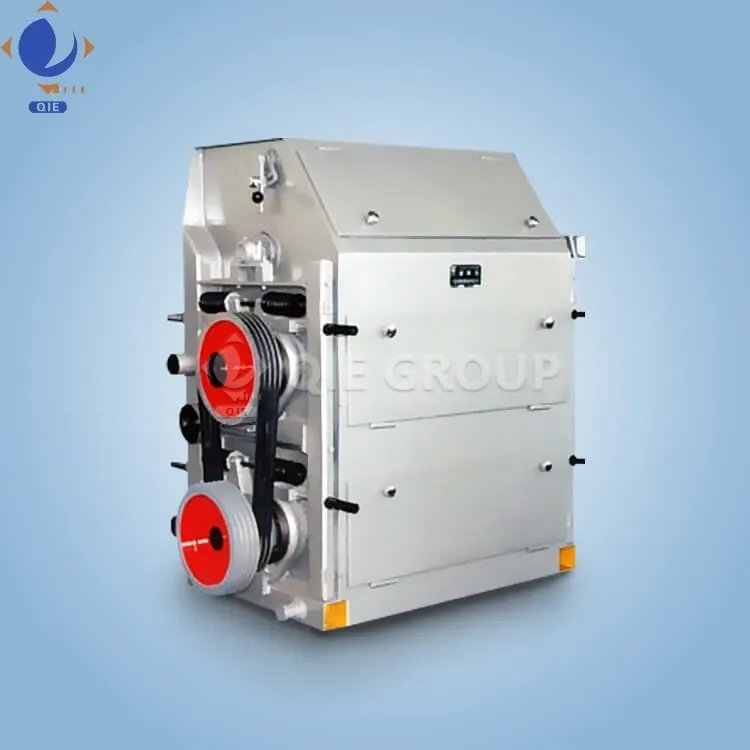
Rice bran oil processing projects are far more complex than conventional oilseed processing. Unique feedstock characteristics, stringent stabilization requirements, and precise extraction and refining processes must be carefully matched. This article provides a systematic feasibility assessment and design decision framework based on engineering practice, covering feedstock evaluation, process selection, economic modeling, safety, and operational stability, serving as a reliable reference for investors and project decision-makers. 👉(What machines are needed for rice bran oil production line?)
Rice bran oil (RBO) processing is not a simple replication of soybean or rapeseed oil production. Its unique feedstock properties, narrow process windows, and high integration requirements result in a project failure rate significantly higher than other oilseed projects. Studies indicate that over 60% of failures stem from engineering misjudgments rather than market fluctuations.
Key point: Feasibility assessment is not just an economic calculation—it is a multi-dimensional engineering decision encompassing feedstock, process, safety, and operation, directly determining project success or failure.
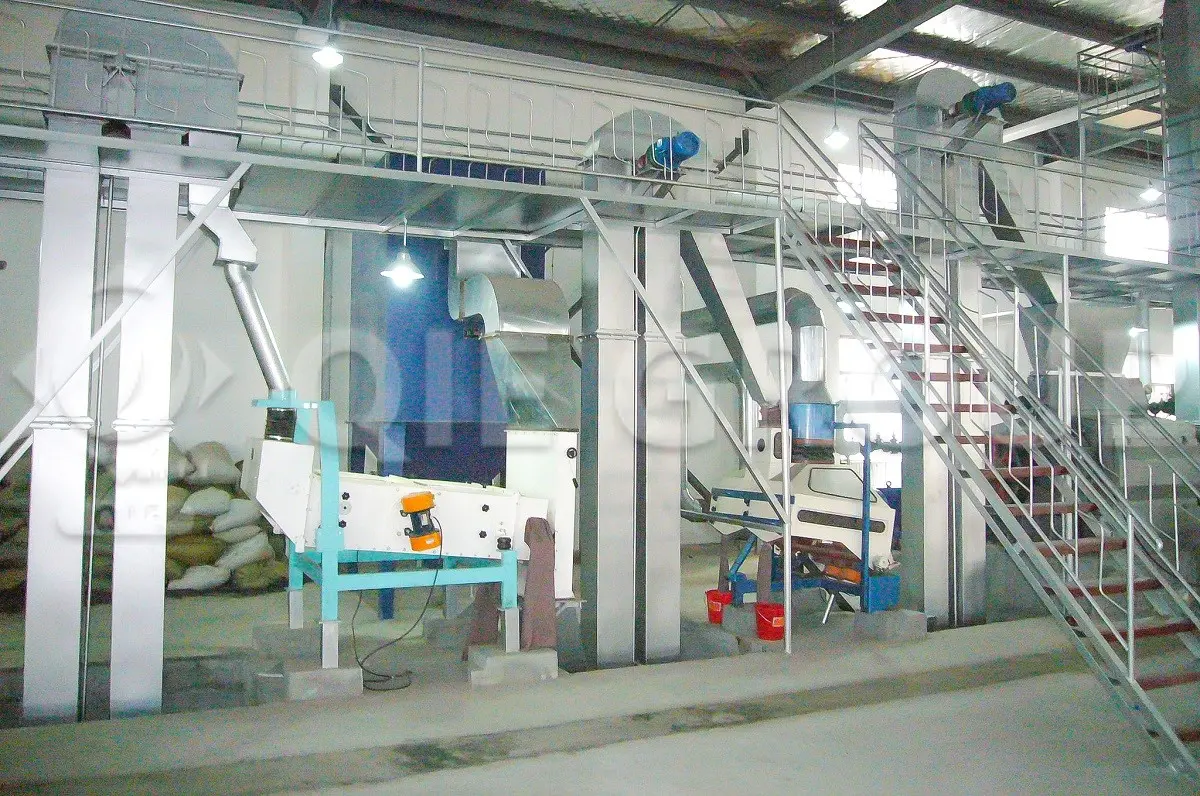
Tightly linked with rice milling industry: Capacity planning must align with local rice milling scale (e.g., a 100 TPD RBO plant requires annual paddy processing ≥100,000 tons within a 100 km radius). Otherwise, long-term downtime is inevitable.
Freshness window ≤ 24 hours: Delay beyond 24 hours from milling to stabilization often results in FFA >5–7%, compromising food-grade refining and increasing refining losses.
Oil content and impurities: Rice bran oil content varies between 15–22%, with 0.8–3% wax and fine bran powder. High impurities increase extraction resistance and refining losses, requiring targeted engineering solutions.
Food-grade edible oil: Requires full deacidification, bleaching, deodorization, dewaxing, and winterization. High investment and operating costs.
Functional oil (e.g., γ-oryzanol-enriched oil): Needs customized refining to preserve bioactive compounds.
Industrial oil (soap, feed): Tolerant of higher FFA and color variations, can simplify refining and reduce cost.
Engineering rule of thumb: Unclear product positioning often leads to over- or under-designed processes, wasting investment or compromising product quality.
Sustainable achievable yield: Real-world full-line oil yield is typically 1.5–3% lower than lab values. Using theoretical yields in economic models overestimates revenue.
Investment distribution: Stabilization (15–25%), extraction (30–40%), refining including dewaxing/winterization (25–35%). Stabilization, though not the largest cost, is project-critical.
Operating costs: Energy (especially steam), solvent loss, filter aids/chemicals, skilled labor, and equipment maintenance are long-term burdens. Controlling solvent loss is essential.
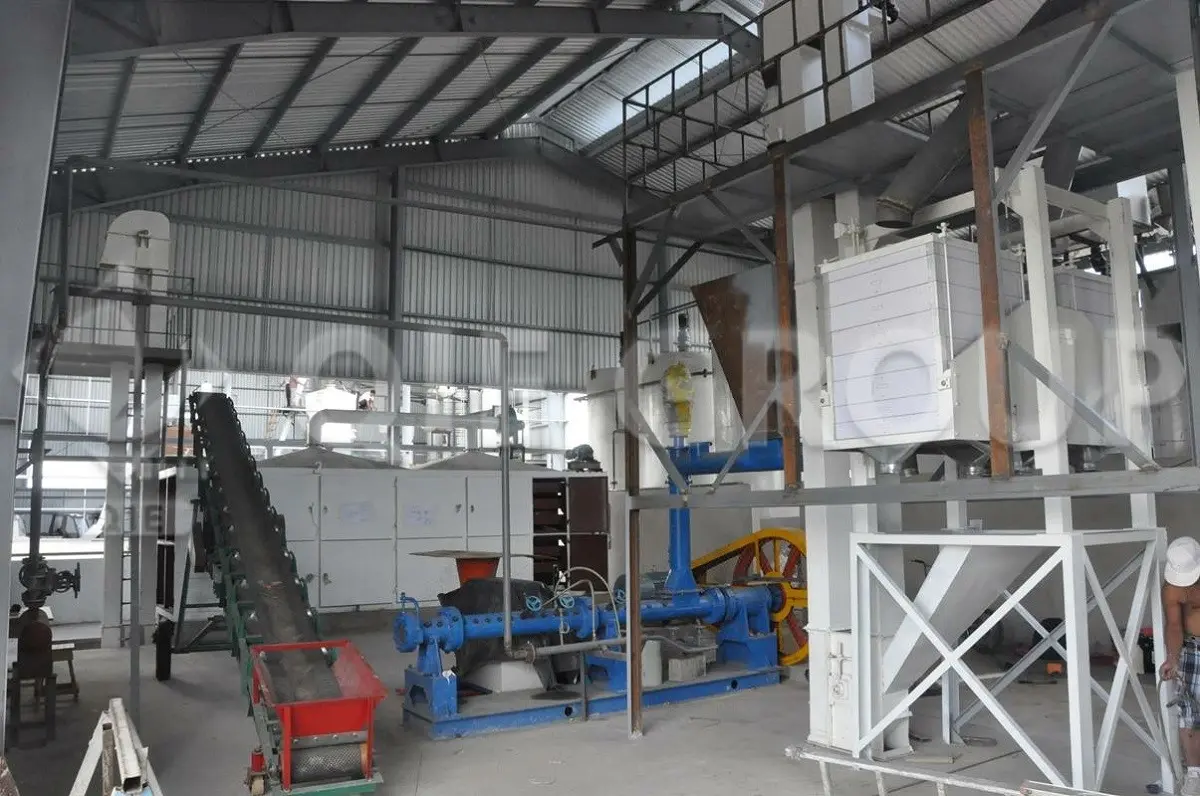
Beyond enzyme inactivation, stabilization directly affects refining losses and oil quality.
Engineering insight: Rice bran not properly stabilized entering extraction causes rapid FFA increase, high solvent losses, and serious operational risk.
Thermal stabilization (dry/wet heat): Reliable, adaptable to moisture variations, but energy-intensive and may reduce some bioactives.
Extruder stabilization: Complete enzyme inactivation, granulation benefits, improves extraction permeability, but higher investment and precise operation required. 👉(Rice bran oil pretreatment to maximize yield)
Selection criteria: Moisture content, FFA, processing time constraints, energy structure, and investment budget. Key evaluation metrics: FFA ≤5% and energy efficiency.
Inline integration (optimal): Direct, closed, rapid transfer from milling to stabilization preserves freshness.
Offline stabilization: Requires cold storage, fast transport; only if inline integration is impossible.
Loose structure and relatively low oil content result in <60% yield, cake residual oil >7%. Suitable only for small scale or pre-treatment before solvent extraction.
Anti-clog design: Special attention to fine bran powder, solvent distribution, and wet cake transport.
Explosion and dust control: Highly flammable dust; equipment and plant must meet high-level explosion-proof standards with efficient dust removal.
Solvent management: Strict recovery, target loss <1.5 kg/ton.
Safety takes priority; yield optimization must not compromise explosion or solvent safety.
Stabilization is mandatory before extraction.
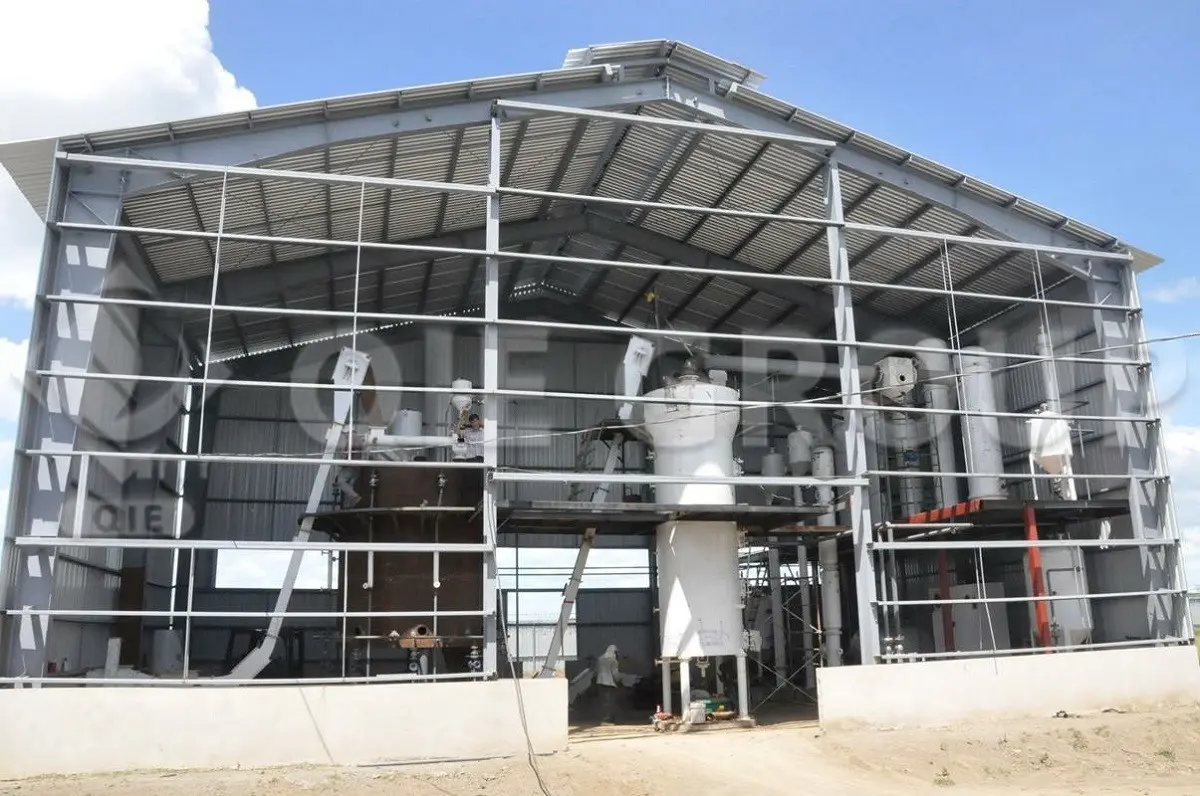
High FFA: Increases alkali consumption, soapstock formation, and equipment demand.
High wax content: Causes cloudiness at low temperatures; dewaxing plus winterization required.
Bleaching difficulties: High FFA, phospholipids, and oxidation products increase bleaching earth consumption.
Rule of thumb:
FFA ≤4%, phospholipids ≤10 ppm, wax controlled → physical refining preferred (lower lifetime cost, less loss)
FFA >5% or highly variable feedstock → chemical refining is the only reliable option
Crystallization curve, filtration, and filter aid addition critical. Winterization depth directly affects shelf-life and high-end market acceptance.
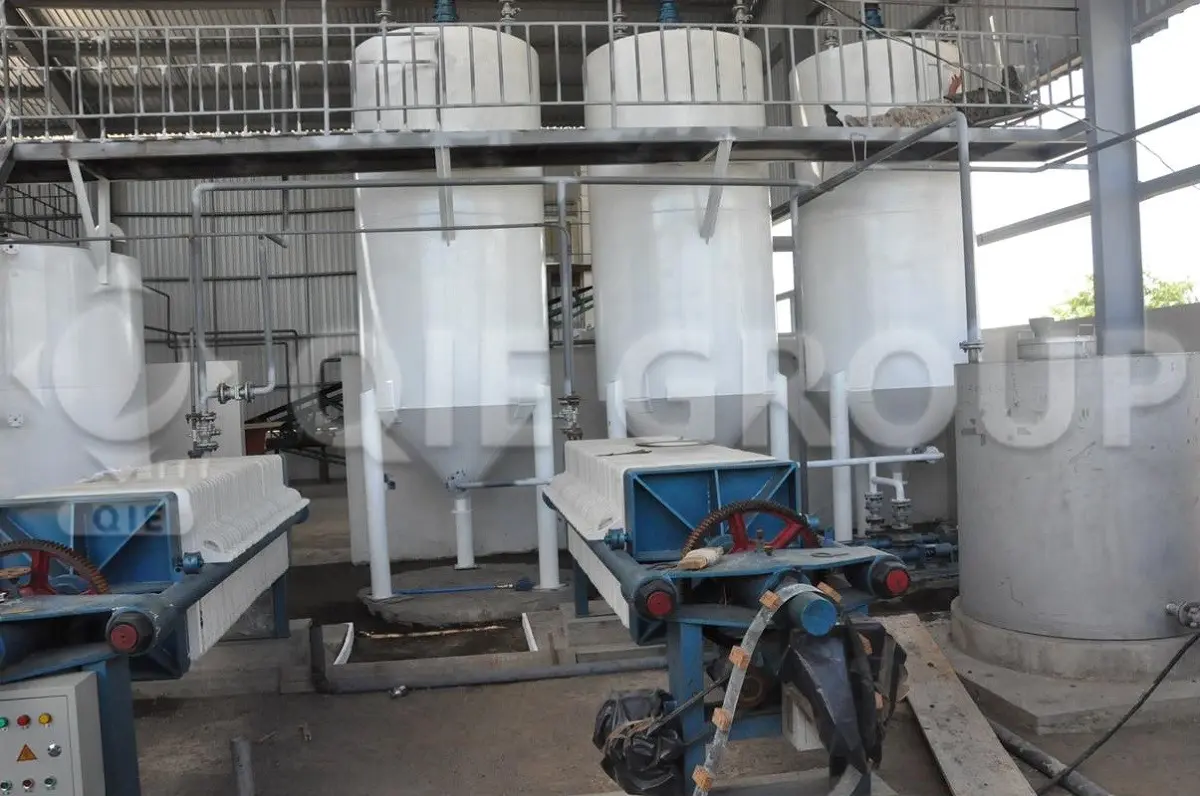
Base on sustainable operating capacity, referencing rice mill minimum seasonal supply, not peak or theoretical capacity.
Strict zoning: pre-treatment, extraction, refining, solvent storage; main wind direction considered for safety.
Heat integration: Reuse steam and waste heat for stabilization/extraction.
Reserve interfaces for expansion or product upgrades (e.g., γ-oryzanol extraction).
Stepwise: machine → section → full line. Verify stabilization, extraction anti-clog/explosion/solvent loss, and refining deacidification/dewaxing efficiency.
High-skill operators who understand feedstock, safety, solvent management, and refining windows. Systematic training and assessment mandatory.
Success reflected in ≥6 months of continuous, stable, safe operation, validating design, equipment, installation, and management.
Misjudged feedstock supply: overestimated volume/stability, underestimated freshness/logistics radius
Insufficient stabilization: wrong process or inadequate equipment
Over-optimistic economics: theoretical yield, underestimated investment/operating costs
Fragmented system: focus on a single section, ignoring stabilization/refining integration
Unable to complete stabilization within 24 hours
Feedstock highly dispersed, transport radius >150 km
Target products low-end or poorly priced
Investor lacks long-term operational team
The success of rice bran oil projects is essentially a victory for systems engineering capabilities. Only with high-level coordination across raw materials, stabilization, extraction, refining, safety, and operations can this unique resource, rice bran, be transformed into long-term, sustainable commercial value.
QIE GROUP consistently prioritizes engineering feasibility, providing comprehensive turnkey solutions from raw material assessment, process design, stabilization system integration, and key equipment manufacturing, to safety and compliance planning, commissioning, and training. This helps clients achieve long-term stable operation and genuine profitability for their rice bran oil projects.
 sesame oil production line sesame oil refining plant small scale sesame oil expeller sesame oil processing plant sesame oil press machine sesame oil mill plant
Peanut oil production line turnkey production line Upgrading of small and medium-sized oil plants High oil yield peanut oil production line Peanut oil pressing equipment
Palm fruit pressing process Palm Oil Press Palm oil production line Palm oil processing equipment Palm oil production process
Cottonseed oil refining machine Cottonseed oil refining production line Cottonseed oil refining equipment in edible oil factory Small cottonseed oil refining machine price Cottonseed oil refining equipment
Coconut oil refining equipment Coconut Oil Refinery Small Coconut Oil Refining Machine Coconut oil processing production line Coconut Oil Refinery Cost
sesame oil production line sesame oil refining plant small scale sesame oil expeller sesame oil processing plant sesame oil press machine sesame oil mill plant
Peanut oil production line turnkey production line Upgrading of small and medium-sized oil plants High oil yield peanut oil production line Peanut oil pressing equipment
Palm fruit pressing process Palm Oil Press Palm oil production line Palm oil processing equipment Palm oil production process
Cottonseed oil refining machine Cottonseed oil refining production line Cottonseed oil refining equipment in edible oil factory Small cottonseed oil refining machine price Cottonseed oil refining equipment
Coconut oil refining equipment Coconut Oil Refinery Small Coconut Oil Refining Machine Coconut oil processing production line Coconut Oil Refinery Cost



.png?x-oss-process=image/resize,h_100,m_lfit/format,webp)
.png?x-oss-process=image/resize,h_100,m_lfit/format,webp)
.png?x-oss-process=image/resize,h_100,m_lfit/format,webp)