
In the edible vegetable oil industry, rapeseed oil processing is the core component of oleochemicals. Whether building small or medium-sized pressing plants or planning large-scale integrated pretreatment-solvent extraction-refining projects, understanding raw material characteristics, equipment matching, key process parameters, and quality control logic is crucial in determining product quality, oil yield, and return on investment.
This article, based on engineering practice, systematically explains rapeseed oil pressing technology, solvent extraction technology , refining equipment, by-product utilization, nutritional components, and market trends, providing a technical guide that can be directly referenced by food companies, oil mills, agricultural investors, and equipment procurement decision-makers.
Rapeseed is one of the world's major oilseed crops, with major producing areas including China, Canada, India, and parts of Europe. The Chinese market has a stable demand for low-erucic acid rapeseed oil, strong-aroma pressed oil, and first-grade refined rapeseed oil.
Raw material characteristics:
Rapeseed oil processing not only produces oil but also generates byproducts such as protein cake, phospholipids, and soapstock. A well-designed process is more important than simply expanding equipment scale.
Typical rapeseed oil processing route:
Raw material receiving → Cleaning and impurity removal → Magnetic separation → Crushing/rolling → Steaming/conditioning → Pressing or pre-pressing → Solvent extraction → Crude oil filtration → Degumming → Deacidification → Decolorization → Deodorization → Finished oil storage and bottling
Sub-line: Oil residue treatment → Meal treatment → Solvent recovery → Soap residue/fatty acid → Wastewater and odor treatment
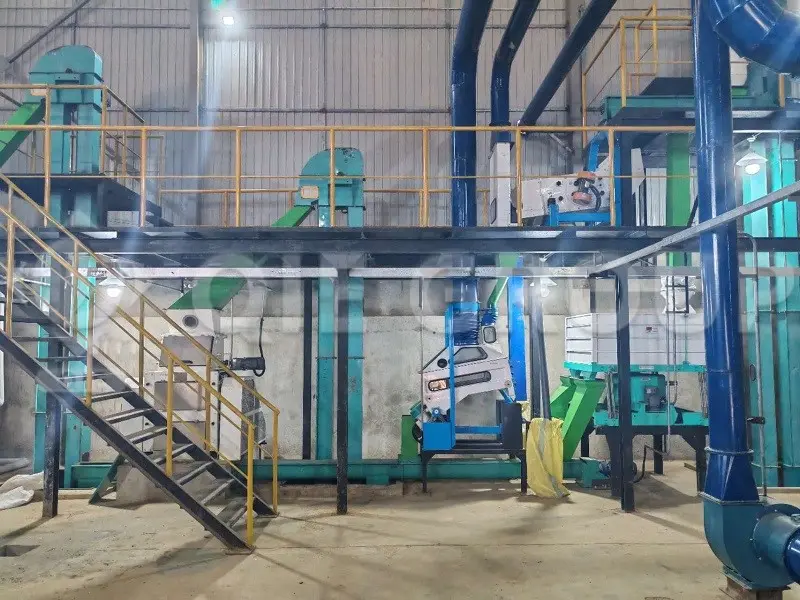
Raw material quality directly determines oil yield, equipment load, and refining costs. In engineering practice, it is recommended to focus on the following indicators:
| Project | Recommended range | Process influence |
|---|---|---|
| oil content | 35%~45% | Impacts pressing efficiency and solvent extraction economics |
| Moisture | 7%~10% | Too high a temperature can easily lead to mold growth, while too low a temperature is not conducive to conditioning. |
| impurities | ≤2% | Affects equipment wear, crude oil quality, and solvent consumption. |
| moldy grains | The lower the better, ≤1% is recommended. | Increased acid value and color risk |
| Erucic acid/thioglycoside | It depends on the product grade and variety. | Influences on oil product positioning and meal use |
Rapeseed seeds are relatively small, so some factories soften them before rolling them into briquettes, while others crush them to a certain extent before steaming and roasting.
Objective: To disrupt cell structure, expand the oil release interface, and improve the uniformity of subsequent steaming and frying.
The thickness of the rolled blank is 0.3–0.5 mm.
Note: Too thick → Reduces oil extraction efficiency; too thin → Easily forms powder, affecting pressing permeability and leaching penetration.
Note: Too high a moisture content will make the cake sticky after steaming and frying, and it will easily clog the press. Too low a moisture content will result in insufficient protein plasticity and high residual oil in the cake.
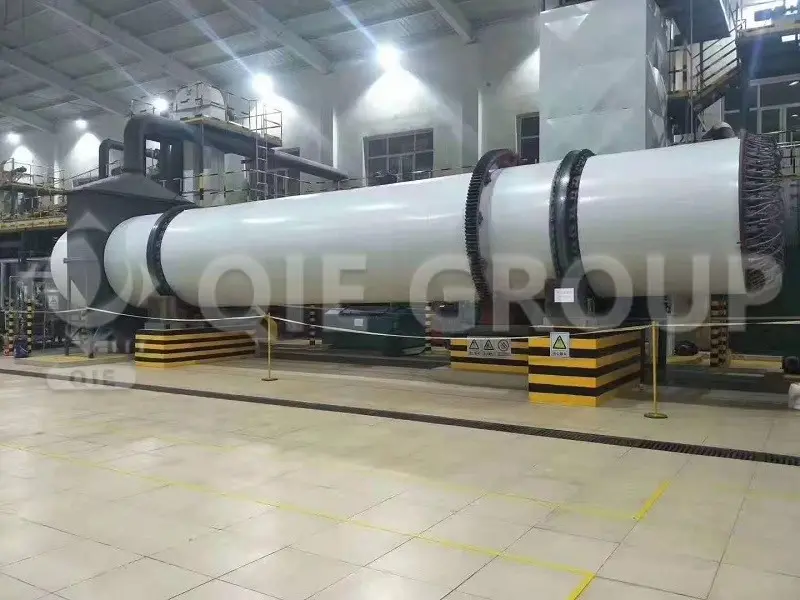
Note: Insufficient steaming or frying time results in inadequate oil release; excessive time can lead to overly dark color, phospholipid oxidation, and protein thermal damage. 👉( Steam cooker: Improves efficiency and oil yield )
After cleaning, the rapeseed is pressed directly by a rapeseed screw oil press or a special cold press at a low temperature (such as 60-70℃) without heat treatment or only low-temperature conditioning.
Features: It can better retain natural nutrients such as vitamin E, sterols, and polyphenols. The oil has a light color and refreshing flavor, but the oil yield is relatively low.
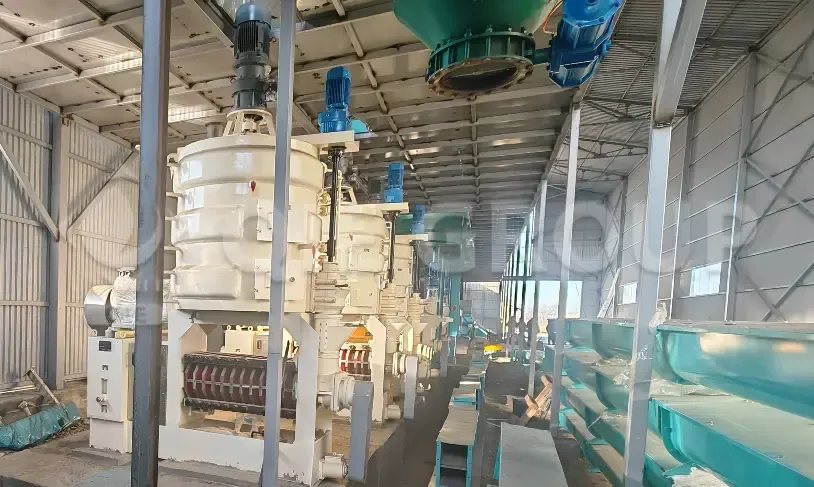
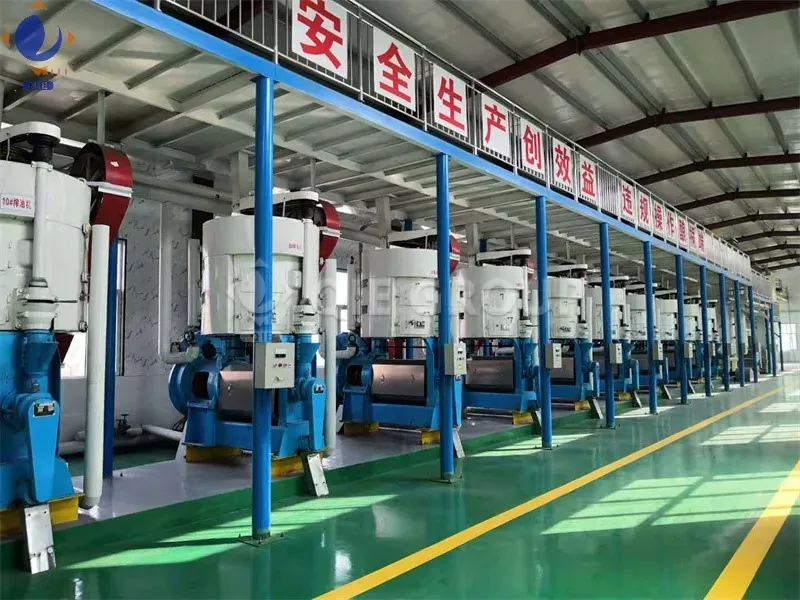
After steaming and frying, the raw material is fed into a screw press for pressing under high temperature and high pressure.
Features: High oil yield, rich oil aroma, but high temperature may cause some loss of nutrients.
| project | Cold pressing | Hot pressing |
|---|---|---|
| Applicable Products | High-end nutritional cold-pressed oil | Strongly aromatic oils, regular edible oils, and bulk industrial products |
| Oil yield | Relatively low | Relatively high |
| Flavor Preservation | Preserve natural flavor | Rich aroma |
| Refining Difficulty | lower | The crude oil is dark in color and requires a large refining load. |
| Suitable Scale | Small and medium-sized boutique lines | Medium and large continuous production lines |
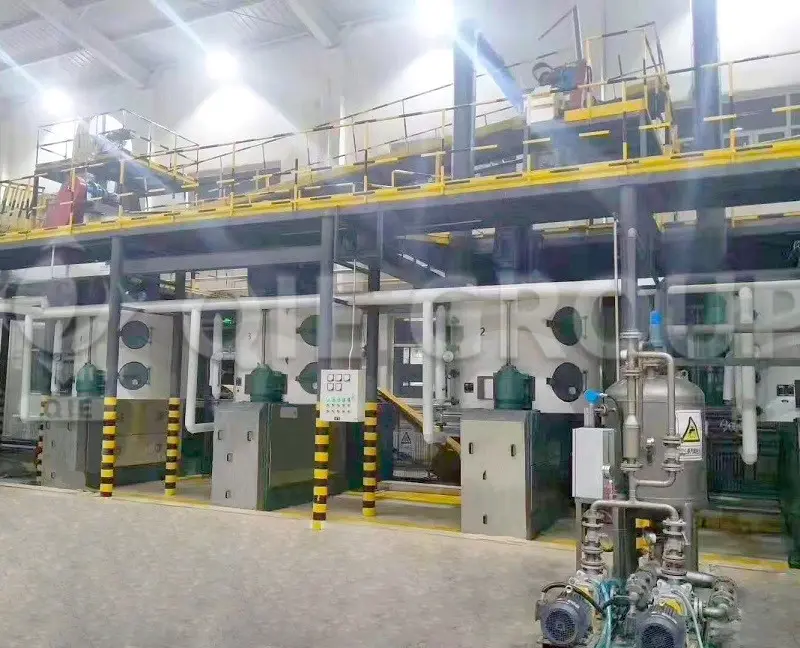
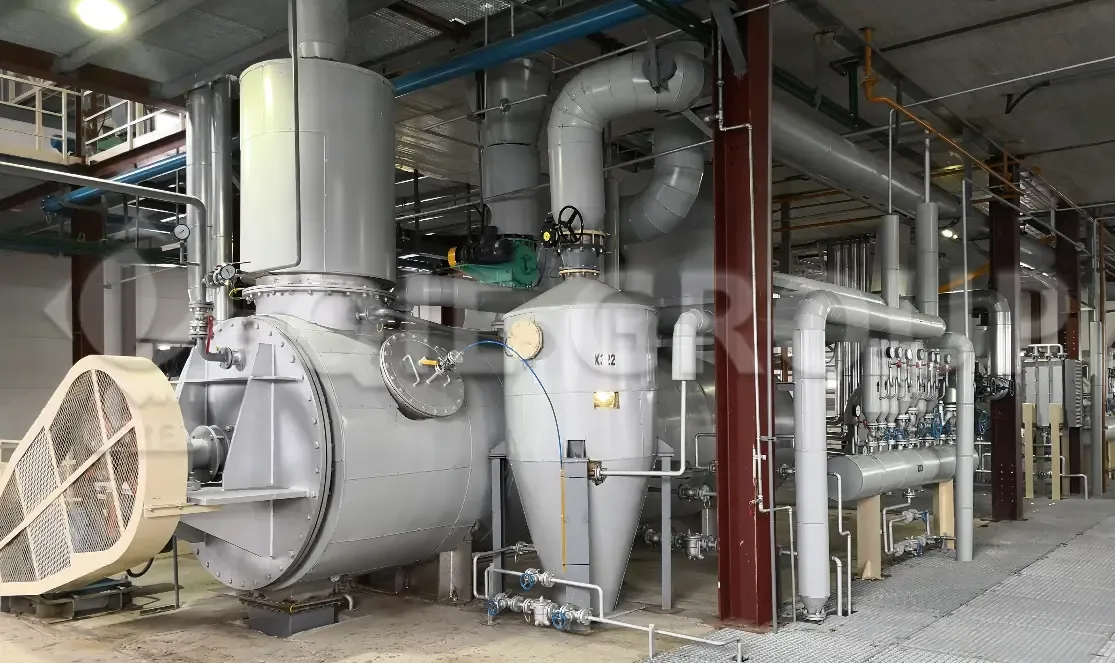
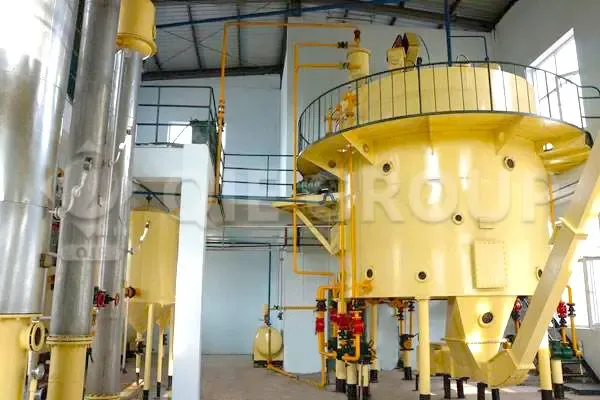
Solvent extraction of rapeseed oil is suitable for pre-pressed cake or puffed feed. It uses solvents such as n-hexane to extract the oil and is a standard feature of large-scale vegetable oil plants to improve resource utilization.
Process: Leaching → Mixed oil evaporation → Stripping → Desolventizing of wet meal → Solvent recovery
Safety is a top priority: explosion-proof design, exhaust gas treatment, VOC management, and automatic control linkage. 👉( Comparison of rapeseed oil processing methods: hot pressing, cold pressing, and solvent extraction )
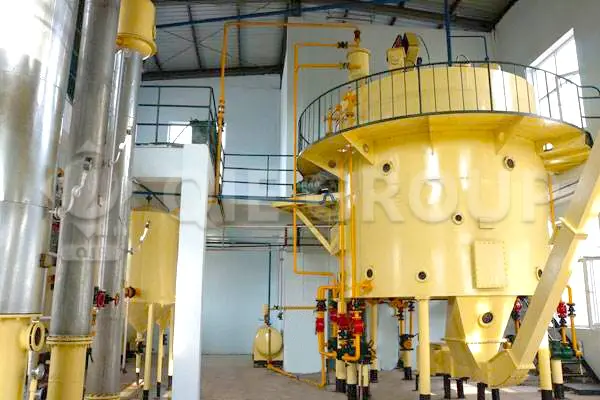
Both pressed and extracted crude rapeseed oil contain phospholipids, free fatty acids, pigments, waxes, trace metals, oxidation products, and off-flavor substances. To obtain edible oil that meets national standards or export requirements, stable rapeseed oil refining equipment and appropriate process parameters are essential.
| Refining steps | Technical goals | Parameters/Methods |
|---|---|---|
| Degumming | Dephospholipids, gums | Hydration degumming at 70–80℃; acid degumming |
| Deacidification | De-free fatty acids | Alkali refining or high vacuum distillation |
| Bleaching | Depigmentation, peroxide | Activated clay 0.5%~2%, vacuum 90~110℃ |
| Deodorize | Removes odors and oxides | 220–240℃, vacuum <3 mbar, 1.5–3h |
In professional edible oil processing technical guidelines, quality control must not be limited to "good color and normal smell." A truly stable rapeseed oil processing system must establish a comprehensive testing system from raw materials to finished products. Referring to current Chinese standards and industry practices for edible vegetable oils, the following indicators should be given special attention:
| Testing items | Reference control direction | significance |
|---|---|---|
| acid value | Grade 1 refined oil typically has lower levels, commonly <0.2 mgKOH/g. | Reflects the degree of hydrolysis of fats and oils |
| Peroxide value | Common <5 meq/kg | Reflects the initial oxidation status |
| Moisture and volatiles | Usually ≤0.10% | Affecting storage stability |
| Insoluble impurities | Typically ≤0.05% | Affects clarity and taste |
| Color | Control according to product standards and market requirements | Influence on sensory perception and grading |
| Phosphorus content | The lower the value, the better for stable storage. | Reflecting the degumming effect |
| Residual solution | Solvent-extracted oils must meet strict standards. | Food safety |
Recommendations: Online monitoring of temperature, flow rate, vacuum, and liquid level + shift inspection + batch sampling + anomaly tracing.
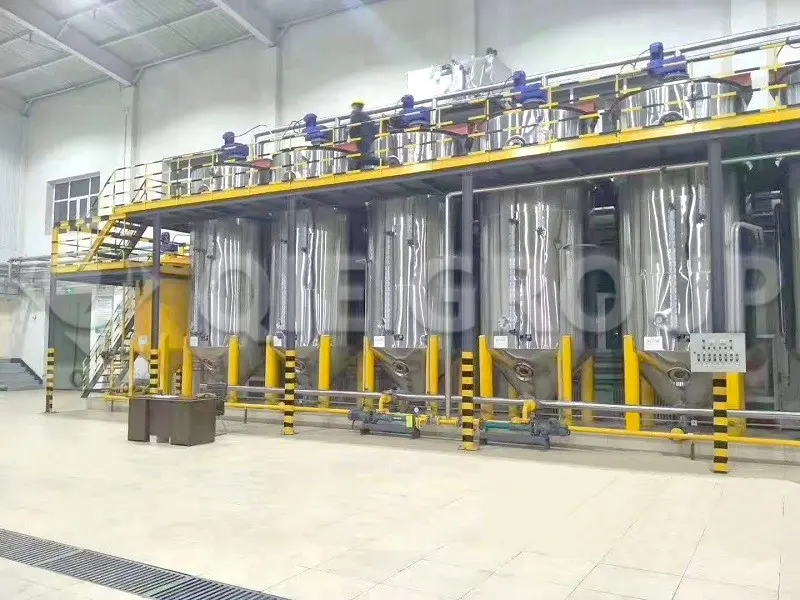
Many customers, when considering rapeseed oil refining equipment, often only look at the price per unit or the nominal processing capacity, neglecting system compatibility. In fact, raw material fluctuations, heat source conditions, automation level, finished oil product positioning, plant layout, and environmental approvals all affect equipment configuration options.
In its engineering deliveries, QIE Group typically offers different configuration levels based on customers' capacity requirements: small-scale pressing and refining lines, medium-scale pre-pressing and refining lines, large-scale leaching and refining lines, and customized EPC solutions. For customers, a truly cost-effective solution is not simply "piling up cheap equipment," but rather a system engineering project that can achieve long-term stable compliance, reduce unit energy consumption, and minimize downtime losses.
Prioritize checking the moisture content of the raw materials, steaming and frying temperature, feeding uniformity, screw wear, and cake thickness. In actual production, these factors account for the majority of the problems.
This is usually related to raw material aging, overcooking, excessively high pressing temperature, and poor impurity control. Do not simply increase the amount of bleaching clay; instead, trace back to the previous stages of the process.
Check the equipment sealing points, exhaust gas condensation efficiency, residual solvent in the meal, cooling water temperature, and the operational stability of the recovery system. Also, investigate losses caused by unplanned shutdowns.
Key areas of focus include peroxide value, residual metal ions, packaging sealing, nitrogen sealing of storage tanks, and light exposure conditions. Many problems with refined oil products do not occur within the refining tower, but rather during the storage and transportation stages after the product leaves the factory.
Whether you need optimization of rapeseed oil pressing process, design of rapeseed oil solvent extraction system, selection of rapeseed oil refining equipment, or a turnkey project for the entire plant, we can provide more practical technical routes and equipment suggestions based on raw material conditions, production capacity targets, finished product positioning and investment budget.
 sunflower oil processing plant high-yield sunflower oil production premium sunflower oil plant design sunflower oil dewaxing and refining turnkey sunflower oil plant
500 TPD edible oil production line edible oil processing oil engineering pressing process solvent extraction refining equipment automation control
avocado pomace oil extraction avocado oil refining high-efficiency oil extraction low-temperature expansion vacuum negative-pressure extraction
complete rapeseed oil processing line rapeseed oil refinery rapeseed oil production plant rapeseed oil processing equipment pre-press solvent extraction
Palm oil production line Automated oil processing equipment Customized production equipment High-efficiency production line Oil pressing equipment
sunflower oil processing plant high-yield sunflower oil production premium sunflower oil plant design sunflower oil dewaxing and refining turnkey sunflower oil plant
500 TPD edible oil production line edible oil processing oil engineering pressing process solvent extraction refining equipment automation control
avocado pomace oil extraction avocado oil refining high-efficiency oil extraction low-temperature expansion vacuum negative-pressure extraction
complete rapeseed oil processing line rapeseed oil refinery rapeseed oil production plant rapeseed oil processing equipment pre-press solvent extraction
Palm oil production line Automated oil processing equipment Customized production equipment High-efficiency production line Oil pressing equipment





.png?x-oss-process=image/resize,h_100,m_lfit/format,webp)
.png?x-oss-process=image/resize,h_100,m_lfit/format,webp)
.png?x-oss-process=image/resize,h_100,m_lfit/format,webp)


.webp?x-oss-process=image/resize,m_fill,h_800,w_800/format,webp)


