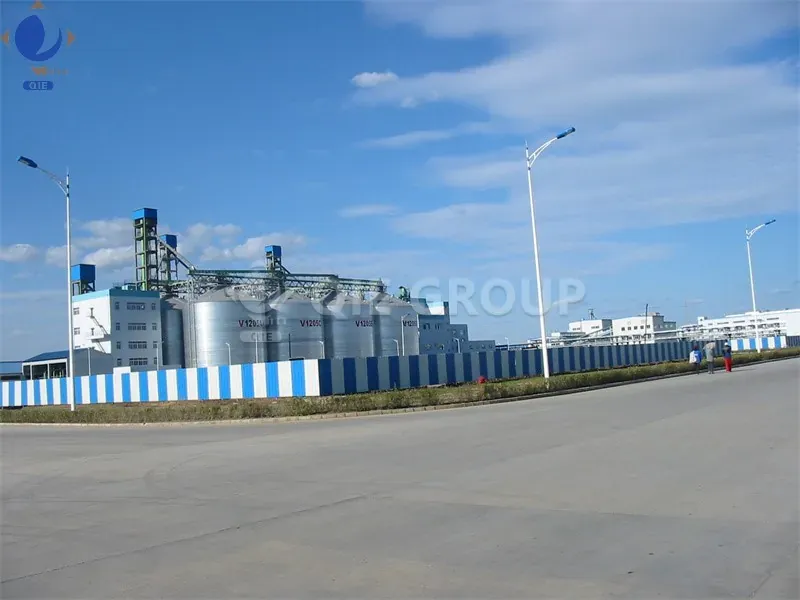
Low oil yield, unstable acid value, and damaged flavor in peanut oil? The core issues often lie in the pressing and extraction processes. Leveraging our global experience in edible oil processing equipment and solutions, we achieve the optimal balance between oil yield, oil quality, and energy consumption through precise control of key process variables. This helps our clients build efficient, low-energy, stable, and replicable peanut oil production lines. 👉( Peanut Oil Processing Plant Guide )
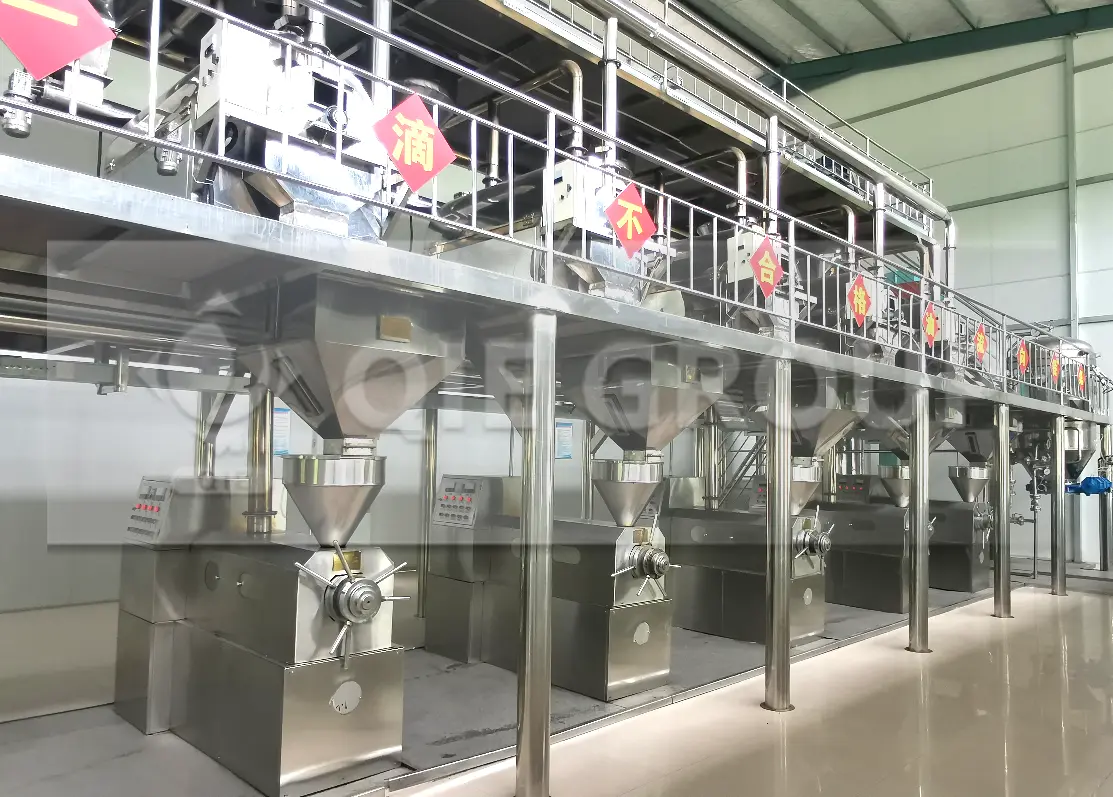
Experience tells us that pressing and solvent extraction are the most sensitive points affecting oil yield and oil quality. These two stages determine the oil extraction efficiency of the first pressing and the thoroughness of subsequent oil release, respectively, and directly affect the control of residual oil, solvent introduction, gum content, and trace impurities. If we consider them as the "upper limit and lower limit," then:
We summarize the key variables in peanut oil processing into three major variables linked together plus a refining closed loop, with the goal of enabling on-site operators to "see clearly, adjust accurately, and run steadily".
1. Temperature and humidity control during the conditioning stage
By softening the peanuts to a suitable degree and denaturing the proteins, the cell walls are broken more thoroughly during pressing, resulting in a cake structure that is more conducive to leaching.
2. Coordination of pressure and temperature rise in the press
Higher pressure is not always better; it needs to be matched with the moisture content of the raw materials, the thickness of the flakes, and the spiral structure to avoid the oil color darkening or overheating and coking.
3. Solvent flow rate and contact efficiency in the leaching unit
By using stable flow rate, gradient distribution, and countercurrent contact, the oil is fully released while reducing solvent consumption and improving recovery efficiency.
4. Refined quality closed loop
Degumming, deacidification, decolorization, and deodorization are carried out according to standard operating procedures, which reduces acid value while preserving flavor and nutrients.
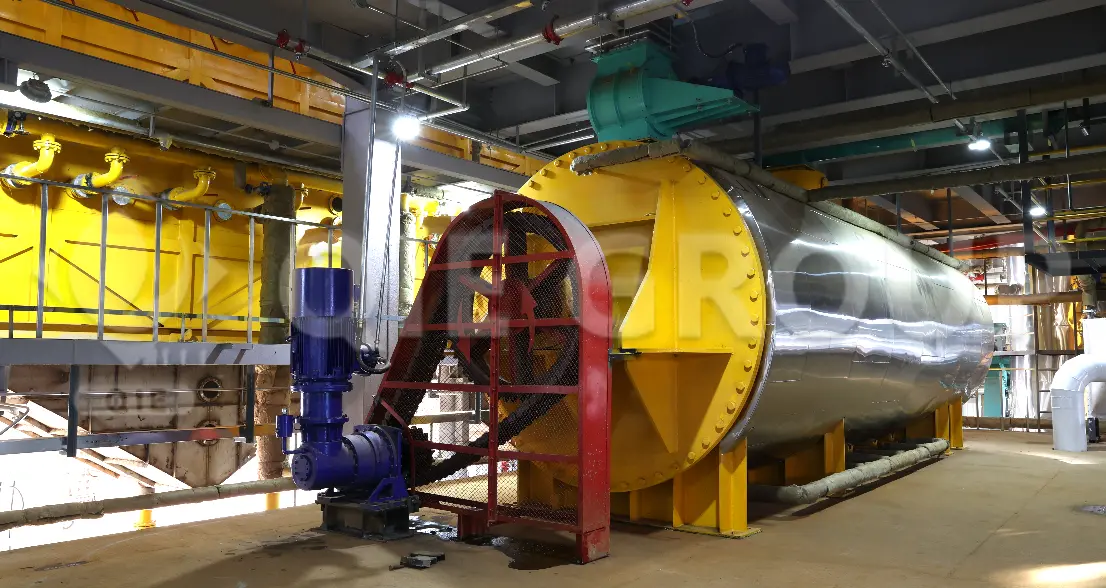
| Key links | Key optimization points | Contribution to oil yield | Impact on oil quality | Energy consumption performance | Practical data |
|---|---|---|---|---|---|
| press | Temperature and humidity conditioning, cake extrusion structure control, pressure and screw matching | Improve the efficiency of the first pressing and reduce the load on subsequent leaching. | Reduce the risk of overheating and charring, and preserve the color and aroma of the oil. | Avoid unnecessary energy consumption and reduce rework. | Residual oil content ≤ 0.5% |
| Leaching | Stable solvent flow rate, countercurrent contact, and sufficient exchange | Overall oil yield increased by 12-15%. | Fewer impurities, easier to refine | Optimize solvent recovery and reduce losses | Linked control of residual oil improves overall production output. |
| Refining | Precise matching of conditions for degumming/deacidification/decolorization/deodorization | Reduce oil loss and increase yield | Lower acidity stabilizes aroma and nutrients. | Avoid over-processing that leads to increased energy consumption | The stability of the finished product has been significantly improved. |
| Heat recovery | Heat exchanger network optimization and waste heat cascade utilization | Release effective production capacity space | More stable temperature control during the process, resulting in smaller quality fluctuations. | Total energy consumption can be reduced by approximately 10%. | Excellent in both energy efficiency and cost |
Refining ensures oil stability and reduces acid value, while preserving the natural aroma and nutrients of peanuts.
Degumming is timely, removing impurities without damaging nutrients;
Deacidification is safe, reducing acid value without compromising flavor;
The color is removed evenly, leaving the oil clear and not yellow.
It deodorizes gently, protecting aroma and nutrients.
The four steps are interconnected, preserving both the flavor and shelf life and safety standards.
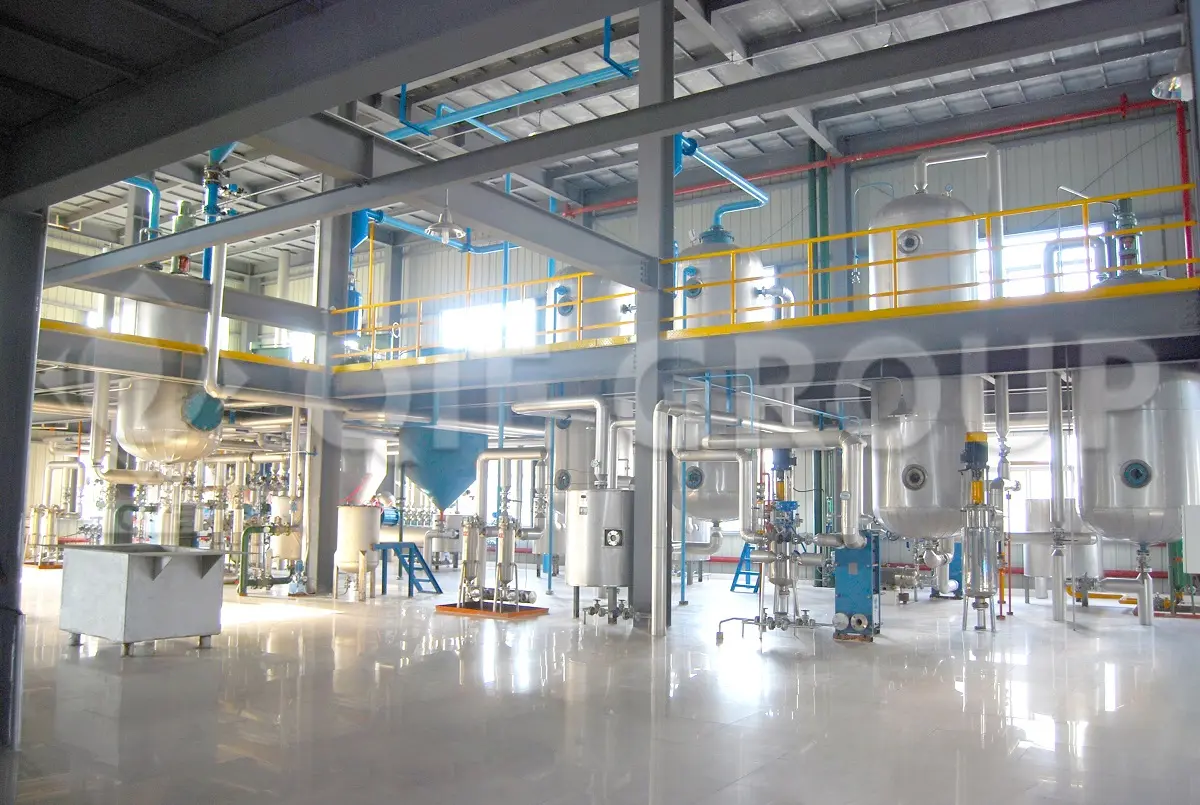
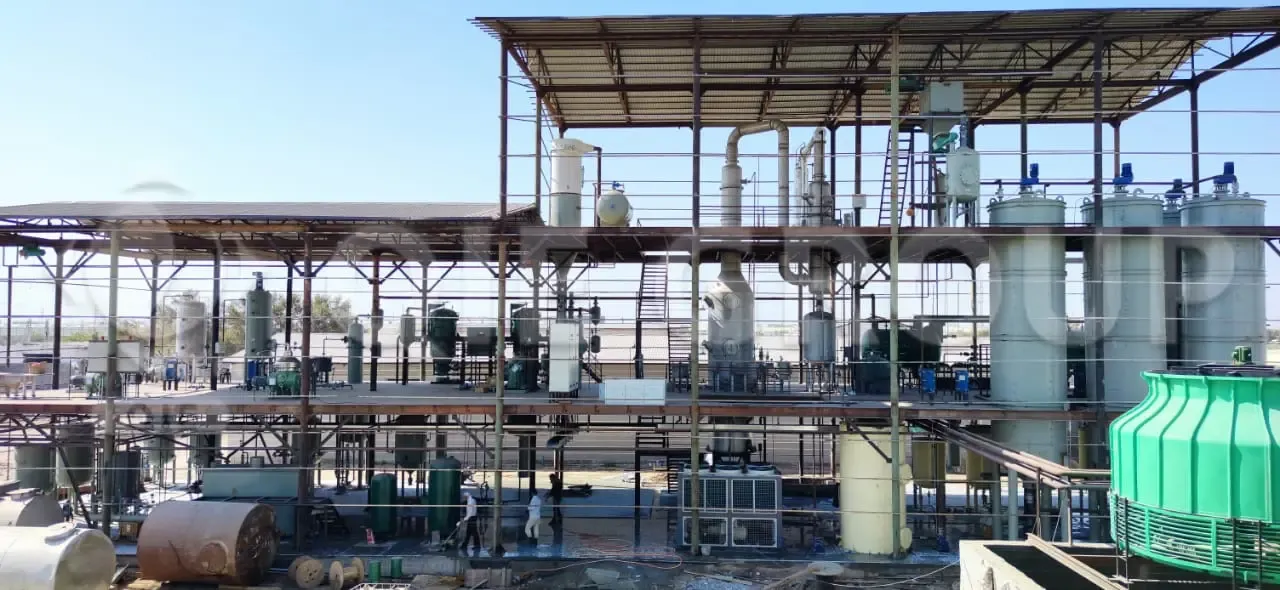
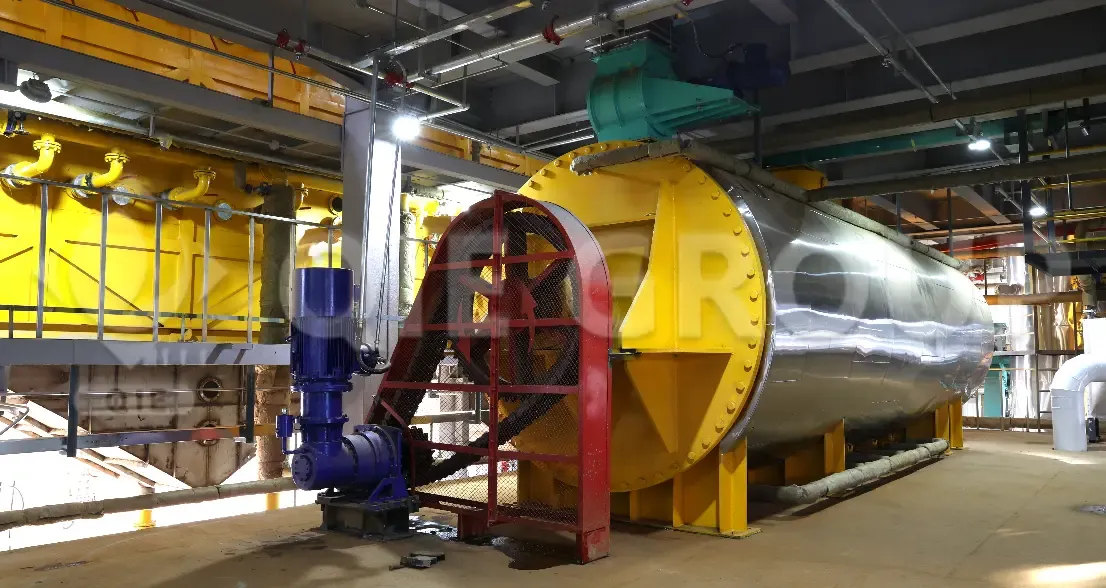
High efficiency in a single piece of equipment is just the beginning of energy conservation. The QIE Group focuses more on the thermal management of the entire production line—through optimization of the heat exchange network, waste heat recovery, and process synergy, total energy consumption can be reduced by approximately 10%. This not only means considerable savings in production costs but also substantial optimization of carbon emissions and environmental impact, making it particularly suitable for customers who want to build green factories and obtain certifications and audits.
Whether building a new peanut oil production line or upgrading an existing one, the key is to achieve maximum stability at the lowest cost. QIE Group typically focuses on four key areas:
Raw material standardization
Process parameters on the cloud
Bottleneck equipment replacement
Thermal network optimization
💡 This allows for the stabilization of residual oil rate and acid value before improving overall oil yield and reducing energy consumption. The process is transparent and the data is traceable.
QIE Group typically focuses on four key areas: raw material standardization, cloud-based process parameters, bottleneck equipment replacement, and thermal network correction. This approach first stabilizes residual oil yield and acid value, then promotes the coordinated optimization of overall oil yield and energy consumption. The process is transparent and data is traceable, facilitating quality traceability and capacity calculation.
If you are evaluating the upgrade of your peanut oil production line, or want to make production more stable and efficient, QIE Group can provide a complete process package solution from pretreatment, pressing, leaching to refining.
We help you find the optimal balance between oil yield and oil quality, resulting in more stable aroma and more reliable nutrition in your peanut oil. Through continuous optimization of the refining process, your brand can stand out in the market with its "great taste and genuine quality."
Get your personalized oil yield enhancement solution: link pressing and extraction, stabilize acid value, enhance flavor, and optimize energy consumption.
Inquire now to get a peanut oil production line optimization solution. Palm fruit oil Energy saving Palm oil production line Palm Oil Screw Press Palm fruit vertical fermentation tank
Rapeseed Oil Refining Machine Rapeseed oil processing plant refining equipment Rapeseed oil 50 tons per day refiner Rapeseed oil cold pressing oil refining equipment Rapeseed oil deacidification and deodorization equipment
small-scale sunflower oil plant sunflower oil processing equipment sunflower oil production line sunflower oil refining equipment sunflower oil dewaxing
Cottonseed oil pretreatment Cottonseed oil production equipment Cottonseed oil processing technology Cottonseed oil extraction technology Edible oil processing equipment
Edible oil processing plant Grease equipment Edible oil press Solvent extraction equipment Edible oil factory investment Edible oil refining
Palm fruit oil Energy saving Palm oil production line Palm Oil Screw Press Palm fruit vertical fermentation tank
Rapeseed Oil Refining Machine Rapeseed oil processing plant refining equipment Rapeseed oil 50 tons per day refiner Rapeseed oil cold pressing oil refining equipment Rapeseed oil deacidification and deodorization equipment
small-scale sunflower oil plant sunflower oil processing equipment sunflower oil production line sunflower oil refining equipment sunflower oil dewaxing
Cottonseed oil pretreatment Cottonseed oil production equipment Cottonseed oil processing technology Cottonseed oil extraction technology Edible oil processing equipment
Edible oil processing plant Grease equipment Edible oil press Solvent extraction equipment Edible oil factory investment Edible oil refining






.png?x-oss-process=image/resize,h_100,m_lfit/format,webp)
.png?x-oss-process=image/resize,h_100,m_lfit/format,webp)
.png?x-oss-process=image/resize,h_100,m_lfit/format,webp)