In the context of expanding global edible oil demand and increasingly diversified raw material structures, oil processors face a fundamental engineering question: Which oil extraction process delivers the optimal balance between oil yield, product quality, investment cost, safety, and long-term profitability?
Because oilseeds such as soybean, rapeseed, sunflower seed, peanut, palm kernel, and corn germ differ significantly in oil content, cellular structure, non-oil components, and downstream product positioning, no single extraction method fits all scenarios.
In industrial practice, mechanical pressing and solvent extraction remain the two dominant oil recovery technologies. The choice between them—or the combination of both—directly determines a plant's ROI, unit production cost, product portfolio, and market competitiveness.
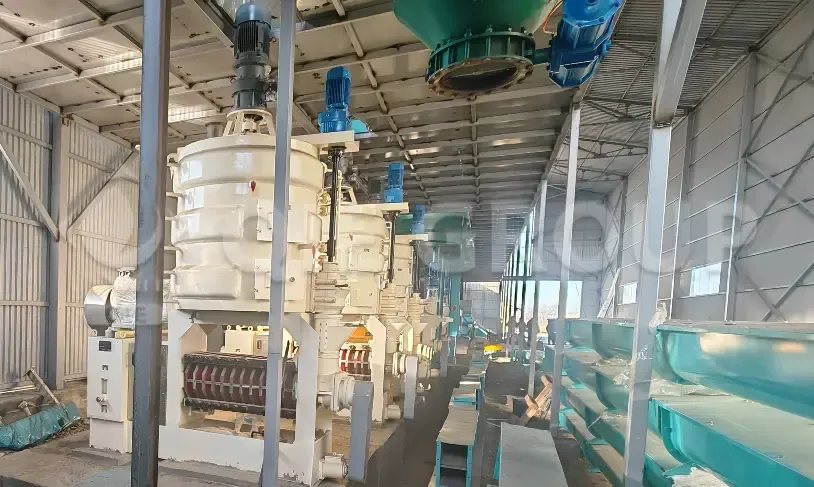
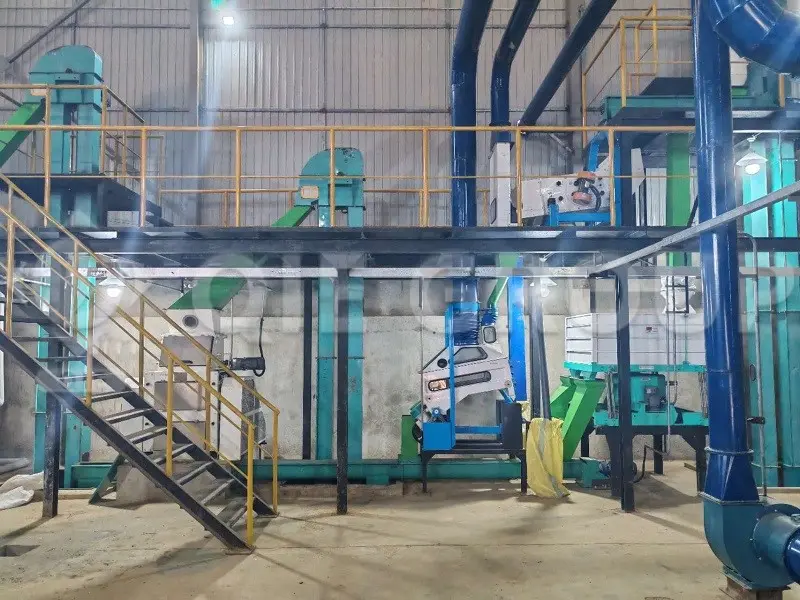
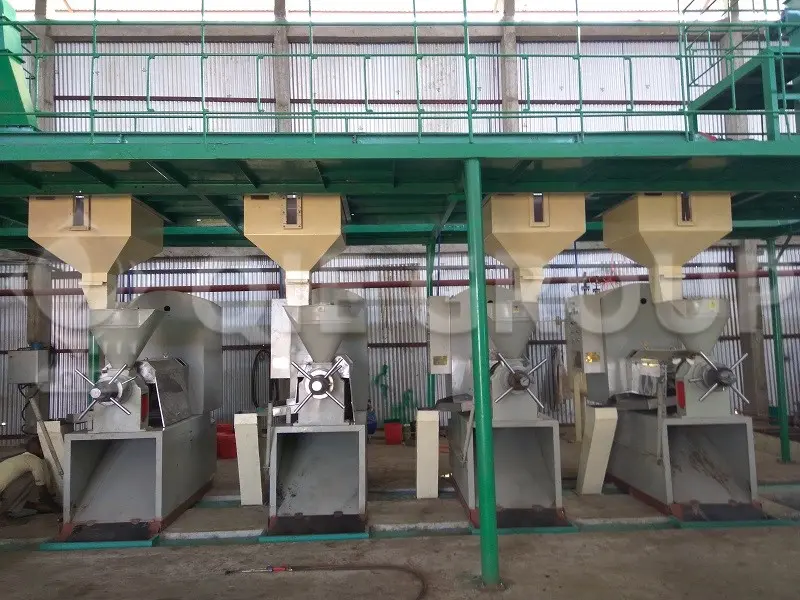
Mechanical pressing is a purely physical oil extraction method. Oil is released from oil-bearing cells by high mechanical pressure without the use of chemical solvents. Based on processing temperature, pressing is generally classified into cold pressing and hot pressing.
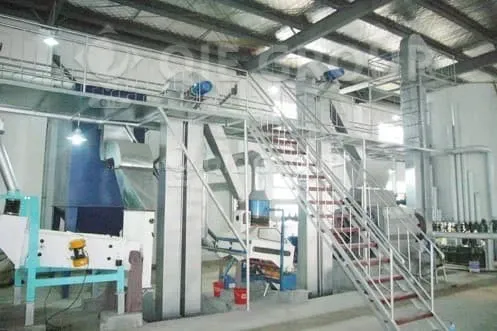
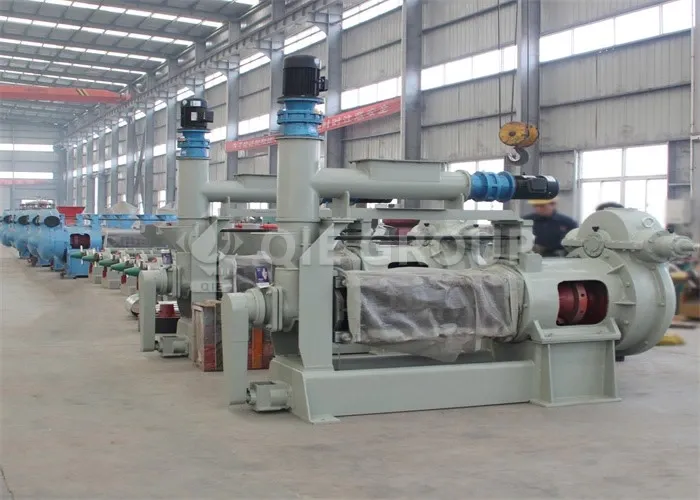
Core Equipment: Screw oil presses, seed pretreatment systems (cleaning equipments, crushers, flakers, steam cookers), crude oil filtration units.
Solvent extraction utilizes the high solubility of oil in organic solvents—n-hexane being the industry standard.
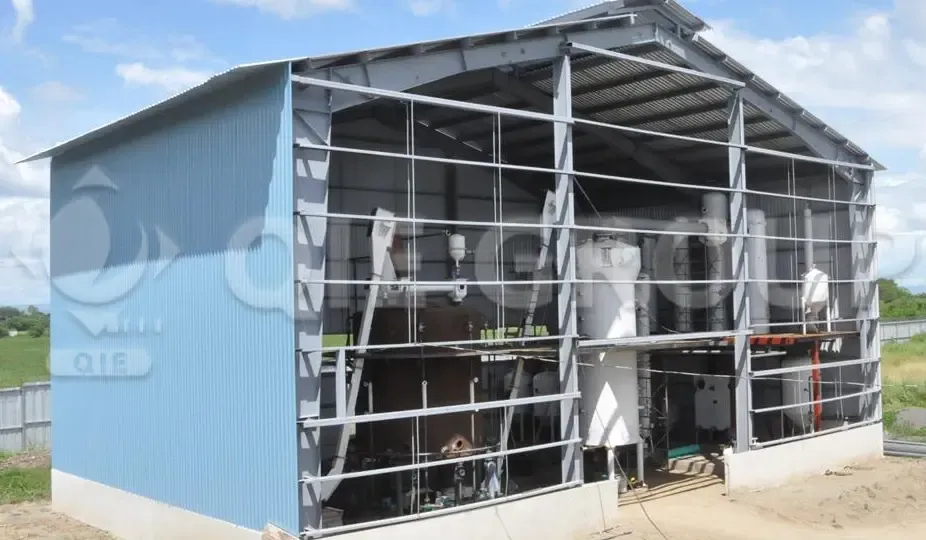
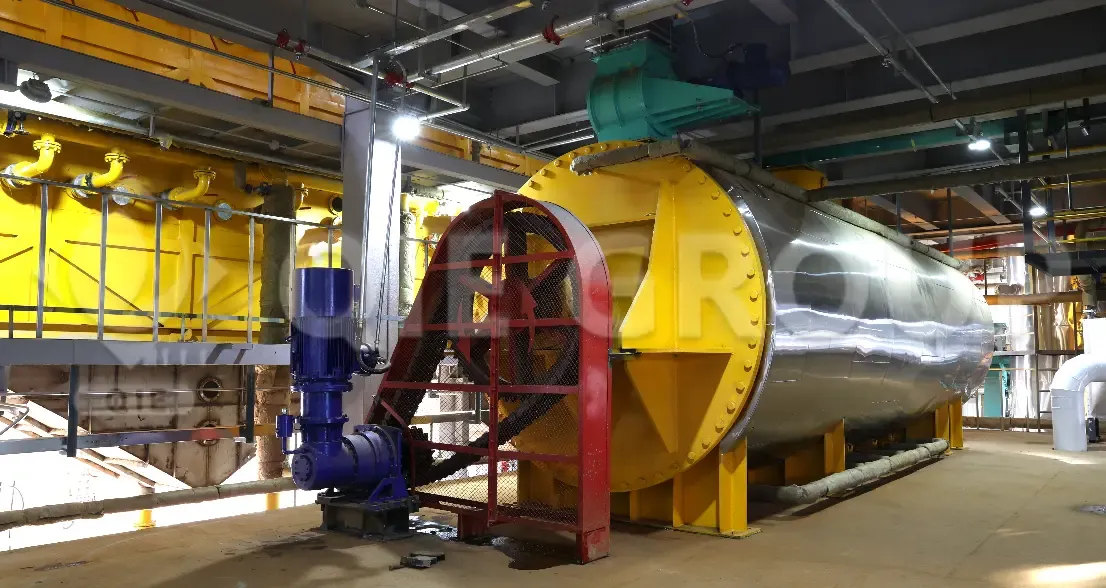
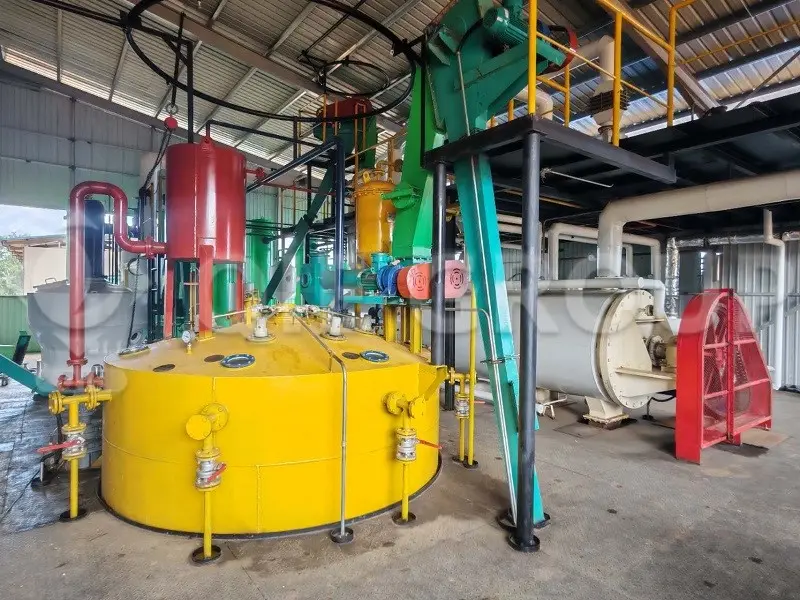
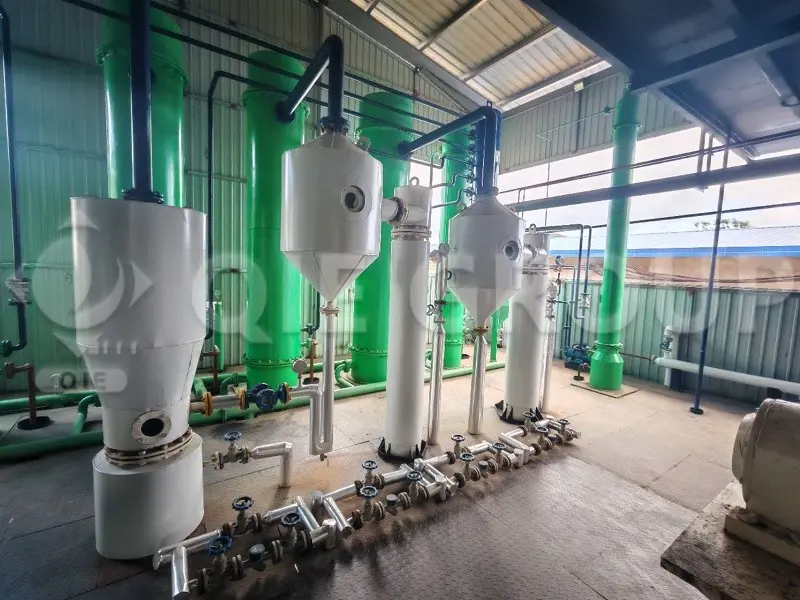
Prepared material (flakes, expanded material, or pre-press cake) is contacted counter-currently with solvent in the extractor, forming miscella. Oil is recovered through evaporation and stripping, while solvent is recycled. Extracted meal is processed in a DTDC (Desolventizer-Toaster-Dryer-Cooler) system.
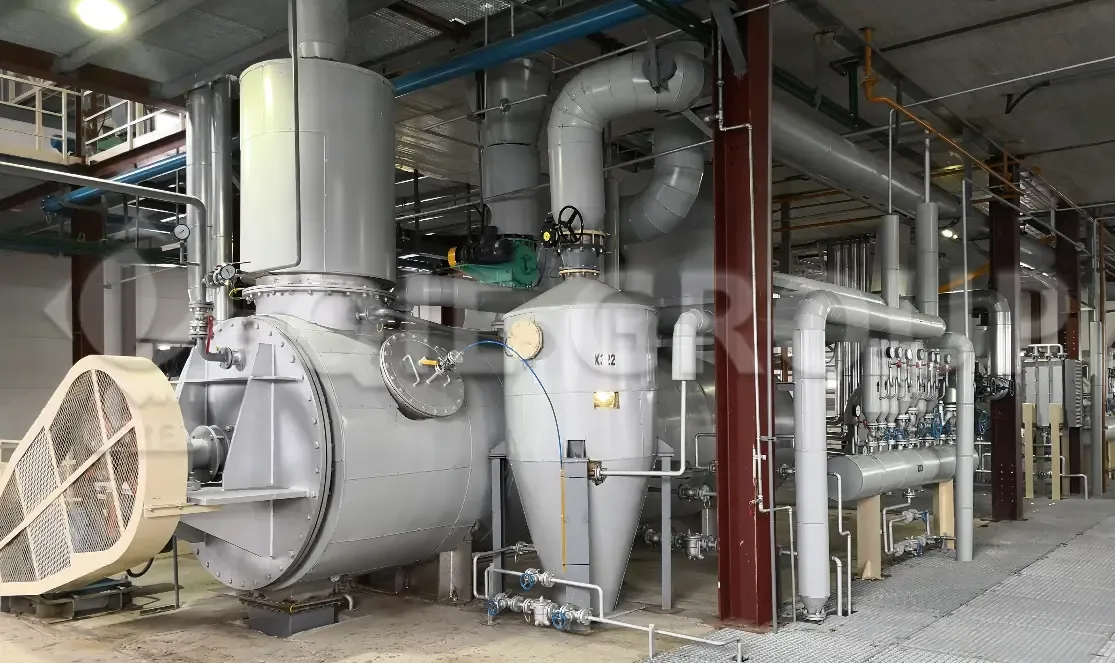
Core Equipment: Extractor (loop, rotary, drag chain, etc.), DTDC system, evaporation and solvent recovery units.
Important clarification: Rapeseed (canola) is generally a medium- to high-oil seed (≈38–45%), not a low-oil material. It can be processed by pressing alone or by pre-pressing + extraction to further reduce residual oil.
| Dimension | Mechanical Pressing | Solvent Extraction |
|---|---|---|
| Suitable oilseeds | High-oil, specialty oils | Low-/medium-oil, bulk oils |
| Oil yield | Medium | Very high |
| Crude oil quality | Cleaner, fewer gums | Requires deeper refining |
| Capital investment | Medium | High |
| Safety & environment | Lower risk | Strict compliance required |
| Scale economy | Limited | Strong at large scale |
In a large palm kernel oil project in Southeast Asia, the client initially relied on a single pressing line, with press cake residual oil reaching 9%, resulting in significant raw material losses.
QIE Group designed a pre-pressing + solvent extraction turnkey solution, integrating high-efficiency screw presses with an optimized extraction and solvent recovery system. The final meal residual oil was reduced to ≤1%, dramatically improving overall oil yield and shortening the project payback period.
Pressing and solvent extraction are not competitors, but complementary tools in edible oil engineering. The optimal solution depends on oilseed characteristics, product positioning, production scale, cost structure, and regulatory requirements.
Successful edible oil investments start with a clear understanding of these variables—and with selecting an engineering partner capable of integrated design, execution, and long-term operational support (EPC turnkey oil plant).
Contact QIE Group now to find the right pressing method for your oilseeds.
 растительное масло завод по переработке пищевого масла оборудование для рафинации пищевого масла проект EPC маслобойни полный комплекс по переработке нефти производитель маслоэкстракционных машин
Оборудование для прессования пальмового масла Оборудование для прессования пальмоядрового масла Линия по переработке пальмового масла Пресс для пальмоядрового масла Поставщик оборудования для производства пальмового масла
Процесс прессования плодов пальмы Пресс для пальмового масла Линия по производству пальмового масла Оборудование для переработки пальмового масла Процесс производства пальмового масла
Оборудование для предварительной обработки масла из рисовых отрубей Линия по производству экспандирования и экстракции рисовых отрубей Оборудование для рафинации масла из рисовых отрубей Проект «под ключ» линии по производству масла из рисовых отрубей План конфигурации линии по производству мелкого рисового масла Цена оборудования для производства масла из рисовых отрубей мощностью 50 тонн в день
Пресс для пальмового масла производительностью 5 тонн/час Линия по производству пресса для пальмового масла Двухшнековый пресс для пальмового масла Промышленное оборудование для экстракции пальмового масла Машина для отделения и прессования пальмовых ядер
растительное масло завод по переработке пищевого масла оборудование для рафинации пищевого масла проект EPC маслобойни полный комплекс по переработке нефти производитель маслоэкстракционных машин
Оборудование для прессования пальмового масла Оборудование для прессования пальмоядрового масла Линия по переработке пальмового масла Пресс для пальмоядрового масла Поставщик оборудования для производства пальмового масла
Процесс прессования плодов пальмы Пресс для пальмового масла Линия по производству пальмового масла Оборудование для переработки пальмового масла Процесс производства пальмового масла
Оборудование для предварительной обработки масла из рисовых отрубей Линия по производству экспандирования и экстракции рисовых отрубей Оборудование для рафинации масла из рисовых отрубей Проект «под ключ» линии по производству масла из рисовых отрубей План конфигурации линии по производству мелкого рисового масла Цена оборудования для производства масла из рисовых отрубей мощностью 50 тонн в день
Пресс для пальмового масла производительностью 5 тонн/час Линия по производству пресса для пальмового масла Двухшнековый пресс для пальмового масла Промышленное оборудование для экстракции пальмового масла Машина для отделения и прессования пальмовых ядер


.png?x-oss-process=image/resize,h_100,m_lfit/format,webp)
.png?x-oss-process=image/resize,h_100,m_lfit/format,webp)
.png?x-oss-process=image/resize,h_100,m_lfit/format,webp)