1. What Equipment Does a Peanut Oil Production Plant Need?
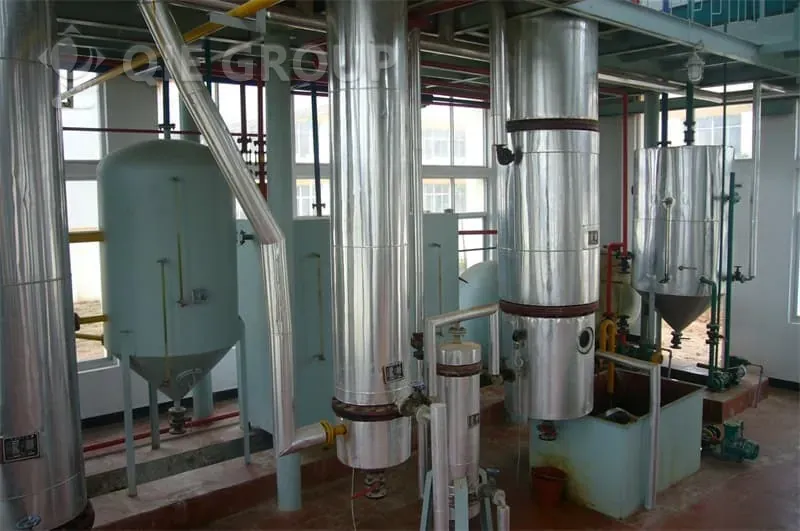
A peanut oil production plant typically includes the following equipment modules. The final configuration depends on whether the plant processes shelled peanuts or peanut kernels and whether it produces crude or refined oil.
| Equipment Module | Main Equipment | Function |
|---|---|---|
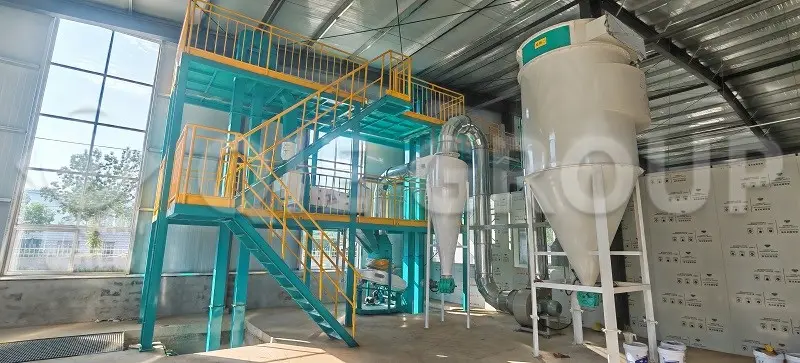
| Cleaning and preparation | Screens, destoners, magnetic separators | Remove stones, metal, and other impurities |
| Shelling (if required) | Peanut sheller and kernel-shell separator | Separate kernels from shells when processing unshelled peanuts |
| Conditioning | Crusher, flaker, cooker or conditioner, as required | Prepare the peanut material for efficient pressing |
| Oil pressing | Screw oil press | Extract oil mechanically from prepared peanut material |
| Oil clarification | Oil settling tank, filter press or other filtration system | Remove suspended solids from crude oil |
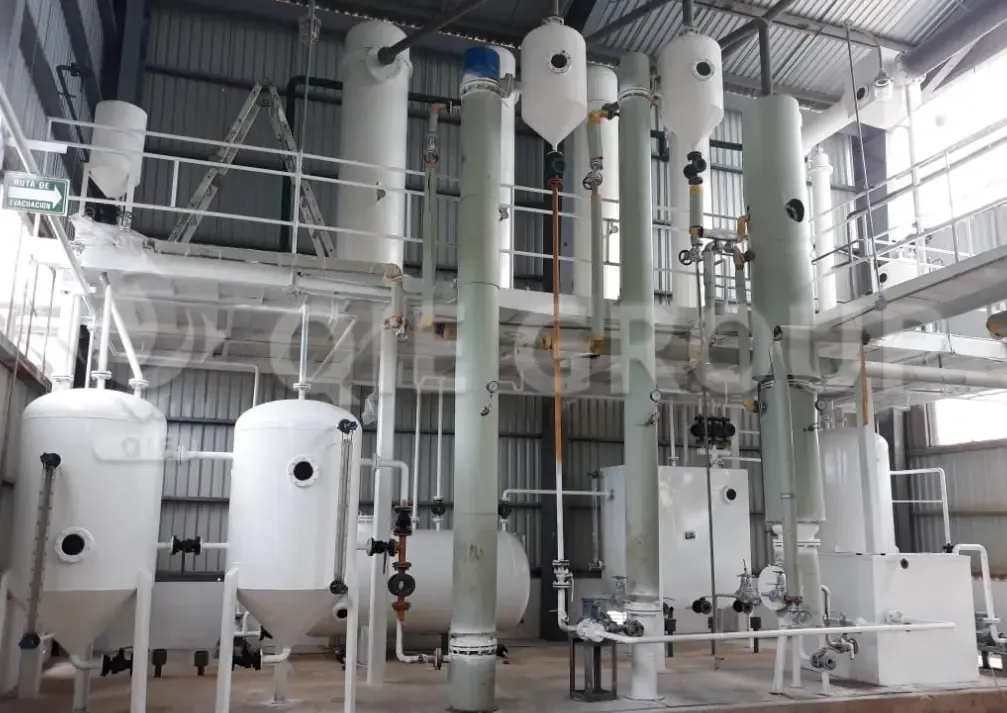
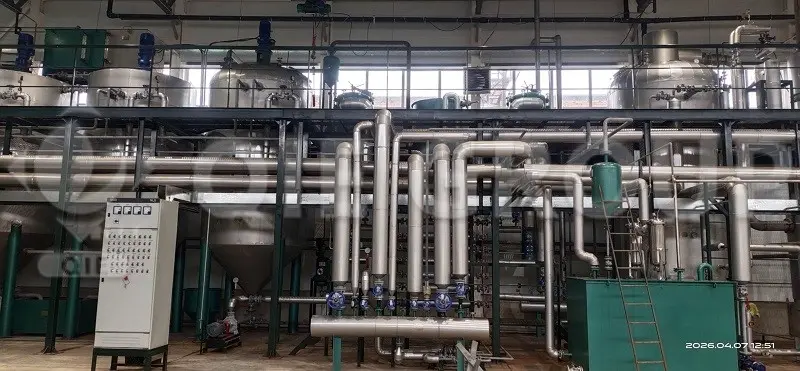
| Oil refining (optional) | Degumming, neutralization or deacidification, bleaching, deodorization equipment as required | Improve oil quality to meet the intended product specifications |
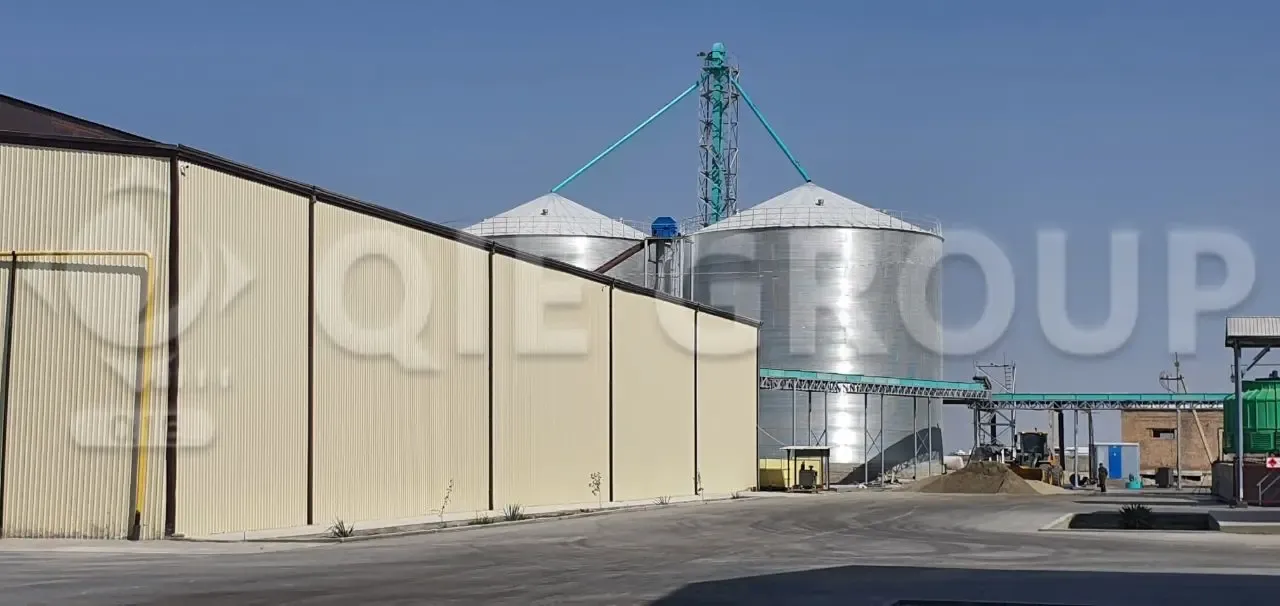
| Storage and packaging (optional) | Oil tanks, pumps, filling and packaging machines | Store and package oil for distribution |
For a basic mechanical pressing plant, the main processing line includes cleaning, necessary preparation, pressing, and crude oil filtration. Refining and packaging equipment can be included when the project requires finished, packaged edible oil.
Not every plant needs every machine. For example, shelling equipment may be unnecessary when the plant purchases cleaned peanut kernels, while the refining configuration depends on crude oil quality and the required final product.
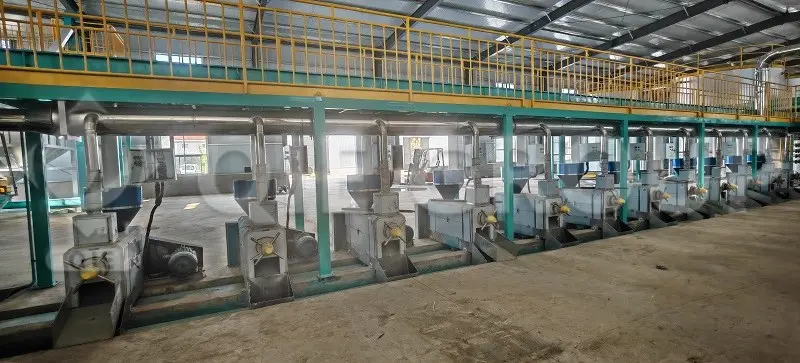
2. Equipment Configuration by Processing Capacity
Processing capacity is usually expressed in metric tons of raw material processed per day (TPD), not tons of oil produced. The following ranges are illustrative planning categories rather than fixed industry standards.
| Processing Capacity | Typical Configuration Considerations | Suitable Planning Focus |
|---|---|---|
| 1–5 TPD | Compact cleaning, preparation, pressing, and filtration equipment | Simple operation, manageable investment, and room for future expansion |
| 5–10 TPD | Higher-capacity pressing equipment or multiple presses, with suitable material handling | Balanced equipment capacity and continuous operation |
| 10–30 TPD | Integrated preparation, pressing, filtration, and automated conveying as required | Coordinated equipment capacity and reduced manual handling |
| 30–100 TPD | Larger or multiple processing units, integrated material handling, and optional refining | Production continuity, energy use, and process integration |
| Above 100 TPD | Engineered industrial-scale systems; evaluate pre-pressing and solvent extraction where appropriate | Residual oil targets, operating economics, safety systems, and overall plant integration |
Base equipment selection on the required daily throughput, operating hours, raw material characteristics, and each processing unit's performance. A plant operating for fewer hours per day may need higher instantaneous equipment capacity to achieve the same daily target.
For larger projects, mechanical pressing alone may not provide the desired residual oil level in the press cake. A pre-pressing and solvent extraction system can be evaluated when the expected oil recovery and project economics justify the additional equipment and operating requirements.
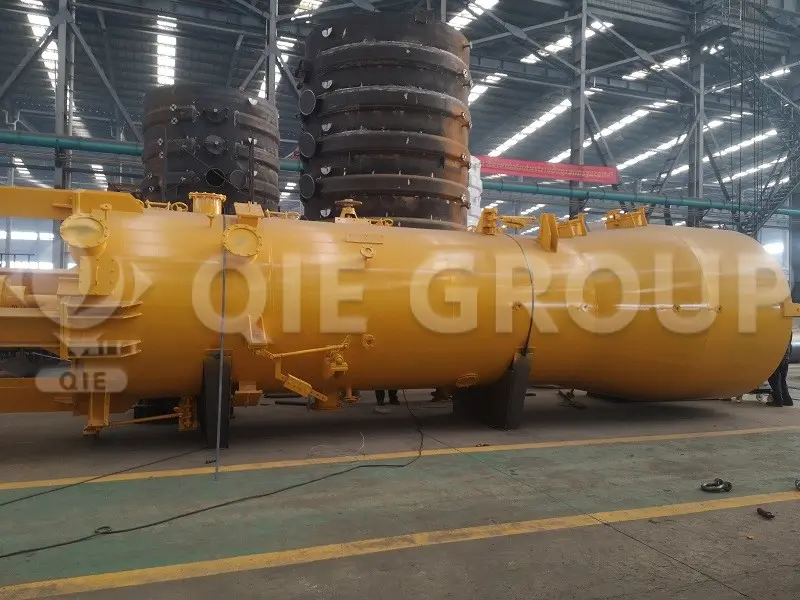
3. What Affects Peanut Oil Processing Equipment Investment?
There is no single equipment price that applies to every peanut oil plant. Investment depends on the processing scope, equipment specifications, and project requirements.
When comparing quotations, check whether each supplier is quoting for equipment only, a complete processing line, or a turnkey project. Also confirm the stated capacity, included equipment, utilities, materials of construction, installation scope, and performance guarantees.
For a broader comparison of complete production-line pricing, see How Much Does a Peanut Oil Production Line Cost?.
4. How to Select the Right Equipment Configuration
Before requesting a quotation, define five key project requirements:
- Daily processing capacity: Specify the target quantity of peanuts processed per day and the planned operating hours.
- Raw material: Clarify whether the plant will process unshelled peanuts or cleaned kernels, including relevant moisture and impurity conditions where known.
- Extraction method: Determine whether mechanical pressing is suitable or whether pre-pressing and solvent extraction should be evaluated.
- Finished product: Specify whether the output will be crude peanut oil or refined edible oil, together with any applicable quality requirements.
- Project scope: Confirm whether the quotation should cover processing equipment only or also refining, storage, packaging, installation, and commissioning.
These details help suppliers select compatible equipment rather than simply matching machines to a nominal capacity. They also make quotations from different suppliers easier to compare.
If you are planning a new facility and need guidance on the overall project sequence, see How to Start a Peanut Oil Processing Plant.
5. FAQ
What is the essential equipment for a small peanut oil production plant?
A small mechanical pressing plant generally needs cleaning equipment, any necessary raw material preparation equipment, a screw oil press, and an oil filtration system. Shelling, refining, storage, and packaging equipment depend on the raw material and product requirements.
Does a peanut oil production plant need refining equipment?
Not always. A plant selling crude oil may not require an on-site refining line. A plant producing refined edible oil needs a suitable refining process based on the crude oil characteristics and final product specifications.
How does processing capacity affect equipment selection?
Higher daily throughput generally requires greater machine capacity, more material handling equipment, or multiple processing units. Equipment must also be matched to operating hours and the capacity of upstream and downstream stages to avoid bottlenecks.
What information is needed for an accurate equipment quotation?
Provide the target daily capacity, raw material condition, extraction method if known, required oil product, operating hours, project location, and desired supply scope. These details help establish a more meaningful equipment configuration and quotation.
Request a Peanut Oil Processing Equipment Proposal
QIE GROUP can evaluate peanut oil processing equipment requirements based on your raw material, target capacity, and finished product specifications.
To discuss a suitable configuration, provide your planned processing capacity, whether you will use shelled or unshelled peanuts, and whether you require crude oil filtration or a complete refining and packaging line.