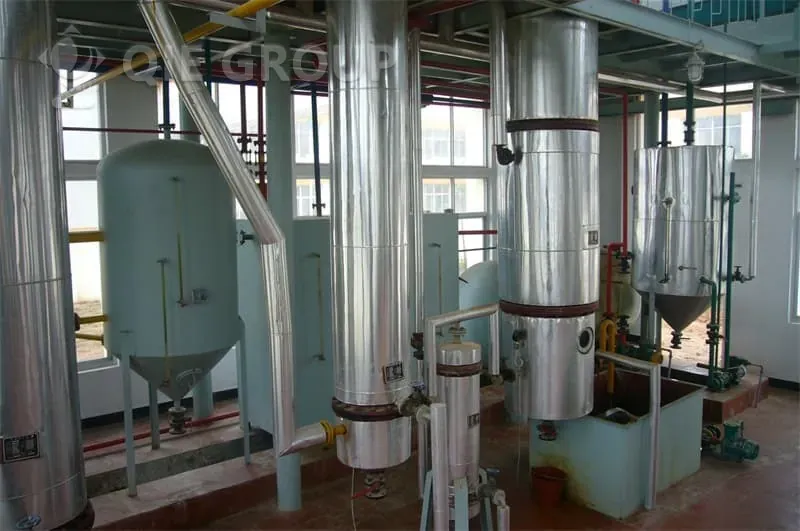
In today's edible oil market, the real competitive advantage no longer lies in buying a "non-breaking oil press," but in the precision of the processing ratio. Choosing the wrong model results in incomplete extraction and wasted residual oil in the oil cake; choosing the wrong model leads to excessive energy consumption when idle, which can eat up profits.
Based on its years of experience in the oleochemicals industry, QIE Group recommends that investors focus on three key indicators: oil yield, energy consumption per ton of oil, and solvent loss, starting from the "total life cycle cost".
Peanut oil, due to its high smoke point and unique aroma, enjoys a very high premium in the global edible oil market (especially in Asia, Africa, and South America). However, for investors, the biggest risk lies in "misallocation":
QIE Group provides integrated solutions based on EPC (Engineering, Procurement, and Construction) turnkey logic, ensuring that every investment is transformed into production line efficiency.
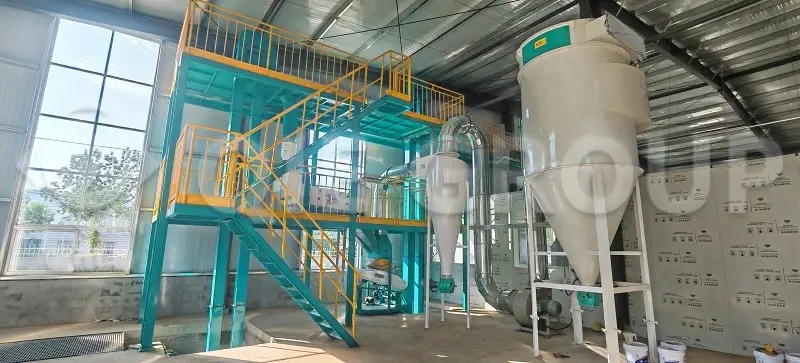
When planning peanut oil processing equipment, one should not only look at whether there is an oil press. A sustainable peanut oil production line is usually configured in modules.
Many people overlook pretreatment, but "oil is grown, but it is also ground."
Cleaning and destoning: The impurity content must be controlled below 0.2%. QIE uses a multi-layer vibrating screen to prevent stones from abrading the screw press.
Peanut shelling machine : Peanut shells have extremely low oil content and absorb oil, so the shelling rate needs to be maintained above 98% to improve yield.
Crushing and flaking: Peanut kernels need to be crushed into 4-6 pieces, and the flaking thickness should be controlled at around 0.3mm. This breaks down the cell walls, allowing the oil to be extracted instantly during pressing.
Conditioning: The 2026 energy-saving steaming and frying pot can precisely adjust the moisture content of the food during pressing to 1.5%-2.5%, which is key to ensuring excellent color, aroma and taste.
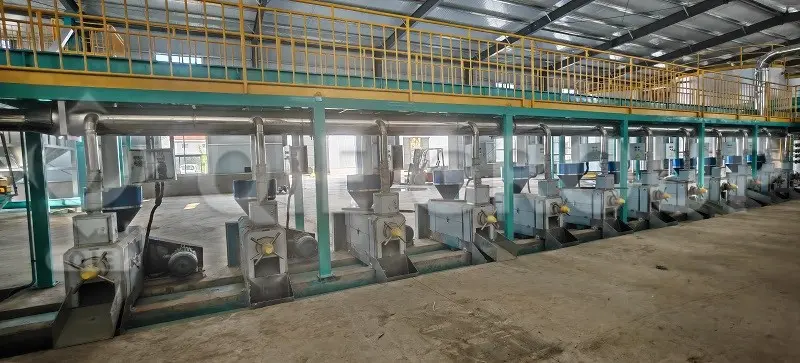
Physical pressing: Suitable for 10-100 TPD projects. Our peanut screw press features an integrated vacuum filtration design, allowing even virgin oil to meet basic storage standards.
Solvent extraction: For projects with 100TPD+, residual oil is further extracted using solvent No. 6, reducing the residual oil content in the cake to below 0.8%. QIE technology advantages: The negative pressure evaporation system significantly reduces solvent loss to <1.5kg/t.
If you plan to create branded packaged oils, refining is key:
Degumming/Deacidification: Removes phospholipids and free fatty acids to ensure that the oil does not become cloudy at low temperatures.
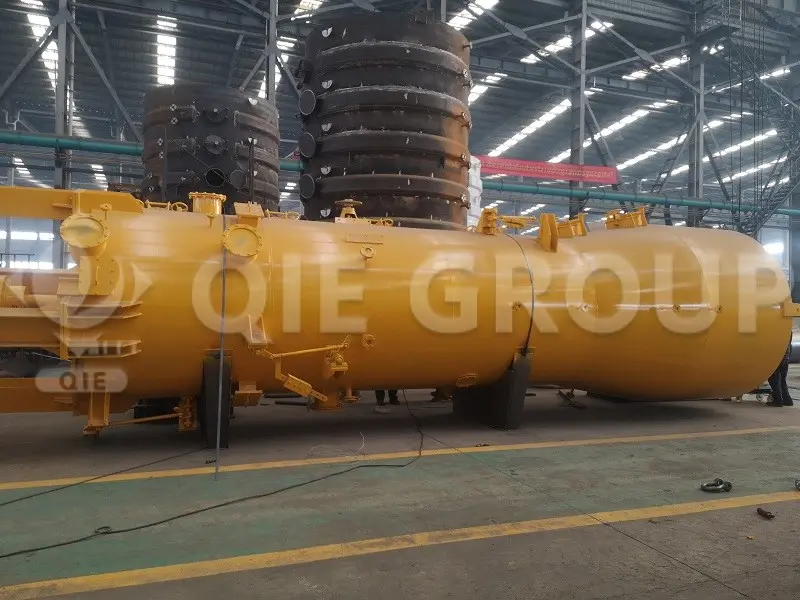
Decolorization/Deodorization: Removes pigments and peanut odor. Our deodorization tower maintains a vacuum level of over 750 mmHg, resulting in oils with a pure taste.
When consulting with customers about peanut oil manufacturing plants , the most common question is: what's the difference between 20TPD, 50TPD, and 100TPD and above? Below is a practical classification based on engineering principles.
| Production capacity range | Typical configuration | Is solvent extraction recommended? | Is refining recommended? | Applicable Scenarios |
|---|---|---|---|---|
| Small 10-30TPD | Cleaning + Steaming + Pressing + Filtering | It is generally not recommended (due to large fluctuations in raw material prices and long leaching recovery cycles) unless there are plans for future expansion. | Optional basic refining or sale of crude oil only | Local market, startups (cost sensitive) |
| Medium-sized 30-100TPD | Cleaning + Dehulling + Crushing + Steaming + Pressing System (Multiple Oil Presses) + Filtration + Refining |
Depending on the raw material cost and oil yield target, the configuration can be considered. | Yes (the entry threshold for branded oil) | Regional markets, medium investment |
| Large 100TPD+ | Complete pretreatment + pre-pressing + leaching system + refining equipment | The recommended configuration is a residual oil content of <0.8%. | Yes (a rigid requirement for export compliance) | Export markets, large-scale production |
If your raw material supply is stable but your budget is limited, it is recommended to start with pressing and filtering. This type of solution has relatively controllable investment, a short construction period, and is suitable for regional markets or initial trial operations.
If you already have established sales channels or plan to provide a stable supply to the local edible oil market, the medium-sized option is more balanced. It offers greater flexibility in terms of output, energy consumption, staffing, and future upgrades.
If you are aiming for high overall oil yield, continuous production, and economies of scale, you should generally plan your production in a holistic manner, including pre-pressing, solvent extraction, and refining. Although the initial investment is higher, the cost per unit output is easier to optimize.
Based on QIE's projects implemented globally (such as in Africa, Southeast Asia, and Central Asia), the table below reflects the current actual investment range:
| Cost module | Small-scale factory (10–30 TPD) | Medium-sized plant (30–100 TPD) | Large-scale factory (100TPD+) | Influencing factors |
|---|---|---|---|---|
| Equipment investment | $80,000 – $200,000 | $200,000 – $600,000 | $600,000 – $2,000,000+ | Materials, level of automation (PLC) |
| Civil engineering/factory | $50,000 – $150,000 | $150,000 – $500,000 | $500,000 – $1,500,000+ | Land taxes and fees, seismic resistance rating, environmental protection requirements |
| Installation and debugging | $15,000 – $40,000 | $40,000 – $120,000 | $120,000 – $350,000+ | International travel, local labor |
| Operating reserve fund | $30,000 – $80,000 | $80,000 – $200,000 | $200,000 – $500,000+ | Raw material inventory storage capacity |
| total | $175k – $470k | $470k – $1.42M | $1.42M – $4.35M+ | Reserve 10% for unforeseen expenses |
Project Recommendation: Taking a small factory as an example, the total cost is approximately $150,000. This is comprised of 50% equipment, 30% civil engineering, and 10% each for installation and labor. It is recommended to allocate a 10% buffer in the budget (to cope with price fluctuations). For example, building a factory in Africa may result in higher civil engineering costs (requiring seismic design).
In the oil processing industry, "a 1% increase in oil yield equals a doubling of net profit".
QIE solution: By optimizing raw material pretreatment and screw pressure distribution, it can typically extract 1%-2% more oil than non-standard equipment under the same raw material conditions.
Revenue simulation: Taking a 50TPD project as an example, an additional 1.5% of oil production means an extra 0.75 tons of refined oil produced per day. At $1,900/ton, this could generate an additional net profit of approximately $400,000 per year (280 days).
Small-scale plants: High flexibility, typically break-even in 18-24 months, suitable for the local bulk oil market.
Medium and large-sized factories: They reduce unit costs through economies of scale, with a payback period of about 30-42 months, making them suitable for industrialized distribution and export.
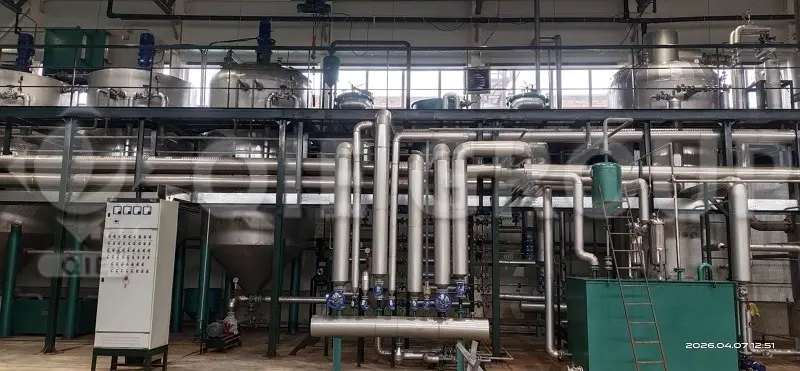
As a supplier with 43 years of experience in the oil and fat industry, we have summarized the typical pain points in our global projects:
In regions with unstable power supply, such as Africa, frequent shutdowns of oil presses can cause the material inside the pressing chamber to char and become stuck. We recommend installing a variable frequency soft starter.
Many customers only discover that the foundation's bearing capacity is insufficient after the equipment arrives. We will provide 3D factory layout and load diagrams in advance to avoid the risk of rework.
Especially for solvent extraction projects, solvent recovery efficiency is not only a safety issue, but also a cost issue. Solvent losses caused by outdated equipment can directly deplete your working capital.
For B2B customers, purchasing a piece of equipment and setting up an operational factory are two completely different things. Zhengzhou QIE Grain and Oil Machinery Co., Ltd. places greater emphasis on the ability to deliver a complete plant, rather than just selling individual machines.
From process planning and equipment configuration to installation and commissioning, we can provide integrated solutions according to project requirements, helping customers reduce the cost of coordinating with multiple parties.
We develop solutions based on raw material characteristics, target capacity, budget, refined oil requirements, and local conditions, rather than using a single template for all clients.
After equipment delivery, on-site installation, commissioning, and process optimization are equally crucial. The QIE Group can assist customers in shortening the time from delivery to production.
It includes technical support, spare parts service, operation guidance and subsequent upgrade suggestions, making it more suitable for long-term operation factory projects.
Since its establishment in 1982, QIE has focused on the research, development, manufacturing, and engineering services of grain and oil machinery, serving clients across Asia, Africa, and South America. For clients planning to build peanut oil production lines, we are particularly concerned with: whether the equipment can operate stably, whether the solution is suitable for the local environment, and whether the investment can yield returns as quickly as possible .
A: Theoretically, cold pressing is possible, but from an economic perspective, hot pressing is generally recommended for peanut oil. Steaming and roasting can break down cell walls through moist heat, reducing oil viscosity and increasing the oil yield by 2%-4%. At the same time, steaming and roasting impart a unique and rich aroma to peanut oil. If you are targeting the high-end cold-pressing market, we can configure a specialized low-temperature cold-pressing machine for you. Although the oil yield per batch is slightly lower, the nutritional value of the oil is more fully preserved.
A: The difference is significant. Peanut shells have extremely low oil content and are highly absorbent, and they cause significant wear and tear on the screw press. Although adding a shelling machine and a shell-kernel separation system will increase the initial equipment investment by about 10%-15%, this investment in shelling equipment can usually be recovered within 4-6 months by increasing the oil yield and extending the equipment life.
A: Our production line is designed for multi-material compatibility. For the oilseed pressing line, switching between peanuts, soybeans, and sunflower seeds can be achieved simply by adjusting the parameters of the steaming and roasting pan and changing the screw press gap. However, in the solvent extraction and refining sections, we will customize the process presets according to the gum content of different materials to ensure minimal losses during switching.
A: Yes. Refining towers and large lifting equipment typically require a factory ceiling height of 8-12 meters. Since grease is corrosive to ordinary floors, we recommend using a hardened, non-slip, wear-resistant, and oil-proof floor in the workshop. After you place your order, our engineers will provide a detailed civil requirements sheet to prevent equipment misalignment due to foundation settlement later on.
A: This is a red line for the peanut oil industry. Our systematic approach begins in the pretreatment stage, using a high-efficiency cleaning screen to remove damaged and moldy particles. In the refining stage, we employ a combination of physical refining and adsorption decolorization technology, which effectively removes aflatoxin from the oil, ensuring that the finished oil meets WHO and local food safety standards.
A: Designed for tropical climates, our export-grade equipment features a heavy-duty anti-corrosion paint coating, a double-sealed dustproof structure for the electrical control cabinet, and a high-efficiency heat dissipation system. For critical precision components, we select alloy steel with stronger corrosion resistance to ensure the equipment can maintain continuous 24-hour operation even in harsh environments.
A: QIE has extensive export experience, and our equipment complies with internationally recognized certifications such as CE and ISO. For different countries' import requirements, we can assist in providing pressure vessel certificates that meet local standards (such as PV certification for certain countries) and relevant certificates of origin. Furthermore, QIE has a global mobile installation team to assist clients in passing local government commissioning and acceptance procedures.
Every peanut oil project is unique. Click the button below to tell us your raw material sources, expected daily production capacity, and target market (crude oil or refined oil). A QIE engineer will send you a preliminary process flow diagram (PFD) and a preliminary investment quotation within 24 hours.
 Oil refinery energy conservation and consumption reduction Oil and fat processing solutions Intelligent upgrading of oil plants Edible oil equipment renovation Oil refinery efficiency improvement and quality enhancement
turnkey palm oil plant palm kernel oil plant feasibility study process design QIE Group
palm oil production line palm oil pressing equipment palm fruit processing palm kernel oil extraction palm oil refining
vegetable oil production line turnkey edible oil plant edible oil processing plant oil refining equipment oil pressing machine
soybean oil production line soybean oil processing pretreatment pressing extraction refining edible oil processing equipment efficient soybean oil line
Oil refinery energy conservation and consumption reduction Oil and fat processing solutions Intelligent upgrading of oil plants Edible oil equipment renovation Oil refinery efficiency improvement and quality enhancement
turnkey palm oil plant palm kernel oil plant feasibility study process design QIE Group
palm oil production line palm oil pressing equipment palm fruit processing palm kernel oil extraction palm oil refining
vegetable oil production line turnkey edible oil plant edible oil processing plant oil refining equipment oil pressing machine
soybean oil production line soybean oil processing pretreatment pressing extraction refining edible oil processing equipment efficient soybean oil line




.png?x-oss-process=image/resize,h_100,m_lfit/format,webp)
.png?x-oss-process=image/resize,h_100,m_lfit/format,webp)
.png?x-oss-process=image/resize,h_100,m_lfit/format,webp)