Home > News > Peanut Oil Pressing vs. Solvent Extraction: How to Choose?

Peanut Oil Pressing vs. Solvent Extraction? How Do You Choose the Processing Method?

Zhengzhou QIE Grain and Oil Machinery Co., Ltd
2026-10-08
Product Comparison

When planning a peanut oil processing plant, the first core technical decision investors face is: Should you choose traditional mechanical pressing, solvent extraction, or a combined "pre-press + solvent extraction" process?

Many people habitually ask: "Which method has a higher oil yield?" However, in the real edible oil engineering sector, process selection is never a simple technical question—it is a comprehensive economic and investment decision. This article will provide an in-depth analysis of the scientific selection logic for peanut oil processing methods from the perspectives of core differences, economic models, application scenarios, and equipment configurations.

I. What is the Difference Between Peanut Oil Pressing and Solvent Extraction?

Pressing and extraction are two different oil recovery strategies, not a simple ranking of superiority. Pressing uses mechanical force to squeeze out oil, while solvent extraction uses food-grade solvents (such as n-hexane) to dissolve and extract residual oil.
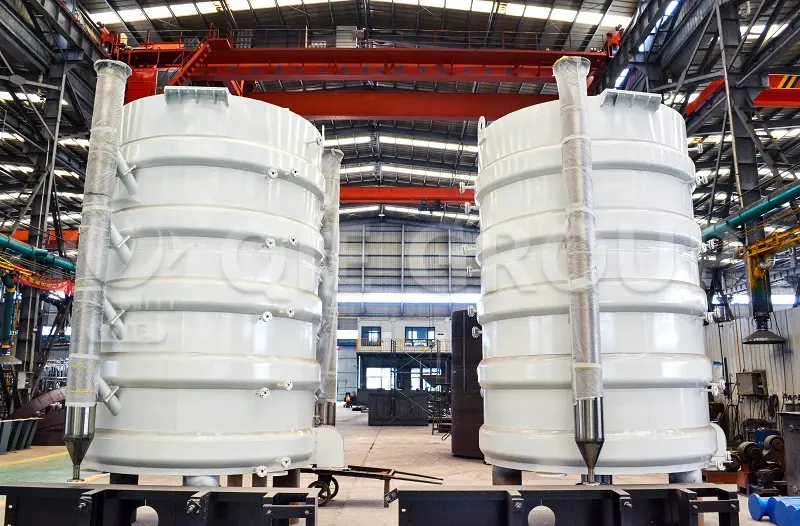
Industrial peanut cooking and conditioning cooker for edible oil pre-treatment line
Comparison Dimension Mechanical Pressing Solvent Extraction
Basic Principle Directly squeezes oil out of pre-treated peanut kernels using mechanical pressure from an oil press. Uses a solvent in a closed system to dissolve and extract residual oil from pre-pressed cakes or direct flaked materials.
Oil Recovery Rate Cake residual oil is typically 6%–8% (under aromatic pressing mode). Final meal residual oil can be controlled to ≤ 0.8%.
Initial Investment Relatively low; straightforward system with simple civil construction requirements. Higher; requires complex solvent recovery and explosion-proof safety systems.
Operating Costs Moderate power consumption; no continuous solvent consumption. Involves solvent loss, steam, and circulating water energy consumption; high operational management requirements.
Byproduct Characteristics Produces peanut cake with unique flavor (such as aromatic peanut oil) and a certain amount of residual oil. Produces peanut meal with extremely low residual oil and good protein activity, making it more suitable for high-value utilization.
Application Scenarios Small-to-medium capacity, local specialty aromatic oil mills. Large-scale, industrial production targeting extreme residual oil minimization.

II. Breaking Myths: Why Does "High Oil Content" Not Equal "Higher Project Profitability"?

During project evaluation, many investors easily fall into the "oil yield supremacy" mindset trap, assuming that solvent extraction with lower residual oil is necessarily more cost-effective than pressing. In reality, the comprehensive economic viability that determines project success is constrained by the following joint factors:
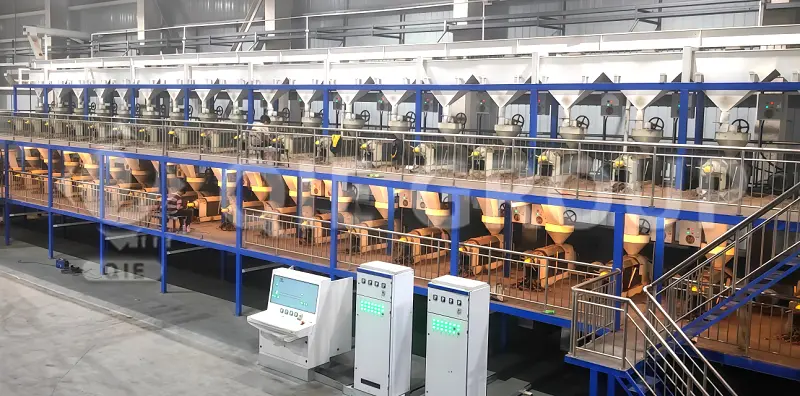
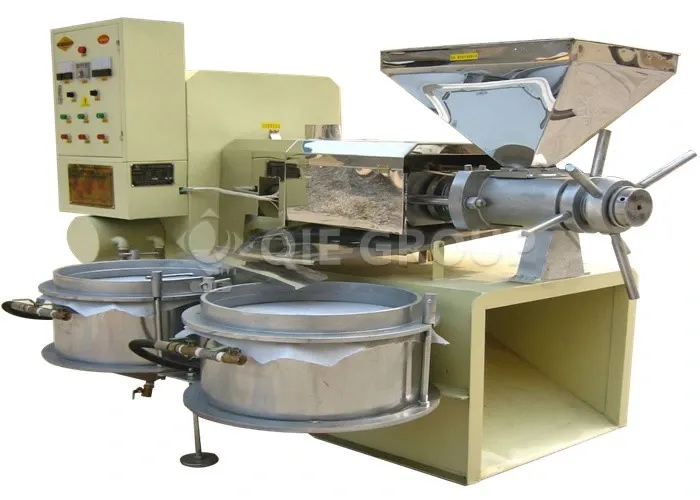
High-efficiency mechanical peanut oil press machine for oil processing plant

1. Trade-off Between Residual Oil Loss and Capacity Base:

The oil content of peanut kernels typically ranges between 45% and 55%. Although single pressing leaves some residual oil (6%–8%) in the cake, if the processing capacity is small (e.g., only a few dozen tons per day), the high fixed asset depreciation and solvent losses of a solvent extraction system may completely fail to be covered by the value of the extra oil recovered.

2. Differentiated Value of Byproducts (Cake vs. Meal):

  • Peanut cakes produced via pressing carry a rich aroma, are extremely popular in certain consumer markets, and can be used as high-quality feed or for further deep processing.
  • Peanut meal produced via solvent extraction has extremely low residual oil (≤0.8%). Although it loses some energy value from oil, its protein purity is higher, it is easier to store, and it commands higher bulk commodity value in industrial feed or protein extraction fields.

III. Why Do Large-Scale Projects Tend to Favor "Pre-Press + Solvent Extraction"?

For medium-to-large peanut oil processing plants (typically with larger daily capacities), single mechanical pressing often fails to meet profit-maximization demands. At this point, the industry-standard golden route is: "Pre-treatment + Pre-pressing + Solvent Extraction."

Process Route: After cleaning, cracking, softening, flaking, and conditioning/cooking, peanuts first enter a pre-press to rapidly extract the majority of the oil (yielding high-value crude oil). Subsequently, the high-temperature pre-pressed cake is sent to the extraction workshop, where solvent is used to thoroughly extract the residual oil from the cake.

Core Advantages:
  • Staged Extraction: Balances the flavor quality of front-end pressed crude oil with the high oil recovery rate of back-end extraction.
  • Economies of Scale: When a plant reaches a certain daily processing capacity, the extra oil revenue generated by the absolute reduction in residual oil percentage can perfectly offset equipment depreciation, solvent consumption, and safety/environmental management costs.
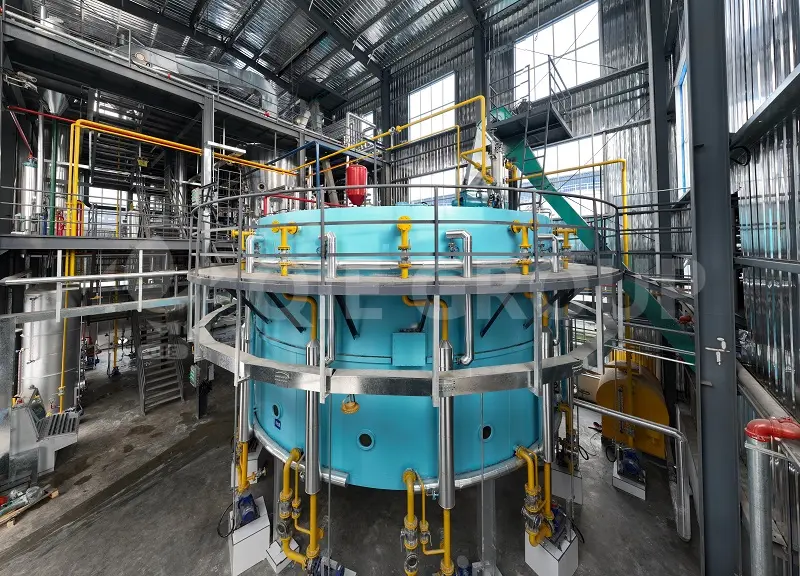
Rotary solvent extractor for large-scale peanut oil solvent extraction plant

IV. Which Process Should Your Project Choose?

To help you make a fast and rational judgment in the early stages of a project, you can refer to the following decision logic:

1. Evaluate Daily Processing Capacity (TPD) and Budget:

  • Small or Budget-Limited Projects (e.g., low capacity, focusing on local specialty aromatic peanut oil): Prioritize evaluating the mechanical pressing process. It features simple workflows, controllable investment, and low operator skill requirements.
  • Medium-to-Large Scale Projects (e.g., continuous industrial production, pursuing ultimate total recovery rates): Must treat "Pre-press + Solvent Extraction" as the core candidate option for financial and technical feasibility demonstration.

2. Comprehensive Consideration of Key Parameters:

  • Raw material type (shell-on peanuts or shelled peanut kernels) along with oil content, moisture, and impurities.
  • Target end-product positioning (whether focusing on aromatic flavor or large-scale Grade 1/Grade 2 refined oil).
  • Local environmental and fire safety approval conditions, as well as the availability of a professional operations team.
Tip: Solvent extraction involves the storage, evaporation, condensation, and recovery of solvents such as n-hexane. It belongs to closed explosion-proof engineering, imposing strict requirements on safety interlocking, negative pressure control, and automated management. Micro-workshops lacking professional chemical safety management capabilities must not blindly adopt it.

V. Supporting Equipment Configuration Guidance

Different process routes directly dictate equipment configuration directions:

1. Mechanical Pressing Route

Typical pre-treatment and pressing equipment include:

  • Cleaning equipment
  • Destoning and magnetic separation auxiliary equipment
  • Cracking equipment
  • Flaking machine
  • Cooking/conditioning equipment
  • Peanut oil press
  • Crude oil filtration equipment

*Special note: Pressing performance depends heavily on pre-treatment conditions (cleaning, flaking, cooking).*

2. Pre-Press + Solvent Extraction Route

Requires adding to the front-end system:

  • Extractor
  • Mixed oil (miscella) treatment system
  • Evaporation and stripping systems
  • Solvent condensation and recovery system
  • Meal desolventizing and drying system
  • Automated control and safety interlock systems

*Extraction is an integrated system, not just a standalone machine.*
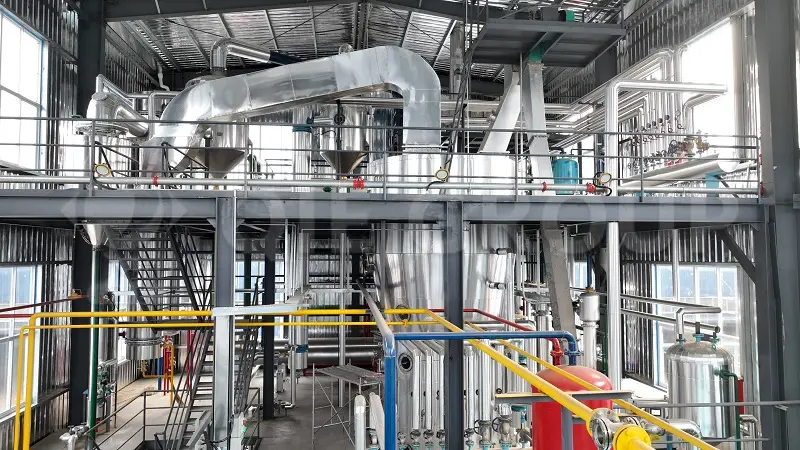
DTDC desolventizer toaster equipment for peanut meal processing and solvent recovery

VI. Planning to Build a Peanut Oil Plant? What Data Do You Need to Provide?

If you are planning a peanut oil processing project, it is recommended to prepare at least the following information:

  1. Planned Processing Capacity: Tons of peanuts per day and expected annual operating days.
  2. Raw Material Conditions: Shell-on or shelled kernels, variety, oil content, moisture, etc.
  3. Product Positioning: Mechanically pressed oil, refined peanut oil, or other specific products.
  4. Byproduct Utilization: Intended sales or further processing of peanut cake/meal.
  5. Energy Conditions: Electricity, steam, fuel, and cooling water availability.
  6. Plant Conditions: Existing buildings and related infrastructure.
  7. Investment Scope: Desired budget ceiling or level.
  8. Local Regulations: Fire safety, environmental protection, and solvent system compliance rules.

The more complete this information is, the easier it is to determine whether pure pressing, extraction, or pre-press + solvent extraction is most suitable.

VII. Conclusion: Pressing or Extraction, How to Choose?

  • If the project values simple equipment and operation, controllable initial investment, and mechanical pressing positioning, mechanical pressing should be prioritized.
  • If the project emphasizes maximizing residual oil reduction and overall oil recovery, solvent extraction should be evaluated.
  • If the project features a large processing scale while balancing mechanical pressing and high oil recovery, pre-press + solvent extraction is ideal.

The ultimate answer is never a simple "pressing is good" or "extraction is good." The most suitable peanut oil processing method is a balanced scheme that achieves a reasonable trade-off among raw materials, capacity, oil recovery targets, investment, operating costs, byproduct value, and safety conditions.

How QIE GROUP Helps Determine Peanut Oil Processing Technology

QIE GROUP provides edible oil processing turnkey engineering services, capable of conducting process comparisons among mechanical pressing, extraction, and pre-press + solvent extraction routes based on your peanut raw materials, planned capacity, product positioning, and factory conditions. We further determine equipment configurations across pre-treatment, pressing, extraction, crude oil processing, and refining stages.

FAQ

Q: Why is solvent extraction still required after pressing?

Mechanical pressing is limited by physical constraints, leaving 6%–8% residual oil in the cake that cannot be squeezed out. Solvent extraction can reduce residual oil to ≤ 0.8%, substantially increasing total oil recovery and maximizing profit.

Q: What is the fundamental difference between pressed cake and extracted meal?

Pressed cake has a relatively high oil content (typically 6%–20%) and is mostly used for specific feeds or subsequent aromatic oil processing; whereas extracted meal has extremely low residual oil (≤ 0.8%), high protein purity, and is much easier to store safely and use as high-standard protein feed stock.

Q: Is pre-press + solvent extraction necessarily more profitable than pure pressing?

Not necessarily. For small-to-medium projects, the higher initial investment and safety operation/maintenance costs of an extraction system may not be offset by the recovered residual oil. The economic advantages of pre-press + solvent extraction will only fully emerge once economies of scale are reached.

Ready to Plan Your Peanut Oil Processing Plant?

Share your raw material type, daily capacity, and target product positioning. Let QIE GROUP's engineering team evaluate your custom process route and deliver a tailored feasibility proposal.

Get Your Custom Plant Solution & Cost Estimation
Name *
Email *
WhatsApp *
Message *

Recommended Products

Related Reading

Rapeseed Oil Solvent Extraction Process: Complete Guide to Plant Design, Equipment & EPC Solutions

2026-07-30 | https://shmuker.oss-accelerate.aliyuncs.com/tmp/temporary/60ec5bd7f8d5a86c84ef79f2/60ec5bdcf8d5a86c84ef7a9a/20240305160636/lable.png rapeseed oil solvent extraction canola oil processing plant pre-press solvent extraction DTDC desolventizer rapeseed oil extraction machine

EPC Shea Butter Factory Design and Equipment Supplier

2026-08-28 | https://shmuker.oss-accelerate.aliyuncs.com/tmp/temporary/60ec5bd7f8d5a86c84ef79f2/60ec5bdcf8d5a86c84ef7a9a/20240305160636/lable.png shea butter factory supplier shea butter processing plant supplier shea butter plant design shea butter processing plant shea butter processing equipment shea butter production line

How Much Does a Soybean Oil Extraction Plant Cost? Complete Investment & Process Guide

2026-07-21 | https://shmuker.oss-accelerate.aliyuncs.com/tmp/temporary/60ec5bd7f8d5a86c84ef79f2/60ec5bdcf8d5a86c84ef7a9a/20240305160636/lable.png soybean oil extraction plant cost soybean oil processing machine price soybean oil solvent extraction plant soybean oil refining line cost edible oil mill project cost turnkey soybean oil factory

Flaxseed Oil Processing: Why a High-Efficiency Oil Production Line Must Start with the "Preprocessing Section

2026-06-08 | https://shmuker.oss-accelerate.aliyuncs.com/tmp/temporary/60ec5bd7f8d5a86c84ef79f2/60ec5bdcf8d5a86c84ef7a9a/20240305160636/lable.png Flaxseed oil processing line oil preprocessing section vegetable oil machinery flaxseed oil processing plant

Palm Kernel Oil Production Process Explained Step by Step

2026-06-02 | https://shmuker.oss-accelerate.aliyuncs.com/tmp/temporary/60ec5bd7f8d5a86c84ef79f2/60ec5bdcf8d5a86c84ef7a9a/20240305160636/lable.png palm kernel oil production process palm kernel oil production steps palm kernel oil processing equipment palm kernel oil production line edible oil processing solutions

Hot Products

Peanut oil solvent extraction plant
优势特点:Peanut oil solvent extraction equipment is a type of equipment that uses a solvent (usually hexane) to extract oil from pre-processed peanut raw materials (such as peanut cake or peanut flakes). This method is known for its high efficiency in extracting a high percentage of oil, and the remaining peanut meal contains almost no residual oil. The extracted oil is then further refined to produce edible peanut oil. In the production process of peanut oil factory, peanut oil solvent extraction equipment is one of the core equipment and plays a pivotal role. This equipment has excellent performance and can efficiently extract and produce peanut oil from various oil cakes. It is applicable to a wide variety of oil crops, including not only peanuts, but also soybeans, sesame, coconut, flax seeds, sunflower seeds, castor seeds, cotton seeds, palm kernels, etc. The peanut oil solvent extraction plant is a complex system, which is mainly composed of extraction system, DTDC system, condensation system and recovery system. These systems work together to complete the extraction of peanut oil. In order to meet the diverse needs of different customers, we provide peanut oil extraction equipment of various specifications. Whether you are a small workshop or a large production enterprise, you can find the equipment suitable for you. Our peanut oil solvent extraction plant uses the most scientific oil extraction method and focuses on extracting crude peanut oil from peanut meal. Its advanced peanut oil extraction process is uniquely designed to achieve high-yield peanut edible oil extraction with low solvent addition, which not only reduces production costs but also improves production efficiency. Peanut oil solvent extraction process Solvent extraction: Solvent extraction is a process of extracting oil from cake using solvent. In actual operation, 6# leaching solvent oil or commercially available hexane is generally used as solvent. The oil is dissolved from the cake through full contact between the solvent and the cake. Desolventization: The desolventization process mainly removes and recovers the solvent in the meal, and dries and cools the meal at the same time. This process not only reduces the waste of solvent, but also ensures the quality of the meal, making it meet the requirements of subsequent processing or use. Evaporative stripping: The evaporative stripping process uses indirect steam to heat the mixed oil, evaporate the solvent, and concentrate the mixed oil. Through this process, the oil concentration in the mixed oil can be further increased to prepare for subsequent oil extraction. Solvent recovery: Solvent recovery is very important. It can effectively recover solvents and reduce solvent consumption. Solvent recovery can not only ensure the safe production of peanut oil extraction equipment and avoid safety accidents caused by solvent residues, but also improve product quality and reduce the impact of impurities on the quality of peanut oil. How the device works 1. Pretreatment and extraction : The pretreated material is sent to the rotary press by a scraper conveyor. In the rotary press, the material is fully contacted with the solvent or mixed oil for extraction. After this step, the material is separated into two parts: meal and mixed oil. 2. Desolventization and solvent recovery of meal : The meal is sent to the roaster, where the solvent in the meal is separated. The separated solvent enters the condenser and returns to the rotary pressing device after condensation, thus realizing the recycling of the solvent. 3. Preliminary separation of mixed oil : The mixed oil produced by the rotary pressing device enters the first evaporator and the second evaporator. In the evaporator, most of the solvent in the mixed oil is separated and the concentration of the mixed oil is further increased. 4. Deep separation of mixed oil and solvent recovery : The mixed oil produced by the second evaporator enters the stripping tower, where almost all the solvent is separated. From the stripping tower, we get crude oil and solvent. The solvent is also sent to the condenser, and after condensation, it returns to the rotary press and participates in the production cycle again. In summary, the peanut oil solvent extraction plant has an irreplaceable position in the peanut oil pressing industry. Its scientific process design, reasonable equipment composition and efficient working principle make it play a huge role in peanut oil production. Whether from the applicability of the equipment, the advancement of the process or the safety of production, the peanut oil extraction equipment is an ideal choice for the peanut oil pressing plant. QIE GROUP can also tailor solvent extraction solutions according to user needs to meet the specific needs of different users.
Edible oil solvent extraction plant
优势特点:Edible oil solvent extraction equipment is an industrial equipment that uses solvents (usually hexane) to extract oils from oilseeds, oil cakes or other low-oil raw materials. This process is widely used in the edible oil industry, especially for raw materials that cannot be extracted by mechanical pressing. In the field of edible oil processing, edible oil solvent extraction plant plays a vital role. It is the second process of edible oil processing. The cake from the edible oil pressing section (i.e. the product after the pressing process) will be transported to the extraction equipment. These cakes still contain a lot of oil, and the main task of the edible oil solvent extraction plant is to fully extract the residual oil using chemical extraction technology. The process of edible oil solvent extraction plant is rigorous and efficient. First, the pre-pressed cake is sent to the solvent extraction equipment, and then the cake is soaked or sprayed with a specific organic solvent. The core principle is to use the difference in the solubility of the solvent to the oil to make the solvent fully contact with the cake and dissolve the oil in the cake. After that, after a series of complex separation and refining processes, pure edible oil is finally obtained. The whole process cleverly uses chemical principles to ensure efficient extraction of oil. The edible oil solvent extraction plant has a wide range of applications. For materials with high oil content such as sesame, pre-pressing and extraction can be performed. After sesame pre-pressing, the extraction equipment can further extract the remaining oil in the cake to increase the oil yield. For materials with low oil content such as soybeans, after squeezing out the cake, the solvent extraction equipment can perform secondary extraction on the cake to fully tap the oil value of the material and maximize resource utilization. Characteristics of edible oil solvent extraction plant 1. High oil yield and significant economic benefits : Edible oil extraction equipment adopts advanced technology and design, which can extract oil from cake to the maximum extent, and the oil yield is much higher than that of traditional equipment. This enables enterprises to obtain more edible oil products with the same raw material input, thereby significantly improving economic benefits. 2. Low residual oil rate of dry meal and cake : The residual oil rate of dry meal and cake after being treated by leaching equipment is extremely low, which not only improves the oil extraction efficiency, but also the cake can be reused as high-quality feed raw materials or other industrial raw materials, further improving the added value of the product. 3. Low consumption and high output : The design of this equipment fully considers the conservation of energy and raw materials. During operation, while maintaining efficient production speed, it effectively reduces energy consumption and solvent consumption, meeting the requirements of modern industrial energy conservation, emission reduction and efficient production. 4. High degree of automation : The edible oil extraction equipment adopts an advanced automatic control system to realize the automation of the entire process from feeding, extraction, separation to discharging, which not only reduces manual intervention and labor intensity, but also improves production stability and consistency of product quality. 5. Latest design, excellent quality, professional installation team : The equipment adopts the latest design concepts and technologies, strictly controls the selection of materials and manufacturing processes to ensure the excellent quality of the equipment. At the same time, the professional installation team can provide users with a full range of installation and commissioning services to ensure that the equipment is put into production quickly and stably. In summary, edible oil solvent extraction technology has become one of the most advanced production technologies in the international edible oil processing field due to its significant competitive advantages in structure and utilization rate. Edible oil extraction equipment has brought great changes and development opportunities to the edible oil processing industry in terms of process flow, use and characteristics.
Rice bran oil solvent extraction equipment
优势特点:Rice bran oil solvent extraction equipment is used to extract oil from rice bran using solvent (usually hexane). The process consists of several key components: pretreatment section, extractor, desolventizing roaster (DTDC), evaporator and solvent recovery system. The oil content of rice bran itself is relatively low, but this rice bran oil solvent extraction equipment can control the residual oil rate below 1% with its advanced technology , greatly improving the oil extraction efficiency. If you intend to establish a rice bran oil solvent extraction production line, obtaining sufficient rice bran raw materials is the first priority, and purchasing from rice mills is a good way. It is worth noting that the oil content of rice bran is in the range of 15-20%, which means that rice bran contains considerable oil resources. Rice bran oil solvent extraction equipment is a powerful tool to help you fully tap this resource and extract more oil from rice bran. However, before the rice bran oil solvent extraction equipment extracts rice bran oil, pretreatment of rice bran is an essential step, and the rice bran pretreatment puffing method is a more commonly used method. The rice bran oil solvent extraction process mainly covers four key parts: solvent extraction system, DTDC system, mixed oil treatment system, and condenser and recovery system. The following is a detailed introduction to the work flow of each part: 1. Solvent extraction : In the extractor, the treated rice bran is soaked or sprayed with an organic solvent (n-hexane) to dissolve the oil. Finally, two parts are obtained: one is a mixture of solvent and rice bran oil, called mixed oil; the other is a mixture of solvent and rice bran meal, called wet meal. 2. Mixed oil treatment : Based on the difference in boiling points of different substances, the mixed oil is evaporated and stripped. In this process, the solvent evaporates into steam and separates from the oil. The pure rice bran crude oil is pumped into the oil tank, and the solvent is recycled and reused in the last process - the solvent recovery section. 3. Solvent recovery : This section is used to recover solvents from the mixed oil processing section and the wet meal DTDC system and use them for the next round of production. Solvent vapor can be recycled through scientific means such as condensation and cooling, which not only saves costs but also meets environmental protection requirements. 4. Meal processing : A small amount of solvent will remain in the meal, which will be dried after desolventizing and drying. In this process, the solvent will also evaporate into steam, which can also be recycled through condensation, cooling, etc. If you are very interested in rice bran oil solvent extraction technology. Or do you want to start a rice bran oil production business? Tell us your needs, our engineers can design a technical solution for you, and QIE 's project manager can provide you with professional rice bran oil production business advice.
Oilseed cleaning equipment
优势特点:Oilseed cleaning equipment is a mechanical device used to remove various impurities from oilseeds. These devices usually include vibrating screens, gravity stone removers, magnetic separators, wind separators, etc., aiming to improve the purity of raw materials and provide high-quality raw materials for subsequent processing steps. Oilseed pretreatment cleaning equipment is a key equipment in the oil processing process. It is mainly used to remove impurities in oilseeds (such as soybeans, rapeseeds, sunflower seeds, peanuts, cotton seeds, etc.), including dust, sand, straw, metal debris, etc., to ensure the smooth progress of subsequent pressing or leaching processes. Efficient cleaning screens can improve oil purity, reduce equipment wear, and improve oil quality and oil yield. The method of oil purification is mainly based on the differences in physical properties such as particle size, specific gravity, shape, surface state, hardness, magnetism, gas dynamics, etc. between oil seeds and impurities. Screening, magnetic separation, air separation, specific gravity separation and corresponding equipment are used to remove impurities in the oil. Oilseed main cleaning equipment Cleaning sieve Screening is to use the difference in the size of oil and impurity particles, and with the help of the relative movement between the oil-containing material and the screen surface, impurities larger or smaller than the oil are removed through the screen holes. Commonly used screening equipment in oil mills include vibrating screens, flat rotary screens, rotary screens, etc. All screening equipment has an important working part, namely the screen surface. Winnowing The method of using wind power to separate impurities from oilseeds by taking advantage of the difference in specific gravity and aerodynamic properties between oilseeds and impurities is called winnowing. Winnowing can remove light impurities and dust from oilseeds, as well as heavy impurities such as metals and stones. It can also be used to separate kernels from shells after shelling. Gravity Stoner The specific gravity method of stone removal is based on the different specific gravities and suspension speeds of oil and stone. It uses the combined effect of an inclined screen surface with certain motion characteristics and the air flow passing through the screen surface to achieve the purpose of graded stone removal. The machine usually adopts a double-layer screen plate design, and its key component, the screen box, is supported by a hollow rubber spring and driven by one or two vibrators. Vegetable seeds such as soybeans and sunflower seeds are fed in through the feeder on the top of the machine. With the vibration of the screen plate and the flow of air, the materials are layered on the pre-separation screen plate according to their specific gravity, with light impurities on the top and heavy impurities on the bottom. Finally, the stones in the seeds are separated by the countercurrent airflow, and the stone-free materials are discharged through the squeeze rubber valve. The best cleaning effect can be achieved by adjusting the inclination of the screen plate and the air volume. Magnetic Separator Magnetic separation is a method of removing metal impurities from oilseeds using magnets. Although the content of metal impurities in oilseeds is not high, they are very harmful and can easily damage equipment, especially some high-speed equipment, and may even cause serious equipment accidents and safety accidents, so they must be removed. Magnetic separation equipment includes magnetic steel, permanent magnetic cylinder, permanent magnetic drum, electromagnetic drum, etc., depending on the way it obtains magnetism. Why do you need to clean oilseeds? Here are the reasons: 1. Reduce the loss of oil during processing, thereby improving the efficiency of oil extraction. 2. Optimize the quality of edible oils and their by-products to ensure that products meet high standards. 3. Reduce the wear of mechanical equipment during operation and extend the service life of the equipment. 4. Prevent possible accidents during the production process and ensure a safe and stable production environment. 5. Improve the effective capacity of oilseed processing and achieve efficient production. 6. Reduce dust concentration in workshops, improve working environment and protect employee health. Different oilseeds require different cleaning equipment. Our engineers can help you choose the most suitable cleaning equipment according to your raw material conditions and needs. We can help you design a dedicated edible oil production line based on the raw materials you use. If you want to know more about oilseed processing plants, please feel free to contact us.
Popular articles
soybean-oil-negative-pressure-evaporation-system.webp
sunflower-oil-solvent-extraction-plant-1.webp
rice-bran-solvent-extraction-plant-04.webp
palm-oil-fruit-sterilizer-tank-equipment-02.webp
peanut-oil-solvent-extraction-workshop.webp
Recommended Reading