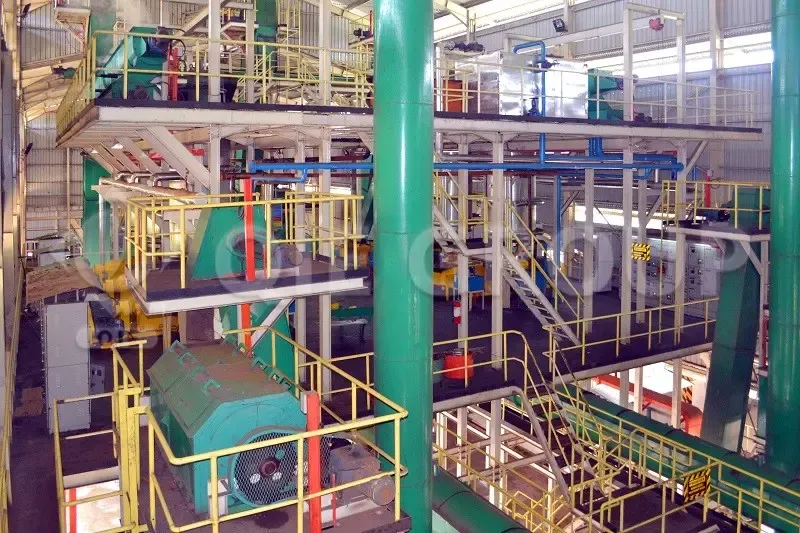
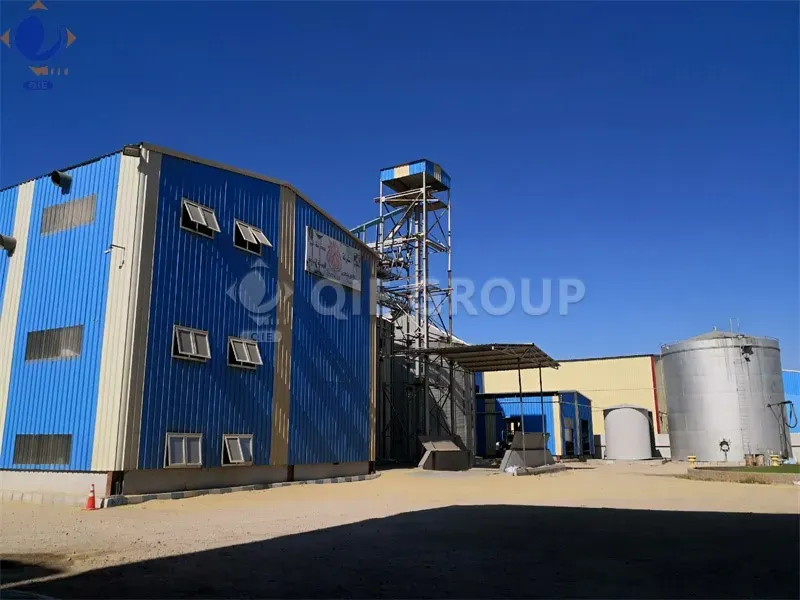
In peanut oil processing projects, oil content and oil extraction yield are two core but completely distinct concepts. To accurately evaluate production efficiency and plan your overall turnkey peanut oil processing plant, we need to clarify the following key definitions:
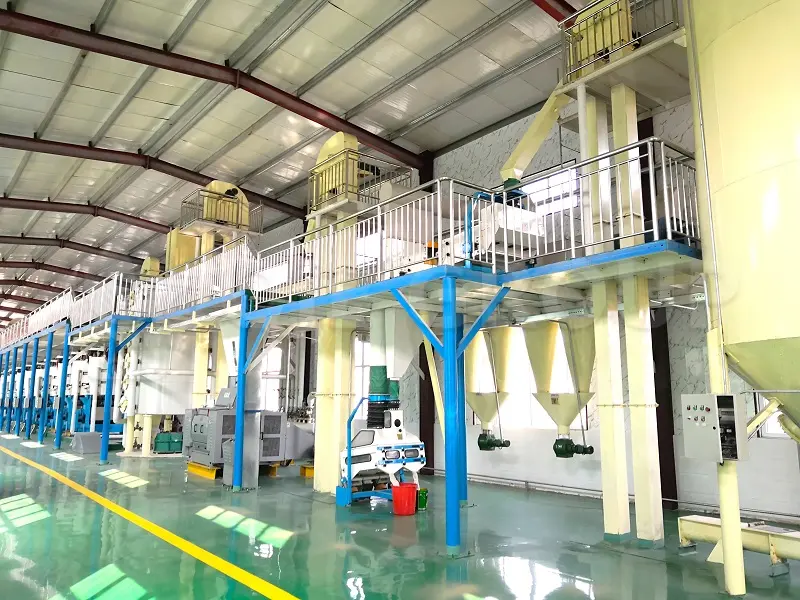
Oil cannot be 100% released and recovered due to inherent operational variables. Understanding the math helps pinpoint where losses occur. For a comprehensive overview of financial planning, check our edible oil processing plant solutions.
Example Calculation (1 Ton / 1000 kg Peanuts): Assuming 48% oil content and an 85% mechanical recovery rate:
Key Quantifiable Loss Factors:
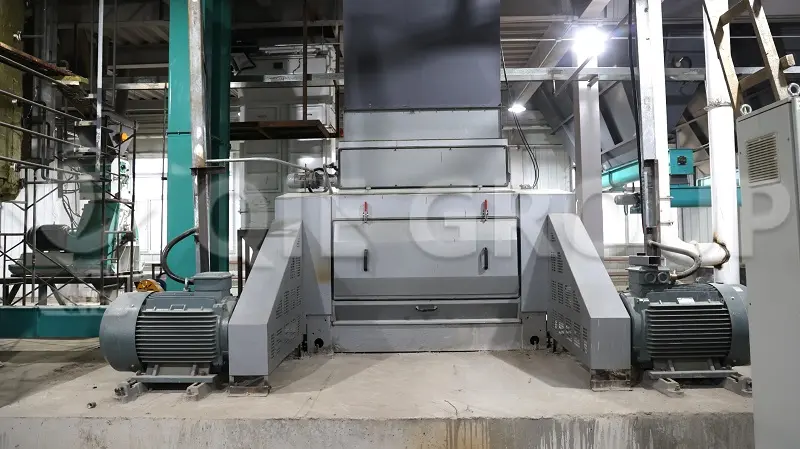
When extraction yields drop below expectations, troubleshoot systematically from front to back along the production line, paired with active optimization methods:
| Comparison Project | Mechanical Pressing | Pre-Pressing + Solvent Extraction |
|---|---|---|
| Process Complexity & Investment | Relatively low | Relatively high |
| Cake Residual Oil | Relatively high | Lower, can drop to ≤0.5% |
| Overall Oil Recovery | Standard yield (35%–45%) | Maximized yield (+12% to 15% comprehensive boost) |
| Best Suited For | Small-scale aromatic lines emphasizing traditional terroir and flavor | Medium-to-large industrial plants prioritizing maximum economic efficiency |
Interested in comparing how other high-capacity seeds perform? Review our technical insights on How to Extract Rice Bran Oil: Mechanical Pressing vs. Extraction and Soybean Oil Extraction Plant Cost.
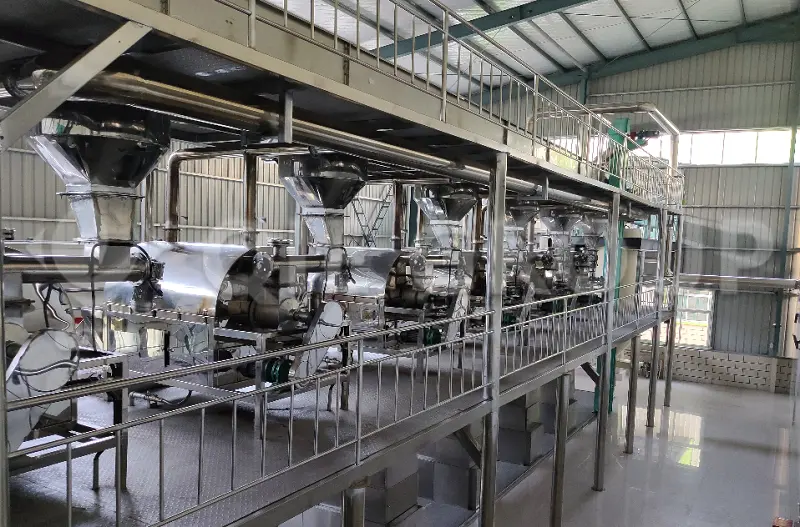
Blindly chasing maximum yield through excessive heat or high pressure can backfire, causing oil oxidation, darker crude color, elevated acid values, higher refining chemical loads, and accelerated equipment wear. The ideal goal is a balanced equilibrium of high recovery, stable quality, and controlled operating costs.
QIE GROUP delivers complete turnkey EPC engineering solutions tailored to your operational scale:
A: Typically between 350 and 450 kg of crude oil, depending on raw material oil content, moisture, cleanliness, and processing efficiency.
A: Check pressing parameters (pressure and temperature), crushing size, and conditioning moisture. If mechanical limits are reached, evaluate upgrading to a pre-pressing + solvent extraction process.
A: No. Oil content represents the internal composition of raw peanuts, whereas extraction yield measures the actual crude oil recovered through manufacturing processes.
Partner with QIE GROUP for expert process design, custom equipment configurations, and precise production yield estimates.
Get Your Custom Plant Solution & Quote peanut oil yield how much oil can 1 kg of peanuts produce how much oil can 1 ton of peanuts produce how many liters of oil can 1 ton of peanuts produce how many kg of peanuts for 1 liter of oil peanut oil pressing yield
Rice bran oil processing technology Rice bran oil solvent extraction equipment Rice bran oil press Rice bran oil processing plant Solvent leaching and pressing
shea butter processing plant cost shea butter extraction machine cold press shea butter tech cosmetic grade shea butter production unrefined shea butter press
soybean oil processing plant start soybean oil business edible oil extraction machine soybean meal production soybean oil solvent extraction
rice bran solvent extraction equipment rice bran oil plant machinery oilseed extraction system rotary extractor DTDC desolventizer turnkey EPC project