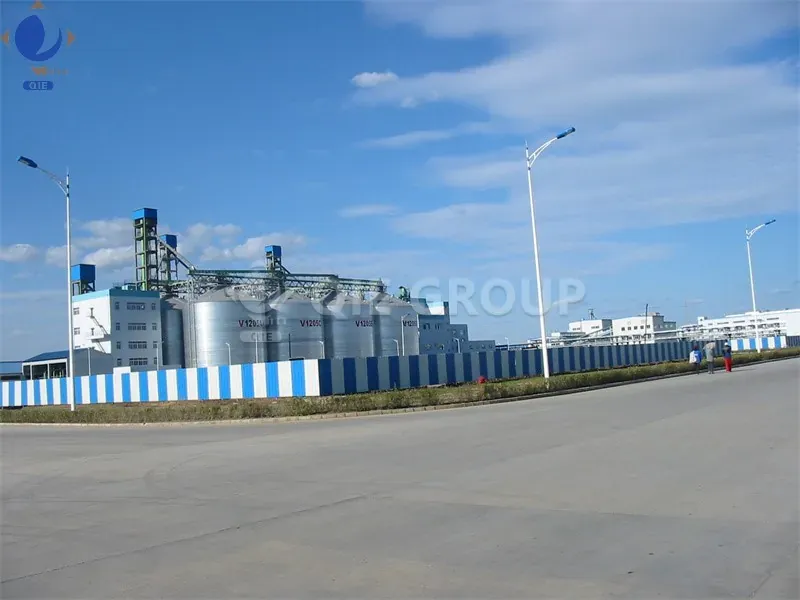
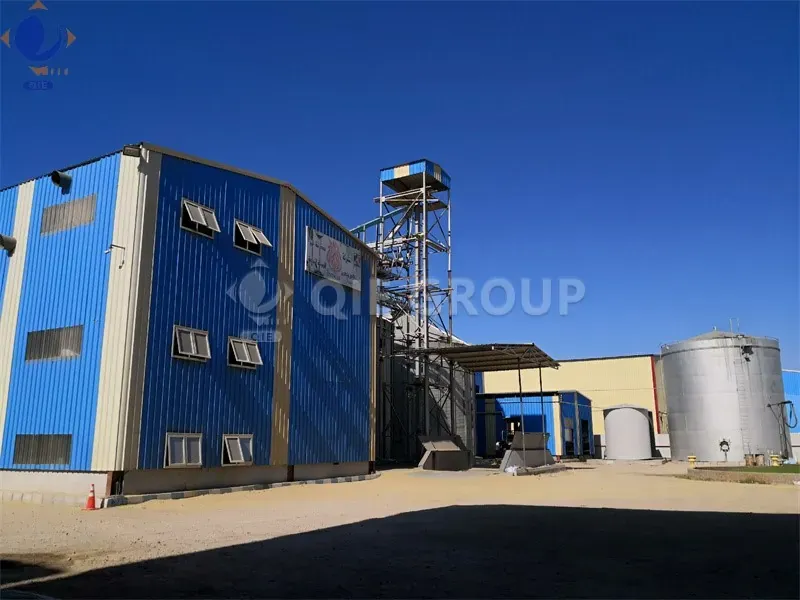
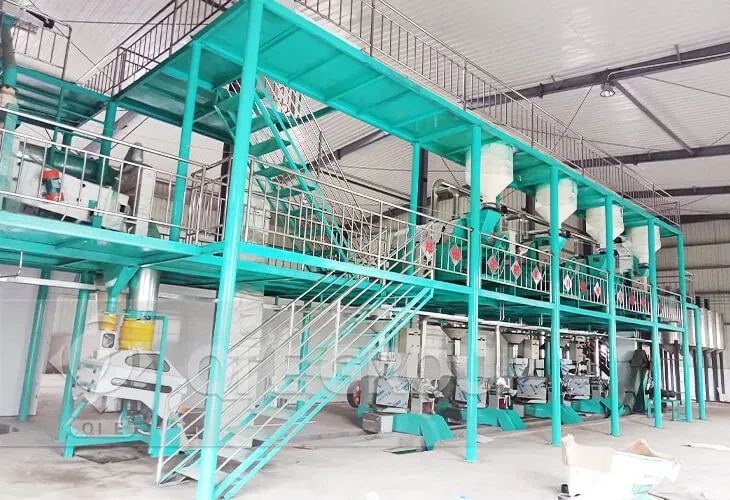
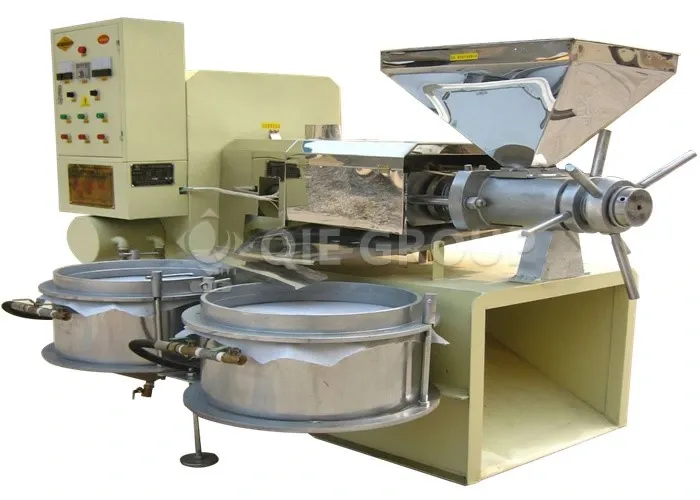
Palm oil and palm kernel oil are the largest and most widely used vegetable oils globally, attracting strategic investors across markets. With growing demand in emerging markets and technological upgrades in processing, building a modern, integrated turnkey plant has become essential to seize industry opportunities and strengthen competitive advantage. 👉(Turnkey edible oil plant projects)
This article systematically explores the core aspects of feasibility study and plant design, providing decision-making guidance for investors and project managers, while demonstrating QIE Group's expertise in turnkey solutions.
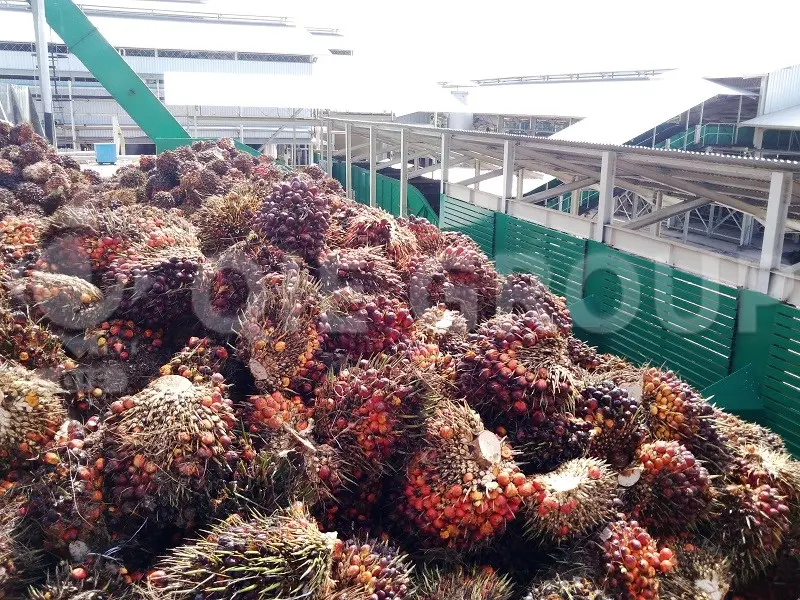
Before investing in a palm oil or palm kernel oil plant, a comprehensive feasibility study is critical. Key dimensions include:
Stability and Quality
Plant location should be near a stable supply of fresh fruit bunches (FFB). Evaluate annual supply, seasonal fluctuations, transportation distance, cost, and quality control standards. For palm kernel oil, plan the kernel supply chain (in-house or purchased) and storage.
Capacity Planning
Design plant capacity to match raw material availability, avoiding underutilization or shortage. Determine optimal daily FFB throughput based on supply forecasts and market demand.
Initial Investment Estimate
Include land, buildings, core equipment (pressing, refining), auxiliary equipment (boilers, power generation, wastewater treatment), automation, and engineering management.
Operating Costs
Calculate raw material costs, energy consumption, chemicals, labor, maintenance, and depreciation.
Revenue Forecast and Sensitivity Analysis
Predict prices and sales of main products (crude palm oil, palm kernel oil, refined oil) and by-products (palm kernel cake, shells, empty fruit bunches). Build financial models to calculate payback period, NPV, IRR, and evaluate market volatility risks.
Emission Standards
Plant design must comply with local and international environmental regulations, especially wastewater (POME), exhaust gas, and solid waste (shells, kernels, press residues). Focus on POME valorization (biogas, composting).
Safety and Compliance
Adhere to occupational safety, food safety (HACCP, GMP), and labor laws. Identify regulatory barriers and compliance costs during feasibility study.
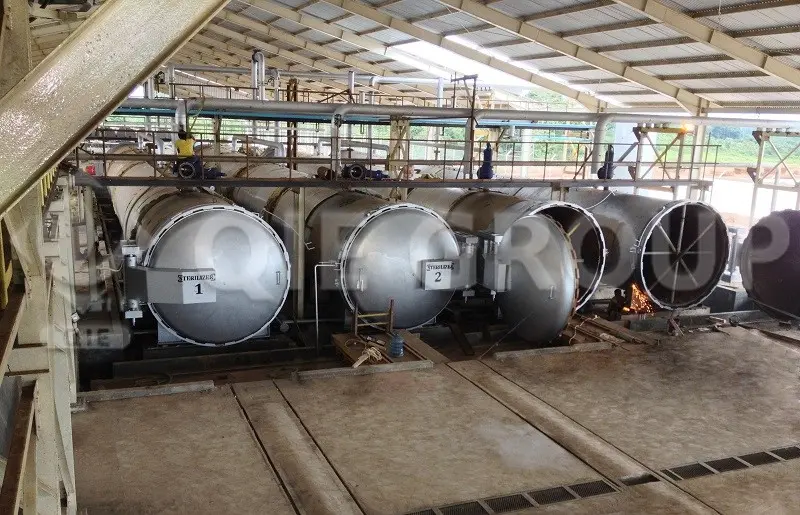
Efficient process design is the core of plant competitiveness. Key sections of a palm oil and palm kernel oil plant include:
Reception and Sterilization
Fresh FFB are weighed and unloaded, then sterilized with high-pressure steam to inactivate enzymes, soften fruit, and prevent oil hydrolysis. 👉(What is the role of a palm fruit sterilizer?)
Threshing and Kernel Separation
Sterilized FFB are threshed to separate fruit from bunches. Fruit is digested and pressed to extract crude palm oil (CPO), while press residues enter a kernel recovery system to separate kernels (for palm kernel oil) and fibers (for fuel).
Palm Kernel Handling
Kernels are cleaned, crushed, and dried for storage, ready for pressing or solvent extraction.
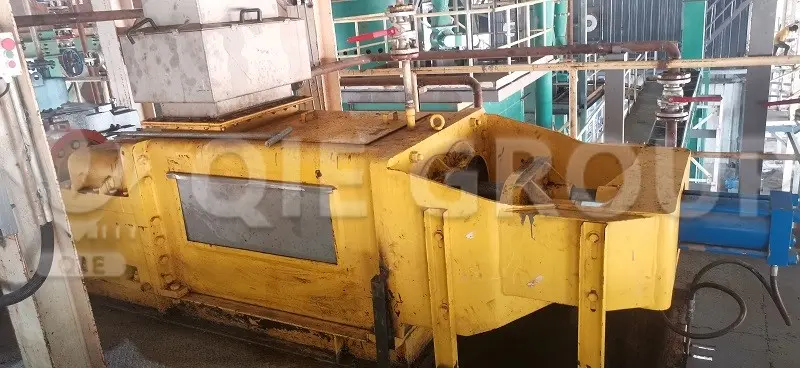
Crude Palm Oil Extraction
Fruit mesocarp is digested and pressed (screw oil press) to obtain CPO and residues. CPO is immediately clarified via settling or centrifuge.
Palm Kernel Oil Extraction
Depending on plant scale, use high-pressure screw press (small/medium) or pre-press + solvent extraction (large scale, higher yield), following strict safety protocols.
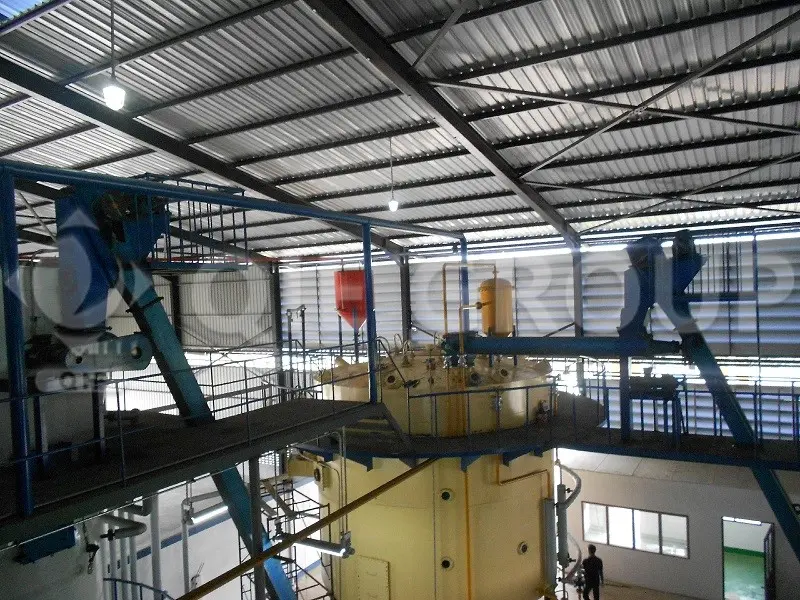
Degumming: Remove phospholipids using hydration or acid treatment.
Deacidification: Chemical or physical methods to remove free fatty acids.
Decolorization: Adsorb pigments, residual saponins, and metals using activated clay.
Deodorization: Steam distillation under high temperature and vacuum to improve flavor and stability.
Dewaxing/ Fractionation: Control cooling crystallization to separate high-melting stearin and low-melting olein. Palm kernel oil may also undergo fractionation.
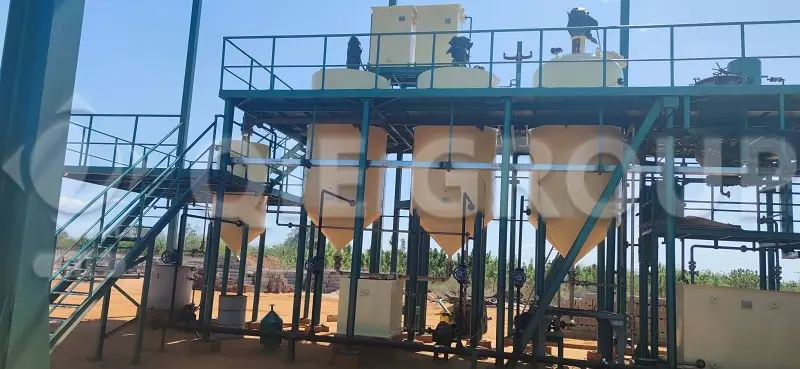
Wastewater Treatment: Multi-stage POME treatment using screening, equalization, anaerobic digestion (biogas), and aerobic processes (SBR, activated sludge) for compliant discharge.
By-product Valorization: Shells and fibers as boiler fuel, kernel cake as feed, treated sludge as fertilizer. Efficient by-product utilization improves plant profitability.
Logistics Optimization: Arrange raw material reception → pretreatment → pressing → refining → storage → shipment to minimize transport distance and cross-contamination.
Modularity: Allow phased construction and deployment near multiple plantations, reducing initial investment and enabling future expansion.
Plant Automation: DCS or SCADA systems for centralized monitoring, automatic control, and data analytics.
Energy Management: High-efficiency boilers, heat recovery, variable frequency drives, LED lighting reduce operating costs.
Predictive Maintenance: Sensors and data analysis enable equipment monitoring and preventive maintenance.
Space Reservation: Provide layout and interface provisions for capacity expansion and storage.
Technological Compatibility: Equipment and control systems allow upgrades for advanced extraction, wastewater treatment, and smart automation.
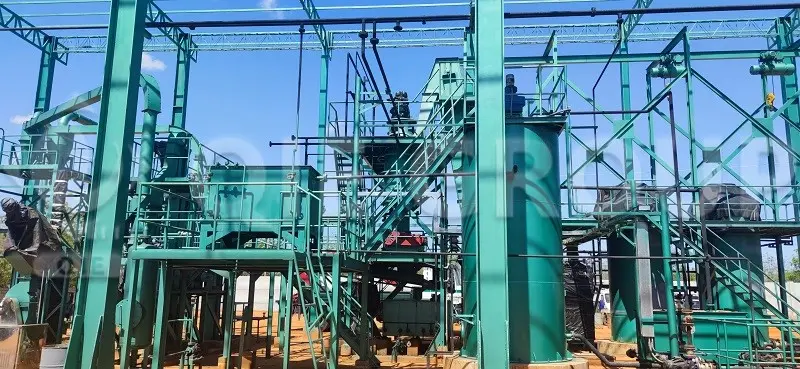
QIE Group offers comprehensive turnkey services from feasibility study to plant commissioning:
Choosing a turnkey approach in palm oil projects provides key advantages:
A well-executed turnkey solution, based on robust feasibility studies, advanced refining processes, and smart automation, is the strategic choice for investors seeking high efficiency and long-term competitiveness.
For palm oil and palm kernel oil projects, technical misalignment in the early stage often leads to delays, cost overruns, and compliance challenges. QIE Group integrates feasibility-driven engineering, EPC delivery, and commissioning to ensure stable performance and long-term operability.
Consult QIE Group for a turnkey palm oil and palm kernel oil factory proposal
 Palm fruit oil pressing equipment Palm kernel oil pressing equipment Palm oil processing production line Palm Kernel Oil Press Palm Oil Mill Equipment Supplier
Edible oil plant Oil press machine Oil refining equipment Solvent extraction plant Small and medium oil mill plant
Sunflower oil production line Sunflower seed pretreatment equipment Sunflower oil processing technology Sunflower oil processing plant
peanut oil production line peanut oil press machine peanut oil processing plant groundnut oil refining equipment profitable peanut oil business peanut oil refining machine
20 tons/day edible oil production line price Edible Oil Factory Cost Oil press price 20 tons oil press per day Edible oil processing plant
Palm fruit oil pressing equipment Palm kernel oil pressing equipment Palm oil processing production line Palm Kernel Oil Press Palm Oil Mill Equipment Supplier
Edible oil plant Oil press machine Oil refining equipment Solvent extraction plant Small and medium oil mill plant
Sunflower oil production line Sunflower seed pretreatment equipment Sunflower oil processing technology Sunflower oil processing plant
peanut oil production line peanut oil press machine peanut oil processing plant groundnut oil refining equipment profitable peanut oil business peanut oil refining machine
20 tons/day edible oil production line price Edible Oil Factory Cost Oil press price 20 tons oil press per day Edible oil processing plant


.webp?x-oss-process=image/resize,h_800,m_lfit/format,webp)






.png?x-oss-process=image/resize,h_100,m_lfit/format,webp)
.png?x-oss-process=image/resize,h_100,m_lfit/format,webp)
.png?x-oss-process=image/resize,h_100,m_lfit/format,webp)