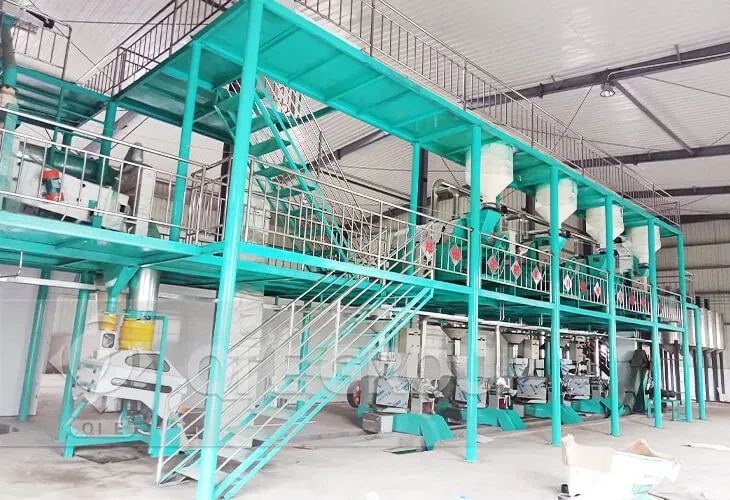
Palm oil is one of the world’s most widely consumed edible oils—and also one of the most sensitive when exposed to low temperatures. Cloudiness, wax precipitation, and high solid-fat content often challenge processors who aim to meet export-grade clarity standards. Winterization and dewaxing are therefore essential steps in a modern palm oil refining line, especially when serving markets with colder climates or strict specifications.
This guide explains, in practical engineering terms, why these processes matter, how they affect oil quality, and which equipment configurations deliver the best results at different production scales. The content is based on QIE Group’s field experience across Southeast Asia, Africa, and South America, combined with industry standards referenced from MPOB (Malaysian Palm Oil Board) and AOCS (American Oil Chemists' Society).
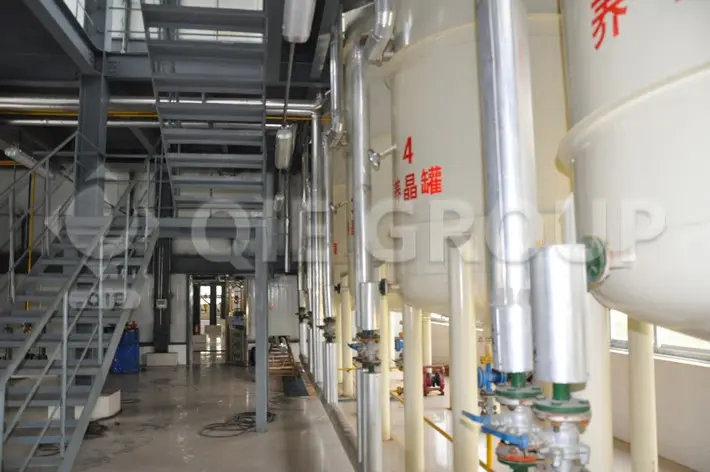
Palm oil contains a relatively high portion of saturated fatty acids—especially palmitic acid—which tend to crystallize at low temperatures. When exposed to refrigerated storage or winter climates, these crystalline fractions precipitate, resulting in:
✅ Visible cloudiness
✅ Sediment formation
✅ Higher “cloud point”
✅ Loss of consumer appeal
Winterization controls the crystallization pathway. By gradually lowering the oil temperature and stabilizing the cooling rate, processors can promote the formation of fine, uniform crystals that are easily separated by centrifugation—producing a clear, stable final oil.
Dewaxing is often integrated as a pre-step. Although palm oil contains lower natural wax levels compared with sunflower or rice bran oil, trace waxes and high-melting solids can still interfere with winterization and cause premature crystallization. Removing these compounds ensures more uniform nucleation and predictable cooling behavior.
Dewaxing reduces high-melting impurities (typically 0.02–0.2% in CPO), lowering the likelihood of large crystal formation. During winterization, the cooling rate—often controlled at 0.5–2°C/hour based on AOCS practice—determines crystal size distribution. Too fast, and the crystals grow unevenly; too slow, and energy consumption rises without additional benefit.
Uniform micro-crystals improve:
✅ Cold filterability
✅ 4°C storage clarity
✅ Separation behavior inside the centrifuge
Both steps indirectly contribute to oxidation control. Removing solid impurities decreases catalytic oxidation sites. A stable crystallization curve prevents thermal shocks, which can elevate peroxide values.
Typical engineering parameters:
✅ Holding time: 1–3 hours at crystallization temperature
✅ Feed temperature for centrifuge: 10–15°C for optimal viscosity and crystal hardness
✅ Cooling media distribution>: consistent across jacket/coil to avoid local overcooling
These parameters influence color stability, flavor retention, and shelf-life consistency.
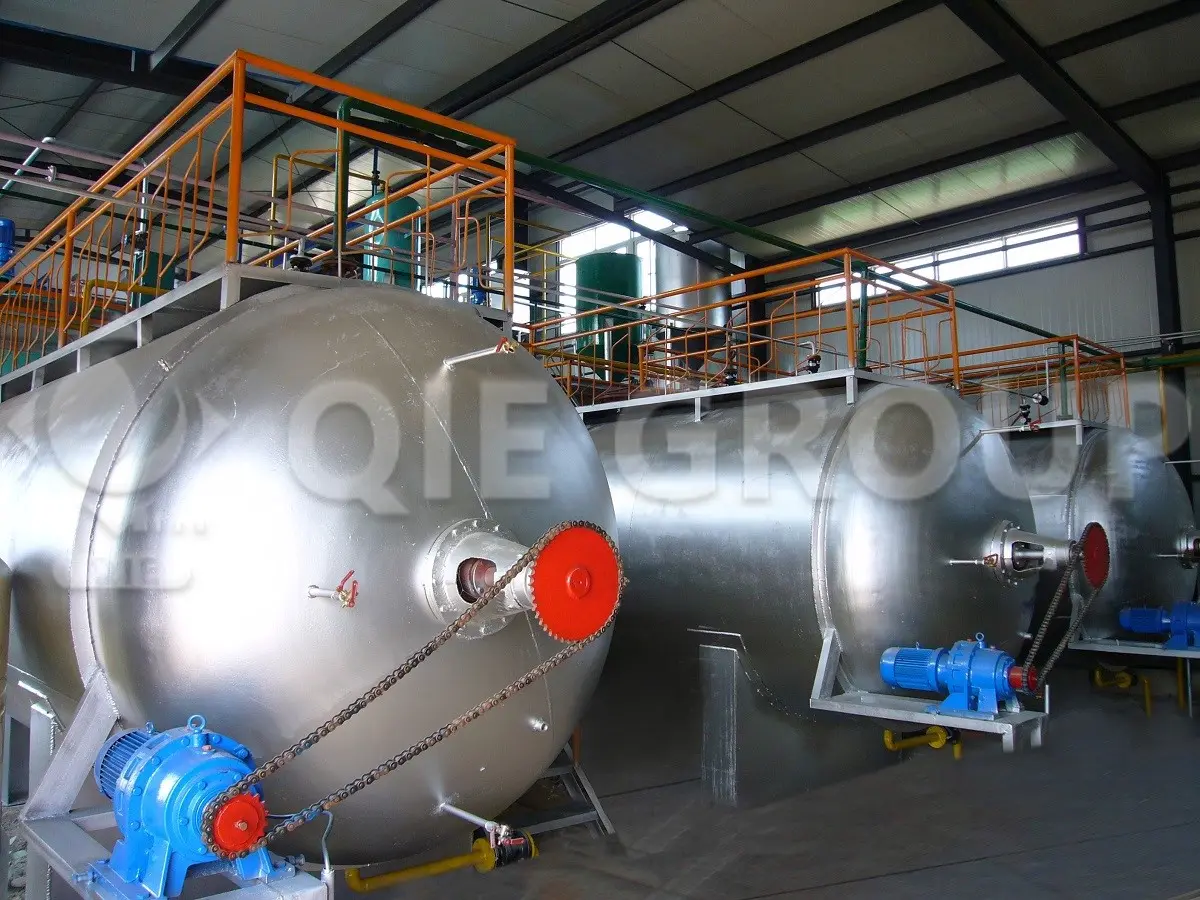
Winterization—while conceptually simple—behaves differently depending on daily throughput. Below are the engineering realities observed by QIE Group’s project teams.
Main limitations include:
✅ Undersized chillers resulting in unstable cooling curves
✅ Manual temperature adjustment creating inconsistent crystallization
✅ Limited floor space for adequate crystallization tanks
For small plants, QIE Group engineers often recommend reinforcing the dewaxing step if the incoming CPO’s wax content is high—especially in colder seasons when end-product cloudiness becomes more apparent.
At this scale, processors face trade-offs:
✅ Chillers vs. plate heat exchangers: chillers are more stable; PHEs require high-quality chilled water
✅ Variable daily throughput can cause temperature overshoot
✅ Partial automation (PLC-based) significantly improves repeatability
Stirrer design inside crystallization tanks also becomes critical. Poor circulation creates dead zones, leading to bimodal crystal growth—one of the top causes of centrifuge inefficiency.
For high-throughput winterization:
✅ Cooling load must exceed 15 kW/ton to maintain process stability
✅ Temperature uniformity inside the crystallizer must be within ±0.5°C
✅ Continuous disc-stack centrifuges provide the most consistent separation
QIE Group’s field data shows that continuous systems with automated temperature control reduce winterization defects by 20–30% compared with semi-manual setups.
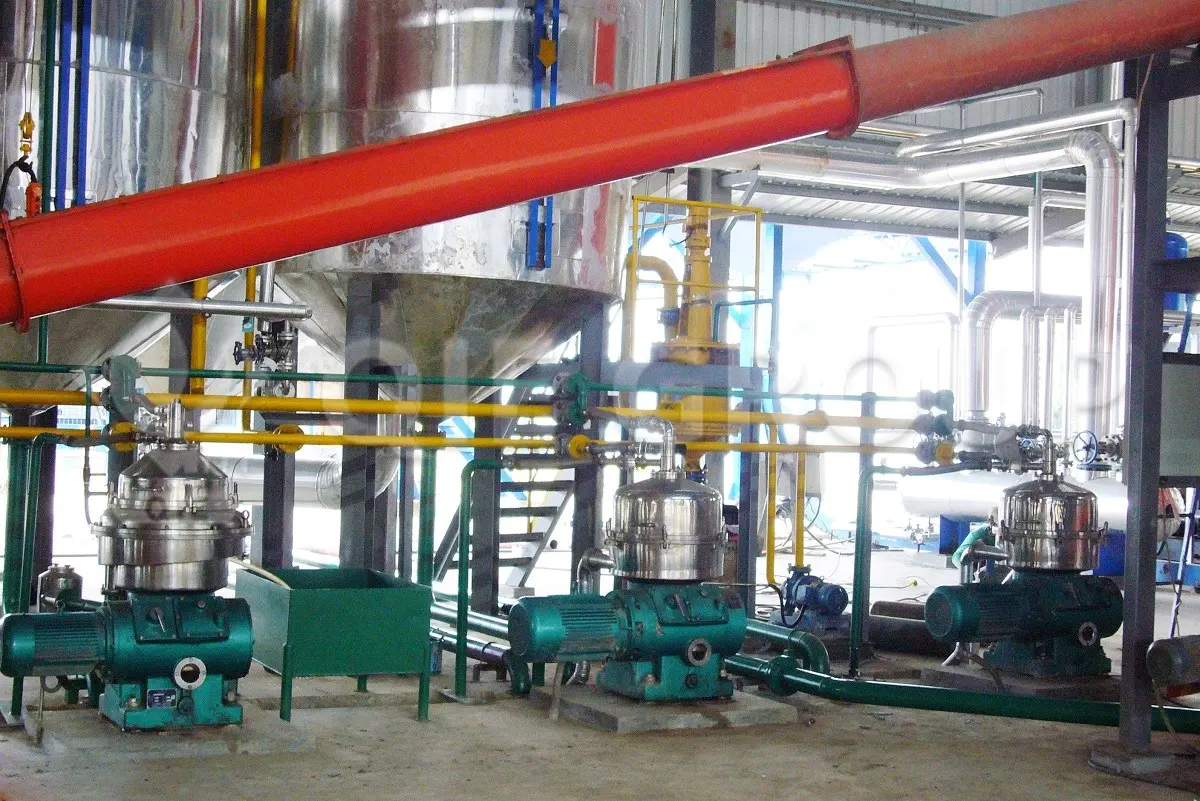
rom an engineering perspective, three design factors matter most:
✅ Too slow → uneven temperature distribution
✅ Too fast → crystal fragmentation
✅ Paddle shape must match tank geometry for full circulation coverage
✅ Coil/jacket layout affects cooling curve stability
✅ Inadequate heat transfer leads to cold spots and oversized crystals
✅ Temperature probes should capture vertical & radial gradients
✅ PLC should limit overshoot to avoid rapid shock-cooling
These elements often determine whether winterization behaves “predictably” or “erratically.”
Cooling capacity selection hinges on the processing throughput and desired cooling rates. For palm oil winterization, cooling rates between 0.5 to 2 °C per hour are recommended to manage crystal morphology effectively. Based on typical crystallization volumes per ton of oil, refrigeration power requirements range from approximately 3 to 6 kW per ton per hour of processing. Small plants might rely on standalone chillers with cold water circulation, while medium to large facilities may integrate plate heat exchangers and cooling towers for energy efficiency and scalability.
Intermittent batch-type centrifuges:
✅ Lower investment
✅ Longer cycle time
✅ Suitable for limited crystal loads
Continuous disc-stack centrifuges:
✅ High separation factor
✅ Stable processing at low inlet temperatures
✅ Reduced labor intensity
Feed temperature is crucial. 10–15°C helps maintain crystal hardness and prevents blockages inside the bowl.
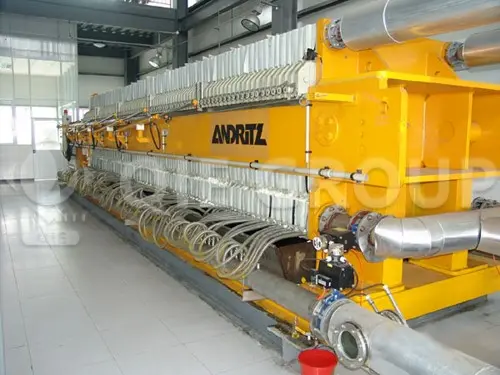
In a recent QIE Group installation for a 30 TPD palm oil refinery, the client initially struggled with high cloud point variability. Key issues included:
✅ Irregular cooling due to manual valve control
✅ Overgrown crystals reducing centrifuge efficiency
✅ Higher-than-expected energy consumption
After upgrading to automated temperature control—limiting cooling rate to ~1°C/hour—the plant achieved:
✅ More uniform crystals
✅ 5–8% reduction in refrigeration energy per ton
✅ Consistently clear oil at 4°C storage
✅ Improved separation efficiency in the disc centrifuge
This case highlights how process stability directly improves quality and economics.
Different markets demand different winterization outcomes:
| Raw Material Type | Process Requirement |
|---|---|
| CPO (Crude Palm Oil) | High wax content → Complete dewaxing + winterization combination |
| RBD Palm Oil | Focus on low-temperature clarification → Stricter winterization requirements |
| Export-grade | Requires continuous centrifuge + automated temperature control |
| Domestic bulk market | Intermittent system optional, lower initial investment |
If your market demands high oil clarity (especially bottled oil or e-commerce retail), winterization must be performed reliably and consistently.
If production exceeds 10 TPD, or if the final product must remain clear in cold-chain logistics, automation greatly reduces variability.
Automated systems help:
✅ Stabilize cooling gradients
✅ Adjust agitation dynamically
✅ Prevent crystal overshoot
✅ Increase centrifuge consistency
These are difficult to achieve manually—especially during 24-hour operations.
1️⃣ Cloudy oil after winterization: Often caused by high wax content or too fast cooling. Slow down the cooling curve and consider additional dewaxing.
2️⃣ Centrifuge blockage: Large crystal agglomeration may occur. Apply slower cooling and extend holding time.
3️⃣ Darkened finished oil: Caused by temperature fluctuations. Check PID controllers and cooling source stability.
4️⃣ High energy consumption: Inefficient cooling system. Audit chiller COP and insulation.
5️⃣ Insufficient clarity: Uneven stirring. Use low-shear impellers with VFD speed control.
 Palm fruit pressing process Palm Oil Press Palm oil production line Palm oil processing equipment Palm oil production process
Soybean oil extraction production line Fully automatic oil processing equipment Solvent Extraction Process Edible oil refining equipment 30 tons of soybean oil produced per day
African shea butter oil processing plant shea butter oil production line shea butter oil refinery QIE Group equipment shea butter oil extraction equipment
Palm Kernel Oil Processing Plant Palm Kernel Oil Refiner Palm kernel oil production line Small Palm Oil Press
Sunflower oil extraction process Efficient oil production equipment Oil refining production line Pre-pressing and leaching process Vegetable oil production equipment Sunflower oil production line
Palm fruit pressing process Palm Oil Press Palm oil production line Palm oil processing equipment Palm oil production process
Soybean oil extraction production line Fully automatic oil processing equipment Solvent Extraction Process Edible oil refining equipment 30 tons of soybean oil produced per day
African shea butter oil processing plant shea butter oil production line shea butter oil refinery QIE Group equipment shea butter oil extraction equipment
Palm Kernel Oil Processing Plant Palm Kernel Oil Refiner Palm kernel oil production line Small Palm Oil Press
Sunflower oil extraction process Efficient oil production equipment Oil refining production line Pre-pressing and leaching process Vegetable oil production equipment Sunflower oil production line






.png?x-oss-process=image/resize,h_100,m_lfit/format,webp)
.png?x-oss-process=image/resize,h_100,m_lfit/format,webp)
.png?x-oss-process=image/resize,h_100,m_lfit/format,webp)