
Are you planning to enter the palm kernel oil processing sector but facing these dilemmas: Not knowing where to start with the equipment list? Worried about high initial investment? Struggling to choose between mechanical pressing or solvent extraction? A rational equipment configuration not only determines the initial investment but also directly impacts the Oil Yield and long-term profitability.
Based on hundreds of successful cases by QIE GROUP across Africa and Southeast Asia, this article will systematically explain how to scientifically configure equipment to ensure your project remains controllable from planning to production.
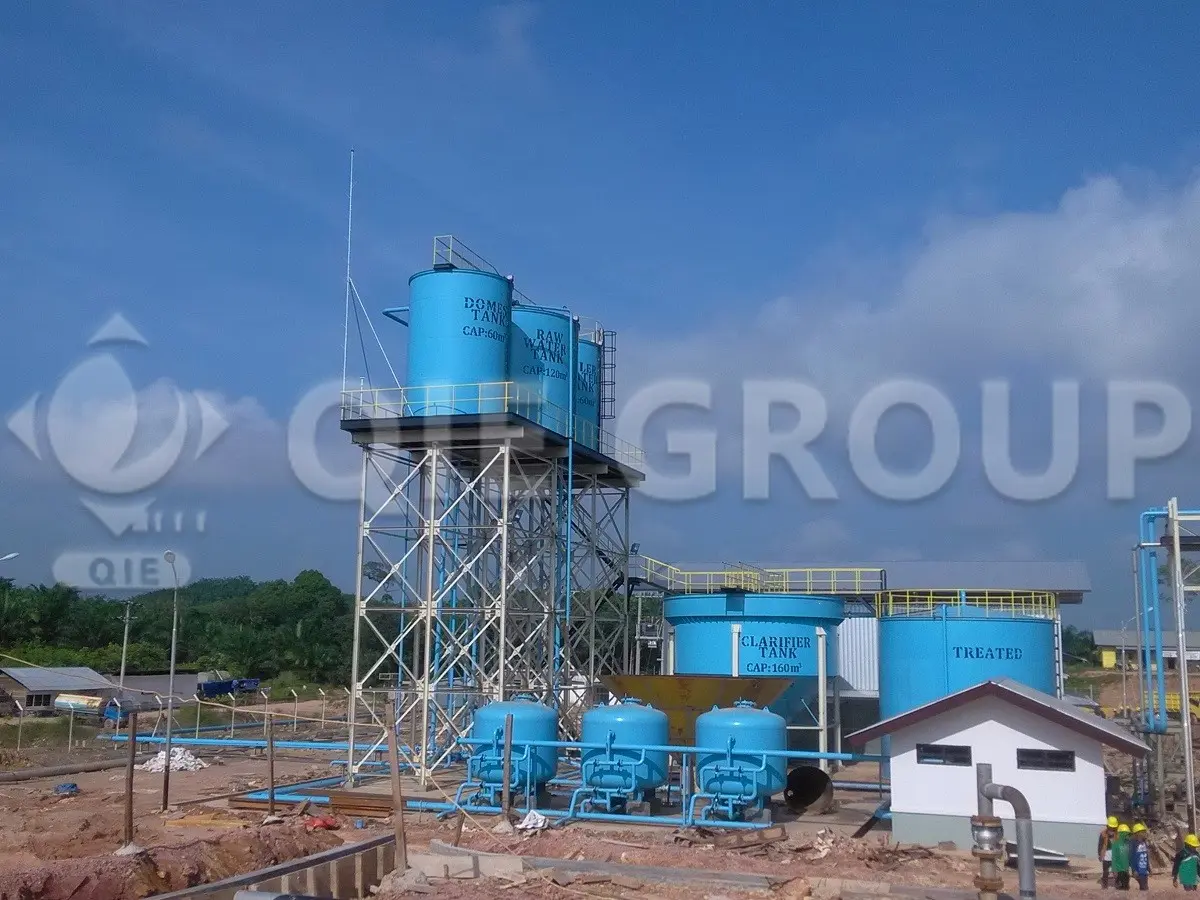
As a vital global vegetable oil, PKO's value lies in its high Lauric Acid content (45%-52%), making it irreplaceable in the industrial chain:
A scientific Palm Kernel Oil Processing Plant must follow the principle of "Pre-treatment first, extraction as the core."
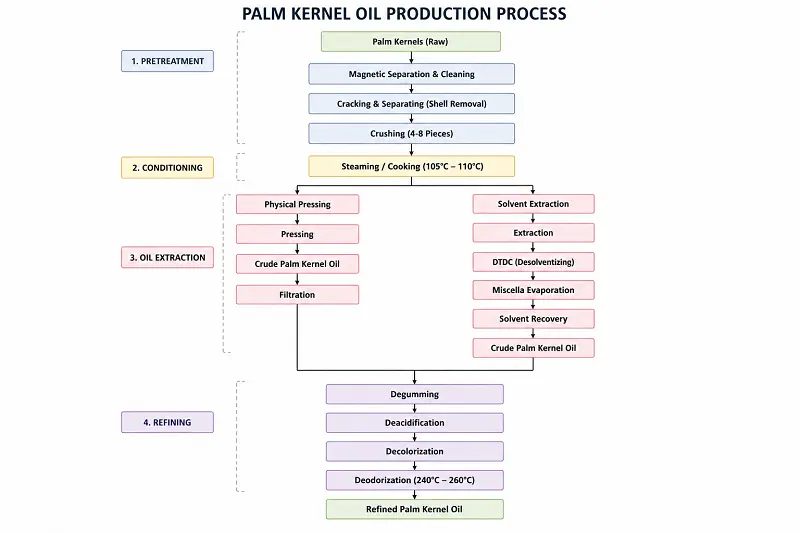
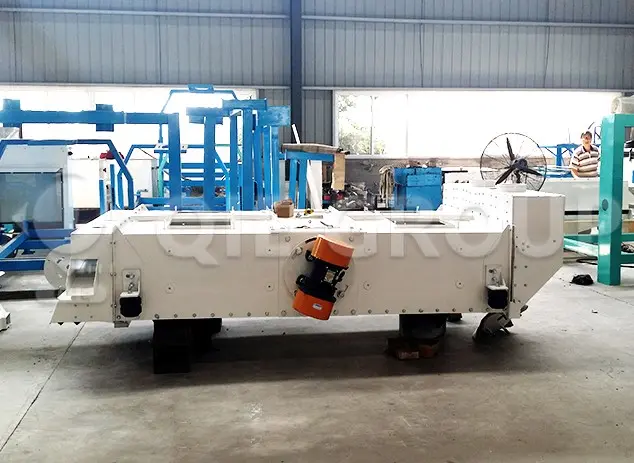
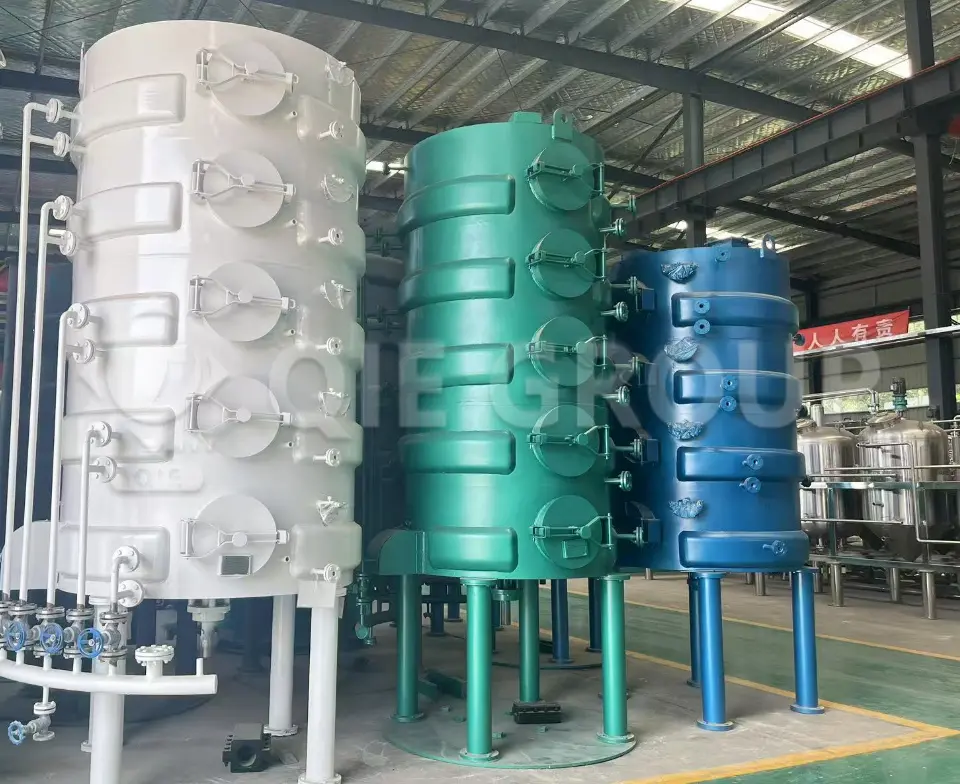
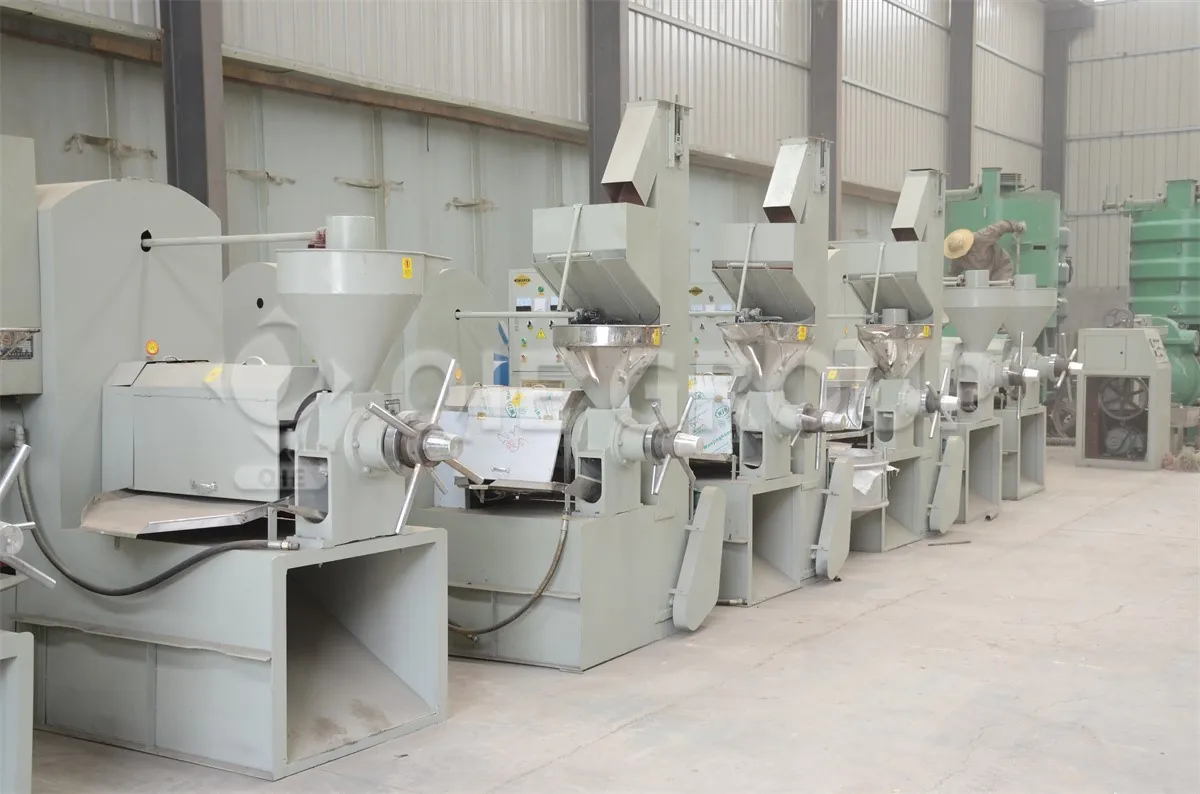
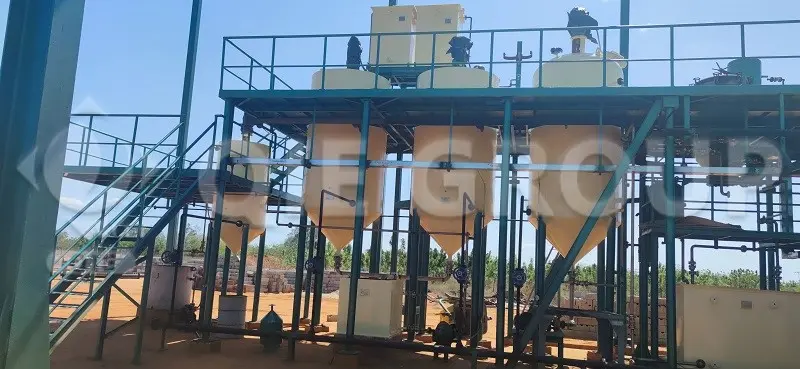
To avoid blind investment, planning should be based on raw material supply and Capital Return Cycles (ROI).
| Daily Capacity (TPD) | Recommended Configuration | Estimated Investment (USD) | Land Requirement | Estimated ROI |
|---|---|---|---|---|
| 10-20 | Reinforced Pressing Line + Simple Filtration | $50k - $150k | 500-800 ㎡ | 10 - 14 Months |
| 30-50 | Pre-pressing + Refining | $150k - $400k | 1500-2000 ㎡ | 12 - 18 Months |
| 100+ | Pre-pressing + Extraction + Full Continuous Refining | $800k - $3M+ | 5000 ㎡+ | 18 - 24 Months |
Choosing the wrong process can lead to operating costs being over 30% higher than necessary.
Pros: Simple process, no chemical solvents, lower investment threshold.
Cons: Residual oil in the cake is usually 6-8%.
Best for: Limited budgets or brands pursuing "Cold Pressed/Natural" labels.
Pros: Residual oil rate below 1%, extremely high degree of automation.
Cons: Requires explosion-proof design, solvent turnover costs, and strict environmental permits.
Best for: Large-scale production aiming for maximum profit from every drop of oil.
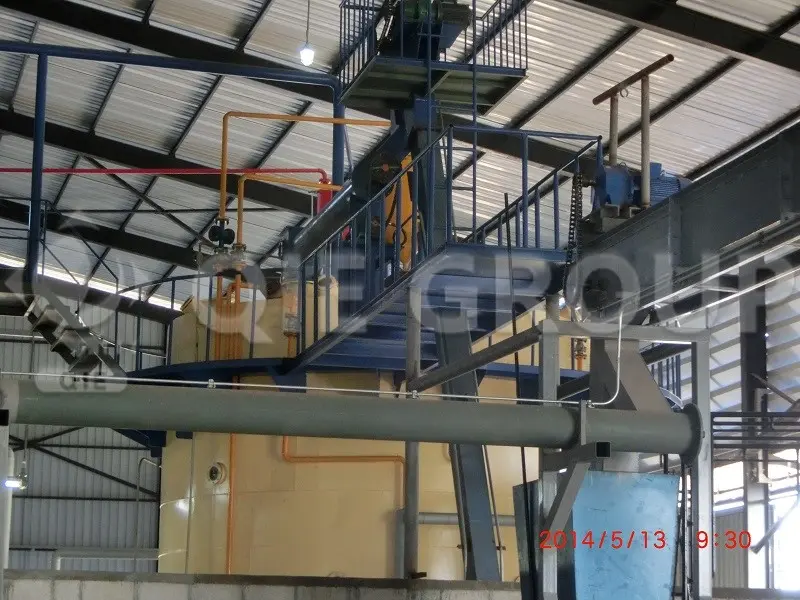
Many projects fail not because they couldn't buy equipment, but due to "irrational configuration":
Neglecting Cracking & Separation: Pressing with hard shells leads to skyrocketing power consumption and lower protein content in the meal, reducing its market value.
Ignoring Power Stability: In regions with unstable grids (like parts of Africa), failing to equip voltage stabilizers and backup generators can lead to frequent PLC system burnouts, with downtime losses reaching thousands of dollars per incident.
Mismatched Refining Configuration: If the bleaching system lacks design redundancy for fluctuating crude oil impurities, bleaching earth consumption can exceed standards by 40%, spiking operating costs.
Insufficient Spatial Planning: Many plants fail to reserve space for future fractionation equipment, preventing them from upgrading products to high-end Palm Kernel Stearin.
Copying Process Parameters: The melting point of PKO is entirely different from rapeseed or peanut oil. Copying experience from other oils leads to frequent clogging in the degumming section.
Prioritizes equipment durability, ease of maintenance, and power adaptability. Modular, low-maintenance, and easy-to-operate solutions are more suitable. For first-time investors, a pressing line is often the easiest starting point.
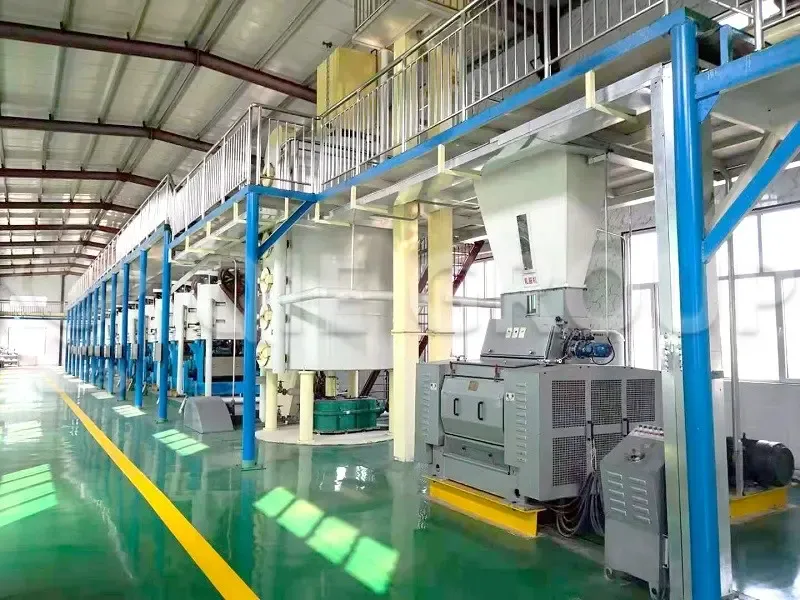
The supply chain and processing experience are relatively mature. Customers focus more on automation, continuous operation, energy consumption control, and product standardization. Mid-to-large scale projects usually favor the Pre-press + Extraction + Refining combination.
As a leading global edible oil processing service provider, QIE GROUP offers more than just machinery:
Q1: Is the Palm Kernel Expeller (PKE) still valuable after pressing?
A: Extremely valuable! PKE is a high-quality, high-protein animal feed. In Southeast Asian and European markets, PKE sales often cover a significant portion of the plant's electricity and labor costs.
Q2: How much space is needed for a 20 TPD plant?
A: We usually recommend reserving 800-1,200 square meters, including raw material storage, production workshops, finished oil tank areas, and spare parts warehouses.
Q3: Should I choose physical or chemical refining?
A: For PKO, we strongly recommend physical refining due to the typically high acid value of the crude oil. It reduces chemical losses and produces higher-quality fatty acid by-products.
 Cost of a soybean oil plant with a daily output of 300 tons soybean oil extraction equipment price Turnkey oil press project Investment in soybean oil refineries Solvent leaching equipment manufacturers
vegetable oil production line turnkey edible oil plant edible oil processing plant oil refining equipment oil pressing machine
turnkey edible oil plant edible oil processing plant edible oil processing line EPC edible oil plant design and construction
Shea butter production line Shea butter processing plant Shea butter processing equipment Investment Costs of Shea Butter Plants in Nigeria Shea butter processing
Rapeseed Oil Processing Rapeseed Oil Pressing Process Rapeseed Oil Extraction Rapeseed Oil Refining Equipment Rapeseed Oil Processing Plant
Cost of a soybean oil plant with a daily output of 300 tons soybean oil extraction equipment price Turnkey oil press project Investment in soybean oil refineries Solvent leaching equipment manufacturers
vegetable oil production line turnkey edible oil plant edible oil processing plant oil refining equipment oil pressing machine
turnkey edible oil plant edible oil processing plant edible oil processing line EPC edible oil plant design and construction
Shea butter production line Shea butter processing plant Shea butter processing equipment Investment Costs of Shea Butter Plants in Nigeria Shea butter processing
Rapeseed Oil Processing Rapeseed Oil Pressing Process Rapeseed Oil Extraction Rapeseed Oil Refining Equipment Rapeseed Oil Processing Plant


.png?x-oss-process=image/resize,h_100,m_lfit/format,webp)
.png?x-oss-process=image/resize,h_100,m_lfit/format,webp)
.png?x-oss-process=image/resize,h_100,m_lfit/format,webp)


