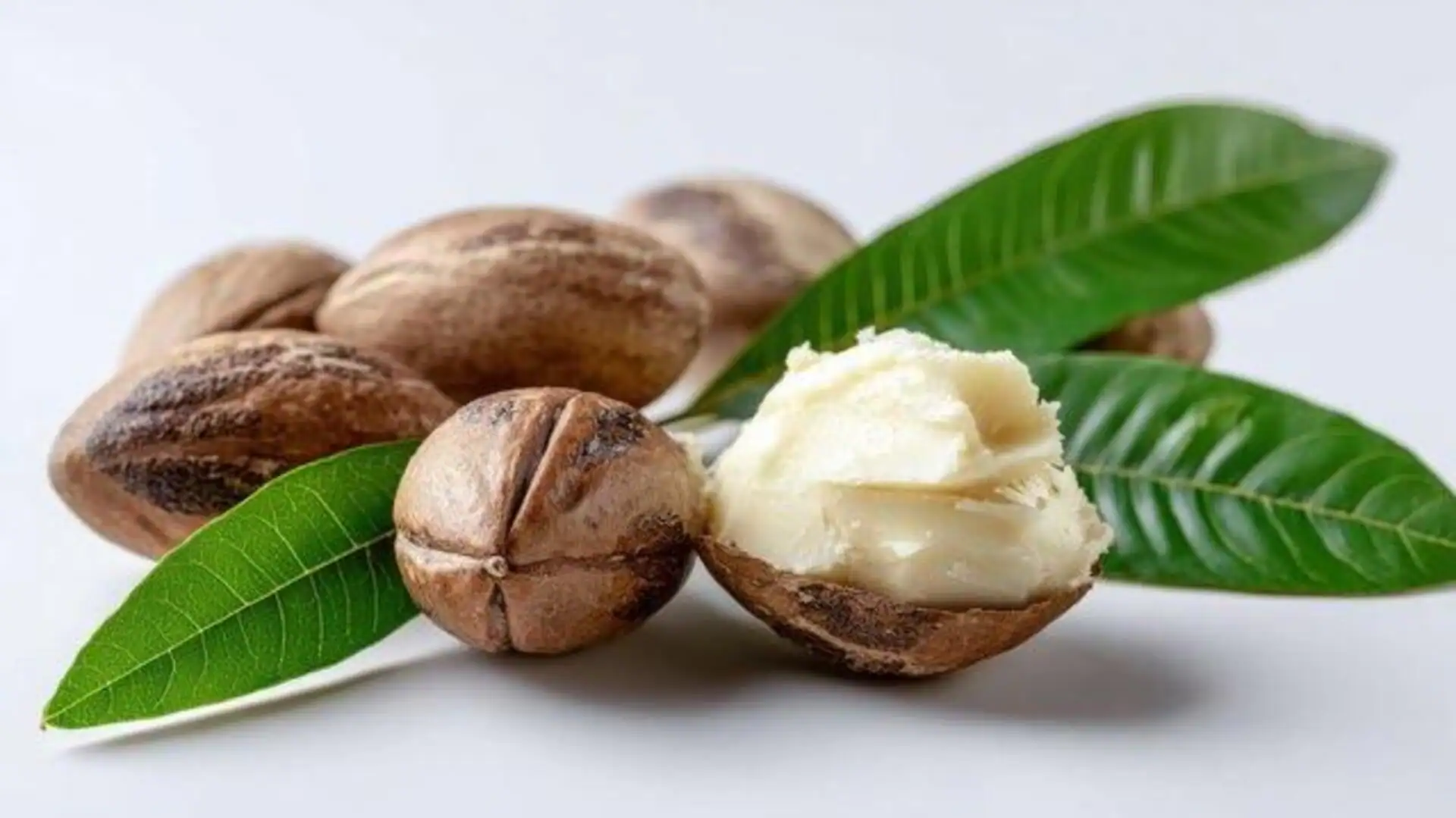
Shea butter is widely used in cosmetics, personal care products, food applications, and other value-added industries. For investors planning a shea butter processing plant in Nigeria, the processing method and equipment configuration have a direct impact on oil recovery, product quality, production capacity, and overall project investment.
The right plant design therefore starts with more than selecting an oil press. It requires matching the raw material, processing capacity, extraction method, and final product specification.
This guide explains the main shea butter processing process, equipment options, pressing methods, plant capacity, cost factors, and refining requirements to help you evaluate a shea butter production project in Nigeria.
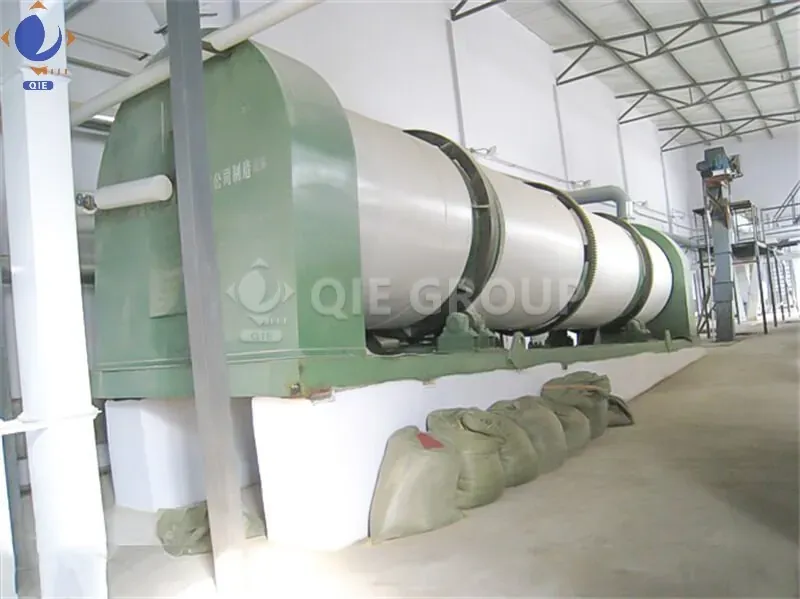
The processing route depends on the desired product and production scale.
For a mechanical pressing plant, a typical process is:
For larger projects requiring higher oil recovery, the process can be expanded to:
Not every project needs the complete process. A suitable shea butter production line should be designed according to the raw material condition, daily processing capacity, and final product requirements.
The equipment required depends on the selected process. A typical mechanical processing line may include the following:
| Processing Section | Main Equipment | Main Function |
|---|---|---|
| Cleaning | Vibrating screen, magnetic separator, destoner if required | Remove stones, dust, metal and other impurities |
| Crushing | Roller crusher or hammer crusher | Reduce particle size and improve oil release |
| Preparation | Conditioning/cooking equipment when required | Adjust material conditions before extraction |
| Mechanical extraction | Screw press or hydraulic press | Extract butter mechanically |
| Clarification | Settling tank, plate-and-frame filter or leaf filter | Remove suspended solids |
| Further extraction | Solvent extraction system | Recover additional oil from press cake |
| Refining | Refining equipment | Adjust color, acidity, odor and other quality parameters |
| Storage | Butter/oil storage tanks | Store crude or refined product |
| Packaging | Filling and packing equipment | Prepare finished product for shipment |
The equipment list should not be fixed before the process is determined. For example, a small batch-oriented project may use hydraulic pressing, while a continuous industrial plant may require screw pressing and additional extraction or refining sections.
For a complete overview of shea butter processing equipment, including the function of each machine, see our equipment guide.
The quality and condition of shea kernels have a significant influence on the downstream process.
Shea kernels may contain dust, stones, sand, metal particles and other foreign materials from harvesting, transportation and storage. Cleaning removes these impurities before the kernels enter the crushing and extraction equipment.
Main equipment: Vibrating screen, magnetic separator, and destoner (when required). Effective cleaning helps protect downstream machinery and maintain stable production.
After cleaning, the kernels can be reduced in size using a roller crusher or hammer crusher.
The purpose is to increase the exposed surface area and disrupt part of the oil-bearing cell structure. Proper particle preparation creates better conditions for subsequent oil extraction.
The crushing configuration should be selected according to the characteristics of the shea kernels and the downstream extraction method.
The preparation requirements depend on the selected extraction technology.
For some mechanical pressing processes, controlled conditioning can adjust the moisture and physical properties of the material, helping the oil separate more effectively during pressing.
However, the operating temperature should be controlled according to the desired product characteristics. Excessive heating may affect the properties of the final butter.
For this reason, conditioning parameters should be determined as part of the overall process design rather than applying one fixed temperature to every shea butter plant.
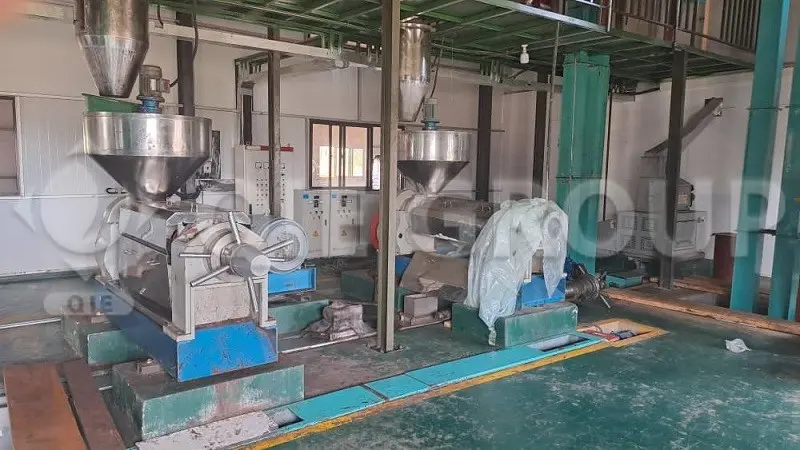
Mechanical pressing is a direct physical method for extracting butter from prepared shea kernels.
The two main equipment options are screw presses and hydraulic presses.
A screw press continuously conveys and compresses the prepared material inside a pressing chamber. As the available space decreases, pressure is generated and oil is released.
A screw press is generally suitable for continuous production, higher processing capacities, integration with automated production lines, and commercial-scale shea butter processing.
Because mechanical friction generates heat during pressing, operating conditions should be controlled according to the required product characteristics.
A hydraulic press uses hydraulic pressure to apply static pressure to prepared material in batches.
It can be considered for small-scale or batch production, projects where continuous processing is not required, and applications where lower-temperature pressing is an important consideration.
| Factor | Screw Press | Hydraulic Press |
|---|---|---|
| Operation | Continuous | Batch |
| Typical application | Commercial production | Small/batch production |
| Automation | Easier to integrate | More operator involvement |
| Processing capacity | Generally higher | Generally lower |
| Process principle | Continuous mechanical compression | Static hydraulic pressure |
The choice should be based on capacity, production continuity, product specification, labor availability and automation requirements, rather than assuming that one type of press is suitable for every project.
Freshly pressed butter contains fine solid particles and other suspended materials.
Before storage or further processing, the crude butter can be clarified through settling or filtration.
The crude butter can be transferred to settling tanks and held for sufficient time so that heavier solid particles separate by gravity.
This is a relatively simple approach and may be suitable for projects where production capacity and clarification requirements allow sufficient settling time.
For faster and more controlled clarification, equipment such as plate-and-frame filters and leaf filters can be used.
The purpose is to remove fine suspended particles and obtain a cleaner crude butter for storage or subsequent processing.
Not every shea butter production line needs complete refining.
The required processing level depends on the final product specification and target market.
For some natural cosmetic, personal care, and specialty applications, the characteristic color, aroma and natural components of shea butter may be desirable.
In these cases, the process may focus on the following route:
Cleaning → Preparation → Pressing → Settling/Filtration → Storage
Further refining may not be necessary if the product meets the customer's specifications.
For applications requiring a lighter color, reduced odor, lower acidity or other controlled quality characteristics, additional refining may be required.
Depending on the crude butter characteristics and final specification, the refining section may include degumming, deacidification, bleaching, deodorization, and filtration.
Therefore, the question is not simply whether shea butter "needs" refining. The better question is:
What specifications must the finished shea butter meet?
This determines whether the plant should produce unrefined, minimally processed, or refined shea butter.
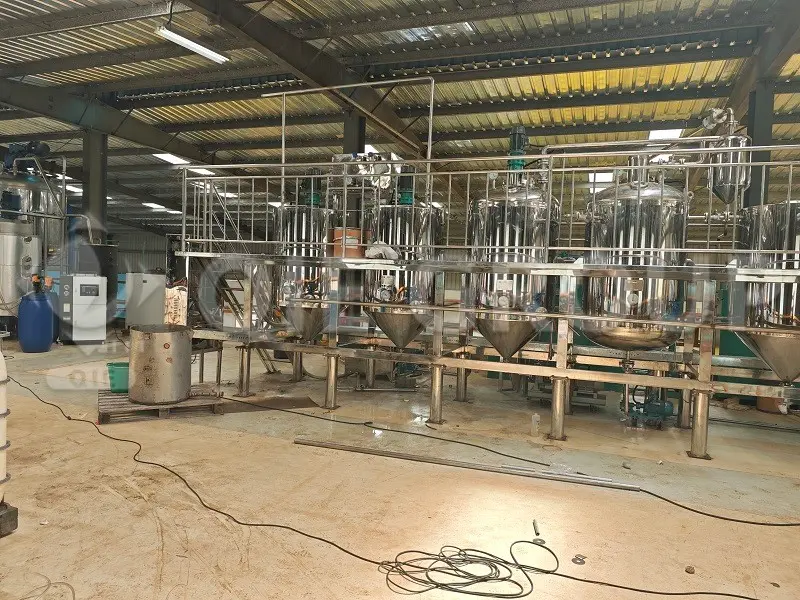
The extraction method is one of the most important decisions when designing a commercial shea butter processing plant.
Mechanical pressing can be appropriate when the project focuses on natural or minimally processed shea butter, a relatively simple process, small to medium-scale production, continuous mechanical extraction, and lower process complexity.
For larger industrial projects where maximizing oil recovery is a major objective, pre-pressing followed by solvent extraction can be considered.
The solvent extraction section recovers additional oil from the press cake after mechanical pressing.
However, this process requires additional systems for solvent handling, extraction, solvent recovery, desolventization, safety control, and process monitoring.
Therefore, solvent extraction should not be selected simply because it can achieve higher oil recovery. The decision should consider plant capacity, oil recovery requirements, investment, operating capabilities, safety requirements and the target product.
There is no single capacity suitable for every Nigerian shea butter project.
Plant capacity should be determined by available shea kernel supply, seasonal raw material availability, expected operating days, target product volume, market demand, storage capacity, utilities, and future expansion plans.
For example, a small or medium processing facility may focus on mechanical pressing and filtration, while a large industrial project may integrate continuous pretreatment, pressing, further extraction, refining and automated control. The plant should therefore be sized around the actual raw material supply and expected sales volume, rather than selecting equipment based only on the largest possible processing capacity.
The cost of setting up a shea butter processing plant in Nigeria depends on much more than the price of the main oil press.
A complete project may include processing equipment (cleaning, crushing, pressing, filtration and refining), utilities (boiler, electrical system, water and other auxiliary systems), storage (raw material and finished-product storage), civil works (workshop, warehouse and equipment foundations), installation (mechanical and electrical installation), commissioning (testing, adjustment and trial production), logistics (transportation and local delivery), packaging (filling and packing equipment), and laboratory (quality control and testing equipment).
The final investment can vary significantly according to:
For this reason, a fixed price without project information may not be meaningful.
For a preliminary quotation, the most useful information is:
A commercial shea butter factory should be designed around a logical material flow:
The plant layout should also provide suitable operational areas for raw material storage, production, utilities, butter/oil storage, finished products, packaging, maintenance, and quality control.
The final layout depends on the selected equipment and processing capacity. For larger projects, the initial plant design should also include space for future expansion.
A practical way to evaluate a shea butter processing plant is to look at an actual industrial project.
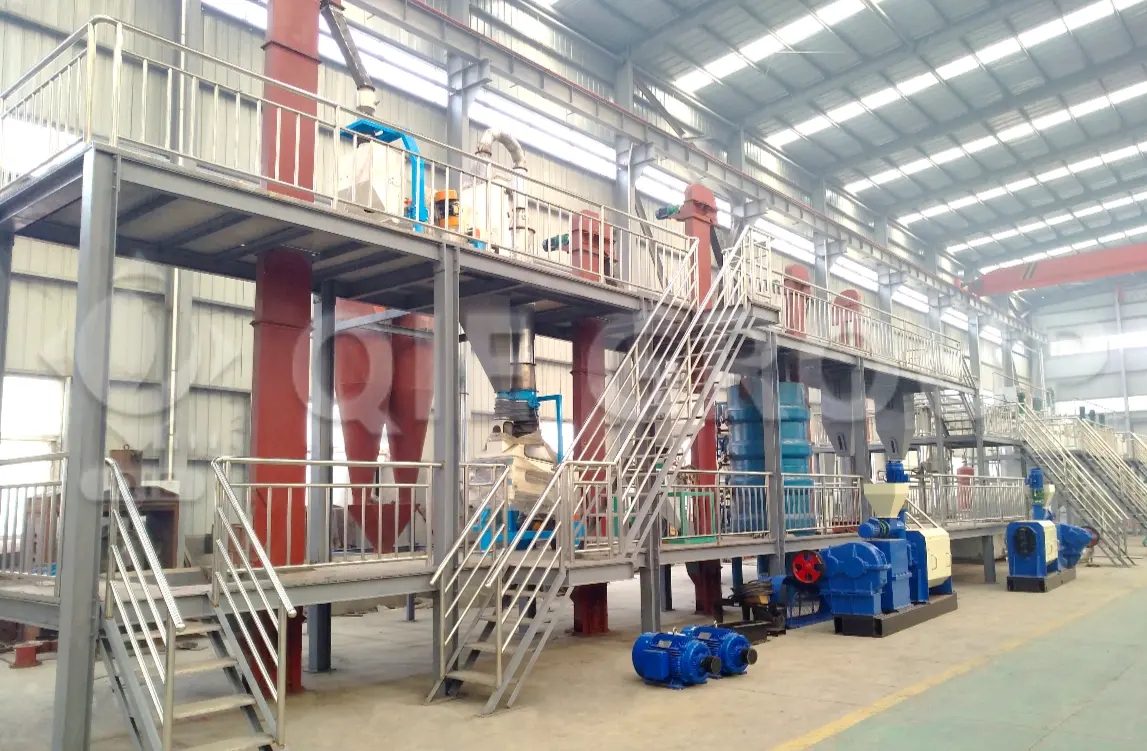
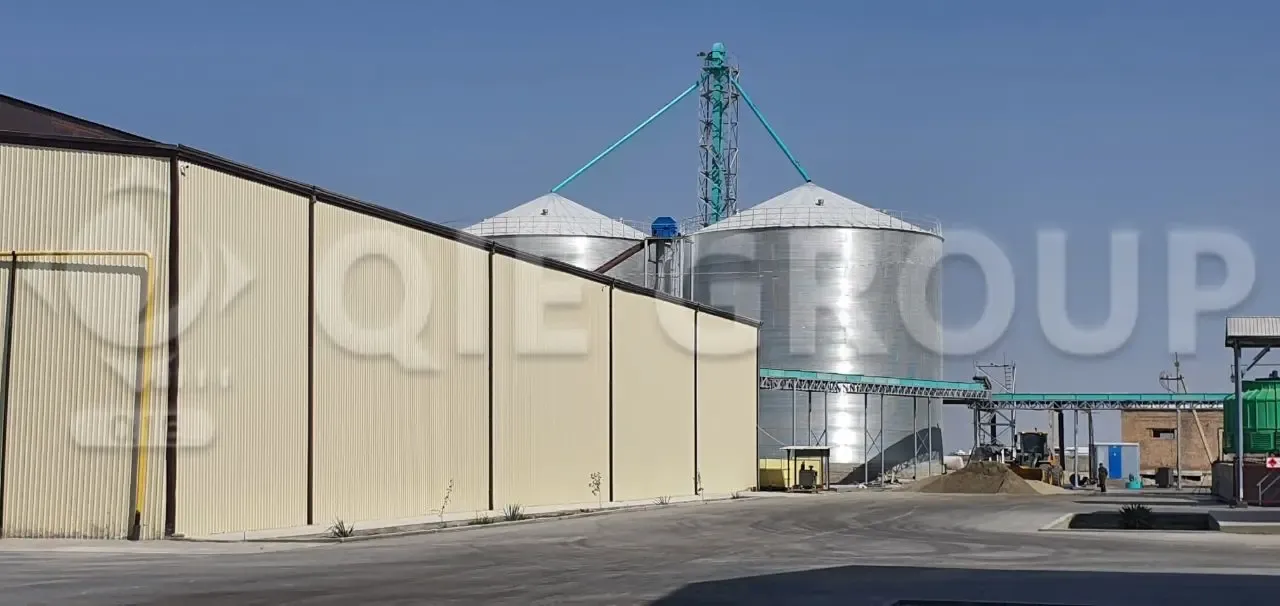
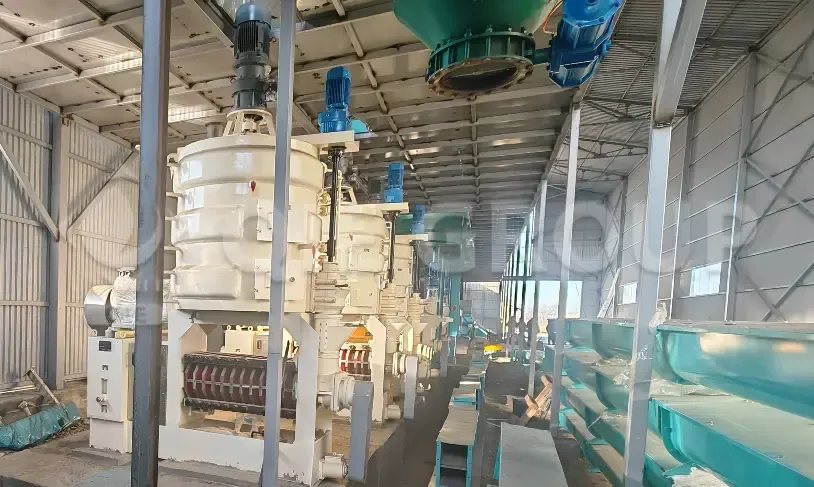
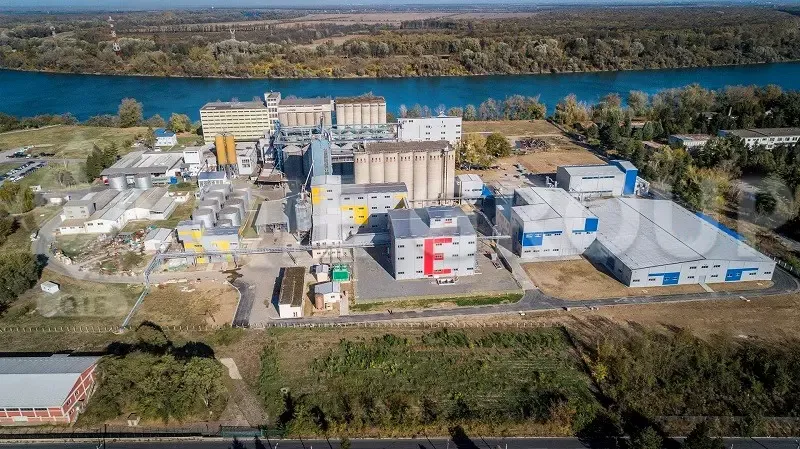
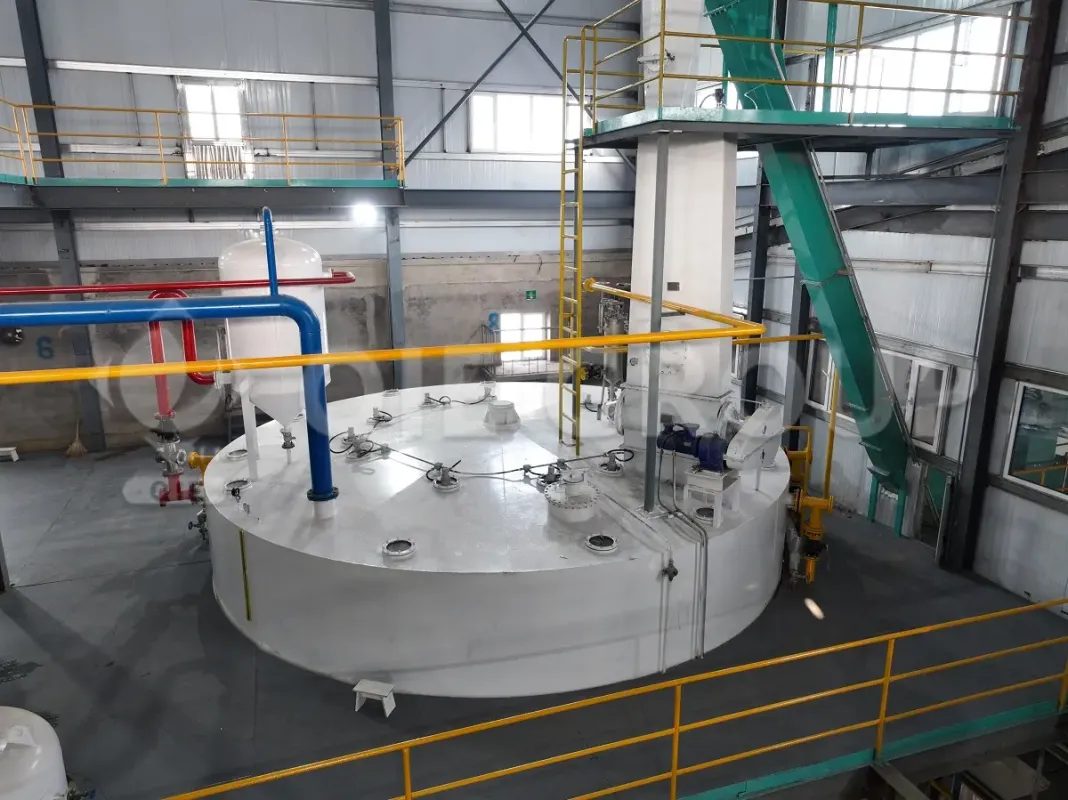
QIE has supplied a 250 TPD shea butter processing project in Nigeria, integrating major processing sections including raw material preparation, mechanical pressing, refining and storage.
The project demonstrates how a commercial-scale plant can integrate multiple processing stages into a continuous production system rather than relying on individual machines operating independently. For projects with different capacities or final product requirements, the process configuration can be adjusted accordingly.
( 250 TPD Shea Butter Pre-treatment, Pressing & Refining Plant in Nigeria )
A mechanical processing line may include cleaning equipment, magnetic separation, crushing equipment, a screw or hydraulic press, settling tanks and filtration equipment. Larger industrial plants may additionally require conditioning, solvent extraction, refining, storage, utilities and automated control systems.
A screw press provides continuous mechanical extraction and is generally more suitable for continuous commercial production. A hydraulic press applies static pressure in batches and may be suitable for smaller or batch-oriented projects. The choice depends mainly on processing capacity, production continuity, product requirements and the desired level of automation.
No. Mechanical pressing can be used as the main extraction method. For larger industrial projects where higher oil recovery is required, pre-pressing followed by solvent extraction can be considered. The final choice depends on capacity, recovery requirements, investment, safety and operating conditions.
There is no single standard price because plant cost depends on processing capacity, equipment configuration, extraction method, refining requirements, utilities, civil works, installation and other project conditions. For a meaningful estimate, the project capacity and target product should be defined first.
A successful shea butter project starts with the right process configuration—not simply with the purchase of an oil press.
Whether you are planning a small mechanical pressing facility or a large integrated production plant, the equipment should be matched to your raw material, capacity, target product and market requirements.
QIE GROUP provides process design, equipment manufacturing, installation, commissioning and engineering support for edible oil processing projects.
If you are planning a shea butter project in Nigeria, you can send us your raw material specifications, processing capacity, target product, project location, and refining requirements.
Our engineering team can recommend a suitable process route and equipment configuration for your project.
Get a customized engineering proposal, process layout, and equipment cost estimate tailored to your capacity and market requirements in Nigeria.
Request a Shea Butter Processing Plant Proposal sunflower oil refining to dewaxing sunflower oil processing plant sunflower oil extraction sunflower oil refining dewaxing process oil mill turnkey solutions







.png?x-oss-process=image/resize,h_100,m_lfit/format,webp)
.png?x-oss-process=image/resize,h_100,m_lfit/format,webp)
.png?x-oss-process=image/resize,h_100,m_lfit/format,webp)