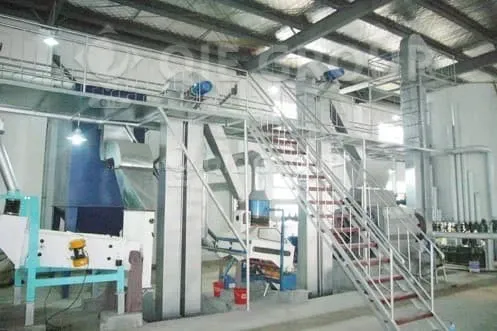
A palm oil production line succeeds or fails not by equipment alone, but by how the entire process works as one system.
In real projects, issues such as high oil loss, unstable operation, excessive steam consumption, or rising FFA levels usually come from poor integration between sterilization, pressing, clarification, kernel recovery, and refining.
This article explains the complete palm oil production process, from fresh fruit bunches (FFB) to refined edible oil, focusing on the engineering decisions that directly affect yield, energy efficiency, and long-term plant reliability.
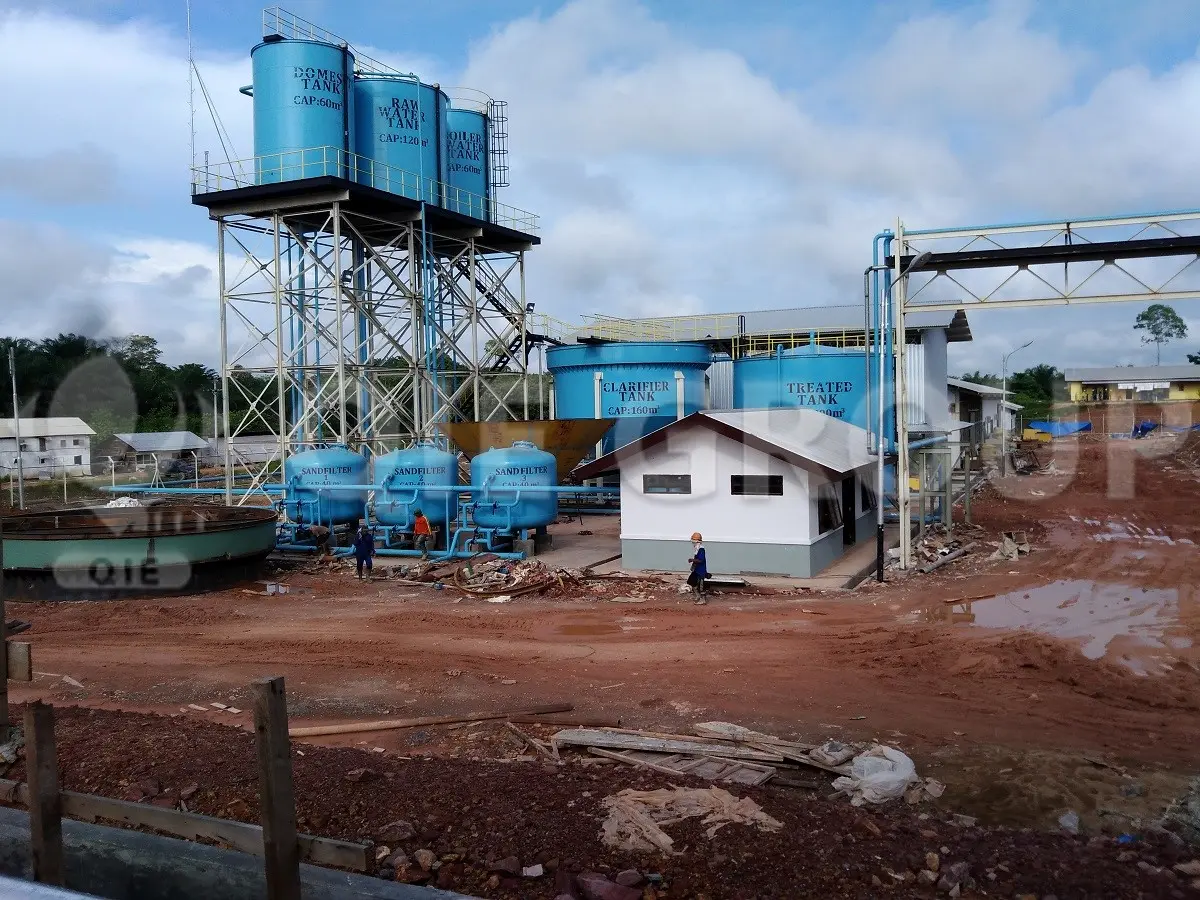
Oil palm offers the highest oil yield per unit area among oil crops. The mesocarp produces Crude Palm Oil (CPO), while the kernel produces Crude Palm Kernel Oil (CPKO), creating a dual revenue stream from a single raw material.
Modern palm oil production lines integrate optimized steam systems, continuous equipment, and automated control to achieve stable oil yield, controlled energy consumption, and reduced labor intensity. These characteristics make palm oil processing highly suitable for large-scale industrial operations.
Empty fruit bunches (EFB), fiber, and shells can be used as boiler fuel or agricultural resources
Palm Oil Mill Effluent (POME) can be treated anaerobically to generate biogas for power and steam
Palm Kernel Cake (PKC) is a widely traded high-protein feed ingredient
For serious investors, success depends not only on oil output, but on stable operation, predictable energy costs, and systematic utilization of by-products.
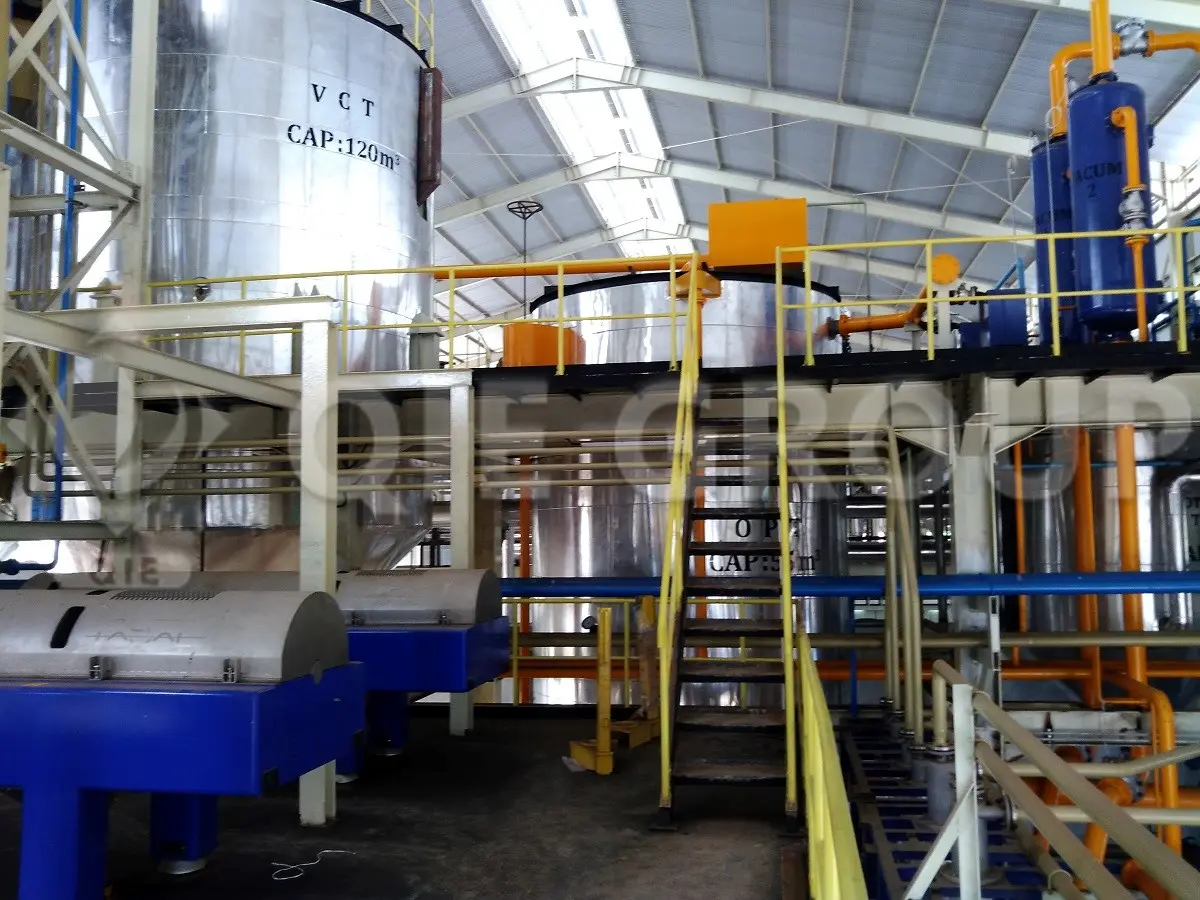
A typical modern palm oil production line includes the following main steps:
Sterilization → Threshing → Digestion → Pressing → Crude Oil Clarification → Storage
In parallel, a kernel recovery line operates:
Fiber / Nut Separation → Nut Cracking → Kernel–Shell Separation → Kernel Drying → Kernel Oil Pressing or Sale
Depending on market requirements, downstream processing may include:
Refining (Degumming,Deacidification, Decolorization, Deodorization) → Fractionation
Front-end (FFB to CPO): Determines oil yield and free fatty acid (FFA) levels
Mid-section (Clarification and kernel recovery): Controls oil losses and by-product revenue
Back-end (Refining and fractionation): Defines product grade, market access, and profit margin
Many projects focus primarily on pressing capacity, while long-term performance depends on how well these sections are integrated. 👉( Palm oil production line guide )
Sterilization aims to rapidly deactivate lipase enzymes, prevent excessive FFA formation, and improve fruit handling for downstream processing. Saturated steam sterilization is typically performed at approximately 140–145°C for 60–90 minutes, depending on fruit maturity and sterilizer design. Condensate recovery significantly reduces boiler makeup water and overall energy consumption.
Threshers then separate the fruits from the bunch stalks, sending empty fruit bunches (EFB) for energy recovery or agricultural utilization. 👉( What is the role of a palm fruit sterilizer? )
Uneven sterilization due to overloaded cages or poor steam distribution.
Delays between sterilization and threshing leading to higher FFA.
Not adjusting sterilization parameters based on FFB maturity and seasonal variation.
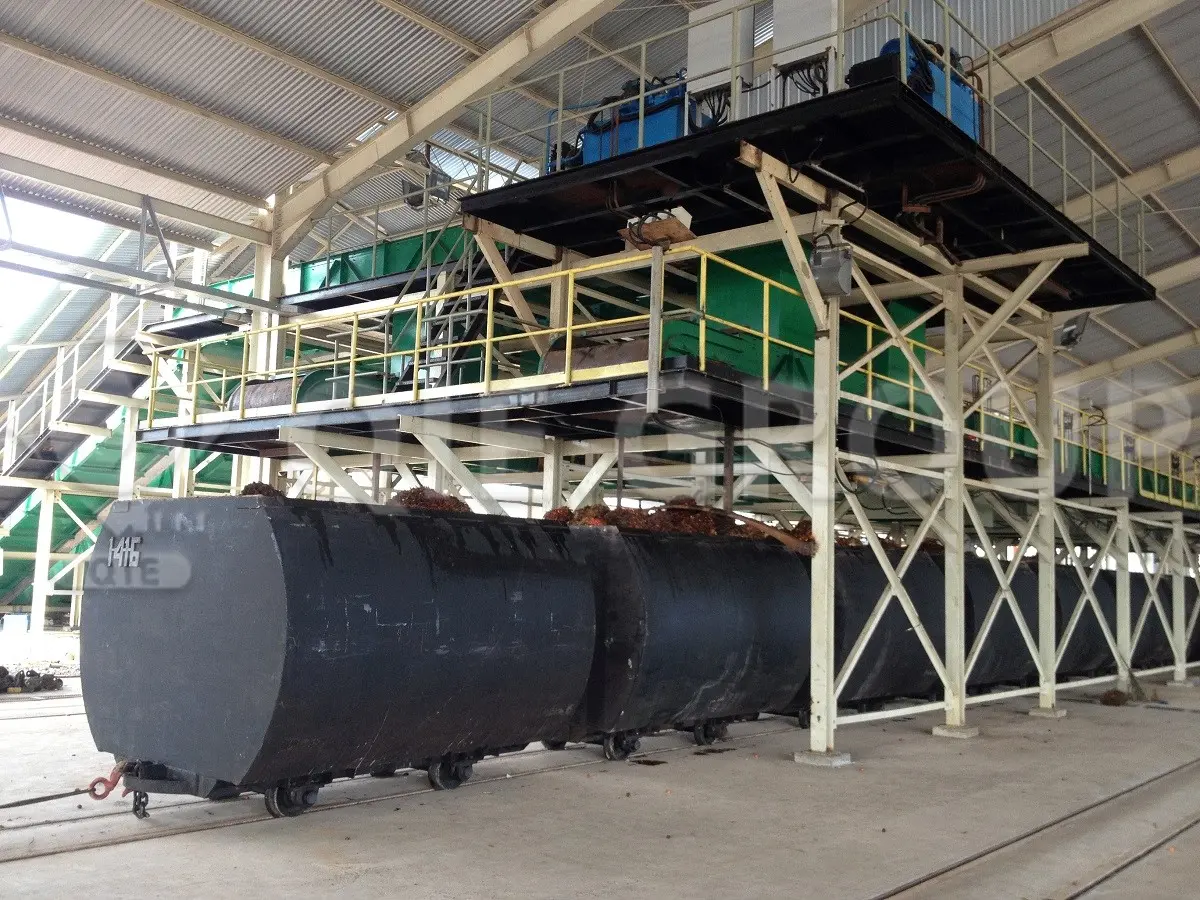
Digestion uses mechanical agitation and controlled heating to break down the fruit structure and release oil from the mesocarp. Temperature and residence time directly affect pressing efficiency and crude oil quality.
Modern palm oil pressing systems typically use twin-screw or continuous screw presses, achieving CPO yields of 20–23% of FFB weight, depending on raw material quality and logistics. 👉( Twin screw palm fruit oil press )
Excessive pressure or temperature can increase gum content and solids, raise oxidation, and accelerate equipment wear.
Stable feed and automated monitoring reduce downtime and oil loss.
Pressing performance directly impacts downstream clarification and refining efficiency.
Crude palm oil contains water, solids, and trace impurities that must be removed before refining. A typical clarification system includes:
Settling tanks or vibrating screens
Three-phase decanters
Vacuum drying
Polishing filtration
Proper clarification reduces refining load, bleaching earth consumption, and filter blockage while improving oil stability.
Kernel recovery improves overall plant economics, with CPKO yield typically 4–5% of FFB weight. Steps include:
Fiber and nut separation
Nut cracking
Air or hydrocyclone separation
Kernel drying
Palm shells and fiber provide high-calorific renewable fuel, often used with EFB to enhance energy self-sufficiency.
Dried kernels are pressed in dedicated kernel oil presses. Crude kernel oil is filtered to remove impurities. Proper control of kernel moisture and particle size reduces oil loss and improves filtration efficiency. Palm Kernel Cake (PKC) remains a high-protein by-product used widely in animal feed markets.
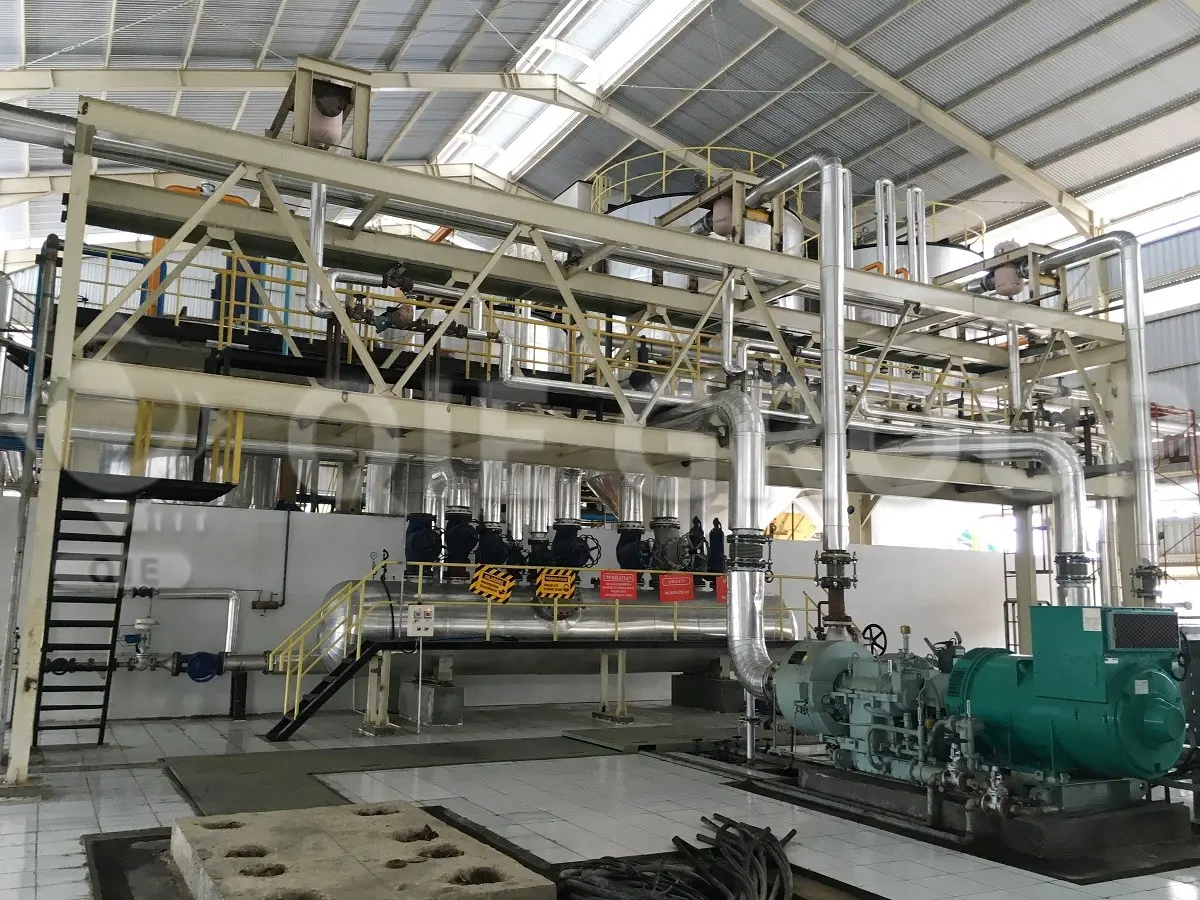
Refining includes:
Degumming / neutralization
Bleaching adsorption
Vacuum deodorization
Physical refining is increasingly preferred for lower chemical use and higher oil yield, though it requires stricter FFA control.
Controlled cooling and crystallization followed by filtration separates palm oil into:
Soft fractions: cooking oil and baking applications
Hard fractions: shortening, margarine, and industrial uses
Refining and fractionation should align with target markets to maximize value.
EFB: Boiler fuel, mulching, or composting
Fiber and shells: High-calorific fuel for steam and power generation
POME biogas: Anaerobic digestion for energy, reducing lifecycle emissions by over 50%
PKC: High-protein feed material
Systematic by-product management improves financial resilience and ESG performance.
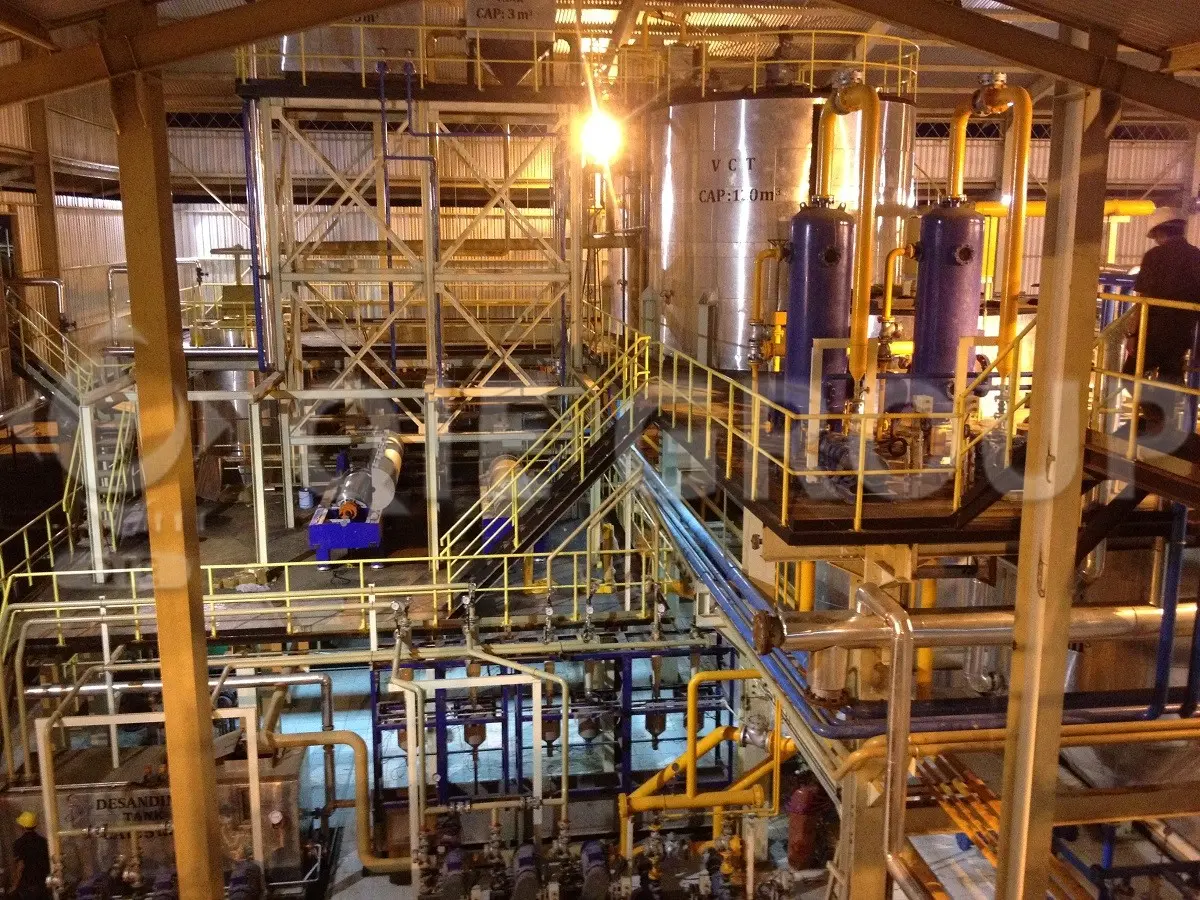
For international markets, requirements include:
RSPO sustainability standards
ISO 22000 / HACCP food safety systems
Local environmental discharge regulations
Batch traceability, critical control point records, and third-party testing reduce trade and recall risks.
Modular capacity: 30 t/h to 60+ t/h FFB, expandable
Energy efficiency: steam integration, condensate recovery, VFD-driven systems
Intelligent control: PLC/DCS with SCADA monitoring and remote diagnostics
Full value recovery: EFB, fiber, shell energy use; POME biogas; PKC feed utilization
These features enable high oil yield, low energy consumption, reliable maintenance, and full traceability in one integrated system.
A: 30, 45, or 60 t/h FFB, depending on raw material supply and expansion plans.
A: FFB maturity, transport time, sterilization uniformity, pressing parameters, and clarification efficiency.
A: Steam systems dominate; heat recovery and by-product energy utilization significantly reduce unit consumption.
A: Yes, modular design allows phased investment aligned with cash flow and market development.
Clarifying capacity, energy structure, by-product utilization, and future expansion upfront reduces long-term operational risk.Whether you’re upgrading a mill or building greenfield capacity, we’ll help you target higher OER, lower energy intensity, and faster commissioning.
👉 Request a complete palm oil production line proposal today.
 sunflower oil processing plant high-yield sunflower oil production premium sunflower oil plant design sunflower oil dewaxing and refining turnkey sunflower oil plant
Palm oil production line Palm oil processing equipment Palm Oil Press Palm oil refinery QIE Group
Rapeseed Oil Refining Machine Rapeseed oil processing plant refining equipment Rapeseed oil 50 tons per day refiner Rapeseed oil cold pressing oil refining equipment Rapeseed oil deacidification and deodorization equipment
rice bran oil refining equipment rice bran oil production line India rice bran oil plant rice bran oil processing plant edible oil processing India India rice bran oil plant
edible oil production line edible oil processing equipment edible oil refinery plant turnkey project edible oil mill plant
sunflower oil processing plant high-yield sunflower oil production premium sunflower oil plant design sunflower oil dewaxing and refining turnkey sunflower oil plant
Palm oil production line Palm oil processing equipment Palm Oil Press Palm oil refinery QIE Group
Rapeseed Oil Refining Machine Rapeseed oil processing plant refining equipment Rapeseed oil 50 tons per day refiner Rapeseed oil cold pressing oil refining equipment Rapeseed oil deacidification and deodorization equipment
rice bran oil refining equipment rice bran oil production line India rice bran oil plant rice bran oil processing plant edible oil processing India India rice bran oil plant
edible oil production line edible oil processing equipment edible oil refinery plant turnkey project edible oil mill plant




.png?x-oss-process=image/resize,h_100,m_lfit/format,webp)
.png?x-oss-process=image/resize,h_100,m_lfit/format,webp)
.png?x-oss-process=image/resize,h_100,m_lfit/format,webp)