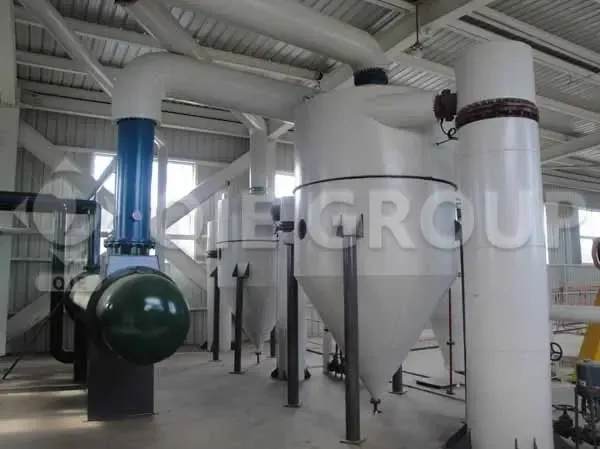
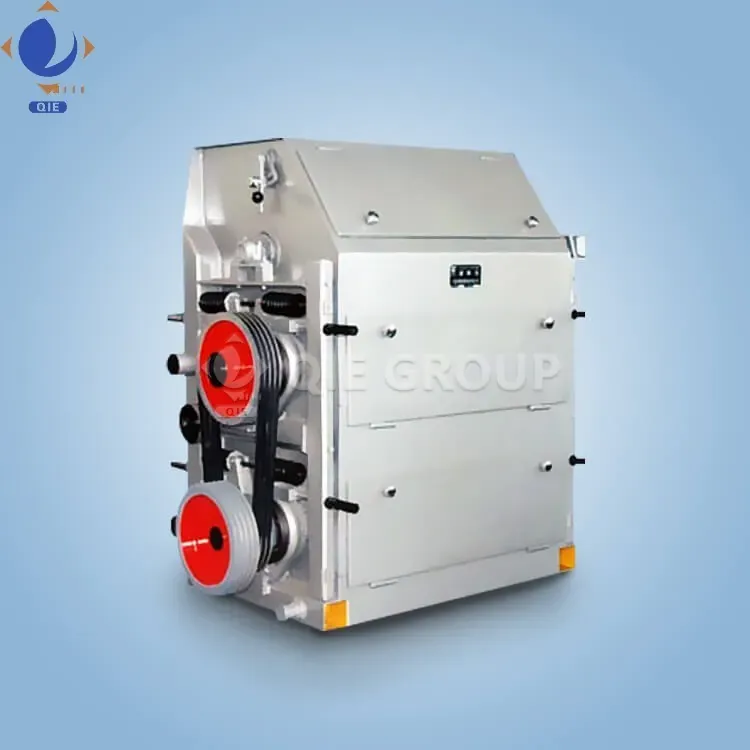
In soybean oil solvent extraction plants, low-temperature and high-temperature desolventizing are two different soybean meal processing routes. Their main differences lie in processing objectives, pretreatment methods, desolventizing conditions, and the applications of the final soybean meal products.
The low-temperature process focuses on preserving soybean protein functionality. It involves low-temperature flaking, solvent extraction, and low-temperature flash desolventizing to produce low-temperature white flakes. The high-temperature process uses extrusion pretreatment, solvent extraction, and a DTDC desolventizing and drying system to produce high-temperature toasted soybean meal for animal feed and soy sauce production.
Therefore, choosing between these two processes depends not only on desolventizing temperature but also on the target product, protein quality requirements, production capacity, and investment costs.
After soybean oil is extracted using a solvent, the solid material becomes wet meal containing residual solvent. This wet meal must undergo desolventizing to remove residual solvents such as hexane. The recovered solvent is then returned to the solvent circulation system for reuse.
Desolventizing performance directly affects the residual solvent level, product safety, and the quality of soybean meal for further processing.
It is important to distinguish between two related processes:
The main difference between low-temperature and high-temperature processing routes is how desolventizing and heat treatment are controlled to meet the requirements of different soybean meal products.
The low-temperature processing route focuses on minimizing heat treatment's impact on soybean protein functionality, helping preserve suitable raw material characteristics for further food protein processing.
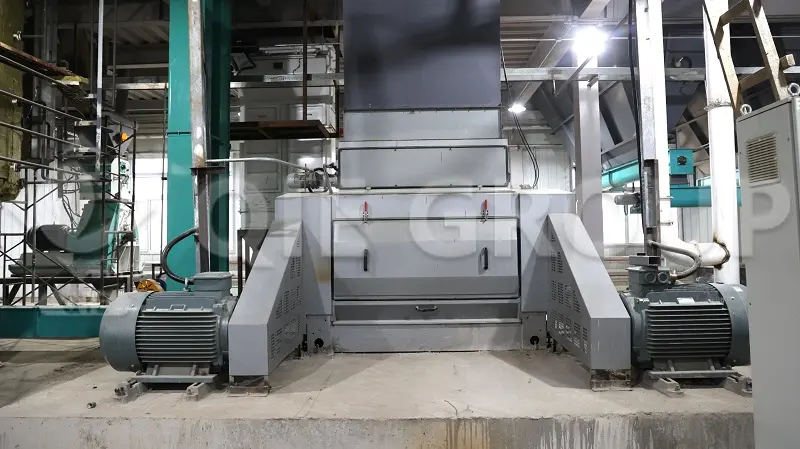
Low-temperature white flakes are produced for further soybean protein processing.
Low-temperature white flakes have relatively high protein solubility and provide suitable raw materials for further soybean protein processing. They can be used in the production of:
The core value of the low-temperature process is to minimize protein denaturation and preserve more functional properties for downstream protein processing.
The high-temperature processing route is primarily designed for continuous soybean oil extraction and feed protein production. After extrusion pretreatment, soybeans enter the solvent extraction section. The resulting wet meal is then processed through a DTDC system for desolventizing and heat treatment.

DTDC refers to the desolventizing, toasting, drying, and cooling system. Its sections perform soybean meal desolventizing and toasting, followed by drying and cooling.
With appropriate moist-heat treatment, high-temperature toasted soybean meal can effectively reduce the activity of antinutritional factors. Its main applications include:
The main advantage of the high-temperature process is that it combines desolventizing and toasting, making it suitable for continuous, large-scale production of conventional soybean meal.
The two processes differ not only in desolventizing temperature but also in pretreatment methods, equipment configurations, and final soybean meal products.
| Comparison | Low-Temperature Extraction and Desolventizing | High-Temperature Extraction and Desolventizing |
|---|---|---|
| Main Objective | Preserve protein functionality and increase soybean meal value | Efficient extraction, desolventizing, and soybean meal toasting |
| Pretreatment Method | Low-temperature flaking | High-temperature extrusion |
| Material Structure | Uniform thin flakes | Loose, porous extruded material |
| Desolventizing Method | Flash desolventizing | DTDC desolventizing and drying |
| Main Heating Method | Indirect heating combined with vacuum conditions | Direct steam combined with indirect heating |
| Desolventizing Temperature | Typically below 80°C | Typically above 100°C |
| Heat Treatment | Gentle treatment to reduce protein denaturation | Moist-heat treatment to promote soybean meal toasting |
| Protein Characteristics | Higher protein solubility is preserved | Relatively greater protein denaturation |
| Soybean Meal Product | Low-temperature white flakes | High-temperature soybean meal (toasted meal) |
| Main Applications | Food protein processing and high-value protein ingredients | Conventional animal feed and soy sauce production |
Note: The temperatures shown in the table represent typical processing routes used in QIE Group soybean oil projects. They are not universal operating standards for all equipment or projects. Actual temperatures and processing conditions should be determined according to equipment design and product quality requirements.

When selecting a desolventizing process, the key consideration is whether the final soybean meal meets the quality requirements of its downstream applications. The main factors include the following.
Low-temperature desolventizing reduces heat treatment intensity, helping preserve the natural structure and relatively high solubility of soybean proteins. This makes the process suitable for food processing applications that require specific protein functional properties.
High-temperature desolventizing and toasting increase the degree of protein denaturation and reduce protein solubility. However, appropriate heat treatment helps toast the soybean meal and meet the requirements of conventional feed processing.
PDI (Protein Dispersibility Index) and NSI (Nitrogen Solubility Index) are commonly used indicators for evaluating protein solubility characteristics.
Soybeans contain antinutritional factors such as urease and trypsin inhibitors.
Low-temperature desolventizing has a relatively limited thermal inactivation effect on these components. Therefore, whether additional treatment is required should be evaluated according to the intended application of the final product.
High-temperature moist-heat treatment can effectively reduce the activity of relevant antinutritional factors. However, the actual treatment effect depends on temperature, moisture content, and material residence time. Adequate processing cannot be determined by desolventizing temperature alone.
Low-temperature white flakes are generally lighter in color and experience less heat damage, making them more suitable for further food protein processing.
High-temperature toasting may darken the color of soybean meal. Excessive heat treatment can also cause Maillard reactions, reducing the availability of certain heat-sensitive amino acids.
Therefore, a higher desolventizing temperature does not necessarily produce better soybean meal. High-temperature processing needs to balance antinutritional factor inactivation with protein nutritional quality.
The choice of processing route mainly depends on the factory's target products and market requirements.
If a plant aims to maximize soybean oil extraction while increasing the value of its protein by-products, the target soybean meal quality should be defined during the project planning stage. The appropriate flaking or extrusion process and downstream desolventizing system can then be selected accordingly.

QIE GROUP provides complete equipment and engineering solutions for soybean oil production lines, covering soybean pretreatment, solvent extraction, meal desolventizing, and crude oil refining.
For different soybean processing objectives, we develop process designs and equipment configurations according to individual project requirements.
This route combines low-temperature flaking, solvent extraction, and low-temperature flash desolventizing to produce low-temperature white flakes for further soybean protein processing.
This route combines extrusion pretreatment, solvent extraction, and a DTDC desolventizing and drying system to produce high-temperature toasted soybean meal for feed production and soy sauce manufacturing.
For the solvent extraction section, we can configure rotary, drag-chain, or loop-type extractors according to processing capacity and material characteristics, together with miscellaneous processing and solvent recovery systems.
QIE GROUP's soybean oil engineering solutions cover industrial processing projects with capacities ranging from 100 to 5,000 TPD. Our EPC services include process design, equipment manufacturing, installation, commissioning, and production line optimization.
Whether the project focuses on producing low-temperature white flakes for high-value protein processing or high-temperature toasted soybean meal for large-scale feed production, an appropriate process route and equipment configuration are essential for stable operation and product value.
The main differences are heat treatment intensity and the final soybean meal product. The low-temperature route uses low-temperature flaking and flash desolventizing, with a focus on preserving protein functionality. The high-temperature route uses extrusion and DTDC desolventizing and toasting, focusing on efficient solvent removal and soybean meal toasting.
Low-temperature white flakes can serve as a raw material for soybean protein isolate production, but they are not the finished protein isolate product. Further protein extraction, separation, and purification processes are required.
A DTDC system can integrate desolventizing, toasting, drying, and cooling functions. It is suitable for large-scale, continuous soybean meal processing and helps control residual solvent levels and the degree of heat treatment.
Yes. Our solutions cover a wide range of processing capacities. For small- and medium-scale plants, we can provide optimized, cost-effective DTDC systems or modular desolventizing equipment to help balance product quality requirements with investment and operating costs.
Tell us about your oil processing project. Our engineering and sales team will help you identify suitable equipment and processing solutions.
 palm kernel oil production palm kernel oil press solvent extraction plant palm kernel oil refining PKO extraction machine
rice bran oil solvent extraction equipment rice bran oil extraction plant rice bran oil processing plant rice bran oil production line rice bran oil extraction machine rice bran oil solvent extraction process,
rice bran oil production line in Vietnam commercial rice bran oil mill cost rice bran stabilization process rice bran extraction plant
peanut oil extraction yield peanut oil yield peanut oil recovery peanut oil extraction rate how to improve peanut oil yield peanut pressing yield peanut oil pressing
sesame oil production line sesame oil extraction plant cost sesame oil processing plant sesame oil plant for sudan sesame oil production process