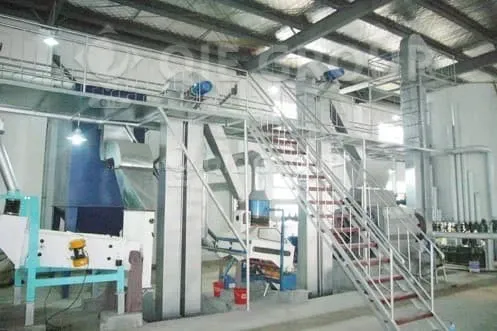
In today's increasingly competitive global edible oil market, the core competitiveness of oil mills is no longer merely "the ability to extract oil," but rather "the ability to extract high-quality, high-yield, and low-energy-consumption oil." The palm oil production industry is undergoing a wave of intelligent and automated upgrades, a trend that is fundamentally changing the traditional production model of oil mills.
With over forty years of industry experience, QIE Group has created an intelligent and efficient one-stop palm oil processing production line. From palm fruit harvesting to finished oil storage, every step is precisely controlled, allowing oil mills to not only increase oil yield but also gain considerable benefits in energy utilization, environmental protection, and by-product recycling.
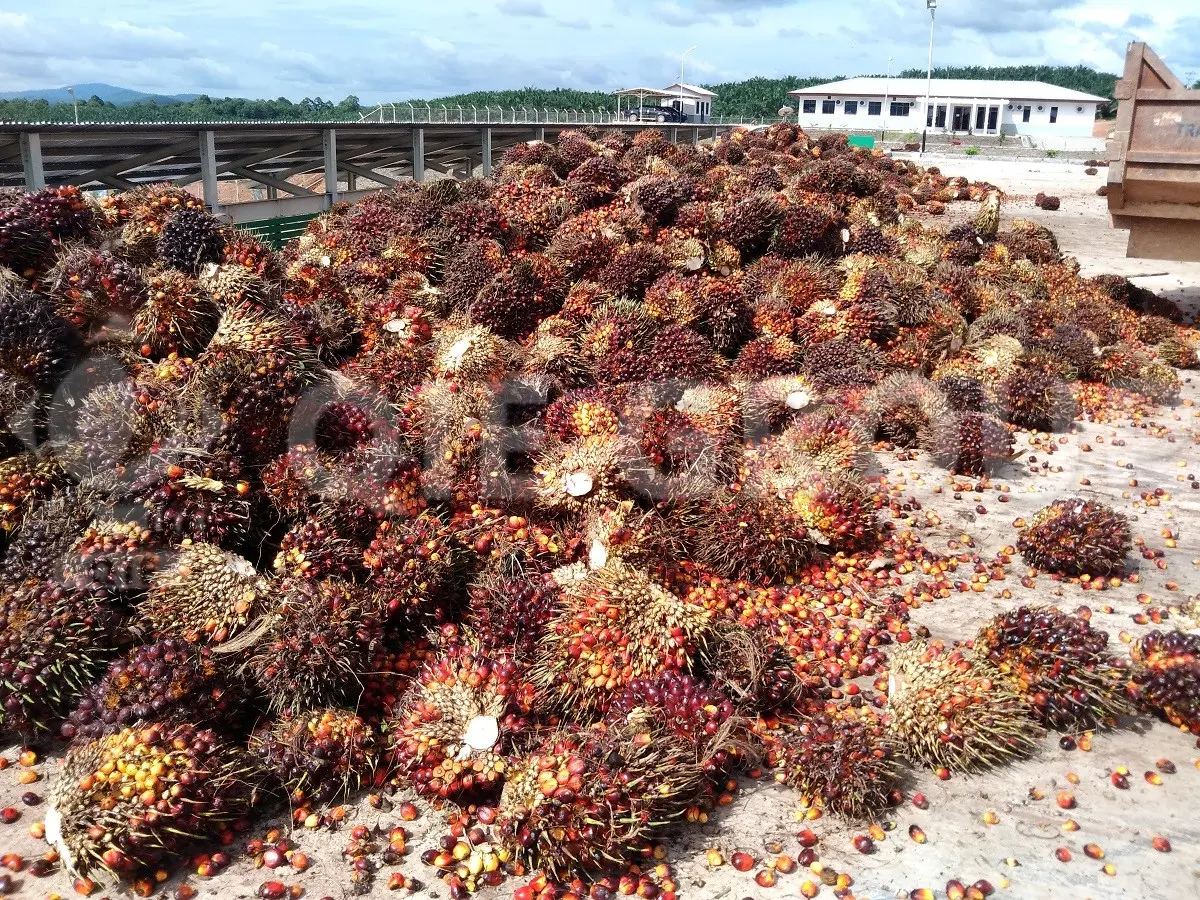
Traditional palm fruit processing relies on manual experience and simple mechanical operations. The processes of sterilization, fruit removal, and pressing are unstable, resulting in large fluctuations in oil acid value and limited oil yield. Our intelligent production line, through an automated control system, achieves precise and controllable production by closing the loop of data collection, analysis, and feedback at every key stage.
Freshly harvested palm fruits contain natural enzymes, which, if not treated promptly, will affect the quality of the oil. Intelligent fermentation equipment automatically regulates temperature, time, and humidity to fully rupture the cell walls of the palm fruit pulp, providing optimal conditions for pressing and reducing the instability caused by manual operation. 🔗 [ What is the function of the palm fruit fermentation tank? ]
The intelligent fruit-separating system automatically adjusts the separation force according to the size and maturity of the palm fruit, ensuring that the pulp is completely separated from the pit and reducing waste. The pulp particles that then enter the crusher are uniform, facilitating the full release of oil.
Pressing is the key step determining the oil yield of palm oil. QIE Group's twin-screw pressing system employs automatic speed regulation, pressure monitoring, and temperature control technology, which can adjust operating parameters in real time according to the characteristics of the raw materials, maximizing oil release while reducing energy consumption. 🔗 [ Twin-Screw Palm Fruit Oil Press ]
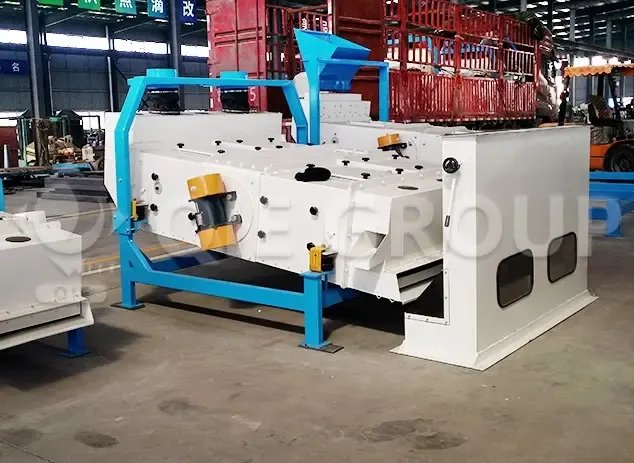
The crude oil extracted through pressing is processed by a settling tank and a vibrating screen to remove impurities and solid particles. It is then refined through a centrifugal and vacuum drying system to ensure that the finished oil meets international standards, has low acid value, stable color, and reliable quality.

Intelligent production lines not only focus on the yield and quality of the main product, palm oil, but also emphasize the economic value of by-products.
Wet fiber cake : Traditional processing often results in waste or low-value feed, but our company's production line recycles it for boiler fuel, saving energy costs and reducing waste emissions.
Palm kernels : Through crushing, separation and drying, the shell content can be reduced to below 6% and the moisture content to below 7%, making them a high-value by-product that can be sold for oil extraction or biofuel, increasing the profit sources of oil mills.
By implementing refined management and recycling of by-products, oil mills have reduced production costs while also achieving green and environmentally friendly goals, meeting the current international market demand for sustainable oil products.
Temperature, pressure, flow rate, and oil output at each stage can be monitored in real time. The system automatically adjusts parameters through data analysis to avoid energy waste and reduce equipment wear.
Traditional pressing and sterilization processes require a large amount of steam and electricity, while intelligent systems can reduce energy consumption by 15%-20% and save operating costs by optimizing the process flow and energy recovery design.
Intelligent monitoring not only ensures oil yield, but also guarantees the stability of the finished oil's acid value, color, and aroma, meeting the stringent international standards for high-quality palm oil and providing assurance for export and brand building.
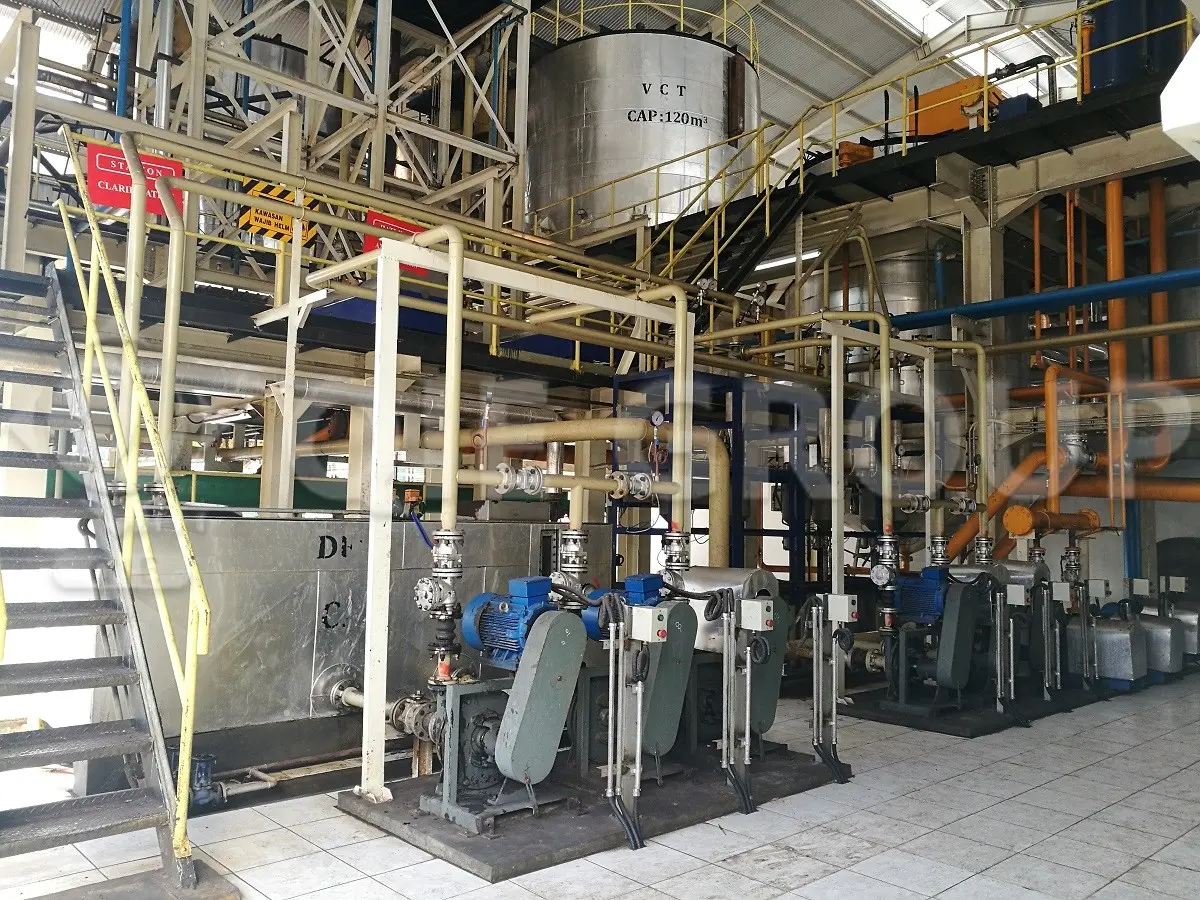
In the global edible oil industry, intelligent and green technologies are becoming new competitive arenas for oil mills. Oil mills not only need to improve oil yield and quality, but also must focus on environmental compliance, energy efficiency, and the economic value of byproducts.
Intelligent production : Enables unmanned operation, real-time monitoring of production data, and automatic process optimization, allowing oil plants to transform from "manual management" to "data-driven" production.
Green technology : Through energy-saving design, waste recycling, and pollutant reduction, environmental protection requirements are met while enhancing brand image.
Value-added by-products : The high-value utilization of wet fiber cake and palm kernels provides additional revenue for oil mills and enhances their economic resilience.
Future oil refineries will no longer be mere production bases, but intelligent profit centers. Companies that can maximize profits and optimize efficiency through data and technology will occupy leading positions in the global market.
From palm fruit to finished oil, every drop embodies the power of intelligent technology and process optimization. QIE Group's intelligent palm oil production line not only helps oil mills increase oil yield, reduce energy consumption, and stabilize oil quality, but also maximizes economic benefits through value-added by-products.
Click to learn more about our intelligent palm oil production line solutions → sesame oil production line sesame oil refining plant small scale sesame oil expeller sesame oil processing plant sesame oil press machine sesame oil mill plant
shea butter oil processing plant shea butter oil production line shea butter oil press machine shea butter oil refining equipment shea butter oil processing equipment
Mustard seed oil production line Mustard oil press Mustard oil extraction machine Mustard oil refining equipment Small mustard seed oil plant equipment
rapeseed oil processing plant rapeseed oil production line edible oil equipment rapeseed oil refining equipment rapeseed oil press machine
Soybean oil pretreatment Increased oil yield Leaching residual oil amount Oil pressing equipment Grease production line Soybean puffing machine Soybean crusher
sesame oil production line sesame oil refining plant small scale sesame oil expeller sesame oil processing plant sesame oil press machine sesame oil mill plant
shea butter oil processing plant shea butter oil production line shea butter oil press machine shea butter oil refining equipment shea butter oil processing equipment
Mustard seed oil production line Mustard oil press Mustard oil extraction machine Mustard oil refining equipment Small mustard seed oil plant equipment
rapeseed oil processing plant rapeseed oil production line edible oil equipment rapeseed oil refining equipment rapeseed oil press machine
Soybean oil pretreatment Increased oil yield Leaching residual oil amount Oil pressing equipment Grease production line Soybean puffing machine Soybean crusher




.png?x-oss-process=image/resize,h_100,m_lfit/format,webp)
.png?x-oss-process=image/resize,h_100,m_lfit/format,webp)
.png?x-oss-process=image/resize,h_100,m_lfit/format,webp)