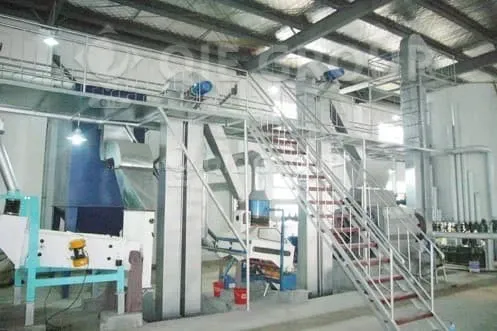
Amid steady growth in global edible oil consumption, sunflower oil has become a highly sought-after commodity in international markets due to its excellent nutritional profile—rich in linoleic acid and Vitamin E—and its light, premium taste. For industrial investors aiming to enter this sector, establishing a sunflower oil processing plant represents a highly lucrative opportunity, provided it is backed by precise engineering planning and reliable machinery.
This comprehensive guide outlines the complete, step-by-step lifecycle of establishing a sunflower oil processing factory—ranging from early-stage feasibility studies to core technology selection and general plant layout—helping you successfully launch a highly profitable turnkey project.
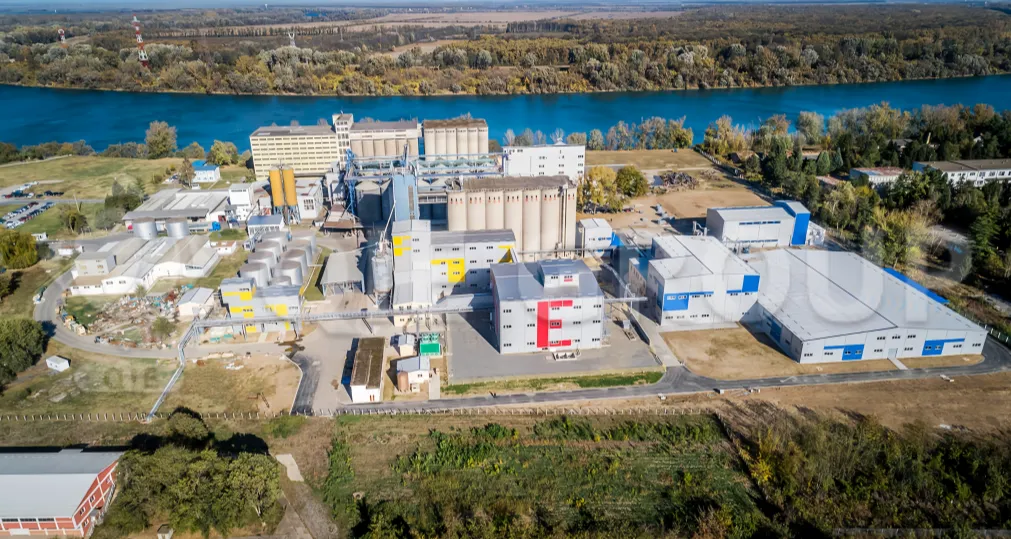
Before procuring machinery or breaking ground on factory construction, conducting in-depth market research and formulating a rigorous Feasibility Study Report is paramount to mitigating investment risks.
From an engineering and business perspective, project feasibility relies heavily on precise operational expenditure (OPEX) and capital expenditure (CAPEX) calculations. Below is a preliminary economic analysis framework for a standard 30 TPD Sunflower Oil Plant:
| Cost / Revenue Item | Core Evaluation Factors | Operational Remarks |
|---|---|---|
| Fixed Asset Investment (CAPEX) | Factory civil engineering, full pretreatment lines, pressing/refining units, steam boilers, and environmental protection facilities. | One-time initial expenditure, calculated via long-term depreciation. |
| Operational Costs (OPEX) | Raw sunflower seed procurement, electricity/power consumption, steam/coal, labor, chemical catalysts (phosphoric acid, caustic soda), bleaching earth, and solvent loss. | Raw material procurement typically accounts for over 80% of total running costs. |
| By-Product Revenues | Sunflower oil cake/meal (high-protein animal feed ingredient) and sunflower seed hulls (can be pelletized or used as boiler fuel). | Efficient commercial utilization of by-products drastically enhances the plant's overall net profit margins. |
Because sunflower seeds are high-oil-content seeds, the standard industrial processing route is divided into four distinct stages: Pretreatment, Pressing/Solvent Extraction, Refining, and Winterization Dewaxing. The technical precision of each step directly dictates the final oil yield and product grade.
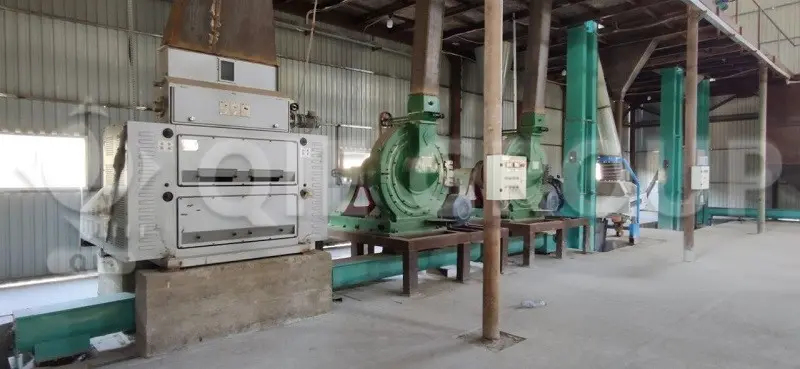
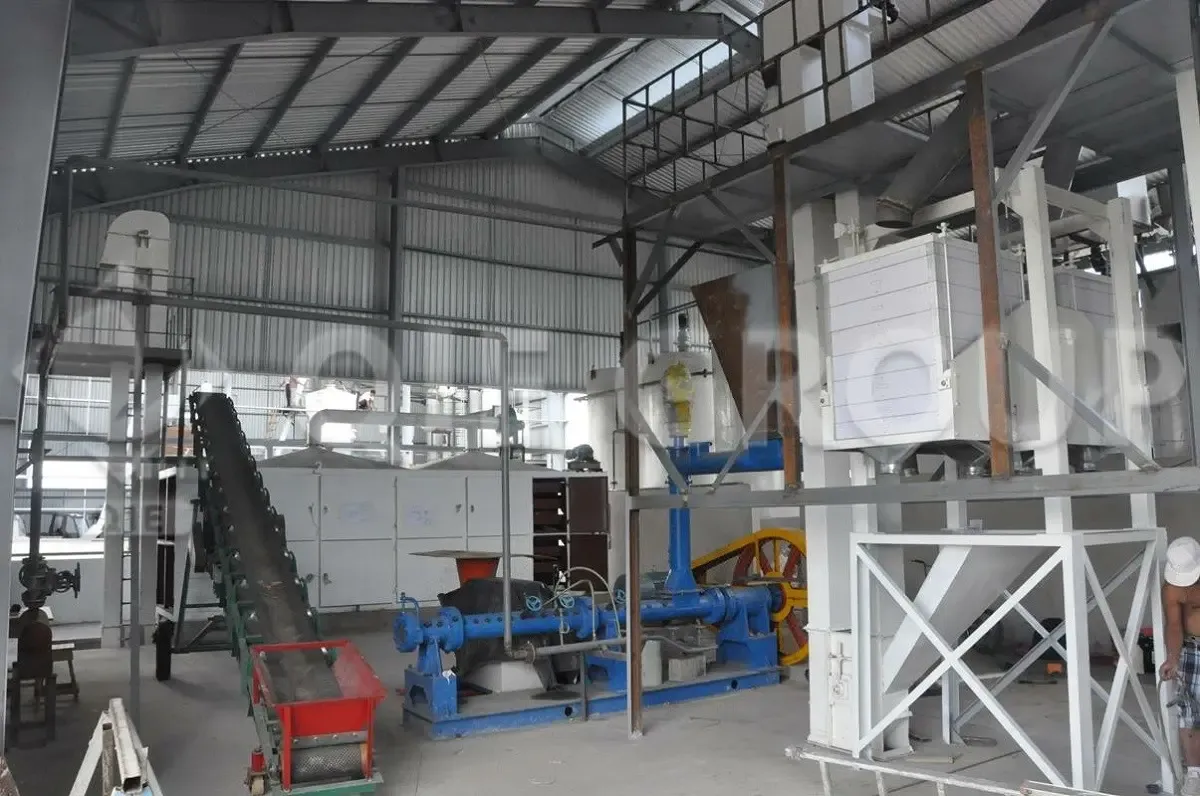
Pretreatment conditions the sunflower seeds into the optimal physical state required for mechanical pressing or solvent extraction.
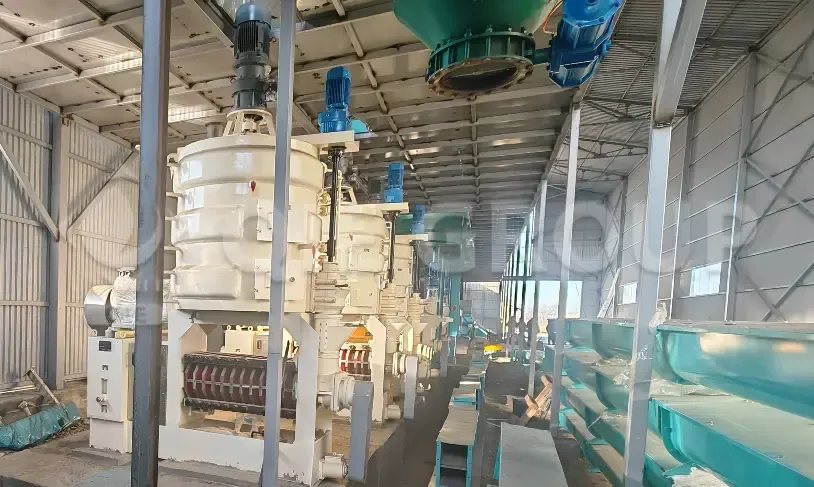
• Small-to-Medium Scales (<30 TPD): Utilizing a full mechanical pressing method, heavy-duty screw oil expellers compress the material in single or double-pressing stages. The residual oil rate in the press cake is kept around 6% - 8%.
• Medium-to-Large Scales (≥50 TPD): A Pre-pressing & Solvent Extraction route is highly recommended to maximize commercial returns.
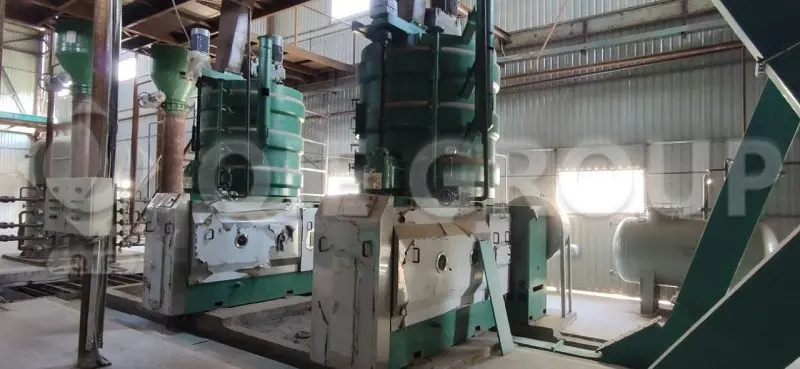
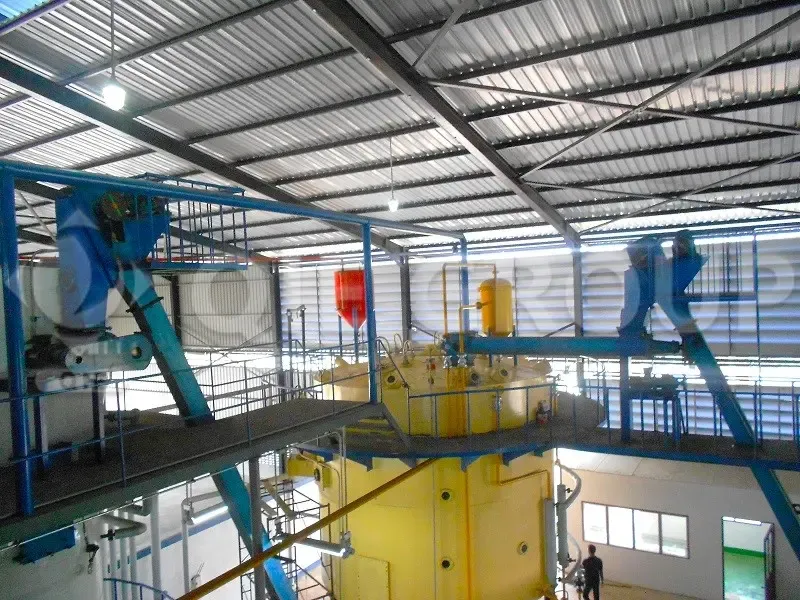
For industrial factories treating more than 50 tons of raw material per day, leaving 6% - 8% residual oil in the cake represents a massive loss in revenue. To solve this, a commercial n-hexane solvent extraction plant is implemented:
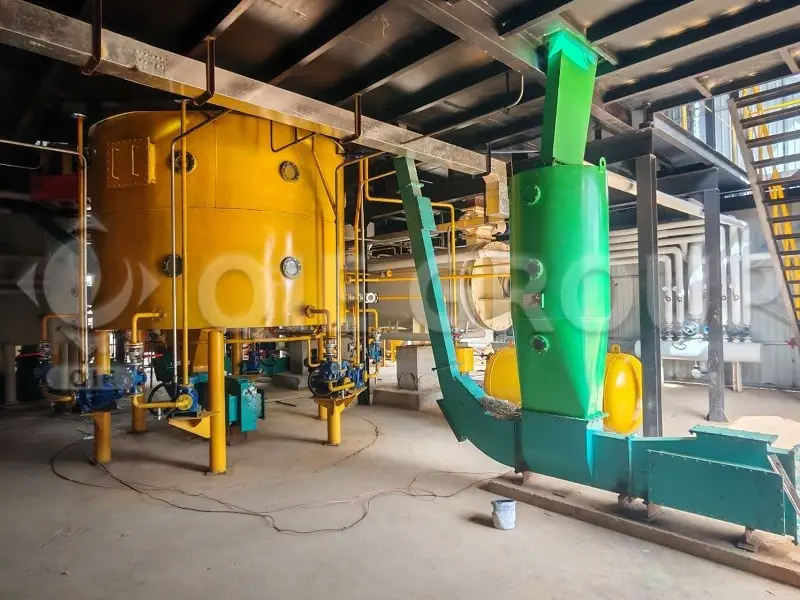
Crude sunflower oil contains free fatty acids (FFA), phospholipids (gums), pigments, odor-causing substances, and natural waxes. It must undergo a rigorous refining process to achieve edible premium grades.
Sunflower oil naturally contains roughly 0.5% - 2% plant wax. Without a professional Winterization Dewaxing section, the finished oil will become cloudy, crystalized, and opaque at low temperatures (such as during winter or when refrigerated), failing retail consumer preferences. The refining line must integrate cooling crystallization tanks and automated filters. By lowering temperatures to 5 - 8°C, the wax crystals grow and are mechanically separated, ensuring crystal-clear, brilliant, Grade-1 premium oil.
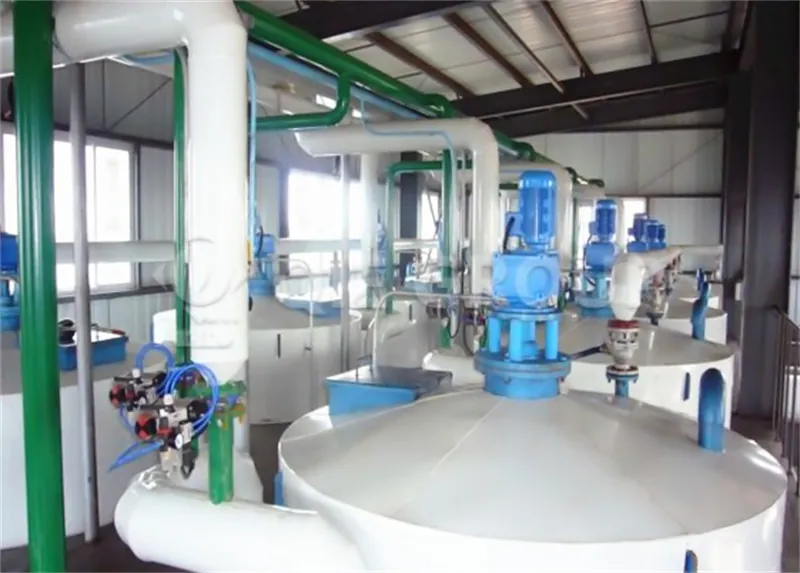
Machinery configuration must be carefully engineered according to budget, target daily input capacity, and chosen processing technology. Below is a standard blueprint for industrial sunflower oil mill configurations:
| Processing Capacity | Recommended Route | Core Equipment Configuration | Est. Footprint |
|---|---|---|---|
| Small-Scale Plant (10 - 30 Tons/Day) |
Full Pressing + Batch Refining |
Cleaning screens, dehullers, crushers, flaking machine, integrated screw oil presses with conditioning cookers, plate-and-frame oil filters, batch refining tank groups, and a batch dewaxing filtration system. | 300 - 500 m² |
| Medium-Scale Plant (50 - 100 Tons/Day) |
Pre-pressing Extraction + Semi-Continuous |
Full automated pretreatment line, pre-pressing oil expellers, rotocel or loop-type solvent extractor, DTDC desolventizer system, negative pressure evaporator loops, solvent condensers, semi-continuous chemical/physical refinery, and continuous dewaxing filters. | 1,500 - 3,000 m² |
| Large-Scale Plant (100+ Tons/Day) |
Automated Extraction + Full Continuous |
Fully automated PLC-controlled pretreatment lines, high-capacity expellers, large-scale industrial extraction lines, full continuous refinery lines (disc centrifuge separation for degumming/deacidification, continuous decolorization and deodorizing towers), automated vertical leaf filters for dewaxing, and high-speed automated bottling lines. | 5,000 m²+ |
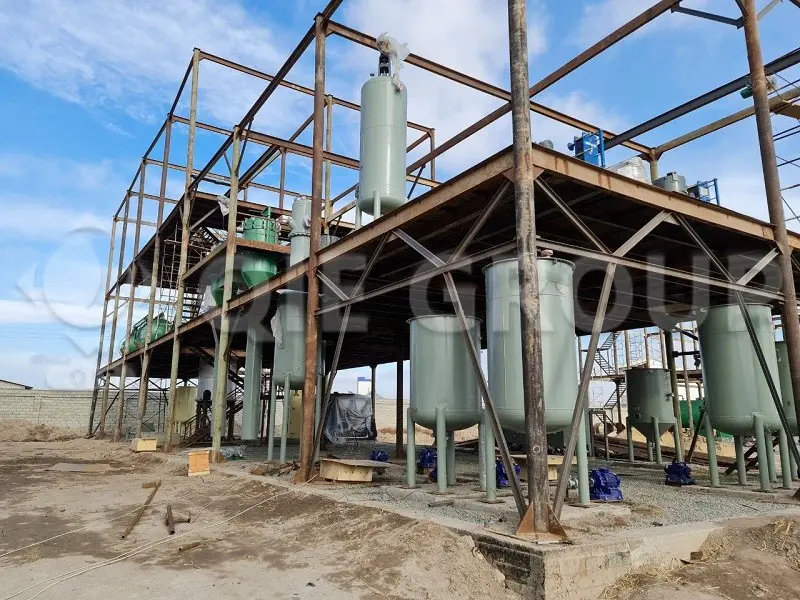
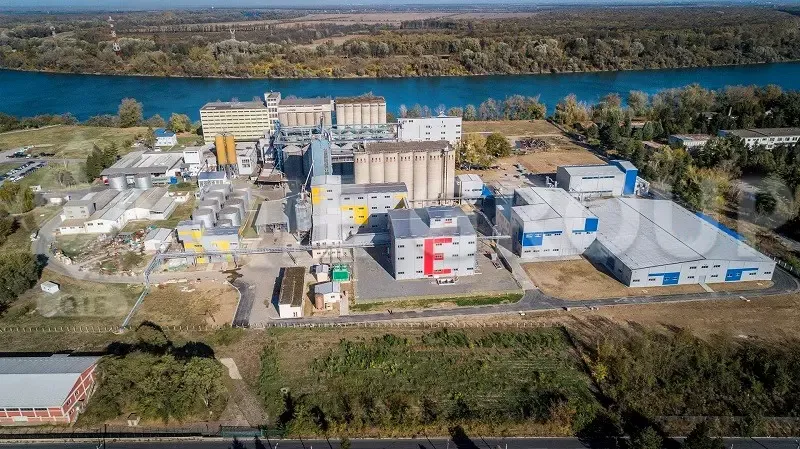
Modern edible oil processing plant layouts must strictly adhere to the principles of streamlined production flow, zero logistics cross-contamination, occupational safety, and strict food hygiene compliance.
To secure long-term global profitability, finished oil quality must be consistently maintained to satisfy local and international food safety regulations (such as FDA, European Food Safety Authority, and Codex Alimentarius standards).
Establishing a commercial sunflower oil processing plant is a complex multi-disciplinary task combining mechanical engineering, thermodynamics, civil engineering, and lipid chemistry. As an internationally recognized turnkey supplier of edible oil processing projects
We deliver comprehensive, world-class industrial value:
Whether you are looking to invest in a brand-new sunflower oil processing plant or seeking to modernize, automate, or upgrade the energy efficiency of an existing production line, Contact the Engineering Specialists at QIE GROUP Today to obtain your technical blueprint and highly competitive commercial quotation.
 edible oil processing plant turnkey edible oil plant oil refining equipment oil pressing line edible oil plant installation services
Edible oil production line Oil plant equipment Intelligent production Oil yield Energy saving and environmental protection
Sunflower oil processing edible oil plant 1000TPD oil mill oil refining pressing and solvent extraction
palm oil production line palm oil processing plant palm oil refinery machine FFB to RBD palm oil palm oil mill turnkey project
sunflower seed oil processing sunflower oil pretreatment turnkey sunflower oil production line oil refining stability dehulled sunflower seed
edible oil processing plant turnkey edible oil plant oil refining equipment oil pressing line edible oil plant installation services
Edible oil production line Oil plant equipment Intelligent production Oil yield Energy saving and environmental protection
Sunflower oil processing edible oil plant 1000TPD oil mill oil refining pressing and solvent extraction
palm oil production line palm oil processing plant palm oil refinery machine FFB to RBD palm oil palm oil mill turnkey project
sunflower seed oil processing sunflower oil pretreatment turnkey sunflower oil production line oil refining stability dehulled sunflower seed






.png?x-oss-process=image/resize,h_100,m_lfit/format,webp)
.png?x-oss-process=image/resize,h_100,m_lfit/format,webp)
.png?x-oss-process=image/resize,h_100,m_lfit/format,webp)