As the core of the global edible oil supply chain, the production efficiency of palm oil directly determines the economic benefits of a processing plant. In industry practice, "low extraction yield (OER)" is a common pain point that plagues many processing plants.
What does a 1% decrease in yield mean?
For example, a factory that processes 100 tons of fresh palm fruit bunches (FFB) per day will lose 1 ton of crude palm oil (CPO) every day if the yield drops from 20% to 19%. Based on current market prices, this could result in a potential loss of hundreds of thousands of dollars in profit per year.
As a turnkey EPC supplier for edible oil processing, QIE Group, with over 40 years of engineering experience globally (Southeast Asia, Africa, Latin America), deeply analyzes the root causes of yield loss and provides systematic engineering-level optimization solutions.
Five key reasons for low palm oil yield: Where did the oil go?
① The quality of raw materials is lagging behind the harvest time.
Uncontrolled enzyme activity: After harvesting fresh fruit bunches (FFB), lipase is rapidly activated within 6 hours. If fermentation is not stopped in time, free fatty acids (FFA) increase by 1%-3% every 24 hours, leading to increased neutralization losses and directly reducing the yield of finished oil. Maturity deviation: Unripe fruit has a low oil content, while overripe fruit is prone to falling off and being lost during transportation.
② Incomplete sterilization: the source of yield loss
Traditional horizontal fermentation tanks often suffer from uneven steam penetration. If the center temperature of the fruit strings does not reach the required level, it will lead to:
③ Bottleneck in the pressing system efficiency
Excessive residual oil content: If the press screw is worn or the pressure is not properly adjusted, the residual oil content in the press cake often exceeds 6%. Key misconception: Many factories reduce temperature control in pursuit of speed. If the pulp does not reach the ideal temperature of 90°C-95°C before pressing, the oil viscosity will be too high, and the extraction efficiency will decrease significantly.
④ Defects in oil-oil separation and solid-liquid separation
Oily wastewater (POME): Inadequate clarification tank design or insufficient settling time can cause micron-sized oil droplets to be carried away with the wastewater. If the oil content in the wastewater exceeds 0.6%, it constitutes a serious engineering accident. Insufficient vacuum drying: Excessive water content in crude oil will accelerate the rise in acid value during storage, increasing subsequent refining losses.
⑤ Equipment wear and process mismatch
Equipment aging (such as worn-out pressing screws or bearing failure); mismatched process parameters (such as incompatible pressure and temperature).
QIE Group EPC Engineering Solutions: From Single-Point Optimization to Whole-Plant Collaboration
✅ Pre-processing system upgrade
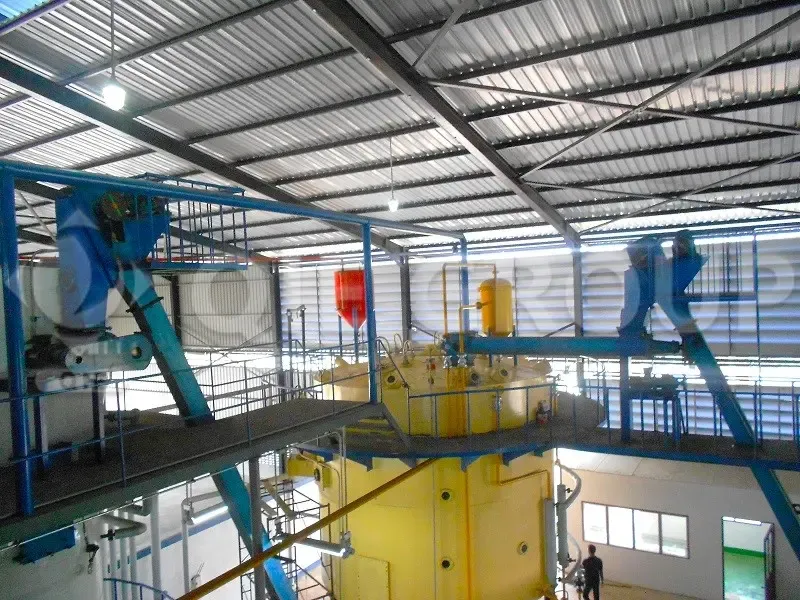
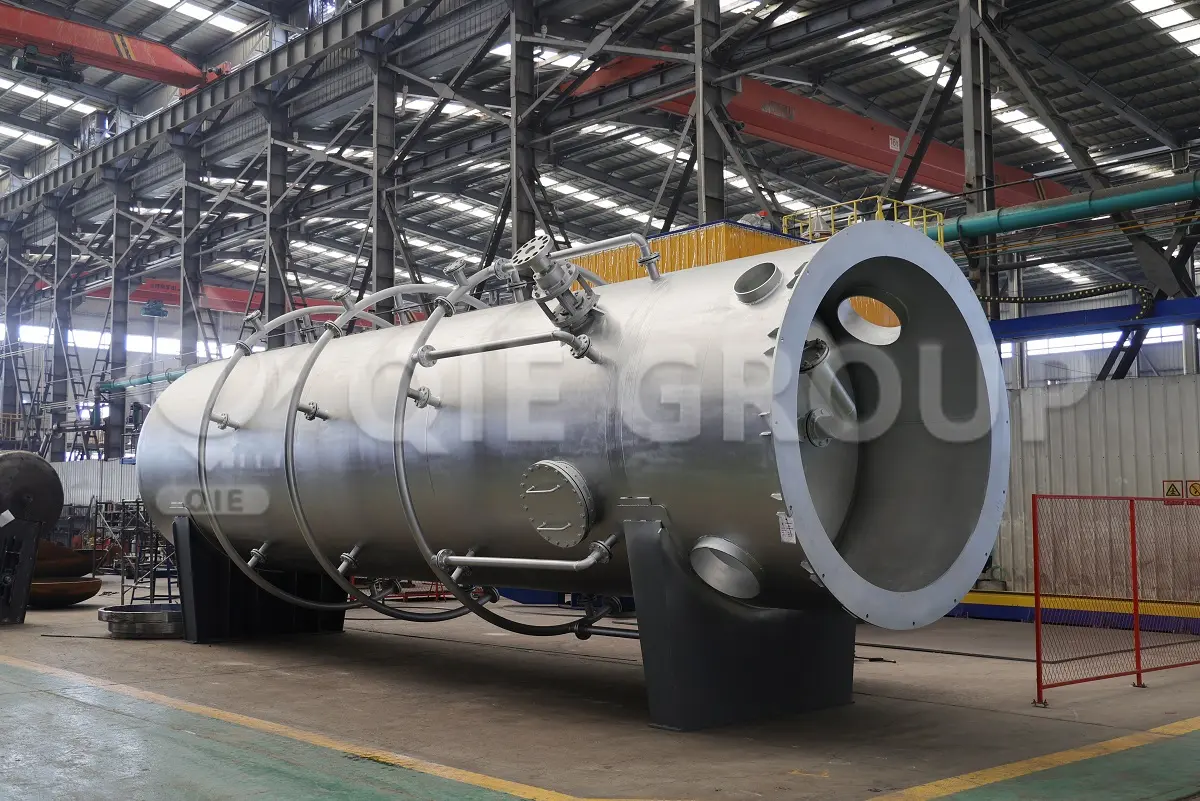
Vertical fermentation tower replaces traditional tanks: Technical highlights: Three-stage pressure circulation removes air from the tank, ensuring 100% steam penetration. Results: Inactivates over 99% of lipases, ensuring the oil content of empty fruit bunches (EFB) is minimized. Continuous decanting and pressing: After fermentation, the FFB is directly connected to the decanter, preventing heat loss.
✅ Pressing section: Intelligent twin-screw system
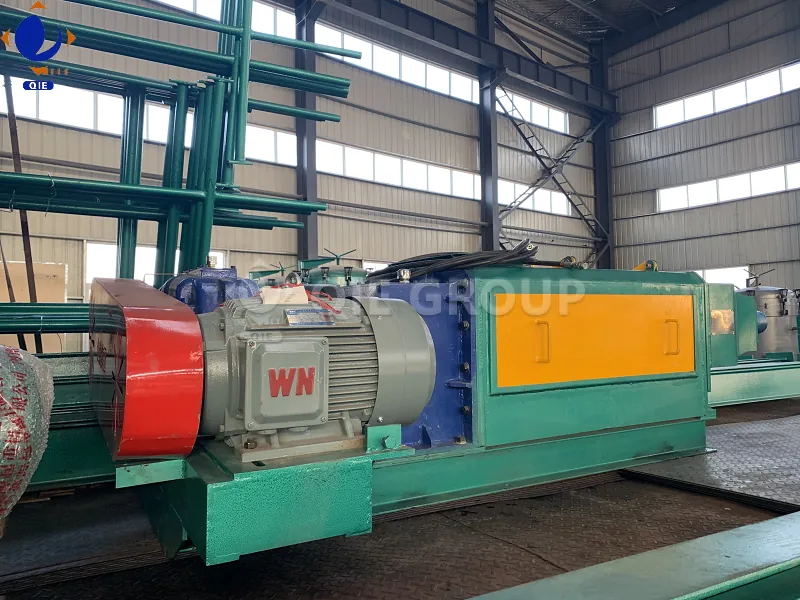
Dynamic Pressure Control: The QIE
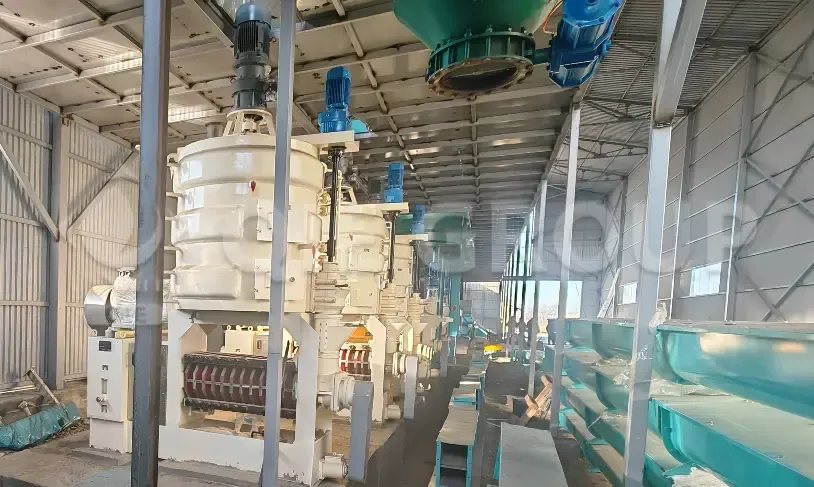
twin-screw palm oil press is equipped with a hydraulic automatic compensation system that adjusts the pressure (0.8-1.2MPa) in real time according to the fiber hardness of the FFB. Precise Temperature Control: Pre-pressing conditioning ensures that the material enters the screw in the optimal fluid state, and the residual oil content of the pressed biscuit base is stably controlled within 5%.
✅ Separation Section: High-efficiency material balance monitoring
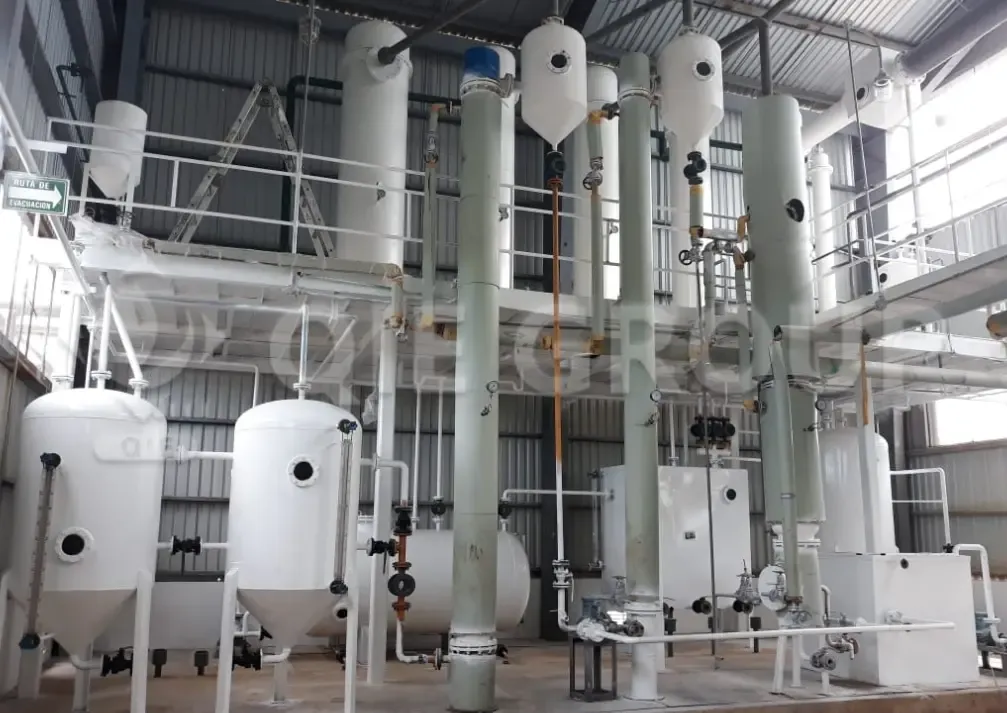
By introducing high-speed centrifugal separators to replace single sedimentation, the oil loss in wastewater is minimized.
| Link |
Traditional process loss rate |
QIE optimized loss |
Optimization methods |
| Empty fruit bunch (EFB) |
0.8% - 1.0% |
< 0.5% |
Deep sterilization + variable frequency fruit removal |
| Cake |
6.0% - 7.0% |
< 5.0% |
Hydraulic automatic pressure regulating twin screw |
| POME (Polymethyl Oxygenated Wastewater) |
0.7% - 0.9% |
< 0.4% |
Centrifugal separation + three-phase separation technology |
Optimization paths for factories with different production capacities
| Factory capacity |
Optimization Focus |
Expected return increase |
| Small (<5 TPH) |
Process parameter optimization + operator training |
0.5%-1% |
| Medium-sized (5-10 TPH) |
Upgrades to key equipment (such as presses) + automation modules |
1%-2% |
| Large (>10 TPH) |
Plant-wide EPC upgrade (continuous production line) |
2%-3% |
Investment perspective: Increased returns are a "ROI multiplier"
From an investment perspective, improving yield is a form of "cost optimization engineering," directly impacting the factory's return on investment (ROI). The following is a conversion point analysis based on engineering data:
Quantitative Returns: (Taking a 10TPH plant as an example) For investors, every 1% increase in yield will bring about a qualitative change in the entire financial model.
Additional output: Assuming 300 days of operation per year, a 1% increase in yield can produce approximately 720 tons of crude palm oil (CPO) annually, directly increasing revenue by approximately $576,000.
Return on investment: The payback period for the technological upgrading of old palm oil production lines is typically within 6-12 months.
Why choose the EPC turnkey model?
Fragmented equipment purchases often lead to "bottleneck shifts"—even with a more powerful press, the sterilization process may not keep up, resulting in a low yield.
QIE Group's advantages lie in:
Plant design: ensuring that every meter of pipeline and every heat exchange unit from the entry of fresh palm fruit bunches (FFB) to the exit of crude palm oil (CPO) achieves efficiency balance.
Data-driven: Standard configuration includes a PLC+SCADA system, allowing plant managers to view the current extraction yield (OER) data in real time on their mobile phones.
How to initiate your production line upgrade?
For clients at different stages of development, QIE recommends a phased optimization strategy:
Existing plant (renovation): Prioritize process audits. Test EFB and residual oil levels in the press cake, and replace the pressing system or automated temperature control module accordingly.
New factory construction (EPC): Adopting continuous automated production lines in one step to avoid losses from the design stage.
Engineering Tip: Palm oil processing is a complex system. Improving yield depends not only on machinery, but also on precise control of process parameters (pressure, temperature, time).
FAQ
Q: Why is my factory equipment so new, but the yield is still less than 20%?
A: New equipment does not necessarily mean correct "process parameters". Common reasons include insufficient sterilization pressure or unmet pressing temperature. QIE provides complete standard operating procedure (SOP) training and monitors and corrects these parameters in real time through a PLC system.
Q: Does increasing yield mean that a huge amount of money needs to be invested to replace the entire production line?
A: Not necessarily. We offer "modular upgrades." By replacing the core pressing module or introducing an intelligent control system, a significant leap in yield can be achieved without starting from scratch.
Q: Is it necessary for small factories (<5TPH) to pursue high yields?
A: Absolutely necessary. Small factories have weak risk resistance; a 1% increase in yield often translates into a significant increase in net profit. Our containerized production lines are also compatible with high-specification energy-saving technologies.
From standalone replacement to systemic evolution
Palm oil yield is a systems engineering problem. Fragmented modifications cannot eliminate the shortcomings. As a professional EPC supplier, QIE Group offers you:
Full-process audit: pinpoint the exact location of any "oil leaks" in your factory.
Modular equipment clusters: enable seamless coordination of sterilization, pressing, and clarification.
Automated intelligent control: Say goodbye to empiricism and use data to steadily extract yield fluctuations.

 Coconut oil production process Pressed coconut oil Coconut oil yield Coconut oil production line Coconut oil processing plant


.png?x-oss-process=image/resize,h_100,m_lfit/format,webp)
.png?x-oss-process=image/resize,h_100,m_lfit/format,webp)
.png?x-oss-process=image/resize,h_100,m_lfit/format,webp)


.webp?x-oss-process=image/resize,h_800,m_lfit/format,webp)