
Investing in an edible oil processing plant is a high-return business project, but accurate cost planning is crucial. Many entrepreneurs focus only on equipment prices in the initial stages, neglecting the long-term operational efficiency and the increased return on investment resulting from high oil yield. This article will provide you with cost analysis and configuration recommendations for turnkey projects of different production capacities (TPD).
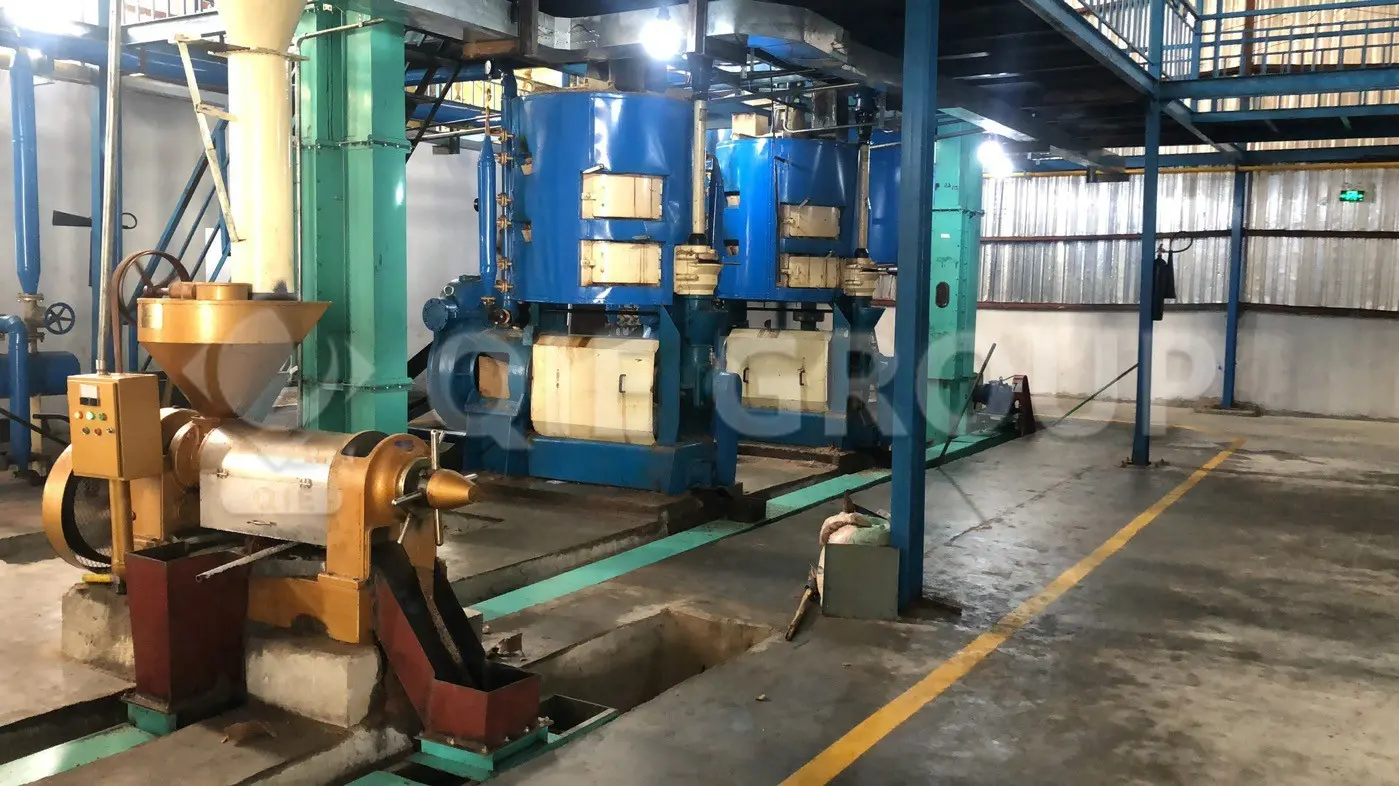
Almost every client planning to invest in an edible oil processing plant asks the same question first:
💡 "Approximately how much investment is needed for this production line?"
The question itself is not wrong, but in actual projects, it often cannot give a direct and accurate answer .
The reason is simple:
Different production capacity scales (TPD) correspond to completely different equipment configurations and investment logics;
Different types of raw materials (soybeans, peanuts, sunflower seeds, rice bran, etc.) have very different processing requirements;
Different target markets determine whether a refining system is necessary, and the depth of refining.
Because of these differences, the total investment for the same project, "building an edible oil processing plant," can range from tens of thousands of US dollars to tens of millions of US dollars.
Therefore, before discussing specific prices, a more reasonable approach is to first clarify:
What is the planned capacity of the processing plant (TPD)?
What types of oilseeds are mainly processed?
What are the sales market and quality grade requirements for refined oil products?
Only after these prerequisites are clear can equipment configuration, process routes, and investment budgets have practical reference value.
Small size : 1 – 20 TPD. Suitable for local sales or specialty oils (such as sesame oil, flaxseed oil).
Medium : 20 – 50 TPD. Suitable for regional brands that are beginning to consider semi-continuous production.
Large-scale : 50 – 1000+ TPD. Suitable for national or international markets, requiring efficient solvent leaching and continuous refining processes.
💡 Engineering experience reminds us: In our QIE Group projects, we have seen many clients "overstate their production capacity" in the early stages, but after production started, they found that the supply of raw materials or sales could not keep up, resulting in the equipment running at low load for a long time, and the cost per ton actually increased.
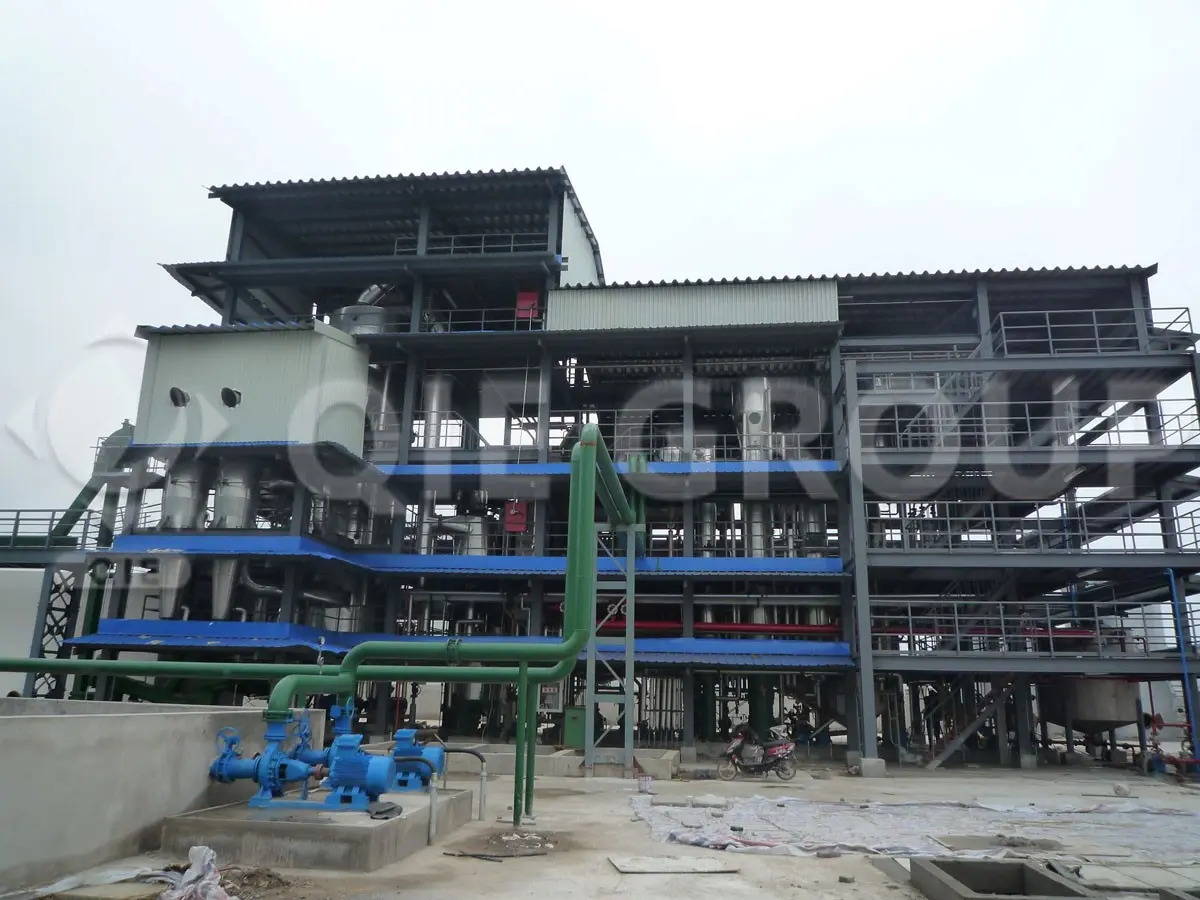
Many pricing disputes stem from a common misconception:
💡 Total investment ≠ Equipment price
A complete turnkey project typically includes the following components:
Core process equipment (pressing/leaching/refining)
Civil engineering and steel structure
Utility systems (water, electricity, steam, compressed air)
Installation, commissioning and operation training
Environmental and safety systems (especially solvent leaching projects)
| scale | Production capacity | Main processes | Equipment investment | Total investment of the project |
| small | 1–20 TPD | Spiral pressing + batch refining | $15,000 – $180,000 | $30,000 – $300,000 |
| medium | 20–50 TPD | Pre-pressing/full pressing + semi-continuous refining | $200,000 – $500,000 | $400,000 – $1.2M |
| Large | 50–1000+ TPD | Solvent extraction + continuous refining | $500,000 – $5M+ | $1M – $10M+ |
💡 Real -world explanation: For small projects, whether or not a refining system is included is often the watershed between an investment of $50,000 and over $200,000.
For small-scale projects, the focus should be on oil quality and ease of operation.
Core configuration: raw material cleaning equipment , high-efficiency screw oil press, and batch refining equipment (degumming tank, decolorizing tank, etc.).
Real-world choices in engineering practice : In 1–10 TPD projects, we typically revisit one question:
💡 Are you selling oil, or do you need to survive first?
If the local market accepts unrefined crude oil (such as peanut oil and sesame oil):
Initially, only pressing was done.
Low investment, quick return
If you need to enter supermarkets or restaurant chains:
Basic refining must be configured.
Investment increased, but sales channels expanded significantly.
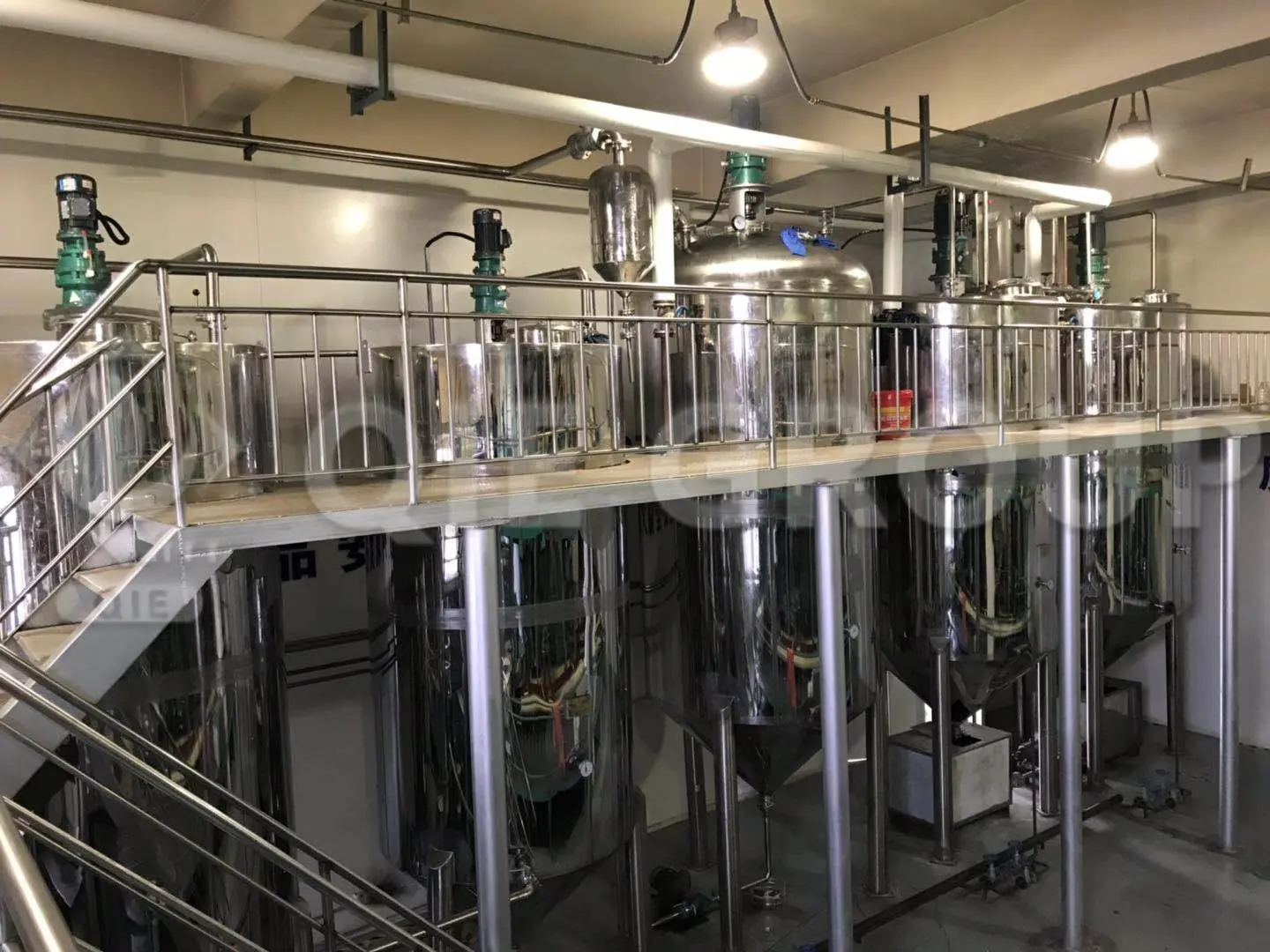
Medium-sized projects need to consider continuous operation and manpower optimization.
From an engineering perspective, this scale:
Labor costs are starting to become apparent
Energy consumption is starting to impact profits
Once a process is wrong, it's very difficult to correct later.
Core configuration: Pre-treatment (cleaning, crushing, rolling) + pre-press or full-press + semi-continuous refining system.
Real-world example: In a 30 TPD oil mill project in West Africa, the client initially insisted on a full pressing solution. After our calculations, we found that, given the local oil content of the raw materials, the overall oil yield was low.
The final adjustment was to pre-pressing + solvent extraction , which increased the initial investment by about 18%, but increased the annual gross profit by more than 30%, and shortened the actual ROI to 2.6 years.
Large-scale projects aim for extremely low unit costs and extremely high oil yields.
Complete pretreatment including billet flaking and puffing
Solvent leaching system
Continuous refining
Central control and energy recovery
The residual oil content can be controlled to <1%.
Processing cost per ton decreases with scale
More suitable for bulk oilseeds (soybeans, rice bran, cottonseed).
💡 Engineering Reminder : In solvent extraction projects, the price of solvent recovery and explosion-proof systems cannot be reduced . This is the bottom line for safety and long-term operational stability.
Pressing: Low investment, good flavor, but high residual oil content (5–8%).
Leaching: High investment, but high recovery rate (<1%)
💡 In most medium to large-scale projects, pre-pressing-solvent extraction co-production is a realistic option that balances investment and return.
Simple degumming: low investment, limited distribution channels
Completely refined: Available for brand and export markets
With the integration of heat recovery and automatic control, the following can be achieved in practical projects:
Energy consumption reduced by 10–15%
Unplanned downtime has decreased significantly.
Raw material and market feasibility analysis
Process route confirmation and P&ID design
Customized equipment manufacturing and delivery
Installation, commissioning, and personnel training
💡 Lesson learned : 80% of the problems we've encountered occur when the design phase is overlooked, rather than the device itself.
1. What does a turnkey edible oil production line include?
A: Turnkey solutions cover the entire process: raw material pretreatment, oil pressing or solvent extraction, edible oil refining equipment, and packaging.
Q2: How to calculate ROI reliably?
A: It must be based on actual oil yield, energy consumption, and labor, not theoretical parameters.
Q3: What is the minimum start-up cost for a small oil refinery?
A: A simple 1-3 TPD screw press + filter combination costs approximately $15,000 - $25,000 in equipment investment, with a total start-up capital of approximately... $30,000. This does not include premises, working capital, and compliance fees.
If you are evaluating an edible oil processing plant project, making the right judgment before ordering equipment is often more important than trying to fix things later.
Inquire now to get optimization solutions for your edible oil factory. palm oil sterilization process palm oil processing plant palm oil production line palm oil mill plant Palm Fruit Sterilizer
Mustard seed oil production line Mustard oil press Mustard oil extraction machine Mustard oil refining equipment Small mustard seed oil plant equipment
Linseed oil production line Turnkey service Small and Medium Enterprises Production line construction Stable and efficient operation
20 tons/day edible oil production line price Edible Oil Factory Cost Oil press price 20 tons oil press per day Edible oil processing plant
Soybean oil press machine Soybean oil solvent extraction equipment Soybean oil processing plant Soybean oil production line Soybean oil refinery plant
palm oil sterilization process palm oil processing plant palm oil production line palm oil mill plant Palm Fruit Sterilizer
Mustard seed oil production line Mustard oil press Mustard oil extraction machine Mustard oil refining equipment Small mustard seed oil plant equipment
Linseed oil production line Turnkey service Small and Medium Enterprises Production line construction Stable and efficient operation
20 tons/day edible oil production line price Edible Oil Factory Cost Oil press price 20 tons oil press per day Edible oil processing plant
Soybean oil press machine Soybean oil solvent extraction equipment Soybean oil processing plant Soybean oil production line Soybean oil refinery plant


.png?x-oss-process=image/resize,h_100,m_lfit/format,webp)
.png?x-oss-process=image/resize,h_100,m_lfit/format,webp)
.png?x-oss-process=image/resize,h_100,m_lfit/format,webp)


