
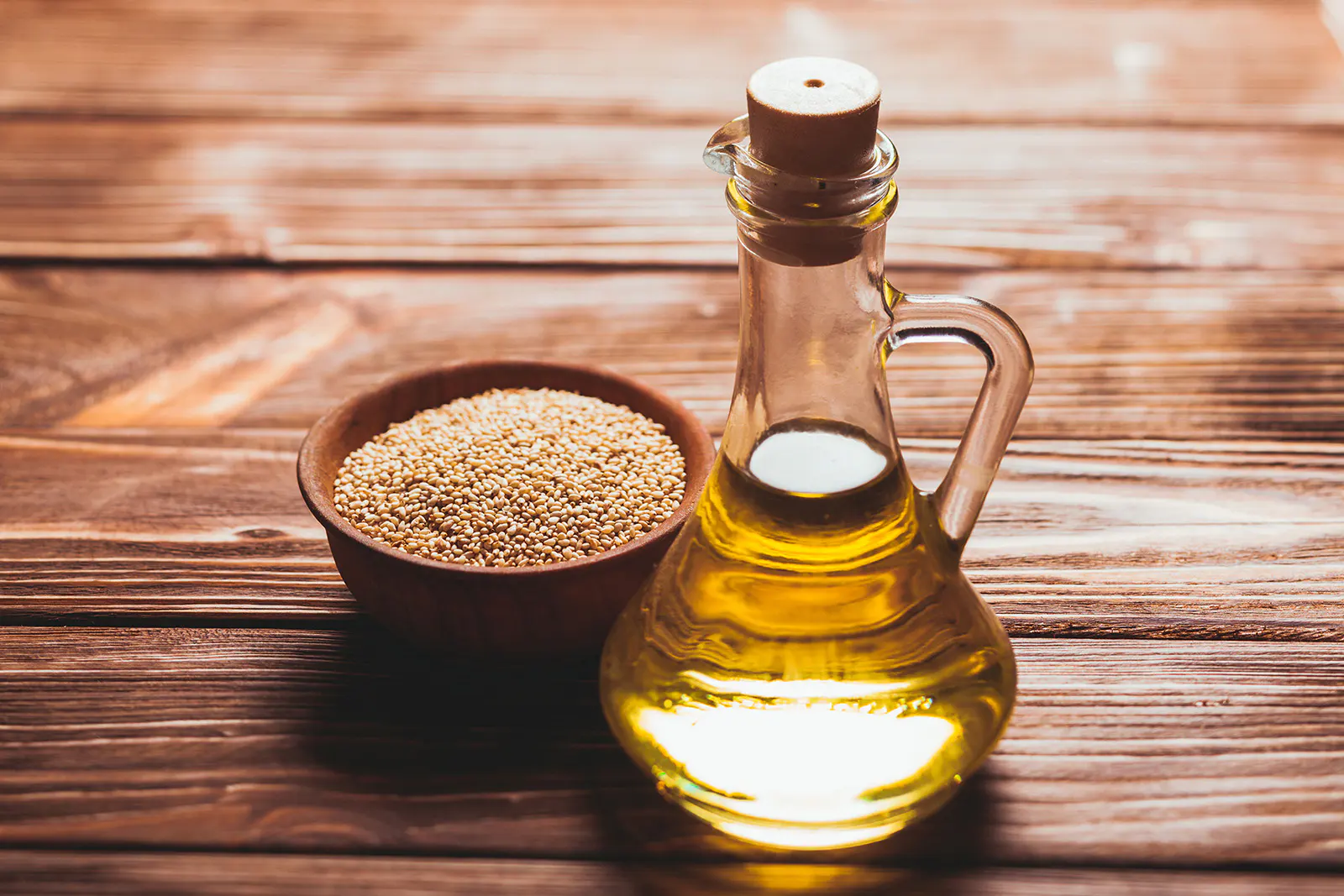
Against the backdrop of rapid development in the global vegetable oil market and increasing consumer demand for healthy and natural edible oils, the production of high-quality sesame oil faces numerous challenges: How to achieve a more stable and richer aroma? How to reduce residual oil content to a lower level? How to preserve the active nutrients of sesame seeds as much as possible in a high-temperature heat processing environment? Especially for factories in Asia and Europe, energy-saving equipment, production efficiency, and product safety are key pain points.
To address these issues, the QIE Group's technical team, with over forty years of experience in professional equipment manufacturing, provided a complete hot-pressed sesame oil production solution. From raw material pretreatment to finished product packaging, the entire process is intelligently controlled, helping companies save energy, increase efficiency, and boost production capacity.
In the sesame oil industry, there is a simple but important rule: if the pretreatment is not done well, no subsequent process can make up for it.
QIE Group typically starts with two things in its projects:
The sand, dust, and fibers in sesame seeds can caramelize during the roasting process, producing off-flavors and even posing a risk of PAHs (polycyclic aromatic hydrocarbons).
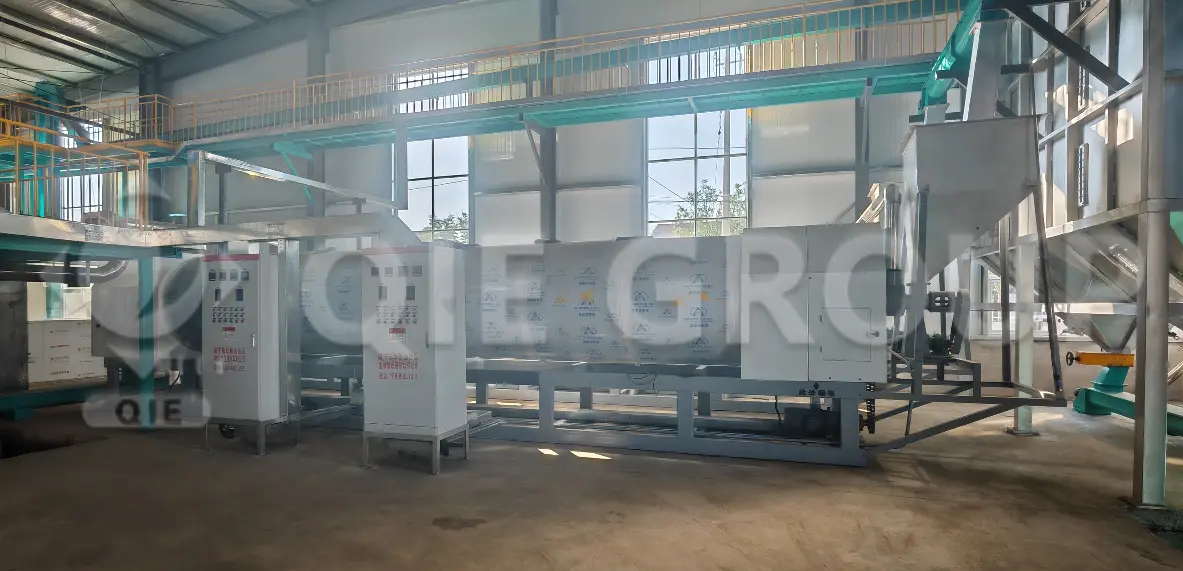
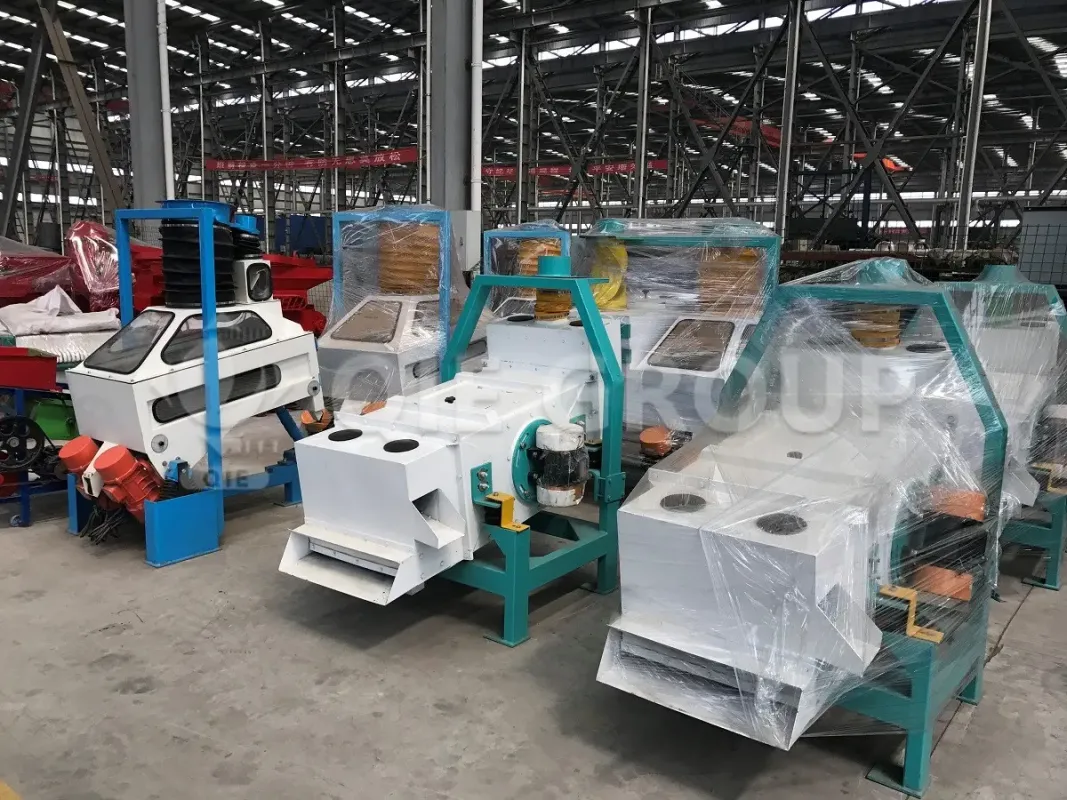
Our combined screening and air separation system can achieve the following:
>99% impurity removal rate
It can filter fine particles of 0.5–1 mm.
Reduce localized charring during roasting 👉 ( Sesame cleaning equipment )
The ideal moisture content for pretreated sesame seeds is 5%–7%.
High moisture content → Difficulty in evenly distributing roasting temperature, resulting in weak oil aroma
Too low moisture content → Sesame seed shells are brittle, risk of burning during roasting is high, and oil yield is reduced.
To address this, we employ a constant-temperature hot air system combined with an automatic metering and water replenishment system, which allows moisture fluctuations to be controlled within ±0.3%, making it easier to achieve "batch consistency" in subsequent roasting.
| Preprocessing indicators | Numerical range | industry standards |
|---|---|---|
| Impurity removal rate | ≥99% | ≥98% |
| Sesame moisture | 5% ~ 7% | 5% ~ 8% |
What truly determines the aroma and flavor of sesame oil is the flavor compounds generated by the Maillard reaction and lipid oxidation that occur during the roasting stage.
This temperature range can promote:
Pyrazine compounds are formed → the core molecules that determine the "sesame aroma".
Furans → contribute to roasted and caramel aromas
Mild fat breakdown reaction → results in a heavy, oily feeling.
The frying equipment adopts dual-temperature zone control: the front section heats up quickly, and the temperature difference in the back section is less than 5℃, to avoid local temperature spikes that could lead to a burnt taste .
Roasting is a HACCP "Critical Control Point" (CCP) for food safety, and we provide the following on the equipment side:
Automatic real-time temperature recording
Batch data tracking
Automatic alarm for over-temperature
These features enable the production process to meet export food standards (especially for the Middle East and EU markets).
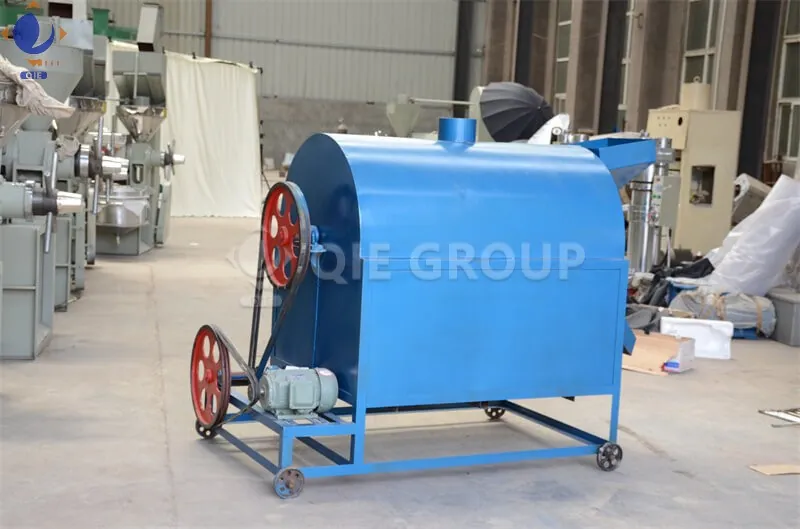
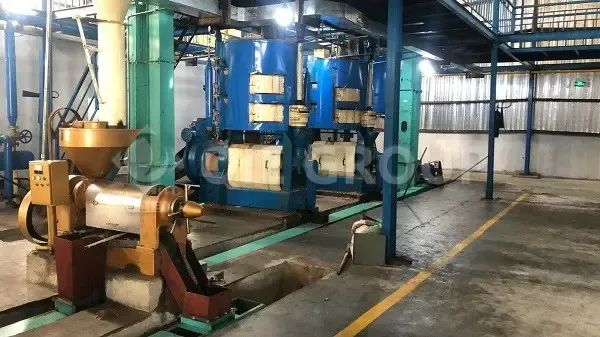
Our company's multi-stage spiral pressing system has performed stably in projects across different countries, and its two major advantages are crucial for increasing output:
A 2-4 percentage point reduction in residual oil content means that a factory producing 2,000 tons of sesame oil per year can produce an additional 40-80 tons of finished oil annually.
The principle of multi-stage spiral systems:
First-stage gentle extrusion → Preserves the aroma of the oil
Second stage of gradual pressurization → Enhances oil exudation
End-stage deep pressing → Minimize residual oil
It can still be retained in pressed oil:
Sesamol (a natural antioxidant)
Vitamin E
More than 90% unsaturated fatty acids
These are all closely related to the market positioning of "premium sesame oil".
| Crushing Indicators | QIE device performance | Traditional equipment performance |
|---|---|---|
| residual oil content | 6%-8% | 10%-12% |
| Oil extraction rate | 92%-94% | 85%-88% |
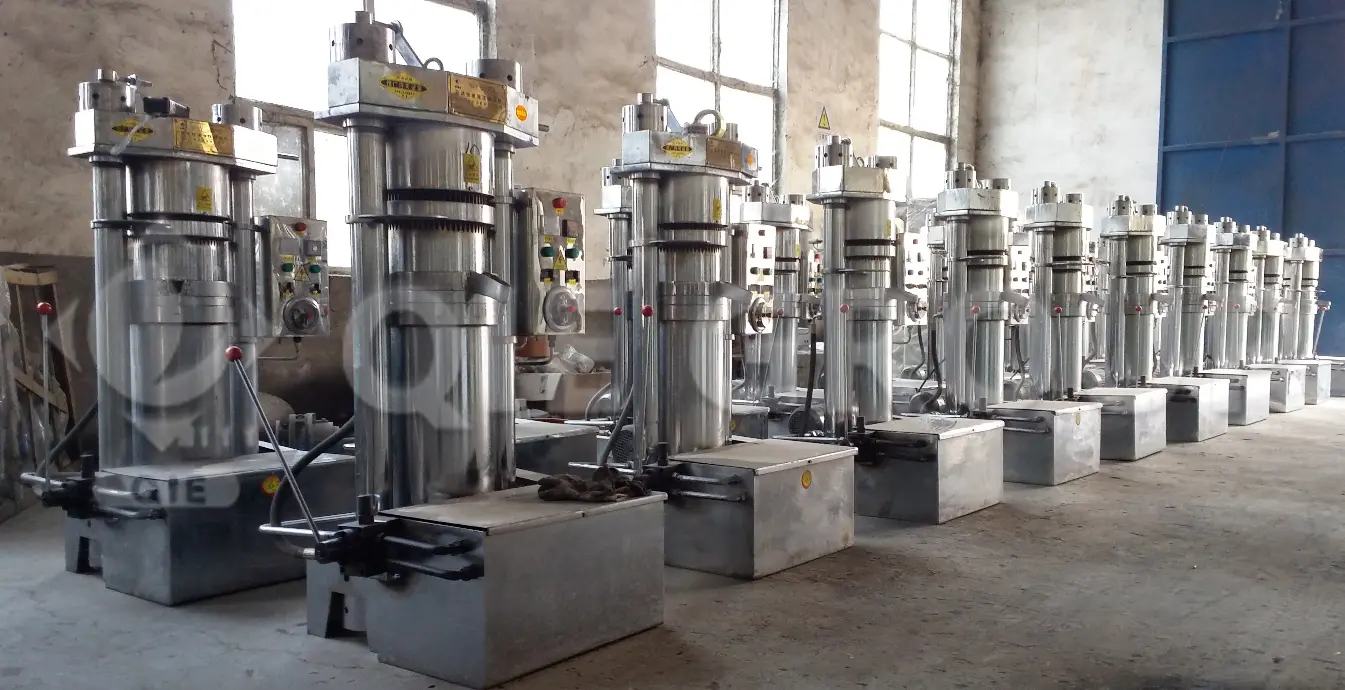
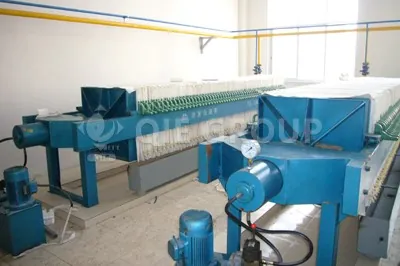
For sesame oil to be exported to Japan and the Middle East, appearance and transparency are strict standards.
Our filtration system uses:
Primary sedimentation + Secondary centrifugation + Tertiary fine filtration
Food-grade 304/316L stainless steel filter element
Filtration accuracy can reach 1–5 microns
This can be achieved:
Brighter color
No suspended particulate matter
Improved storage resistance (less prone to sedimentation issues)
Truly high-end hot-pressed sesame oil must be both fragrant and stable.
In our projects, we typically improve antioxidant properties and shelf life through the following methods:
Reduce oxygen exposure during roasting.
Maintain a low shear rate during pressing to reduce nutrient loss.
Low-temperature filtration reduces the degradation of active substances.
Installing a nitrogen purging system improves the safety of storage tanks and the stability of greases.
After the stability of sesamol content in finished oil is improved, the shelf life can be extended by 2–6 months (depending on the national climate).
With rising global energy costs, oil refineries in the Middle East and Southeast Asia are extremely sensitive to energy consumption.
QIE Group's energy-saving designs include:
Variable frequency motors (can save 10%–12% energy)
Roasting waste heat recovery system (can recover 15%–20% of heat energy)
Automatic feeding, temperature control, and pressing are synchronized and coordinated.
The overall energy consumption of the production line is lower than that of traditional plants. 10%–20%
Automation not only reduces manual labor, but also reduces quality fluctuations caused by human operation.
| Customer pain points | QIE Group Solutions | Performance Improvement Metrics |
|---|---|---|
| Low oil yield and high loss | Multi-stage spiral pressing, high-efficiency oil extraction technology | Oil yield increased by 5%-8% |
| Uneven roasting results in insufficient aroma. | Intelligent temperature-controlled stir-frying equipment with precise temperature gradient control | Aroma concentration increased by 15% |
| High energy consumption and high production costs | Energy-saving motor and waste heat recovery design | Energy saving and consumption reduction of 10%-20% |
| The oil contains many impurities and its color is not clear enough. | Multi-stage filtration system | Clarity is significantly improved, and sediment is reduced. |
Whether you are targeting the traditional Asian sesame oil market or high-end consumers in the Middle East, Europe and America, stabilizing aroma, increasing oil yield, reducing energy consumption, and ensuring export quality are key to a factory's long-term competitiveness.
QIE Group's engineering team can provide you with solutions based on your sesame raw material characteristics (white sesame, black sesame, Ethiopian sesame, etc.), production capacity requirements, and target market demands:
Complete hot pressing process solution
Energy-saving equipment configuration
Export standardized production line
Full-process installation and commissioning service
If you are building or upgrading a sesame oil factory, we can develop a customized solution for you that suits your local market, production capacity, and budget.
 Palm fruit oil pressing equipment Palm kernel oil pressing equipment Palm oil processing production line Palm Kernel Oil Press Palm Oil Mill Equipment Supplier
Mustard seed oil production line Mustard oil press Mustard oil extraction machine Mustard oil refining equipment Small mustard seed oil plant equipment
edible oil production line edible oil processing equipment edible oil refinery plant turnkey project edible oil mill plant
Ring extractor Oil extraction equipment Oil processing solutions Edible oil production equipment High-efficiency leaching system
corn germ oil processing plant low cost corn oil plant corn germ oil extraction machine edible oil processing equipment build corn oil factory corn oil production line
Palm fruit oil pressing equipment Palm kernel oil pressing equipment Palm oil processing production line Palm Kernel Oil Press Palm Oil Mill Equipment Supplier
Mustard seed oil production line Mustard oil press Mustard oil extraction machine Mustard oil refining equipment Small mustard seed oil plant equipment
edible oil production line edible oil processing equipment edible oil refinery plant turnkey project edible oil mill plant
Ring extractor Oil extraction equipment Oil processing solutions Edible oil production equipment High-efficiency leaching system
corn germ oil processing plant low cost corn oil plant corn germ oil extraction machine edible oil processing equipment build corn oil factory corn oil production line




.png?x-oss-process=image/resize,h_100,m_lfit/format,webp)
.png?x-oss-process=image/resize,h_100,m_lfit/format,webp)
.png?x-oss-process=image/resize,h_100,m_lfit/format,webp)


