
In the past, the oil processing industry focused more on "output" and "oil yield". However, in recent years, the global market has undergone significant changes - intelligent processing and green & energy-efficient technology have become key factors for oil mills to maintain their competitiveness.
Whether it's palm oil projects in Southeast Asia, sunflower oil mills in Central Asia, or peanut and soybean oil processing lines in Africa, users building or upgrading production lines are all asking the same question:
💡 "How can we make oil refineries more efficient, energy-saving, and environmentally friendly?"
This article will systematically analyze why intelligent and green technologies are becoming the mainstream direction for future oil processing from four aspects: industry trends, pain points, technical solutions, and actual benefits.
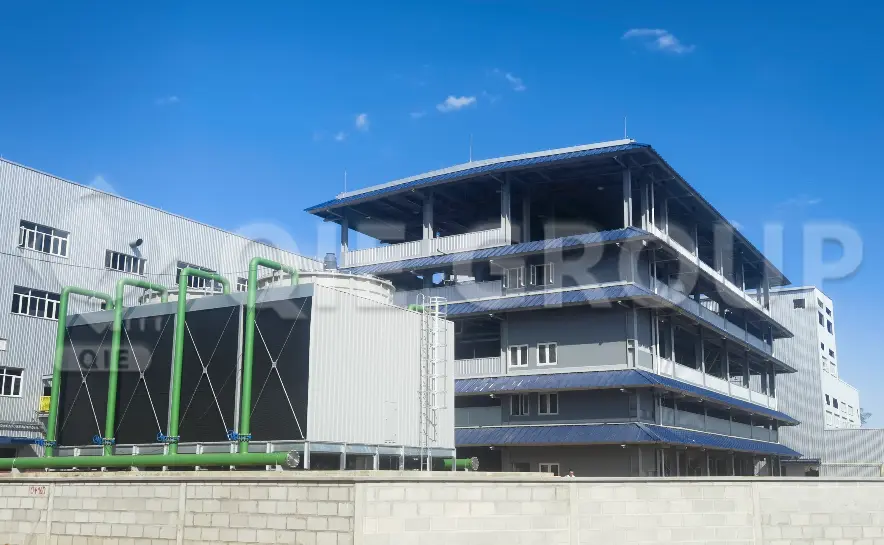
Countries are continuously raising their regulatory standards for energy use, emissions, and waste disposal. Outdated production lines that fail to meet these standards may not only be shut down for rectification but could also have their exports affected.
Many oil refineries still rely on manual labor, but skilled workers are becoming increasingly difficult to find. Automated and unmanned operations can reduce labor intensity while ensuring production stability.
Prices of raw materials such as sunflower seeds, soybeans, cottonseed, and palm fruit are unstable. Intelligent processes, through precise control of process parameters, ensure that the oil value of every ton of raw materials is fully utilized.
High energy consumption and high residual oil rates are two major challenges facing oil refineries worldwide. Reducing energy consumption and minimizing oil loss not only increases profits but also enhances market competitiveness.
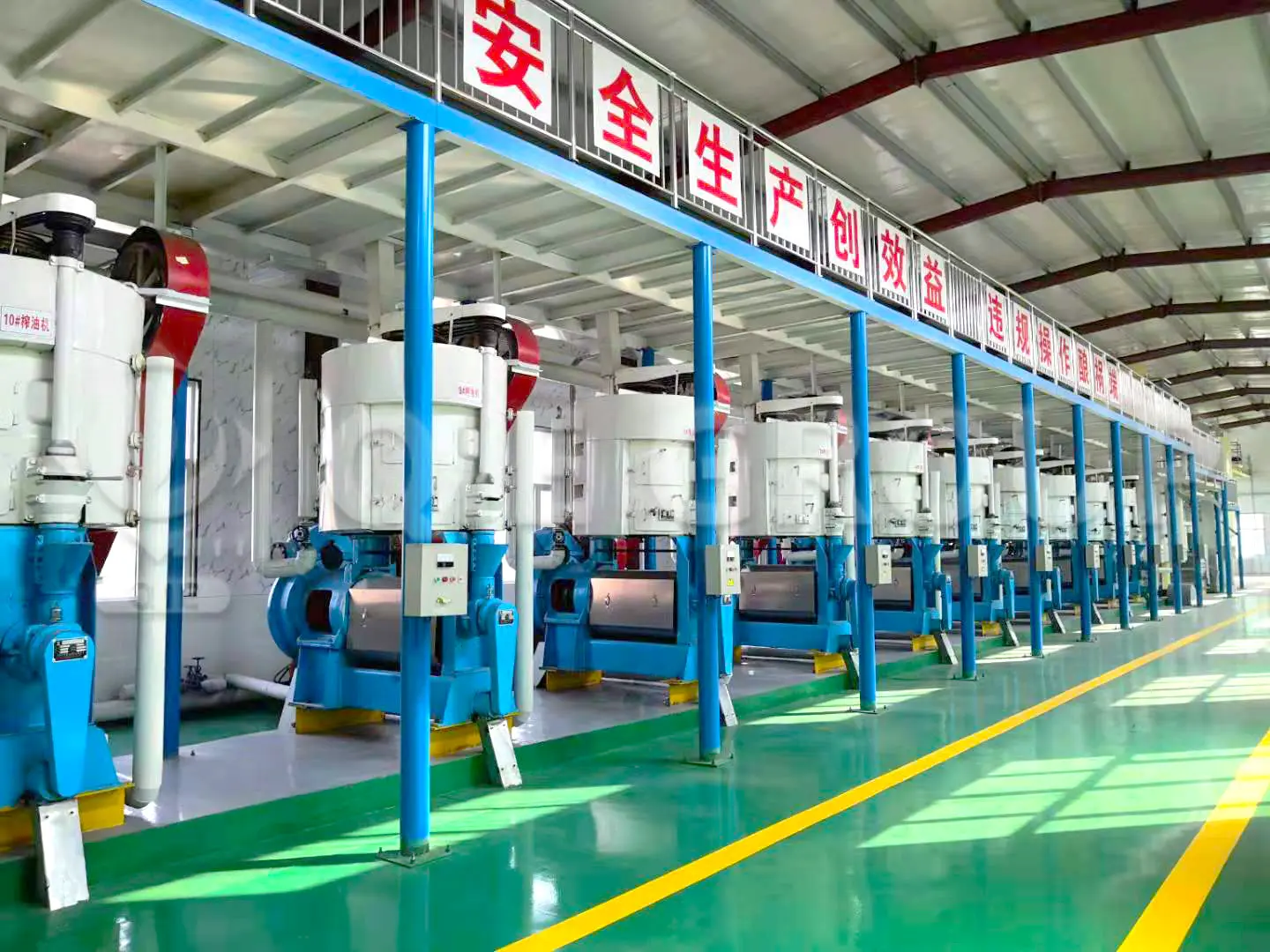
Traditional heating systems have low steam utilization efficiency, resulting in high energy consumption per ton of oil.
Solution:
Heat exchange system optimization
High-efficiency evaporator
Improved solvent recycling efficiency
Automatic temperature control system
Actual energy saving effect: Energy consumption per unit can be reduced by 10-18%.
Unstable pretreatment and low leaching efficiency can both lead to raw material waste.
Solution:
Secondary shelling and crushing optimization
Extrusion puffing technology improves leaching efficiency
Intelligent negative pressure, temperature, and solvent ratio control
Actual results: The residual oil rate can be stabilized at 0.5–0.7%.
Many oil mills are unable to promptly identify process deviations, and by the time problems arise, losses have often already occurred.
Advantages of intelligent data analysis systems:
Real-time monitoring of key equipment (evaporator, DTDC, refining tower, press)
Automatic alarm and process adjustment
Automatic recording and analysis of batch data
Remote monitoring enables unmanned factory management

QIE Group has been deeply involved in the oil processing industry for over 40 years, with technologies covering the entire process from pretreatment to pressing, extraction, and refining. We provide complete intelligent and green solutions tailored to different raw materials and project requirements.
Automatically adjusts softening temperature and moisture
Closed-loop control of crushing and rolling pressure
Oil uniformity improved by more than 12%.
→ To create more stable feedstock conditions for subsequent pressing/leaching.
Intelligent temperature control for puffing machine
Solvent recycling optimization
Automatic monitoring of solvent ratio, leaching time, and negative pressure.
→ Residual oil content remains stable at an advanced level (0.5–0.7%).
Physical refining vacuum negative pressure optimization
Thermal energy recovery systems reduce steam consumption
Automatic adjustment of key parameters for deacidification, deodorization, and decolorization
→ Reduce energy consumption and improve oil stability.
Real-time dashboards for temperature, pressure, flow rate, and energy consumption.
Anomaly prediction and automatic alarm
Enables unmanned night shifts and remote maintenance.
→ Significantly reduces labor costs and management difficulty.
Cost reduction : Unit energy consumption is reduced by 10-18%, raw material utilization is improved, and labor costs are reduced.
More stable oil quality : precise temperature control, low operational deviation, and easier to meet export standards.
Significant environmental advantages : more efficient treatment of waste gas and wastewater, improved solvent utilization, and reduced equipment wear.
Short investment return cycle : Most projects can recoup their investment in 6–18 months.
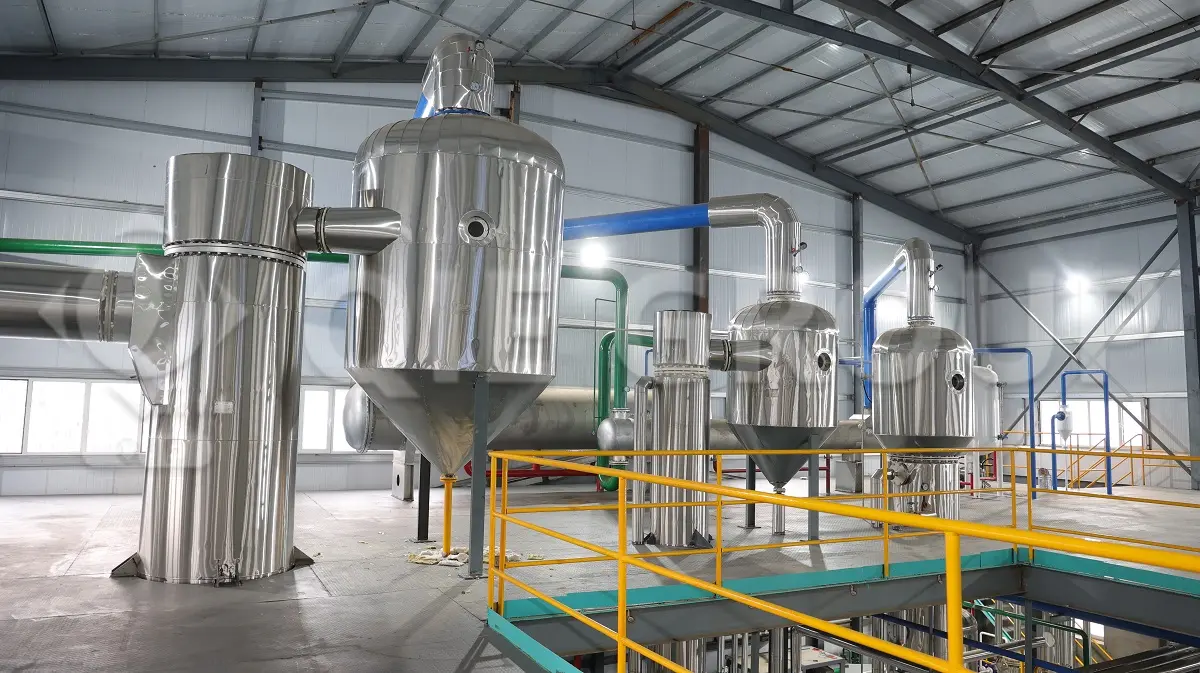
The global oil processing industry will be reshaped in the next 3-5 years. Those who can upgrade their technology first will stand out from the competition.
If you are preparing to build a new oil refinery, expand production, or upgrade your production lines, you may consider:
Can energy consumption be reduced?
Can residual oil be reduced?
Are labor costs too high?
Will the equipment meet future environmental protection requirements?
Is the data analysis capability sufficient?
If any of the above aspects face bottlenecks, then intelligentization and greening are key directions that can directly improve profits.
Whether you are processing soybeans, sunflower seeds, palm nuts, peanuts, rapeseed, or rice bran, we can provide customized solutions based on the characteristics of the raw materials and your factory layout:
Production line design
Equipment manufacturing
Energy-saving upgrade solution
Intelligent control system
Overseas installation and commissioning
Long-term technical support
It helps you achieve more efficient, greener, and more stable oil production.
Has your oil refinery already taken solid steps towards intelligent and green production? Or are you still observing and waiting? Regardless of the current situation, implementing smart and environmentally friendly production as early as possible is an irreversible industry trend for the next few years.
 Soybean oil extraction rate Oil pressing equipment selection Optimization of leaching process Edible Oil Processing Soybean Oil Press Soybean oil processing equipment
sesame oil production line sesame oil refining plant small scale sesame oil expeller sesame oil processing plant sesame oil press machine sesame oil mill plant
Rapeseed Oil Refining Machine Rapeseed oil processing plant refining equipment Rapeseed oil 50 tons per day refiner Rapeseed oil cold pressing oil refining equipment Rapeseed oil deacidification and deodorization equipment
Palm fruit pressing process Palm Oil Press Palm oil production line Palm oil processing equipment Palm oil production process
Peanut oil production line Peanut oil processing equipment Peanut oil refining equipment Small peanut oil processing equipment Peanut oil solvent extraction equipment Peanut Oil Press
Soybean oil extraction rate Oil pressing equipment selection Optimization of leaching process Edible Oil Processing Soybean Oil Press Soybean oil processing equipment
sesame oil production line sesame oil refining plant small scale sesame oil expeller sesame oil processing plant sesame oil press machine sesame oil mill plant
Rapeseed Oil Refining Machine Rapeseed oil processing plant refining equipment Rapeseed oil 50 tons per day refiner Rapeseed oil cold pressing oil refining equipment Rapeseed oil deacidification and deodorization equipment
Palm fruit pressing process Palm Oil Press Palm oil production line Palm oil processing equipment Palm oil production process
Peanut oil production line Peanut oil processing equipment Peanut oil refining equipment Small peanut oil processing equipment Peanut oil solvent extraction equipment Peanut Oil Press




.webp?x-oss-process=image/resize,h_800,m_lfit/format,webp)


.png?x-oss-process=image/resize,h_100,m_lfit/format,webp)
.png?x-oss-process=image/resize,h_100,m_lfit/format,webp)
.png?x-oss-process=image/resize,h_100,m_lfit/format,webp)


.webp?x-oss-process=image/resize,h_800,m_lfit/format,webp)
