In the industrial production of flaxseed oil, many tend to focus their attention on selecting the right oil presses or extraction equipment. However, the "hidden key" that truly determines the oil yield, equipment lifespan, and comprehensive energy consumption of the entire production line lies at the very front end—the preprocessing section.
Flaxseed granules are tiny (the 100-seed weight is typically only 0.35–0.5g) with a tough, hard outer shell, and their internal oil cell structure is extremely dense. If the raw materials enter the pressing or extraction stages without scientific and meticulous preprocessing, it can easily lead to high residue backup, elevated residual oil rates, and abnormal equipment wear. Combining years of practical experience in oil engineering, QIE Group breaks down how to build a more stable and efficient flaxseed oil processing line by optimizing the preprocessing technology.
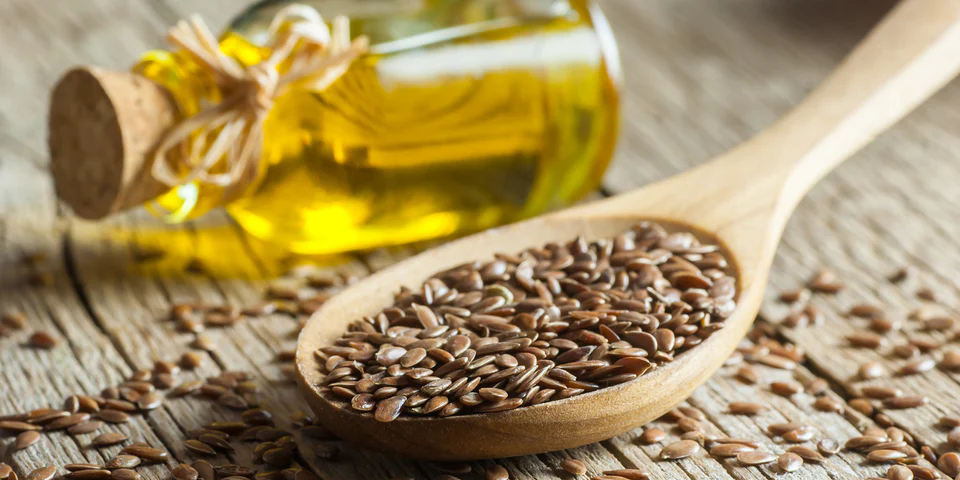
A mature flaxseed preprocessing solution centers on "uniformity" and "controllability." Tailored to the unique physical characteristics of flaxseed, the oil-releasing potential must be fully activated through the following three critical stages:
Flaxseed easily mixes with mud, sand, stalks, hemp ropes, and metal impurities during harvesting and transportation. Because flaxseed granules are small, failure to eliminate these impurities completely will directly affect the color and flavor of the final refined oil.
Due to the small volume of flaxseed, the challenge in crushing lies in avoiding over-crushing (which generates excessive powder that blocks subsequent permeability) while ensuring an optimal, moderate particle size.
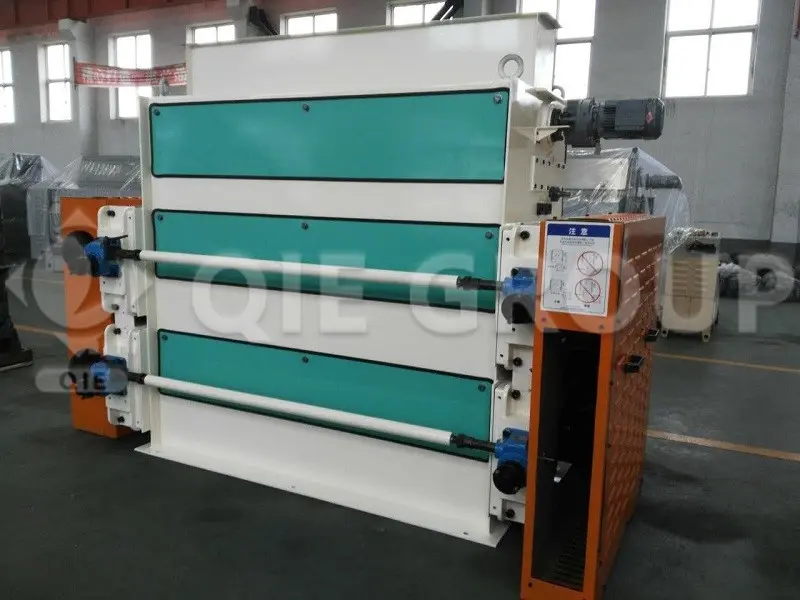
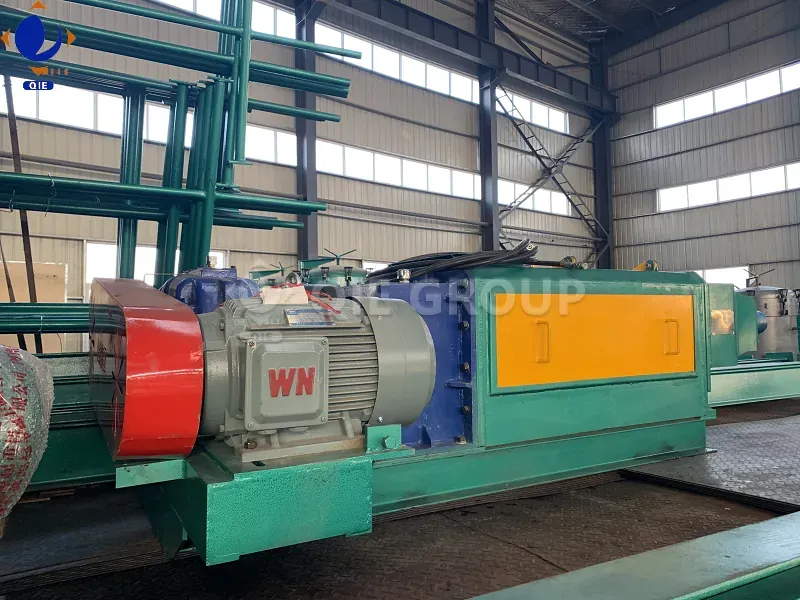
Flaking is the process that most directly impacts the oil yield within the entire preprocessing section. Its purpose is to roll the crushed material into thin flakes via mechanical pressure.
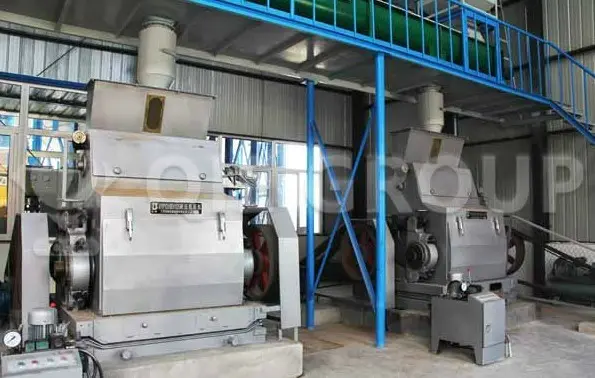
When raw materials are "fully prepared" in the preprocessing stage, the entire production line will achieve a chain of performance optimizations, whether utilizing physical cold pressing, hot pressing, or large-scale solvent extraction processes:
| Key Indicators | Production Lines with Insufficient Preprocessing | Optimized Preprocessing Lines |
|---|---|---|
| Physical Pressing Performance | Uneven material moisture, high resistance in the press chamber, prone to residue backup, and high cake residual oil rate. | Loose flake structure, smooth oil release, stable and continuous pressing, and significantly reduced dry cake residual oil rate. |
| Solvent Extraction Efficiency | Poor percolation, easily causes solvent residue in the meal, and relatively high meal residual oil rate. | High-quality flakes of 0.3–0.5 mm allow uniform solvent penetration, reducing solvent consumption and increasing miscella concentration. |
| Comprehensive Operating Costs | Critical components (such as press worms and rollers) wear out quickly, leading to frequent unscheduled shutdowns. | Continuous operational stability is enhanced, equipment maintenance cycles are extended, and systemic power and steam consumption are significantly optimized. |
Flaxseed oil processing is not a matter of simple, "brute-force mechanical pressing"; it is a chain-linked process of material transformation. Neglecting the front-end preprocessing often forces downstream sections to pay double the energy and maintenance costs to make up for the inherent deficiencies in raw material preparation.
If you are currently planning to build a new flaxseed oil processing line, or wish to undertake technical upgrades and energy-saving retrofits for an existing old line, look back to the starting point. Begin with a meticulous preprocessing section, and work with QIE Group to reshape your industrial oil production efficiency with scientific and rigorous engineering craftsmanship.
 Shea butter production line Shea butter processing plant Shea butter processing equipment Investment Costs of Shea Butter Plants in Nigeria Shea butter processing
canola oil processing plant canola oil production line edible oil factory solution rapeseed oil processing plant turnkey edible oil plant
Rice bran oil processing technology Rice bran oil solvent extraction equipment Rice bran oil press Rice bran oil processing plant Solvent leaching and pressing
Sunflower oil processing edible oil plant 1000TPD oil mill oil refining pressing and solvent extraction
complete rapeseed oil processing line rapeseed oil refinery rapeseed oil production plant rapeseed oil processing equipment pre-press solvent extraction
Shea butter production line Shea butter processing plant Shea butter processing equipment Investment Costs of Shea Butter Plants in Nigeria Shea butter processing
canola oil processing plant canola oil production line edible oil factory solution rapeseed oil processing plant turnkey edible oil plant
Rice bran oil processing technology Rice bran oil solvent extraction equipment Rice bran oil press Rice bran oil processing plant Solvent leaching and pressing
Sunflower oil processing edible oil plant 1000TPD oil mill oil refining pressing and solvent extraction
complete rapeseed oil processing line rapeseed oil refinery rapeseed oil production plant rapeseed oil processing equipment pre-press solvent extraction
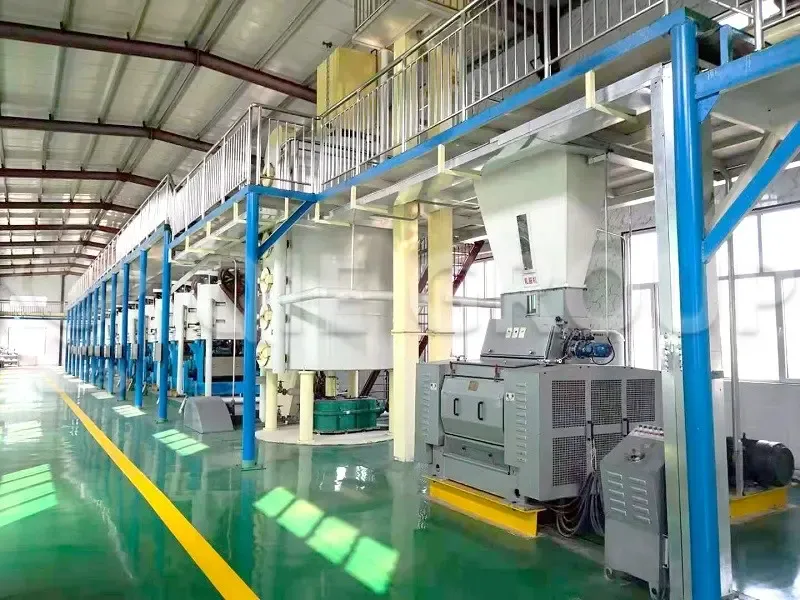


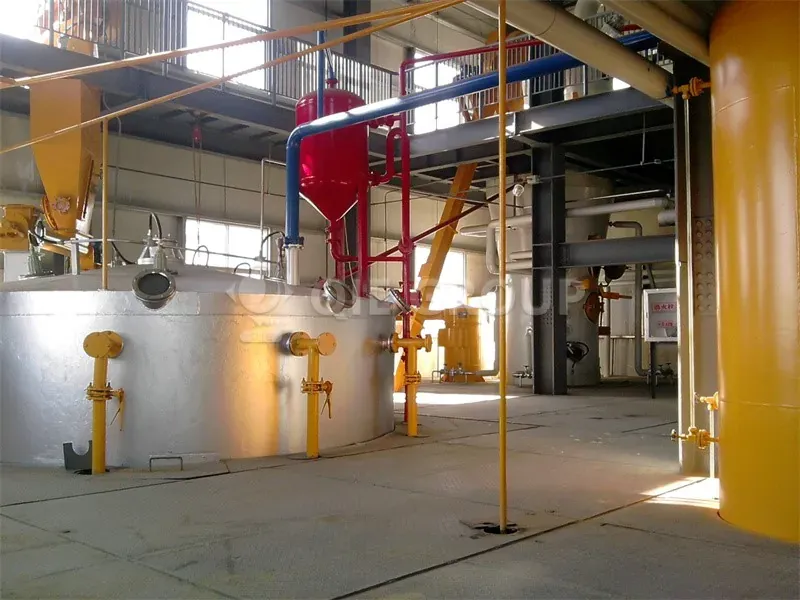
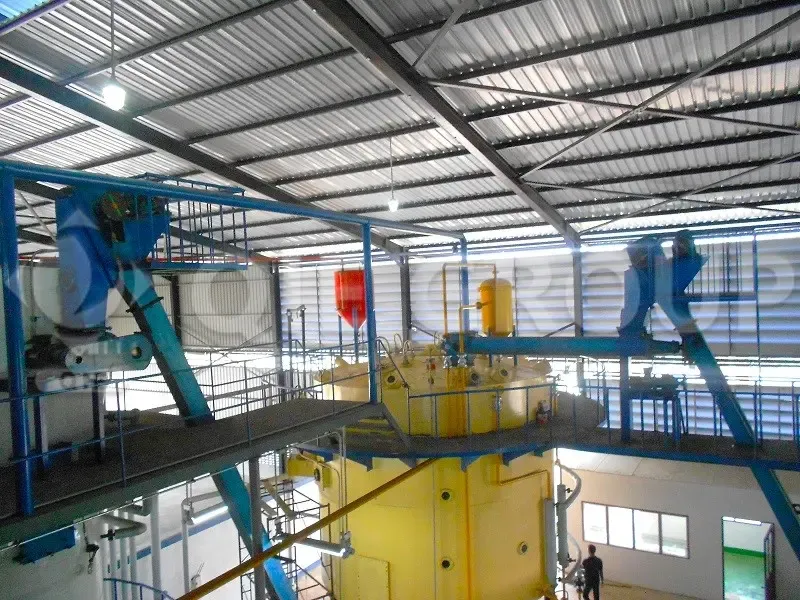


.png?x-oss-process=image/resize,h_100,m_lfit/format,webp)
.png?x-oss-process=image/resize,h_100,m_lfit/format,webp)
.png?x-oss-process=image/resize,h_100,m_lfit/format,webp)