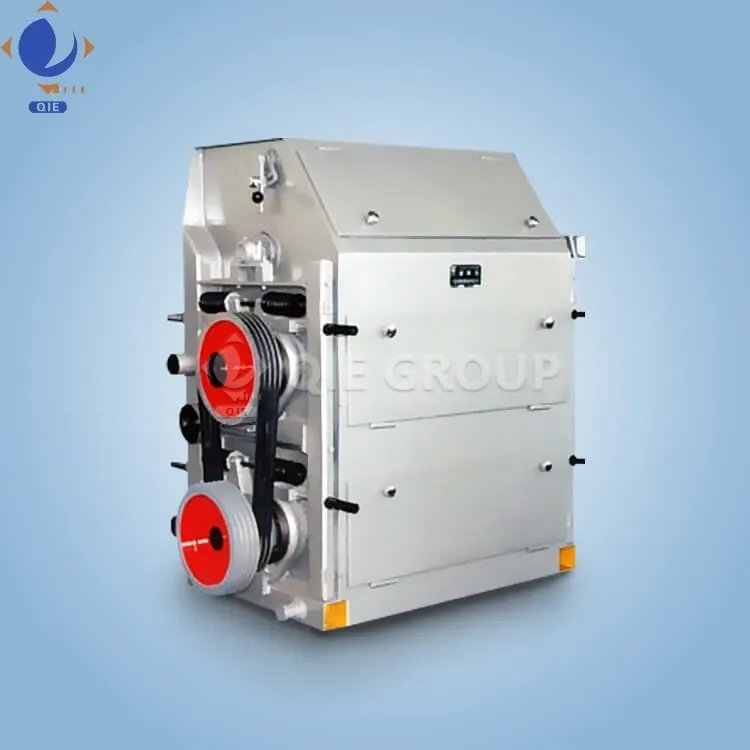
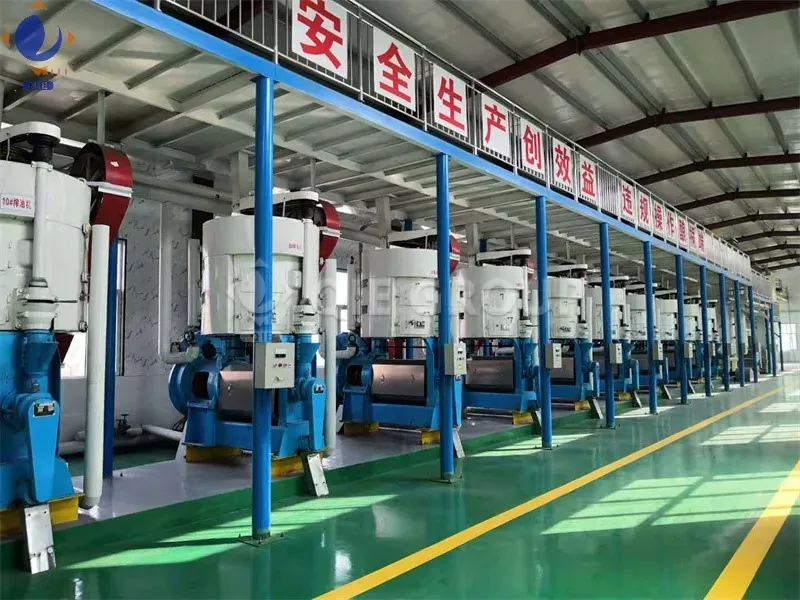
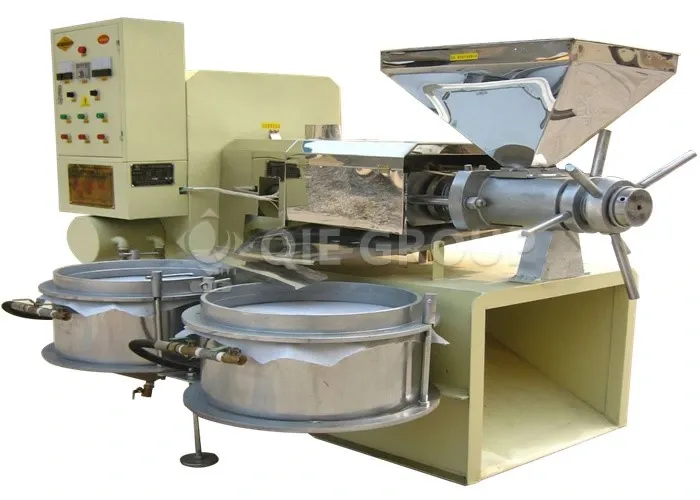
The edible oil market is undergoing profound changes due to shifts in the global economy and consumer demand. Fluctuations in raw material prices, consumption upgrades, and the rise of health trends present unprecedented challenges to oil mills, while also bringing new opportunities. The diverse processing requirements of raw materials such as soybeans, palm oil, rice bran, sunflower seeds, and corn germ force oil mills to innovate in technology and management to maintain market competitiveness.
In recent years, the global edible oil market has been impacted by the following factors:
Raw material price fluctuations: International soybean, palm oil and sunflower oil prices fluctuate significantly in cycles, directly affecting the production costs and profit margins of oil mills.
Consumer upgrading: Increased consumer demand for high-quality and healthy oil products is driving oil mills to improve the stability and nutritional value of their oil products.
Market diversification: Differences in the yield, quality, and supply cycle of different oilseeds present challenges for oil mills, but also provide opportunities for flexible production adjustments.
💡 In this market environment, if oil mills cannot quickly adapt to raw material and consumption trends, their oil yield and product quality will be severely affected.
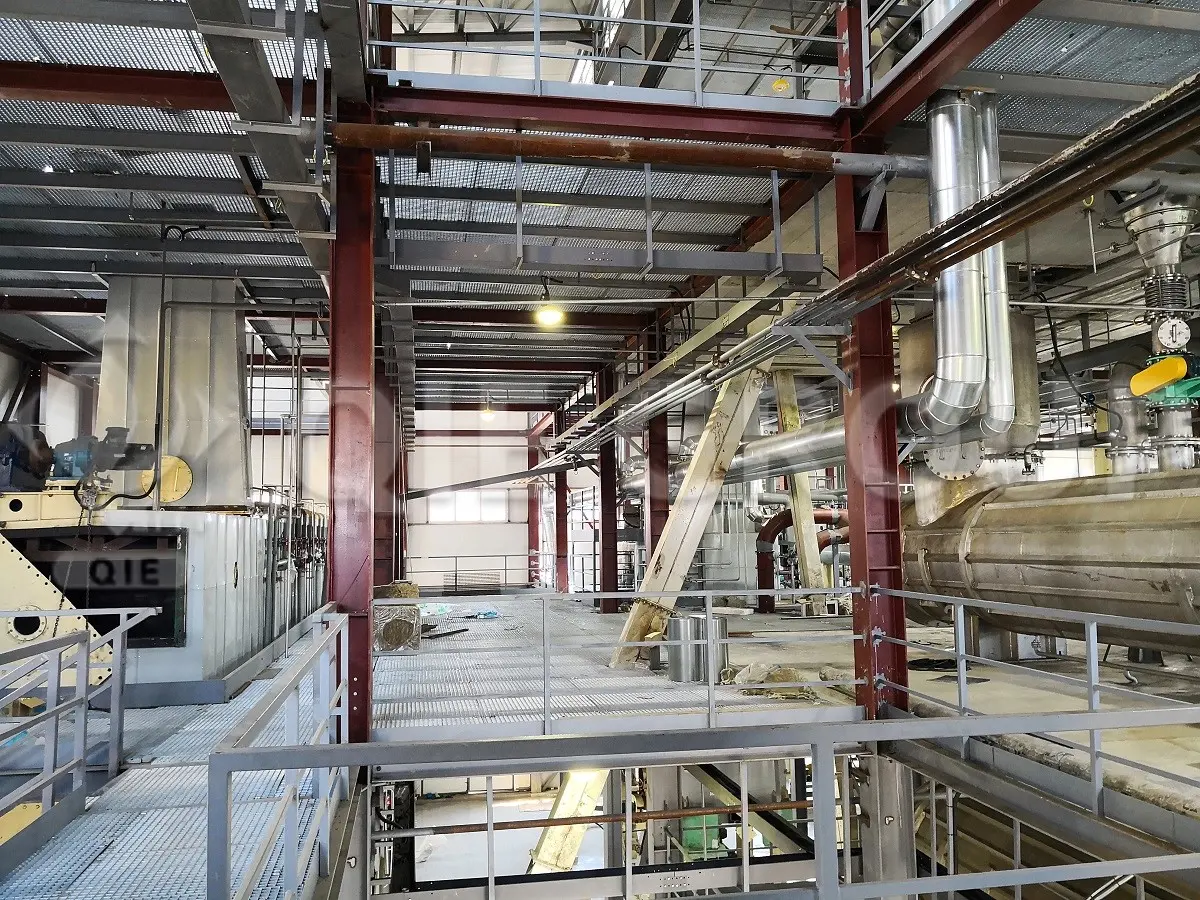
The oil content, gum/wax content, free fatty acids (FFA), pigments, and trace contaminants of raw materials such as soybeans, sunflower seeds, palm oil, rapeseed, rice bran, corn germ, peanuts, and cottonseed vary significantly, leading to different pretreatment, pressing/leaching, and refining routes. Taking rice bran as an example, its high lipase activity means that without rapid stabilization (such as high-temperature short-time puffing), FFA levels will rise rapidly, significantly increasing subsequent refining losses and energy consumption. 👉(Soybean Oil Processing Equipment Upgrade Guide )
With raw material prices soaring, efficient and low-consumption processing solutions have become crucial for oil mills to increase profits. Oil yield directly determines the economic benefits of an oil mill, while energy consumption and residual oil rate affect overall costs.
As global consumers place increasing emphasis on health and nutrition, oils low in trans fats and high in nutritional value have become a key focus in the market. Oil mills need to adopt refining and deacidification technologies to ensure the health and taste of their oils while meeting international quality standards.
To address the challenges mentioned above, oil refineries can enhance their competitiveness through the following technological means:
Through automated monitoring and data analysis, precise control over key processes such as pressing, leaching, and refining can be achieved. The intelligent system can:
Ensure a stable oil yield
Improve oil quality consistency
Real-time optimization of energy consumption and production efficiency
Modular design allows for rapid adaptation to the processing requirements of different raw materials, enabling flexible switching of production lines. Oil refineries can combine different modules according to raw material type and capacity requirements to improve equipment utilization while reducing investment risk.
Optimize conditioning, puffing, solvent recovery, and refining processes to achieve low consumption and high efficiency. The energy-saving design not only reduces operating costs but also meets international green production standards, enhancing the oil mill's market competitiveness and sustainable development capabilities. 👉( Energy-Saving Optimization Solution for Edible Oil Mills )
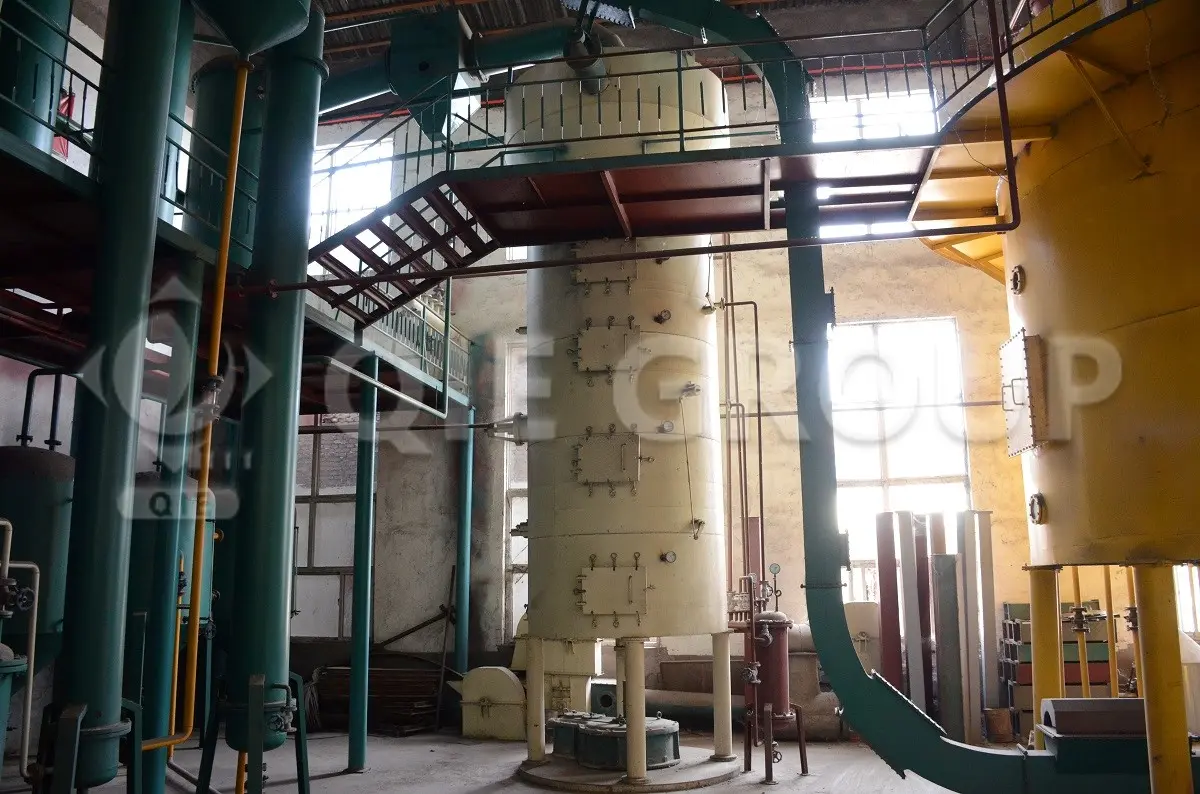
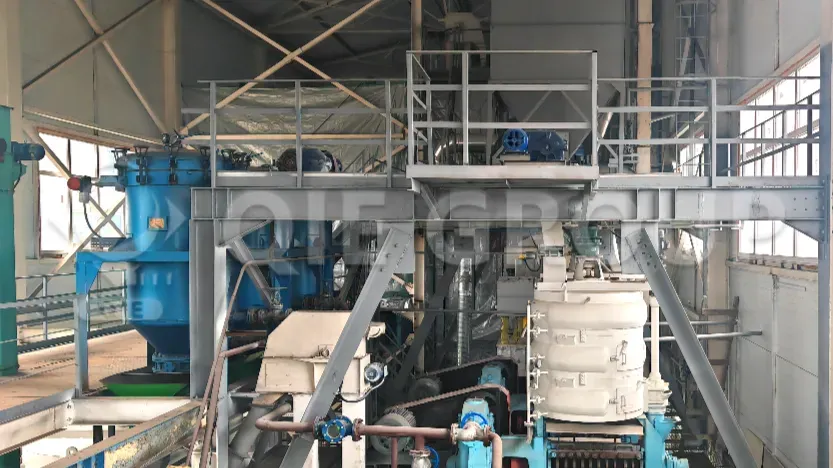
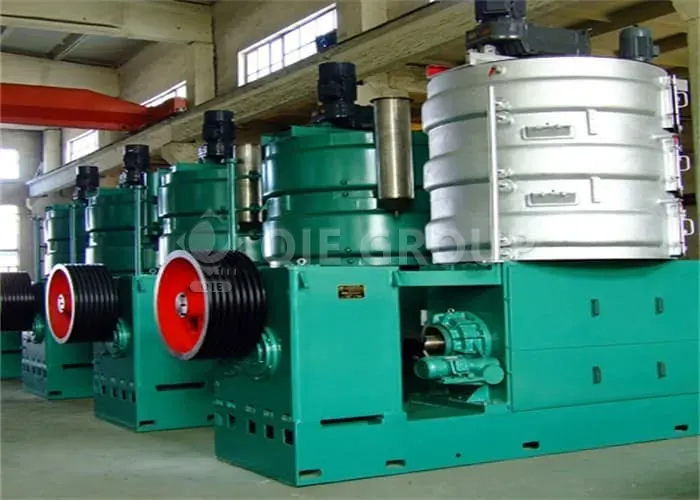
We provide turnkey solutions for large and medium-sized oil plants, from raw material processing to refining. Our core features include: multi-oil compatibility, optimized oil yield, low residual oil control, energy conservation, environmental protection, and intelligent production process coordination.
Suitable for processing a variety of oilseeds: soybeans, palm oil, sunflower seeds, rice bran, corn germ, etc. can all be processed efficiently.
High oil yield and low residual oil: Optimize pressing and solvent extraction processes to improve economic efficiency.
Energy-saving and environmentally friendly: Intelligent control of steam, electricity and solvent recovery to achieve low-energy operation.
Systematic management: Full-line data monitoring and analysis to ensure production stability and product quality.
Through QIE Group's solutions, oil mills can quickly respond to changes in the international market, improve production efficiency and profit margins, while meeting green and healthy consumption trends.
Modern oil mills face a variety of raw materials, including soybeans, palm oil, sunflower seeds, rice bran, and corn germ, each with significantly different oil content, physical properties, and processing requirements. Through modular equipment and flexible process design, oil mills can process multiple raw materials on the same production line while ensuring both oil yield and oil quality.
High oil yield does not necessarily mean high energy consumption. Through intelligent production systems, precise pressing and extraction control, and optimized solvent recovery and refining processes, oil mills can achieve high oil yields while reducing steam, electricity, and raw material consumption, thereby improving overall economic efficiency.
Intelligent manufacturing, through automatic monitoring and data analysis, achieves precise control over key processes, which can bring the following benefits:
Stable oil yield and oil quality
Real-time optimization of energy consumption and production efficiency
Reduce human error and improve production safety
Modular equipment design allows oil refineries to quickly adjust production lines based on feedstock type, production capacity, and market demand. Advantages include:
Flexible and adaptable to various oils
Low investment risk, production capacity can be gradually expanded.
Improve equipment utilization and production efficiency
Simplify maintenance and management
By optimizing the conditioning, puffing, solvent recovery, and refining processes, oil refineries can significantly reduce energy consumption. Energy-saving designs not only reduce steam and electricity consumption but also comply with green production standards, helping to enhance corporate social responsibility and market competitiveness.
Want to gain an edge in a volatile market with higher oil yield, lower residual oil, and lower energy consumption? Contact QIE Group engineers for a complete oil refinery equipment and implementation roadmap covering pretreatment, pressing/leaching, refining to solvent recovery, supporting rapid switchover and energy-saving optimization.
Consulting QIE Group Solutions sunflower oil production line sunflower oil processing equipment edible oil plant setup solvent-extracted sunflower oil dewaxing process
rapeseed oil processing plant rapeseed oil production line edible oil equipment rapeseed oil refining equipment rapeseed oil press machine
Rapeseed oil press machine rapeseed oil refining machine Rapeseed oil processing plant Rapeseed oil pretreatment equipment Small rapeseed oil mill plant Rapeseed oil filter
Soybean oil processing equipment Intelligent production line Increased oil yield Soybean oil production line Soybean oil processing plant
Intelligent palm oil production line Palm fruit processing technology High efficiency oil yield Automated pressing system By-product recycling and value-added
sunflower oil production line sunflower oil processing equipment edible oil plant setup solvent-extracted sunflower oil dewaxing process
rapeseed oil processing plant rapeseed oil production line edible oil equipment rapeseed oil refining equipment rapeseed oil press machine
Rapeseed oil press machine rapeseed oil refining machine Rapeseed oil processing plant Rapeseed oil pretreatment equipment Small rapeseed oil mill plant Rapeseed oil filter
Soybean oil processing equipment Intelligent production line Increased oil yield Soybean oil production line Soybean oil processing plant
Intelligent palm oil production line Palm fruit processing technology High efficiency oil yield Automated pressing system By-product recycling and value-added





.png?x-oss-process=image/resize,h_100,m_lfit/format,webp)
.png?x-oss-process=image/resize,h_100,m_lfit/format,webp)
.png?x-oss-process=image/resize,h_100,m_lfit/format,webp)