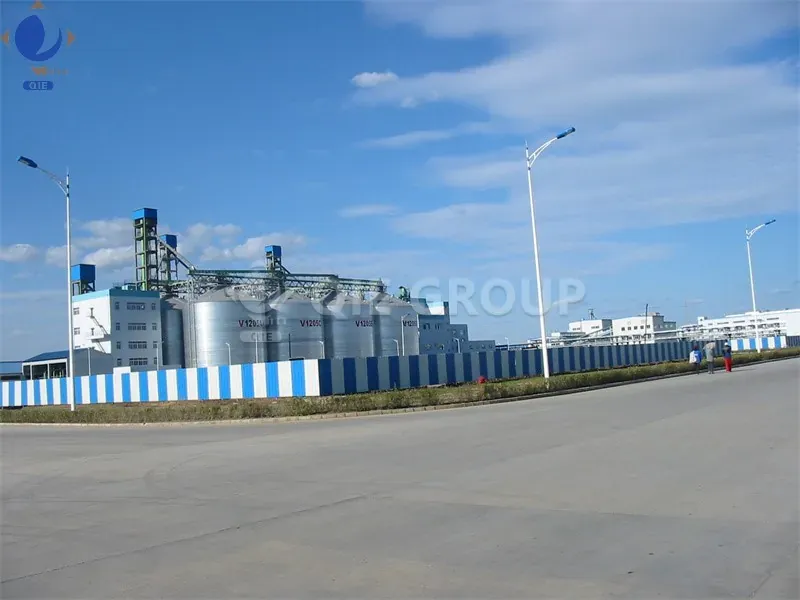
In today’s edible oil processing market, mill operators are being squeezed by a double whammy: soaring raw material costs on the front end and highly transparent, hyper-competitive refined oil prices on the back end.
When traditional methods of maximizing profits through sheer scale hit a bottleneck, efficiency becomes the ultimate battleground. For crushing plant managers, factory directors, and chief engineers who monitor daily factory data, electricity bills, and steam consumption, the million-dollar question is: How can we slash energy consumption and boost margins within a modern edible oil processing plant without sacrificing oil yield and product quality?
Industry Dilemmas:
What oil processors truly look for online is not abstract thermodynamic theory, but a systematic, field-proven engineering solution that delivers a clear, measurable Return on Investment (ROI) while keeping oil quality pristine.
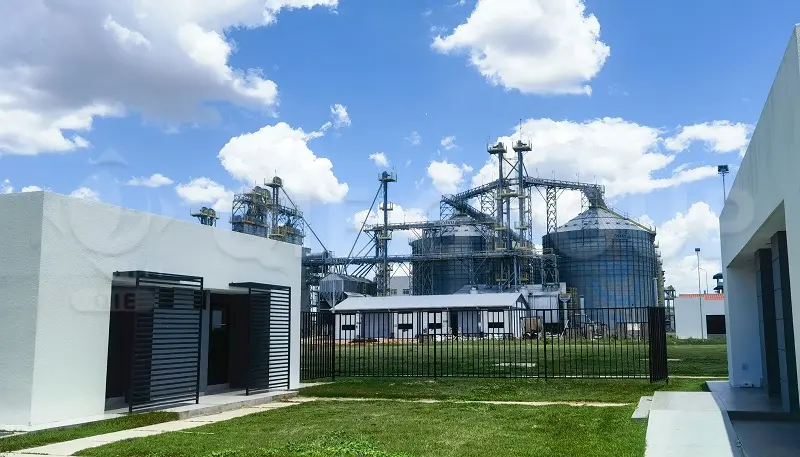
Edible oil processing (crushing, solvent extraction, and refining) is inherently energy-intensive. In traditional mills, outdated equipment and unrecovered waste heat allow massive chunks of profit to evaporate through smoke stacks and cooling towers. QIE GROUP approaches energy optimization not by replacing isolated parts, but through holistic engineering integration across the entire production chain.
Increasing the oil yield in the first-stage mechanical pressing does more than just boost instant output—it significantly reduces the dynamic load on the downstream solvent extraction system. Whether processing soybean, peanut, sunflower, or palm oil, QIE’s advanced oil processing machinery optimizes screw geometries and pressure gradients to minimize mechanical friction and power consumption while improving cake quality, achieving higher oil output with lower power input.
In the solvent extraction workshop, traditional solvent evaporation and stripping are notorious steam guzzlers. We implement advanced negative pressure evaporation technology, utilizing the system’s own secondary vapor as the heat source for recycling low-boiling-point solvents. This drastically reduces fresh steam injection and minimizes solvent loss (solvent consumption per ton of oil), saving substantial chemical replenishment costs.
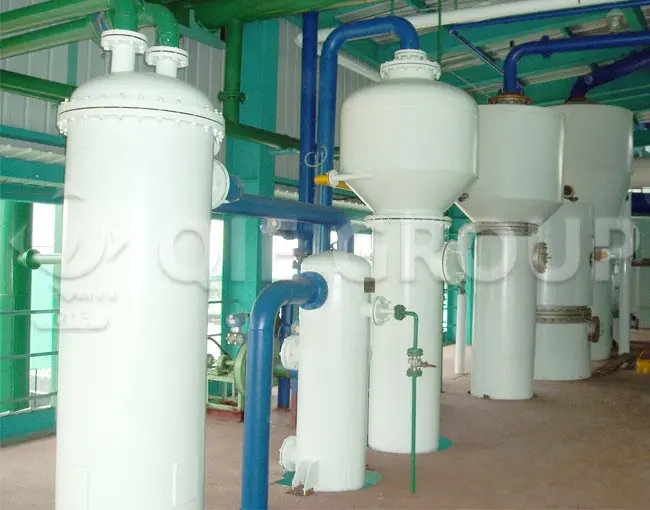
The oil refining stages (degumming, bleaching, and deodorization) require oil to be repeatedly heated to temperatures above 180°C - 200°C and subsequently cooled. Traditional setups rely on separate cooling water and external steam heating, allowing precious thermal energy to escape into cooling towers.
QIE’s solution introduces high-efficiency plate and shell-and-tube heat exchanger matrices during the edible oil refining workshop stage. By leveraging the intense heat of the finished oil exiting the deodorization tower, we countercurrently preheat the incoming crude oil. This "inter-material heat exchange" design cuts external steam heating requirements by over 40%. Furthermore, oil refining is hyper-sensitive to temperature fluctuations. With the our intelligent oil mill control system, temperature precision is locked at ± 1°C. This eliminates energy waste from overheating and strictly prevents the formation of trans fatty acids, ensuring your oil meets international food safety standards.
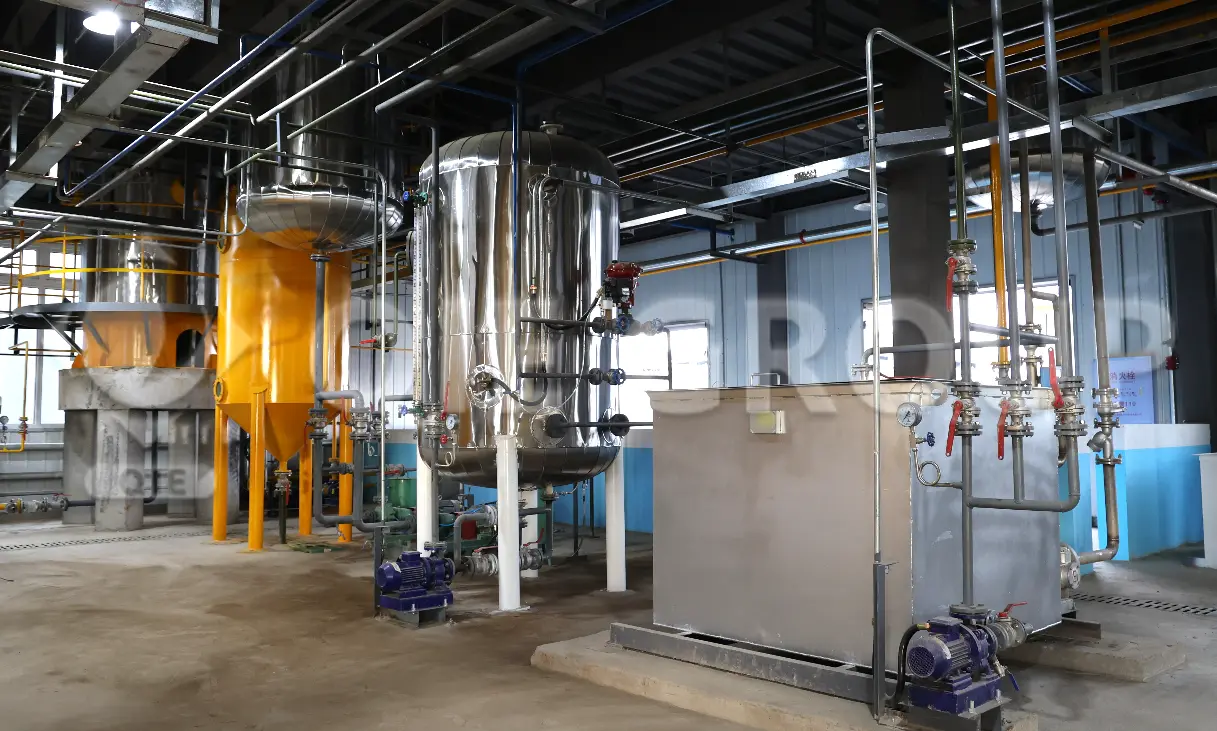
To ensure zero thermal waste, our engineering design recaptures high-temperature condensate from the deodorization process for secondary flash evaporation. The resulting flash steam is immediately redirected to pipeline heat tracing or pre-heating sections. Simultaneously, boiler flue gas waste heat is recovered to preheat boiler feed water, creating a self-sustaining thermodynamic loop.
Any energy-saving initiative that lacks tangible figures is just a theory. Our turnkey integrated solutions deliver verifiable financial returns across global project sites:
| Metric | Traditional Mill | QIE Solution | Profit Transformation |
|---|---|---|---|
| Oil Yield | Baseline Level | Increased by 2% - 5% | More finished oil from the same volume of seed, converting directly into net profit. |
| Total Energy | Consistently High | Reduced by 10% - 20% | Monthly utility bills drop sharply, slashing processing costs per ton of oil. |
| Process Control | Manual experience reliance | Automated PLC Locking | Eliminates human error, bad batches, and costly re-processing losses. |
| Market Response | Slow product switching | One-click Parameters | Accelerates order fulfillment for different oil grades, boosting asset turnover. |
Financial Metric ROI Insight: Based on data from our international processing sites, the dual benefit of reduced energy bills and increased oil yield typically results in a comprehensive project Payback Period of 8 to 14 months.
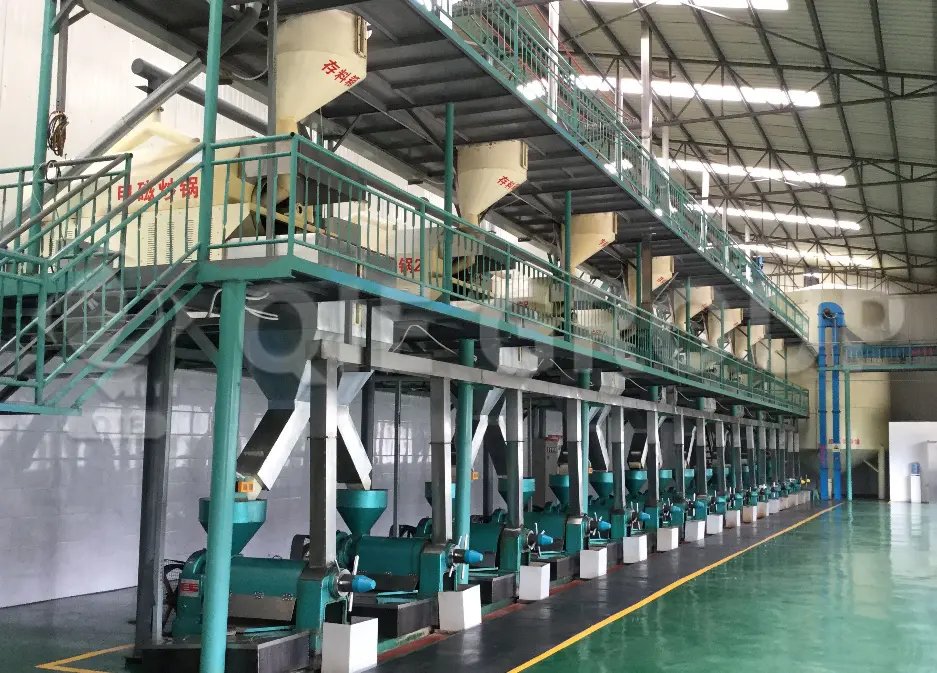
As a premier global oil extraction EPC contractor and turnkey engineering provider for the edible oil processing industry, QIE Group believes that true efficiency is a product of seamless production-line synergy, not just "high-efficiency motors."
On day one at any QIE project site—whether in Africa, Southeast Asia, Central Asia, or Europe—our engineers map out precise plant-wide Energy Balance Diagrams and Material Balance Diagrams tailored to your specific seed type (soybean, peanut, sunflower, palm, rice bran, etc.) and workshop layout. We track down every single ton of steam and kilowatt of power to eliminate invisible bottlenecks.
From 3D factory layout design and process engineering to equipment manufacturing, overseas shipping, on-site installation, and commissioning (Complete EPC Service), we delivers a worry-free, turnkey project. We ensure that "what is designed is what is built, and what is commissioned meets the target."
Lowering energy consumption directly shrinks your production costs per ton, giving your finished products absolute price competitiveness and higher margins in the global marketplace.
We understand that every crushing plant faces unique challenges based on seed variants, local climate, and existing layouts. Cookie-cutter equipment won't solve your specific bottleneck.
Let us provide a customized "Mill Energy & Efficiency Audit Report" to calculate your precise investment-to-return ratio. Turn your utility bills back into company profits!
 shea butter processing plant cost shea butter extraction machine cold press shea butter tech cosmetic grade shea butter production unrefined shea butter press
500 TPD edible oil production line edible oil processing oil engineering pressing process solvent extraction refining equipment automation control
Coconut oil production process Pressed coconut oil Coconut oil yield Coconut oil production line Coconut oil processing plant
Sunflower oil processing edible oil plant 1000TPD oil mill oil refining pressing and solvent extraction
Coconut oil production line Dried coconut meat oil solvent extraction coconut oil refinery Vegetable oil machinery Coconut oil processing plant
shea butter processing plant cost shea butter extraction machine cold press shea butter tech cosmetic grade shea butter production unrefined shea butter press
500 TPD edible oil production line edible oil processing oil engineering pressing process solvent extraction refining equipment automation control
Coconut oil production process Pressed coconut oil Coconut oil yield Coconut oil production line Coconut oil processing plant
Sunflower oil processing edible oil plant 1000TPD oil mill oil refining pressing and solvent extraction
Coconut oil production line Dried coconut meat oil solvent extraction coconut oil refinery Vegetable oil machinery Coconut oil processing plant




.png?x-oss-process=image/resize,h_100,m_lfit/format,webp)
.png?x-oss-process=image/resize,h_100,m_lfit/format,webp)
.png?x-oss-process=image/resize,h_100,m_lfit/format,webp)