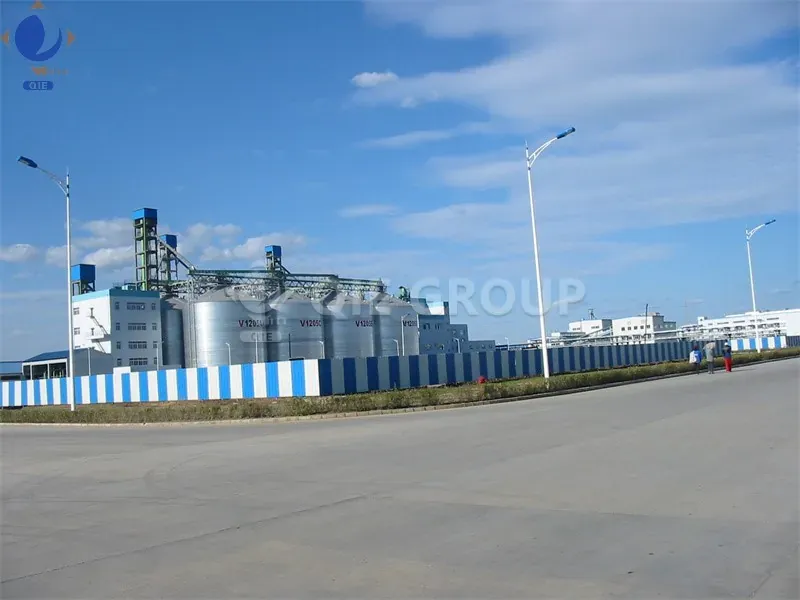
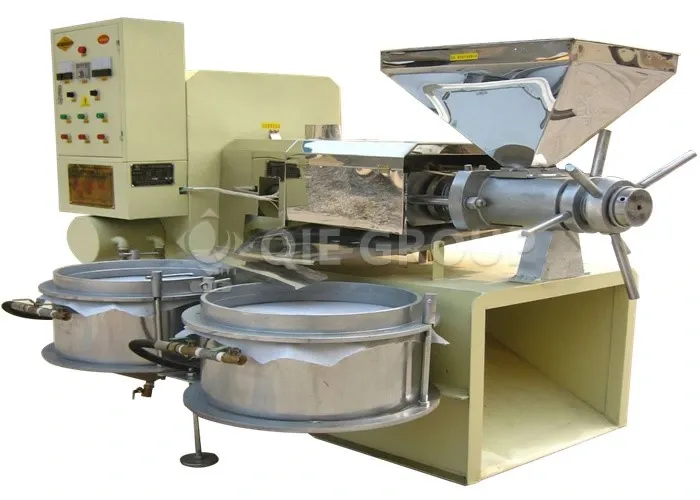
In recent years, with the increasing popularity of healthy lifestyles and nutritional science, consumers have paid more and more attention to cooking oil. The market is shifting from traditional oil consumption to a greater focus on the nutritional value and safety of oils, resulting in unprecedented growth. Investors and industry practitioners face both opportunities and challenges; understanding market trends and rationally planning production lines are key to profitability and sustainable development.
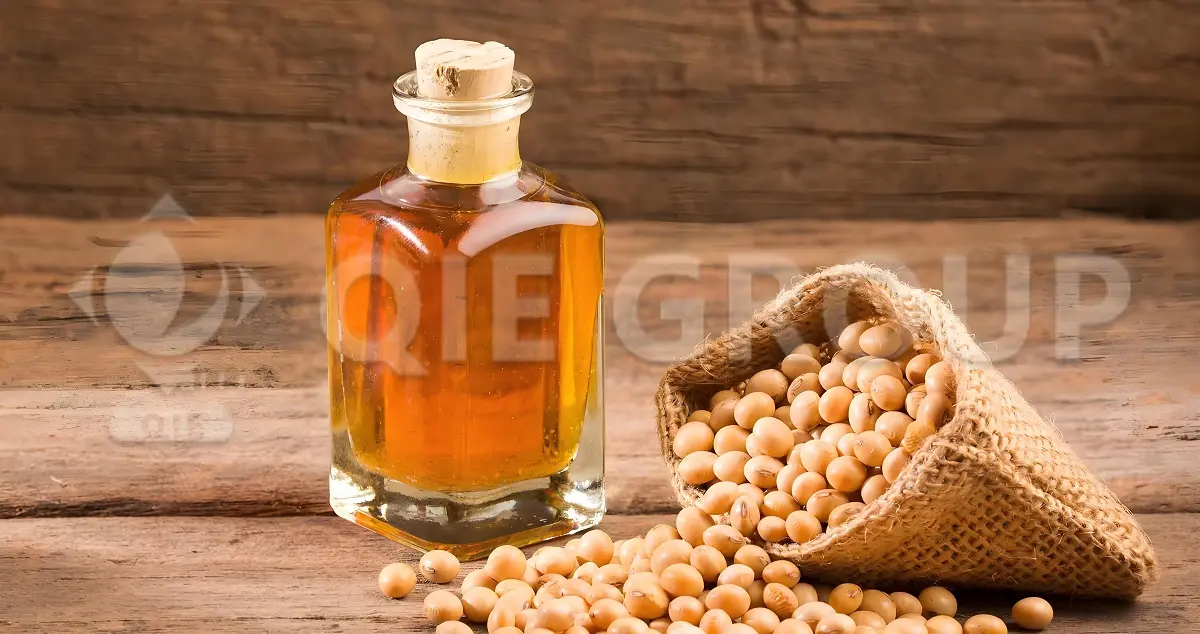
Modern consumers' criteria for choosing cooking oil have moved beyond just price and basic taste. Oils rich in unsaturated fatty acids, low in trans fats, and retaining natural nutrients are becoming increasingly popular. Demand for vegetable oils, functional oils (such as those rich in Omega-3 and Vitamin E), and certified organic oils is growing rapidly. For producers, this means higher standards are needed in oilseed selection, refining processes, and quality control.
With the promotion of Industry 4.0 concepts in the food processing industry, edible oil production lines are developing towards intelligence and automation. Intelligent equipment not only enables real-time monitoring of the production process but also optimizes energy consumption, increases oil yield, reduces labor costs, and ensures stable oil quality. For investors, adopting advanced automated production equipment can significantly improve return on investment while reducing operational risks.
Environmental policies and increased consumer awareness of green consumption have prompted edible oil producers to place greater emphasis on energy conservation, emission reduction, and waste resource utilization in their production processes and equipment selection. For example, optimizing decolorization, deodorization, and dewaxing processes not only improves the quality of finished oil products but also reduces energy consumption and wastewater discharge, meeting international market requirements for sustainable food supply chains.
With lower technological barriers, various small and medium-sized edible oil production enterprises are becoming increasingly active. Market research shows that SMEs account for more than 70% of the total number of edible oil production enterprises. Although they have limited capital and scale, they pay more attention to the flexibility of production lines and personalized needs, pursuing customized solutions to meet diverse market demands.
This trend has prompted equipment manufacturers and solution providers to design customized production lines for their clients, making them more targeted and scalable in terms of raw material selection, process flow, and equipment automation, helping companies to invest efficiently and avoid resource waste and ineffective investment.
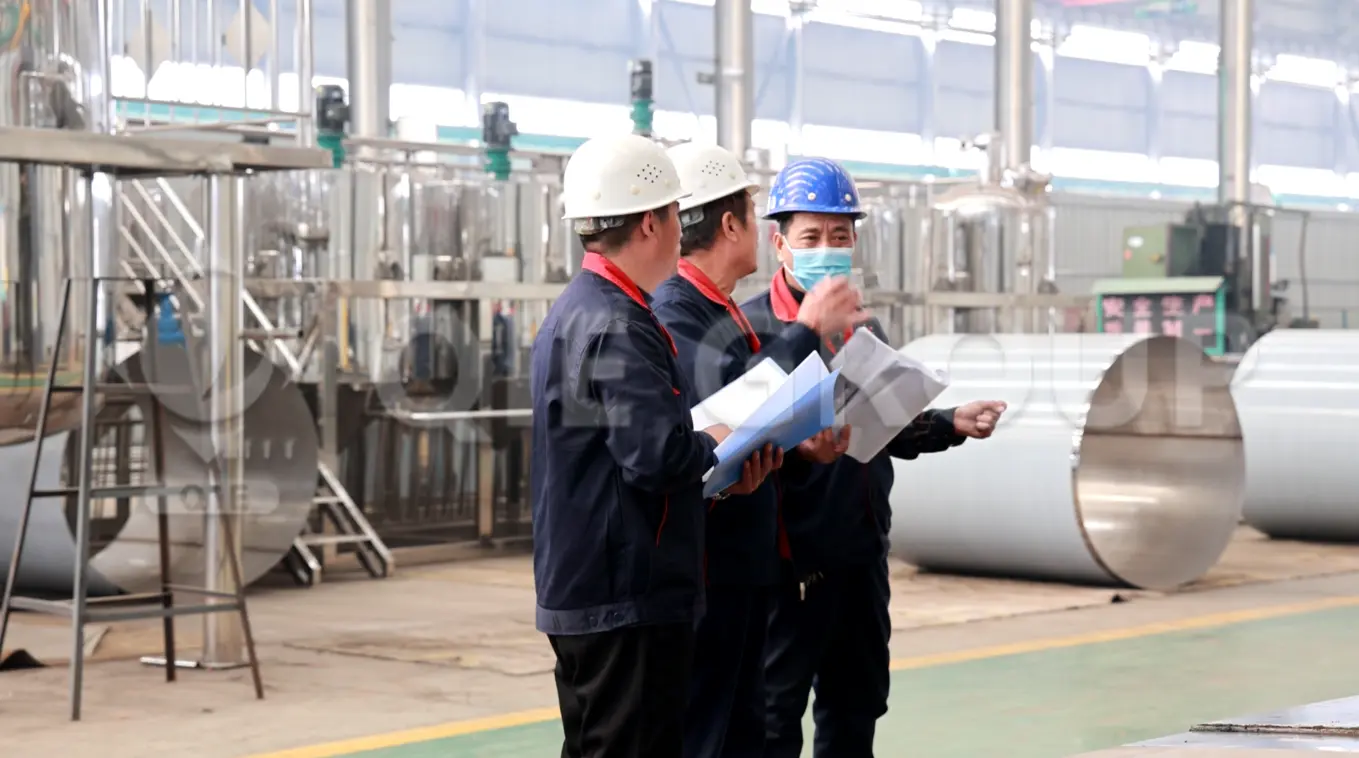
The edible oil industry is entering the era of intelligent manufacturing. From raw material pretreatment, oil extraction, refining to packaging, the production process is constantly transforming towards intelligence and automation.
Investing in an edible oil production line requires first clarifying production capacity targets, raw material types, and market positioning. During the project planning phase, QIE Group helps clients select the most suitable equipment combination and process flow through market research and capacity assessment, avoiding blind investment that leads to resource waste.
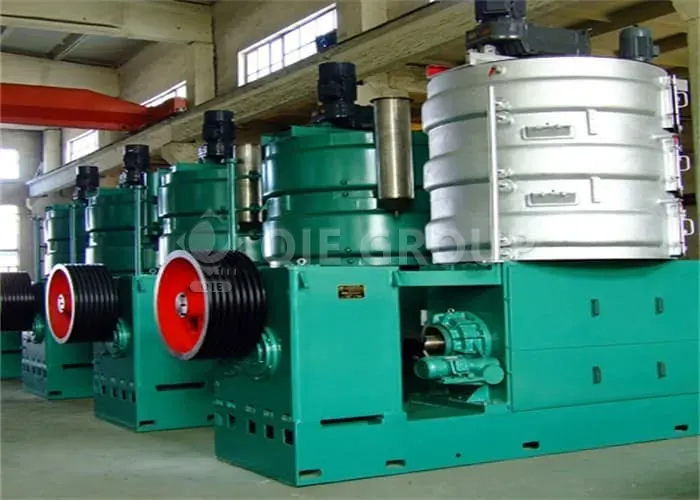
By employing intelligent equipment such as automated screw oil presses, refining towers, and dewaxing and deacidification systems, the entire process from raw material processing to finished product packaging can be automated. This improves production efficiency while ensuring product stability and hygiene, meeting stringent international food safety standards.
By rationally designing process flows and optimizing steam and solvent consumption, companies can not only reduce production costs but also achieve environmental compliance. Green and environmentally friendly production models are more competitive in export trade and can also gain policy support from governments and financial institutions.
For investors looking to enter the market quickly, turnkey projects offer a highly efficient investment model. QIE Group provides a full range of services, from process design and equipment selection to installation, commissioning, and personnel training, ensuring rapid production line launch, minimizing operational risks, and maximizing return on investment.
| Technical direction | Advantages | Market application trends |
|---|---|---|
| Intelligent control system | Precise monitoring of production parameters improves quality stability. | Preferred production lines for high-end edible oils and functional oils |
| Automated packaging equipment | Improve production line efficiency and shorten delivery time | Meeting large-scale and diversified packaging needs |
| Energy-saving and environmentally friendly processes | Reduce energy consumption and waste emissions, and comply with regulatory requirements. | Green and environmentally friendly edible oil production has become the mainstream. |
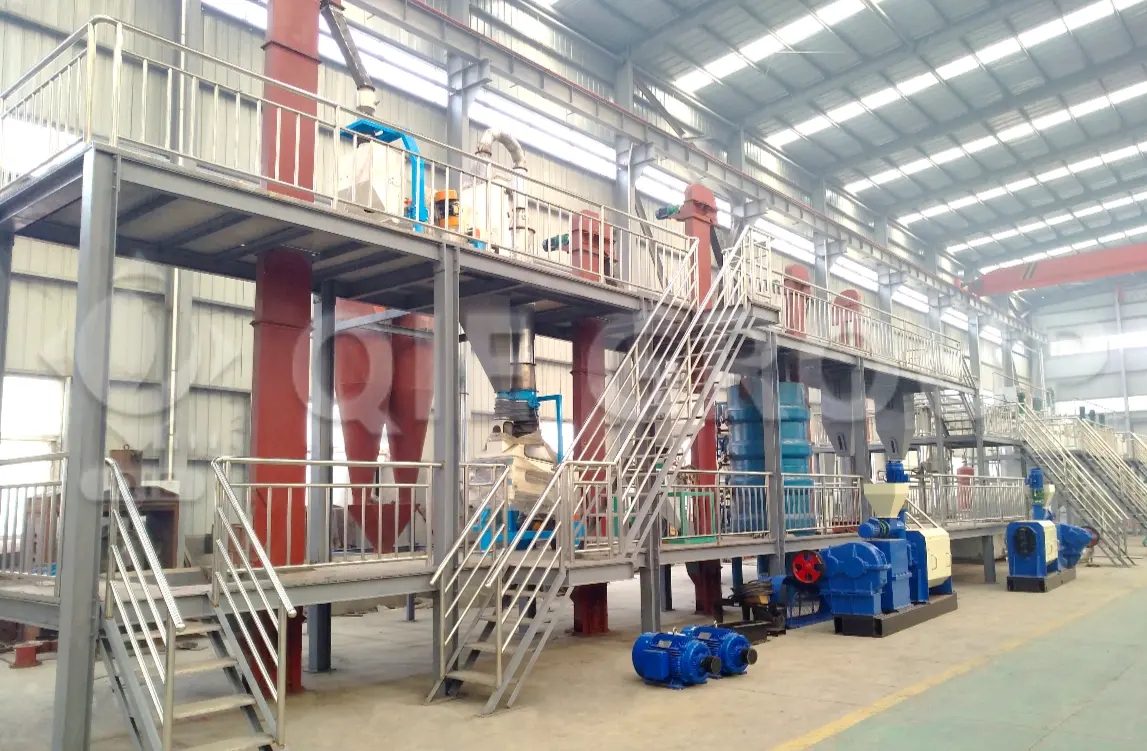
Optimize raw material procurement : Selecting raw materials with stable quality and high oil content helps to improve oil yield and product quality.
Regular equipment maintenance : extends equipment lifespan and reduces economic losses caused by unexpected downtime.
Strict quality management : Implement full-process quality monitoring, from raw material acceptance to finished product inspection, to ensure oil quality and food safety.
Market trend tracking : Pay attention to changes in consumer preferences and international market demand, and adjust product structure and process flow in a timely manner.
Facing a complex and ever-changing market environment and technological requirements, QIE Group, leveraging its years of industry experience and professional team, provides clients with end-to-end services, from market trend analysis to production line solution design. By introducing advanced automated and intelligent equipment, we help factories achieve efficient production, reduce operating costs, and meet green environmental standards. Our turnkey projects cover precise equipment selection, capacity planning, installation, commissioning, and post-construction maintenance, ensuring smooth project implementation and stable operation.
The edible oil industry is at a critical juncture of transformation and upgrading. Emerging consumer concepts are creating new demands, and technological innovation is driving a production revolution. Against this backdrop, accurately understanding market trends and utilizing intelligent automation and energy-saving equipment have become essential for winning in the market.
Whether you are an entrepreneur investing in an edible oil production line for the first time or a company seeking technological upgrades, choosing a partner with extensive engineering experience and the ability to tailor solutions will greatly reduce risk and increase return on capital.
 edible oil plant edible oil processing plant edible oil refinery equipment oil mill EPC project complete oil processing plant oil extraction machine manufacturer
Palm fruit oil pressing equipment Palm kernel oil pressing equipment Palm oil processing production line Palm Kernel Oil Press Palm Oil Mill Equipment Supplier
sesame oil production line sesame oil refining plant small scale sesame oil expeller sesame oil processing plant sesame oil press machine sesame oil mill plant
Rapeseed Oil Refining Machine Rapeseed oil processing plant refining equipment Rapeseed oil 50 tons per day refiner Rapeseed oil cold pressing oil refining equipment Rapeseed oil deacidification and deodorization equipment
20 tons/day edible oil production line price Edible Oil Factory Cost Oil press price 20 tons oil press per day Edible oil processing plant
edible oil plant edible oil processing plant edible oil refinery equipment oil mill EPC project complete oil processing plant oil extraction machine manufacturer
Palm fruit oil pressing equipment Palm kernel oil pressing equipment Palm oil processing production line Palm Kernel Oil Press Palm Oil Mill Equipment Supplier
sesame oil production line sesame oil refining plant small scale sesame oil expeller sesame oil processing plant sesame oil press machine sesame oil mill plant
Rapeseed Oil Refining Machine Rapeseed oil processing plant refining equipment Rapeseed oil 50 tons per day refiner Rapeseed oil cold pressing oil refining equipment Rapeseed oil deacidification and deodorization equipment
20 tons/day edible oil production line price Edible Oil Factory Cost Oil press price 20 tons oil press per day Edible oil processing plant


.webp?x-oss-process=image/resize,h_800,m_lfit/format,webp)





.png?x-oss-process=image/resize,h_100,m_lfit/format,webp)
.png?x-oss-process=image/resize,h_100,m_lfit/format,webp)
.png?x-oss-process=image/resize,h_100,m_lfit/format,webp)