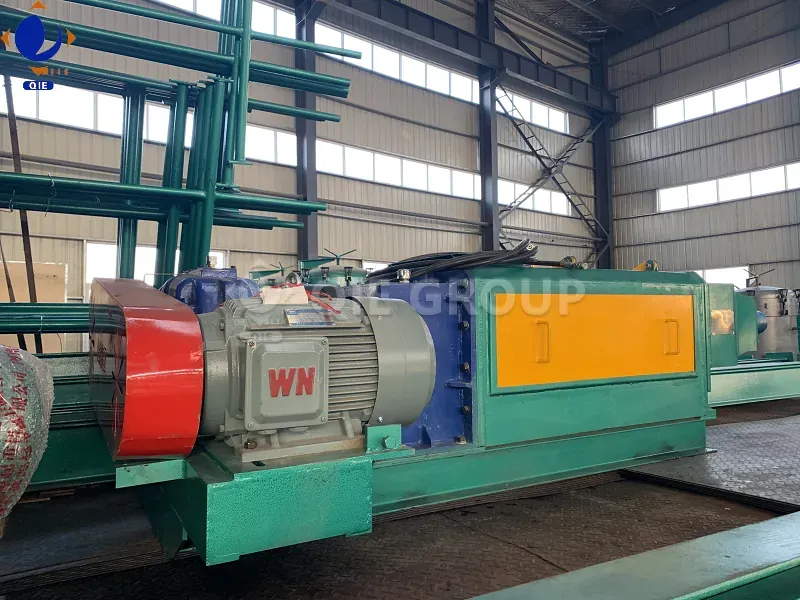
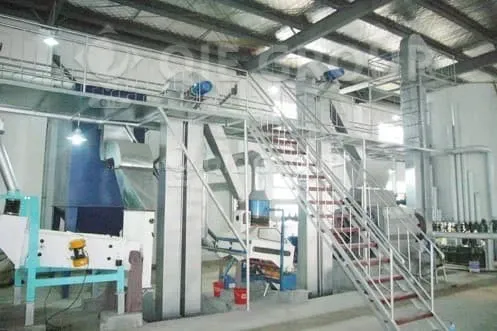
Corn germ, as a core byproduct of corn deep processing, typically has an oil content of 18%–25%. In industrial production, the key to measuring the success of a project lies in how to achieve high oil yield, low energy consumption, and long-term stable operation while ensuring oil quality (especially low-temperature transparency).
Based on QIE Group's experience in multiple national EPC projects in Southeast Asia, Africa, and Central Asia, this article systematically analyzes the process route selection, key equipment configuration, energy consumption control, and investment logic for corn germ oil.
The extraction of corn germ oil is not a simple "oil pressing" process, but a complex system engineering project.
Pretreatment → Pre-pressing → solvent extraction (for large-scale applications) → Refining (including core dewaxing section)
At the initial planning stage, the path selection must be based on the following table: 👉 ( Corn germ oil pressing method vs. pre-pressing-extraction method )
| index | Full pressing process | Pre-pressing + leaching combined process |
| Recommended production capacity | ≤ 100 TPD | > 100 TPD |
| Residual oil content in cake | 6% - 8% | ≤ 0.5% |
| Grease loss | Higher (approximately 5% more oil loss per ton of material) | Extremely low (fully squeezed out) |
| initial investment | Lower cost, suitable for startup projects | Higher cost, but faster payback period. |
| Automation level | Manual/Semi-automatic | Fully integrated PLC monitoring |
Pretreatment not only affects the oil yield, but also directly determines the leaching efficiency and equipment lifespan.
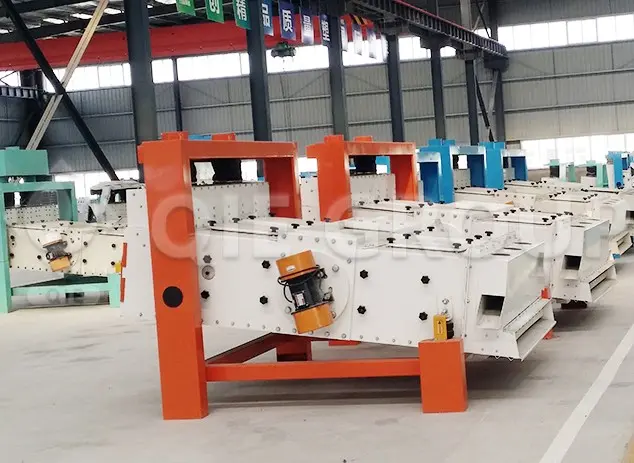
Equipment: Vibrating screen, flat rotary screen, high-intensity magnetic separator.
Engineering experience: If cleaning is not thorough, residual starch and fiber will generate a large amount of powder during billet rolling. Powder entering the leaching tank will reduce the permeability of the material bed, decrease solvent penetration efficiency, and consequently increase the residual oil content.
Specifications: Moisture content 10%–12%, temperature around 80℃.
Essentially, it alters the structure of the germ tissue to improve plasticity.
QIE Group advises: For germ separated by dry process, softening is particularly important, as it can effectively prevent "pulverization" during billet rolling.
Thickness control: 0.3–0.5 mm.
Logic: If it is too thick, the solvent cannot penetrate the germ cells; if it is too thin, the powder density will exceed the standard, resulting in increased solvent loss.
Parameters: Temperature 105–110℃, Moisture 5%–7%.
Function: Thoroughly destroys cell structure, coagulates proteins, reduces oil viscosity, and creates optimal physical conditions for solvent extraction.
When the production capacity exceeds 100 TPD, leaching is the inevitable choice for maximizing profits.
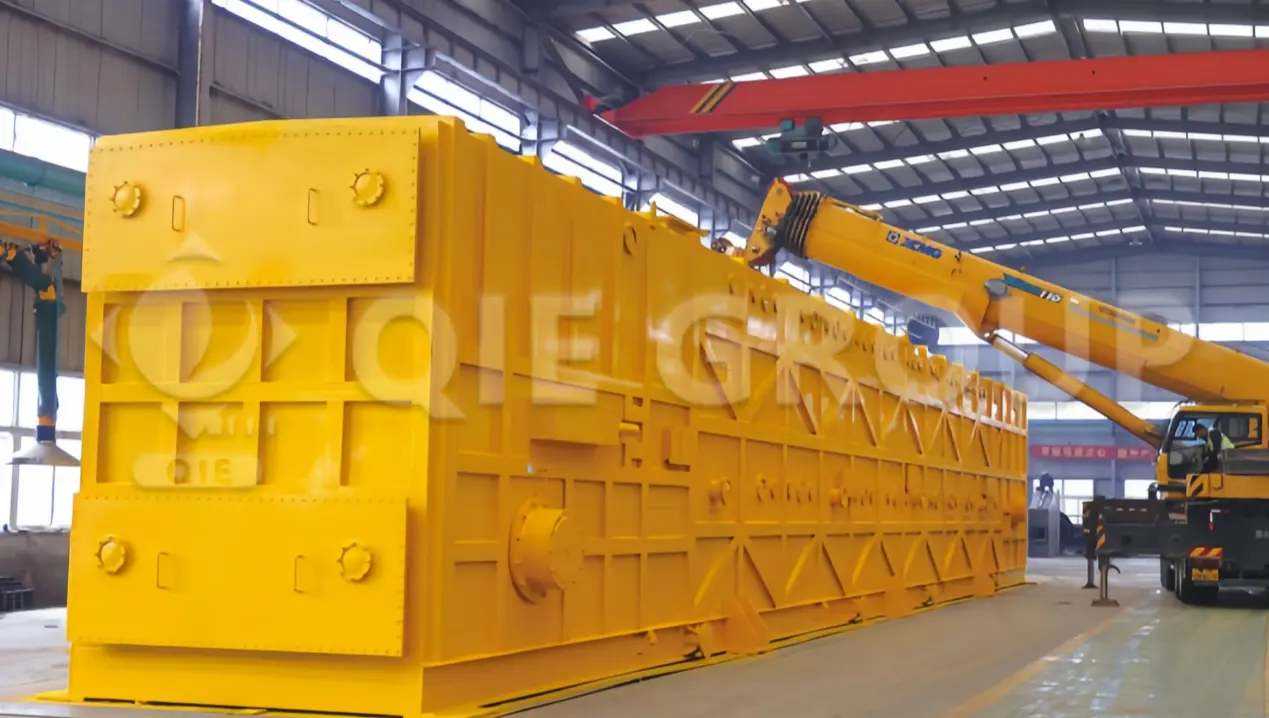
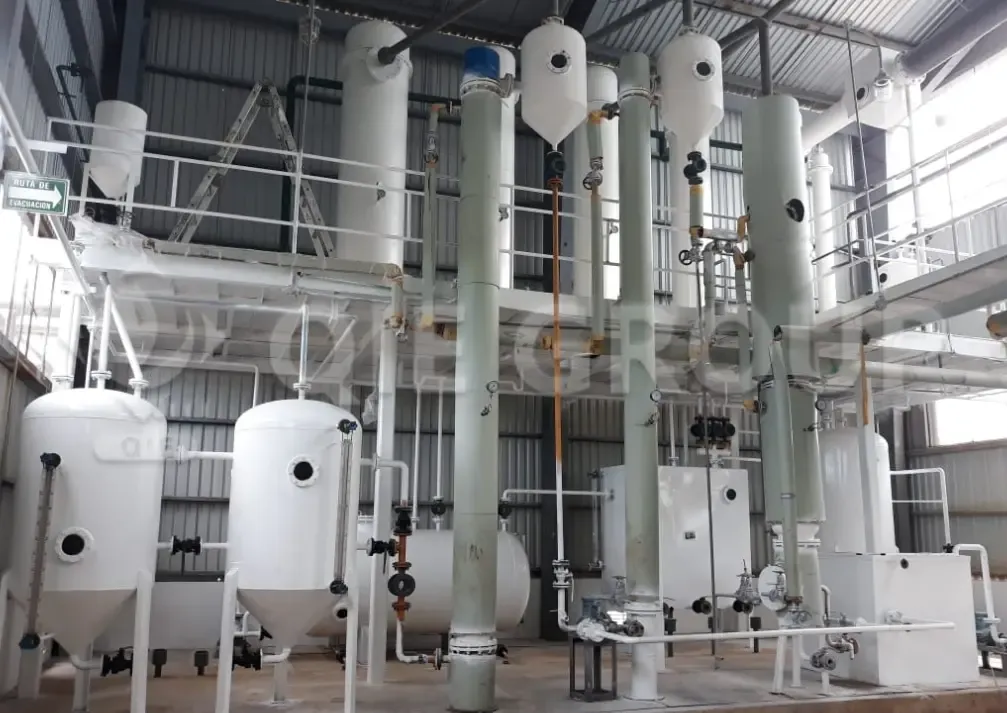
Equipment selection: We recommend using a drag chain extractor or a loop type extractor .
QIE technology advantages: It adopts negative pressure evaporation technology.
Corn germ oil naturally contains about 0.1%–0.4% wax. If it is not dewaxed, a white precipitate will form at low temperatures, resulting in poor transparency and directly downgrading it to a low-end oil.
Process route: Cooling and crystallization → Crystal growth → Filtration.
Cooling curve: The cooling rate must be strictly followed at 0.5–1℃/h.
Crystal growth time: Maintain for 6–12 hours to ensure large crystals, which will facilitate subsequent filtration.
Engineering details: Rapid cooling can cause crystals to become as fine as smoke, making them extremely difficult to filter and causing the oil to become cloudy.
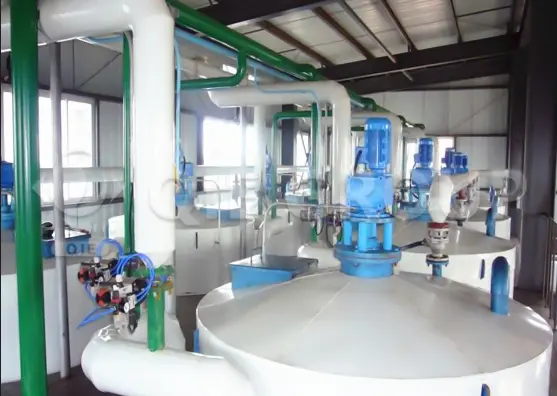
Equipment costs: Approximately 55%.
Installation, automation, and steel structures: Approximately 25%.
Civil engineering and utilities: Approximately 20%.
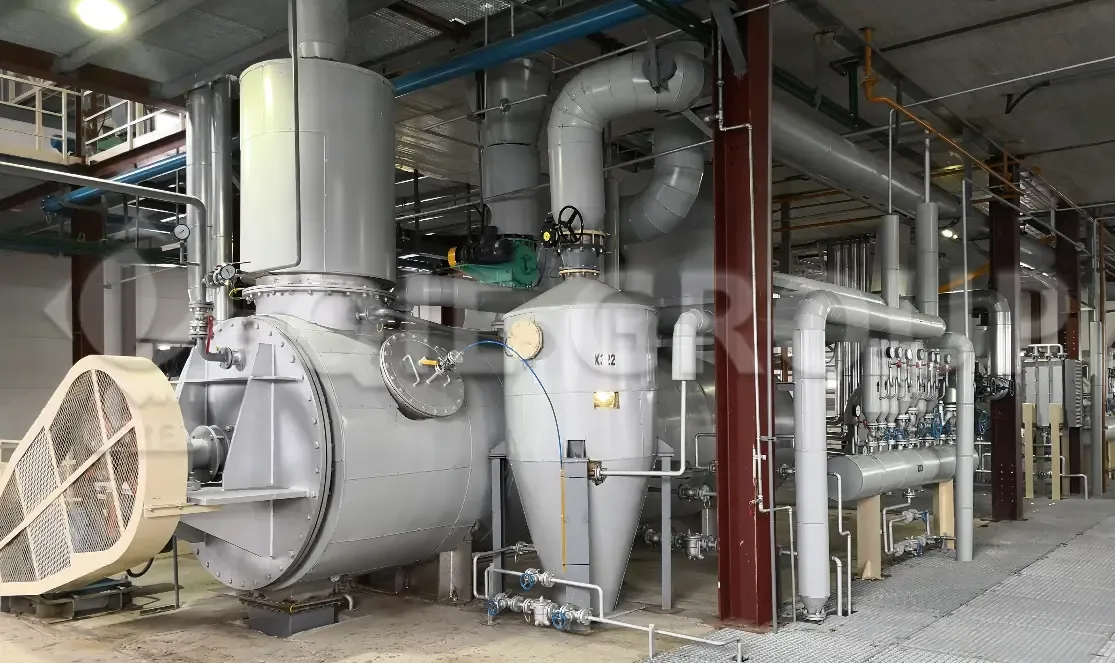
In actual engineering, "equipment assembly" is not the same as "production line".
Material balance: We ensure that the front-end pre-processing capacity is precisely matched with the back-end refining capacity to avoid "over-engineering" or capacity bottlenecks.
Energy recovery: The integrated waste heat utilization system reduces the overall energy consumption per ton of refined oil by 10-15%.
Startups/small-scale operations (≤100TPD): Full crushing is preferred due to its low investment risk and ease of operation.
Large-scale/export markets (>100 TPD): Pre-pressing + leaching must be used.
Quality red line: Regardless of size, if targeting the supermarket terminal market, the dewaxing system is indispensable.
A: Based on an oil content of 18%–25%, using a pre-pressing-extraction process, after deducting losses, approximately 170–240 kg of first-grade finished oil can be produced.
A: Completely safe. In a professional, closed system, the solvent (usually n-hexane) is completely removed by high temperature, and the residue remains within the national safety standard range.
A: Assuming a stable supply of raw materials, the pressing line will take about 1–2 years, and the large-scale leaching line will take about 2–4 years.
In practical engineering, the choice of process route not only affects the oil yield but also directly determines the long-term profitability and return on investment cycle of the project. A reasonable equipment configuration and process design can often significantly improve returns under the same raw material conditions.
👉 We welcome your discussions regarding raw material availability, production capacity planning, or investment budget. We can provide you with more targeted process suggestions and solutions.
 edible oil plant edible oil processing plant edible oil refinery equipment oil mill EPC project complete oil processing plant oil extraction machine manufacturer
rice bran oil processing rice bran oil production rice bran oil plant oil extraction turnkey solution
edible oil processing oil extraction process pressing vs solvent extraction oilseed processing plant soybean oil extraction sunflower oil processing
Hot-pressed sesame oil Sesame oil yield Sesame oil production process Energy-saving and efficiency-enhancing equipment Aroma Enhancement Solution
Intelligent oil processing Green Edible Oil Production Energy-saving solutions for oil plants Intelligent data monitoring Oil processing equipment
edible oil plant edible oil processing plant edible oil refinery equipment oil mill EPC project complete oil processing plant oil extraction machine manufacturer
rice bran oil processing rice bran oil production rice bran oil plant oil extraction turnkey solution
edible oil processing oil extraction process pressing vs solvent extraction oilseed processing plant soybean oil extraction sunflower oil processing
Hot-pressed sesame oil Sesame oil yield Sesame oil production process Energy-saving and efficiency-enhancing equipment Aroma Enhancement Solution
Intelligent oil processing Green Edible Oil Production Energy-saving solutions for oil plants Intelligent data monitoring Oil processing equipment






.png?x-oss-process=image/resize,h_100,m_lfit/format,webp)
.png?x-oss-process=image/resize,h_100,m_lfit/format,webp)
.png?x-oss-process=image/resize,h_100,m_lfit/format,webp)