How much does it cost to build a copra oil production plant? There is no single price that applies to every project. The total investment depends mainly on processing capacity, process route, refining requirements, equipment configuration, automation, utilities, storage, civil works, environmental and safety systems, site conditions, and the supplier's project scope.
A copra oil plant may be designed as a full pressing plant, a pre-press + solvent extraction plant, or an integrated plant that also includes oil refining. These configurations can have very different capital requirements.
Therefore, the most reliable way to estimate the cost is not to start with the equipment price alone, but to define the complete project scope and process route first.
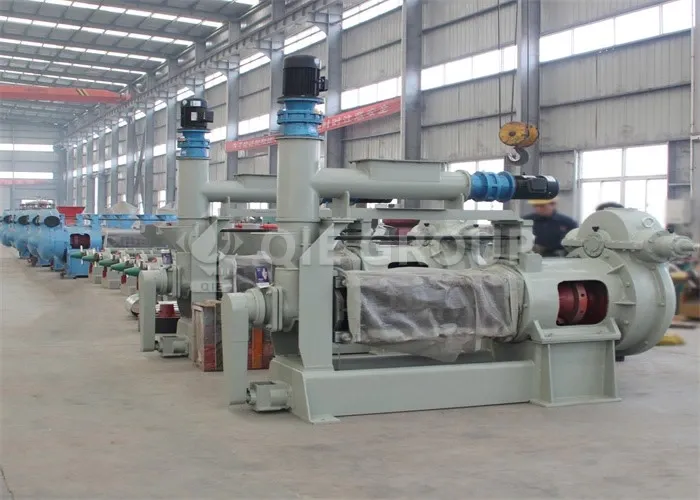
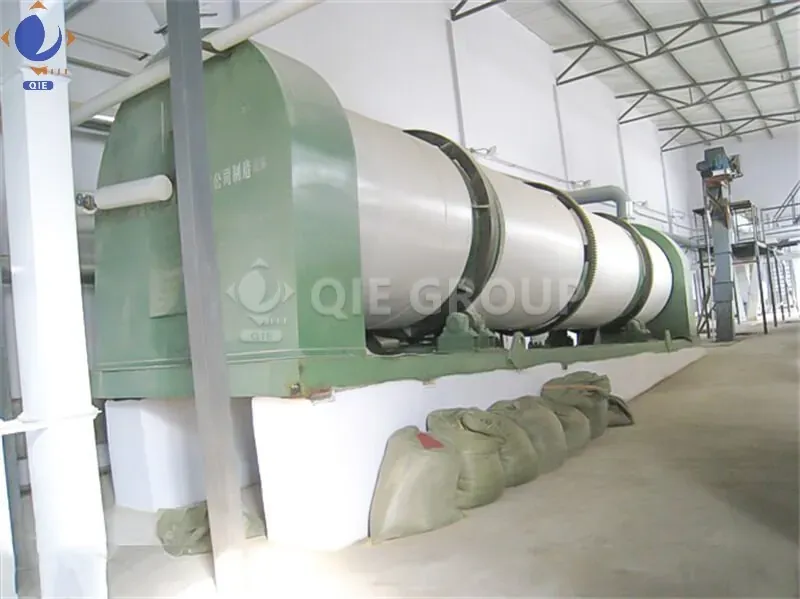
Copra is dried coconut kernel used as a raw material for oil production. A typical copra oil processing system may include:
The process route depends on the required capacity, target product, raw material characteristics, and investment strategy.
For example, QIE's copra processing solution identifies full pressing for small- and medium-scale production and pre-press + solvent extraction for larger-scale production where higher overall oil recovery is required.
The following factors mainly determine the total project investment.
Plant capacity is one of the first cost drivers.
A small plant generally requires fewer and smaller machines, while larger plants require greater processing, storage, utility, and automation capacity. Larger projects may benefit from economies of scale, but higher automation, storage capacity, and utility requirements can also increase the total investment.
Therefore, capacity alone cannot determine the plant price.
The supplier should first confirm what the stated TPD means—for example, tons of copra processed per day—and the planned operating schedule.
The selected extraction route can significantly affect CAPEX and operating complexity.
| Process Route | Relative CAPEX | Oil Recovery | Complexity | Typical Application |
|---|---|---|---|---|
| Full Mechanical Pressing | Lower | Lower | Lower | Small/medium plants or crude oil production |
| Pre-press + Solvent Extraction | Higher | Higher | Higher | Larger plants seeking higher oil recovery |
| Pressing + Refining | Higher | Depends on pressing route | Medium–High | Production of refined edible oil |
| Pre-press + Extraction + Refining | Highest among these configurations | Higher | Highest | Integrated large-scale production |
A pressing-only plant does not require the extractor, solvent recovery, and desolventizing systems used in solvent extraction.
In a pre-press + solvent extraction system, the pre-pressing section first removes a substantial portion of the oil, and the remaining oil in the press cake is recovered through solvent extraction. The uploaded process specification gives an indicative pre-press oil extraction of 25–30%, with pre-press cake residual oil of 12–18%, while the subsequent extraction section is designed for a residual oil level of ≤0.7% under the specified process conditions.
These figures should be treated as process reference values rather than guaranteed results for every copra feedstock. Actual performance depends on raw material quality and operating conditions.
Copra quality can influence both processing performance and project economics.
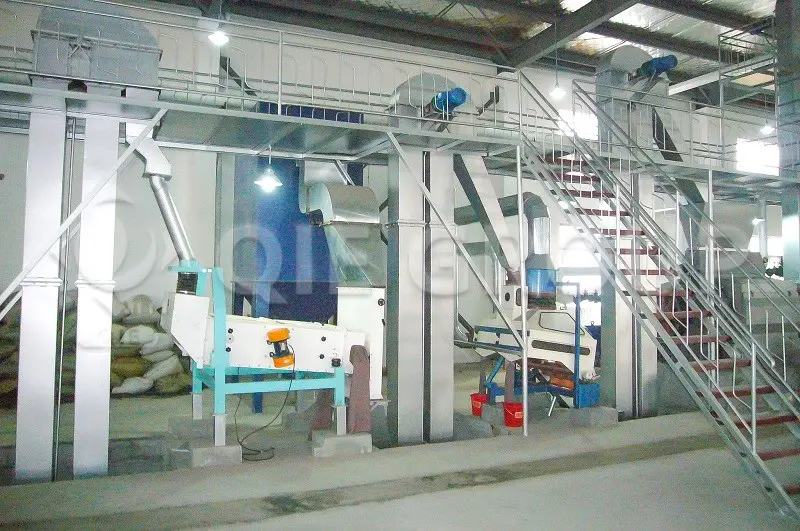
A typical pretreatment section may include:
The purpose is to remove foreign materials, reduce particle size, and prepare the material for efficient oil release.
According to the supplied process data, copra may be crushed to approximately 4–6 mm before flaking, and the flaking process reduces the material to approximately 0.3–0.5 mm to improve heat and moisture penetration and facilitate subsequent pressing or extraction.
The actual settings should be determined through process design and raw-material testing rather than treated as universal operating specifications.
A key question is whether the plant will sell crude copra oil or produce refined coconut oil.
The plant may stop after:
Pretreatment → Pressing/Solvent Extraction → Crude Oil Filtration and Storage
A separate refining section is not necessarily required.
A refining section must be added. Depending on crude oil characteristics and the selected refining technology, this may include:
The supplied copra process document identifies both physical refining and alkali refining as possible approaches for deacidification, rather than treating one route as universally mandatory. It also describes bleaching and deodorization as subsequent refining operations.
This means refining cost should be evaluated according to crude oil quality, target product specification, and selected refining process.
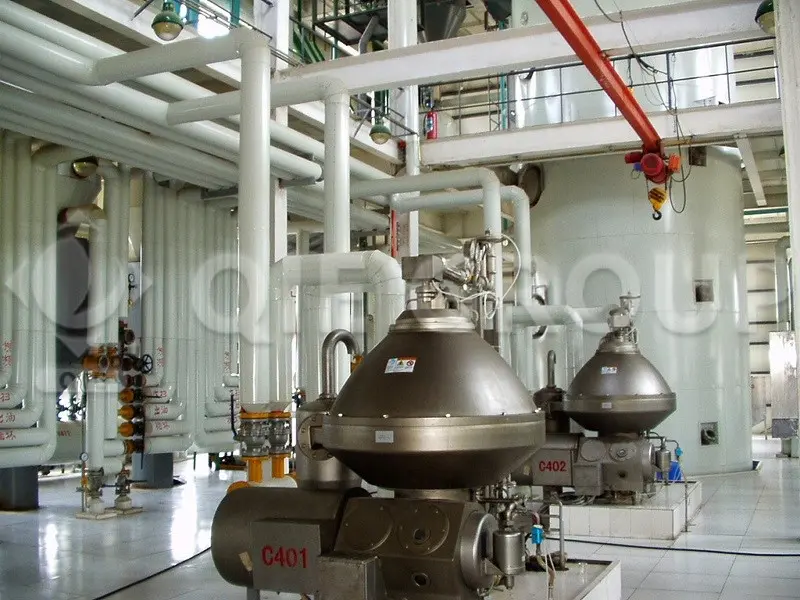
Equipment cost depends not only on machine quantity but also on:
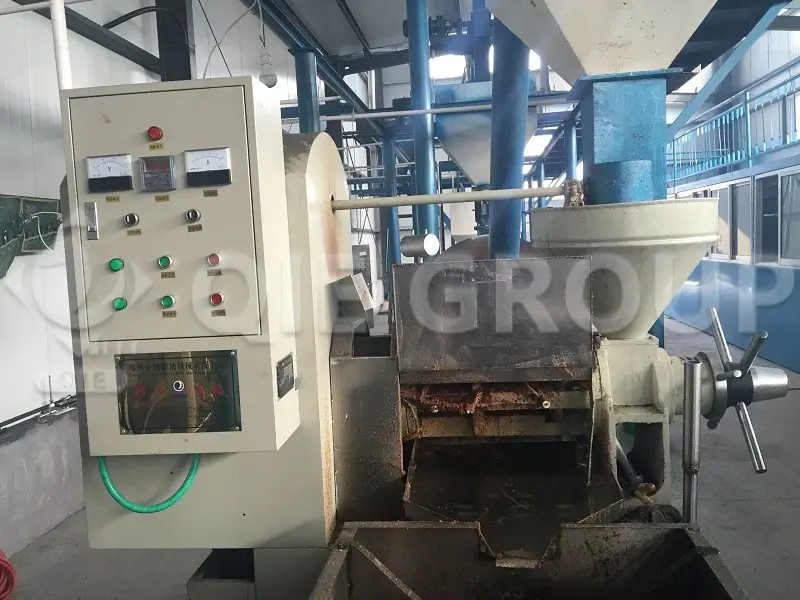
For a pressing plant, the main process equipment may include crushers, flakers, cookers, screw presses, crude oil filtration equipment, and storage tanks.
For pre-press + solvent extraction, additional systems such as an extractor, evaporation system, desolventizer, and solvent handling/recovery equipment are required. The supplied process design specifically identifies the extractor, evaporation system, and DTDC desolventizer as core equipment in this route.
The higher equipment scope is one reason why solvent extraction projects generally require more capital and more sophisticated operation than pressing-only plants.
One of the most important points when comparing quotations is that equipment price is not necessarily the same as total project investment.
A preliminary project budget may include:
| Cost Item | Typical Scope |
|---|---|
| Process Equipment | Pretreatment, pressing, extraction and/or refining |
| Electrical & Automation | Motors, control panels, PLC, instrumentation |
| Utilities | Steam, power, water, cooling and compressed air systems where required |
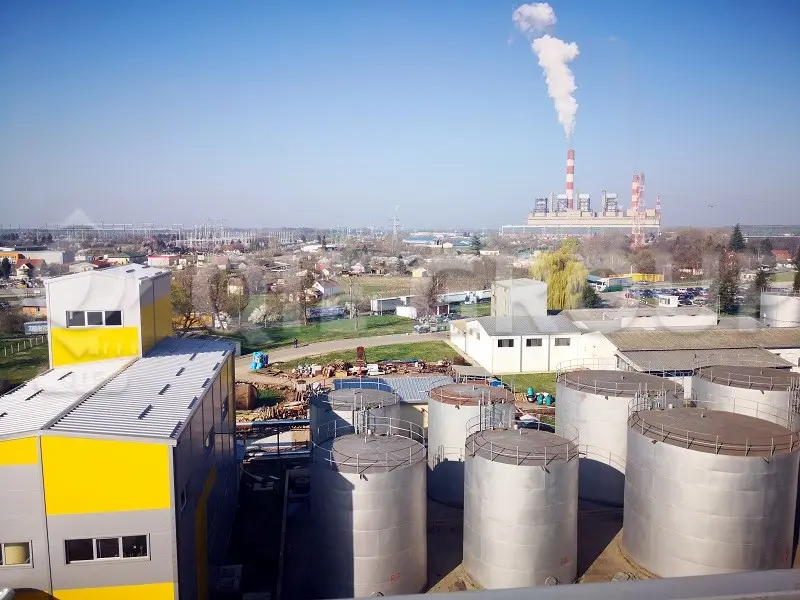
| Storage | Copra storage, crude oil, refined oil and meal storage |
| Installation | Mechanical installation, piping and related site work |
| Civil Works | Buildings, equipment foundations, warehouses and related construction |
| Engineering | Process design, layout, P&IDs and engineering documentation |
| Environmental & Safety | Systems required by the selected process and local regulations |
| Transportation | Equipment freight and local logistics, depending on quotation scope |
| Commissioning | Installation supervision, testing and startup support |
| Working Capital | Raw material purchasing, inventory and operating cash requirements |
The exact scope varies between suppliers. One quotation may cover only the main process equipment, while another may include engineering, electrical systems, installation supervision, commissioning and training.
Always compare quotations based on scope, not only on the equipment price.
There is no universal answer.
Advantages:
The supplied process data indicates that pressing can produce a flavorful crude oil, while press cake residual oil may typically be around 6–8% under the specified process conditions.
Advantages:
However, it requires additional extraction, solvent handling, evaporation, and desolventizing systems, together with appropriate safety and environmental controls.
Therefore, the correct question is not simply:
Which process has the lowest CAPEX?
It is:
Which process provides the best economic balance between investment, oil recovery, operating cost, product value, and plant capacity?
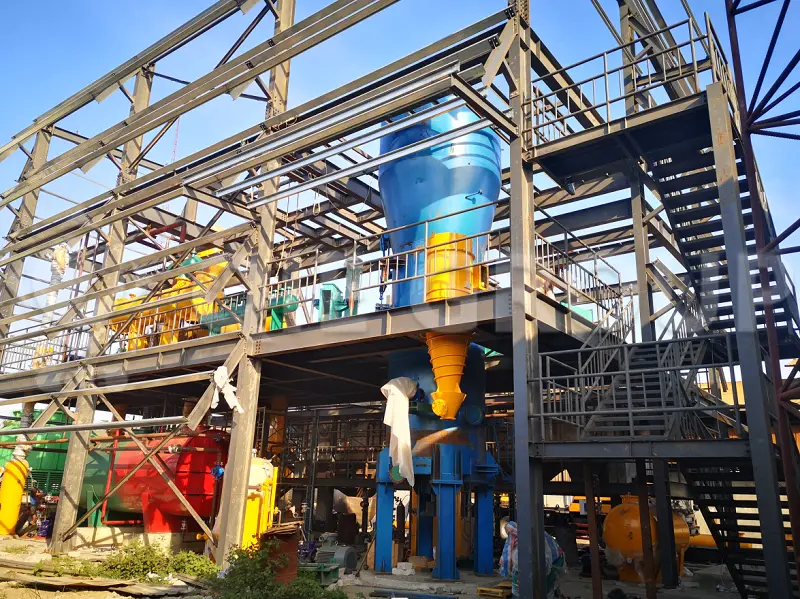
Capital expenditure includes the investment required to build and install the plant, such as:
Operating expenditure includes recurring costs such as:
For a copra oil plant, raw material cost is often one of the most important economic variables. A higher oil recovery route may reduce oil remaining in the meal, but the additional capital and operating requirements must also be considered.
For this reason, plant profitability should not be judged from equipment price or oil yield alone.
To receive a meaningful project quotation, prepare the following information:
The more complete these project parameters are, the more useful and comparable the quotation will be.
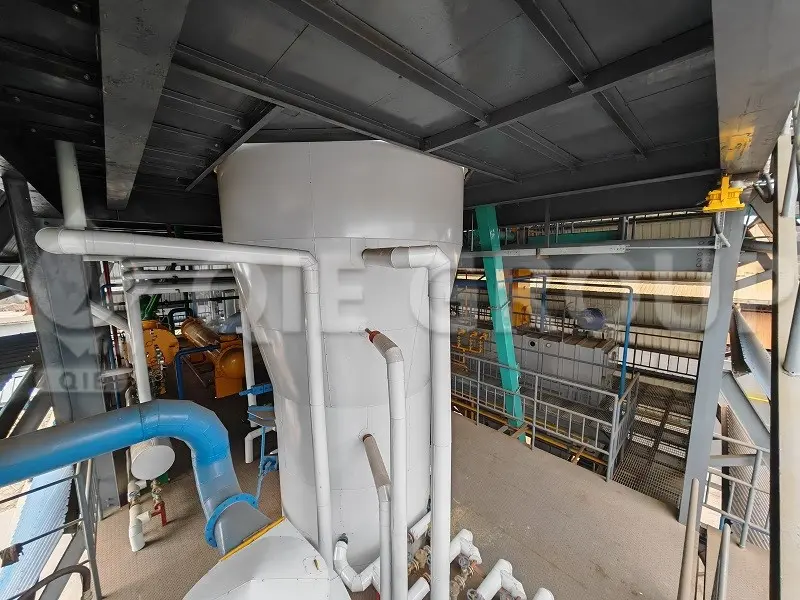
QIE provides equipment and engineering solutions for different copra oil processing configurations, including full pressing, pre-press + solvent extraction, and refining systems.
Depending on the project scope, support can include:
The appropriate solution should be determined from capacity, copra characteristics, target product, local utilities, site conditions, and investment objectives, rather than selecting equipment based only on the lowest initial quotation.
There is no universal price. Total investment depends mainly on capacity, process route, refining requirements, automation, utilities, storage, civil works, environmental systems, location, and quotation scope.
A pressing-only plant generally has a lower equipment scope and lower process complexity. Pre-press + solvent extraction requires additional equipment but can achieve higher overall oil recovery. The economically suitable option depends on plant scale, raw material cost, oil value, and operating conditions.
Not necessarily. A plant producing crude oil for further processing does not need an on-site refinery. If the project aims to produce refined edible coconut oil, a suitable refining section is required.
A pressing plant may include cleaning, crushing, flaking, cooking/conditioning, screw pressing, crude oil filtration and storage. A solvent extraction plant requires additional extraction and solvent-handling systems. Refining requires additional degumming, deacidification, bleaching, deodorization, and related equipment depending on the selected process.
Compare the complete scope, including process equipment, utilities, electrical and automation, storage, engineering, installation, transportation, commissioning, training, spare parts, and other site-related costs. A lower equipment price does not necessarily mean a lower total project investment.
The cost of building a copra oil production plant cannot be determined from capacity or equipment price alone.
The key cost drivers are:
For a smaller or simpler project, mechanical pressing may provide a more straightforward investment route. For larger projects where oil recovery is a major priority, pre-press + solvent extraction may be worth evaluating. If the target product is refined edible oil, the refining section must also be included in the project scope.
Before requesting a quotation, define your copra capacity, raw material characteristics, target product, process route, plant location, available utilities, and project scope.
With these parameters, QIE can evaluate the appropriate processing route and equipment configuration and develop a project-specific solution rather than applying a generic plant price.
Contact our engineering team today to receive a customized process design and a detailed, tailored budget calculation for your project.
Request a Customized Quotation soybean oil extraction process soybean oil solvent extraction plant low-temperature vs high-temperature extraction soybean meal DTDC system hexane solvent extraction engineering soybean pretreatment process
Palm kernel oil production equipment Palm Kernel Oil Processing Plant palm kernel oil production line Palm kernel oil pressing and refining palm kernel oil machine
olive pomace solvent extraction olive pomace oil processing turnkey edible oil plant olive pomace oil recovery edible oil EPC project
sesame oil production line sesame oil processing plant sesame oil pressing machine hot pressed sesame oil cold pressed sesame oil
Coconut oil production process Pressed coconut oil Coconut oil yield Coconut oil production line Coconut oil processing plant
soybean oil extraction process soybean oil solvent extraction plant low-temperature vs high-temperature extraction soybean meal DTDC system hexane solvent extraction engineering soybean pretreatment process
Palm kernel oil production equipment Palm Kernel Oil Processing Plant palm kernel oil production line Palm kernel oil pressing and refining palm kernel oil machine
olive pomace solvent extraction olive pomace oil processing turnkey edible oil plant olive pomace oil recovery edible oil EPC project
sesame oil production line sesame oil processing plant sesame oil pressing machine hot pressed sesame oil cold pressed sesame oil
Coconut oil production process Pressed coconut oil Coconut oil yield Coconut oil production line Coconut oil processing plant





.png?x-oss-process=image/resize,h_100,m_lfit/format,webp)
.png?x-oss-process=image/resize,h_100,m_lfit/format,webp)
.png?x-oss-process=image/resize,h_100,m_lfit/format,webp)