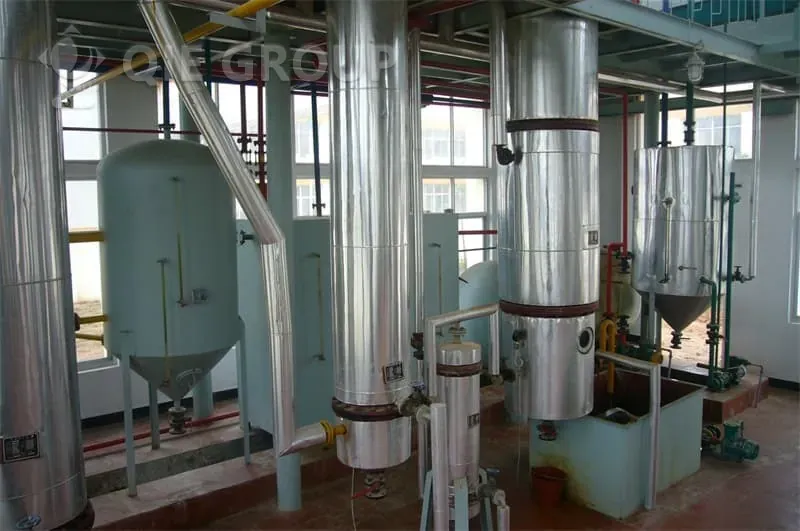
The global edible oil market continues to expand, with coconut oil maintaining strong market appeal due to stable demand in food, cosmetics, daily chemicals, health products, and biodiesel. According to a FAO report, the global coconut oil market is projected to exceed $6 billion by 2026.
For regions with coconut resources (such as Southeast Asia, Africa, and South America), building a mature Copra Oil Production Line can not only increase the added value of raw materials several times over, but also generate stable local processing profits. However, for investors, the core challenge lies in how to balance construction costs with long-term oil yield.
Copra oil is a vegetable oil extracted from dried coconut meat (Copra).
Processing steps: It needs to go through degumming, deacidification, decolorization, and deodorization (RBD process) to become edible oil that meets international standards.
Comparative advantages: Compared with VCO (virgin coconut oil), Copra Oil has higher production efficiency, lower cost, and larger market capacity, making it the preferred choice for industrialization and large-scale trade.
Process: Cleaning → Crushing (4-6mm) → Steaming/Stir-frying
Key technology: Moisture content is controlled at 5-7%. The QIE system provides precise temperature control, inhibiting aflatoxin and ensuring food safety.
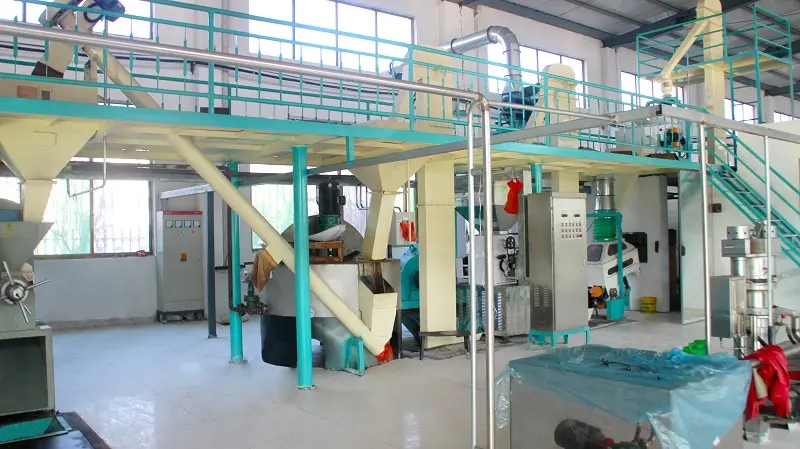
Principle: Screw oil press with physical pressure of 70-140MPa
Applications: Oil residue rate of 6%-8%. Suitable for small to medium scale operations, or as a pre-pressing step in solvent extraction.
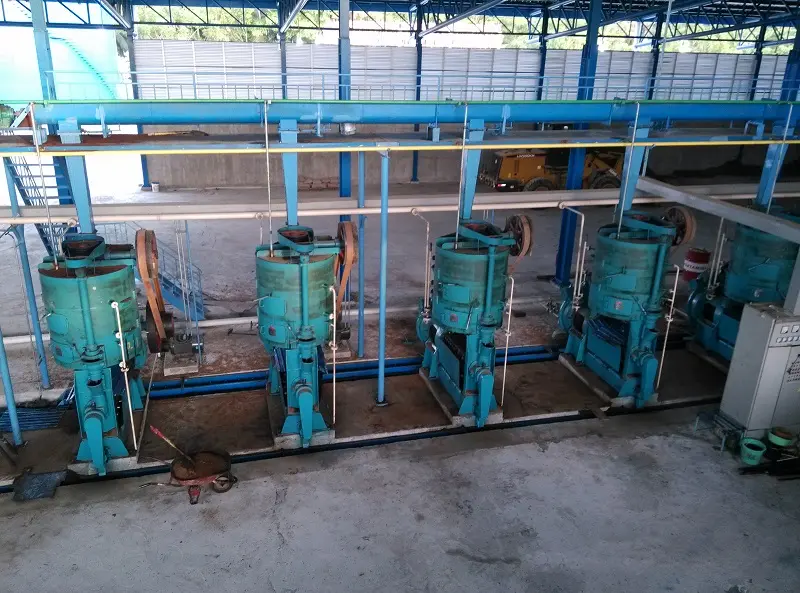
Principle: Countercurrent extraction with n-hexane
Advantages: Extremely high recovery rate, with residual oil in cake reduced to below 0.7%, maximizing profits.
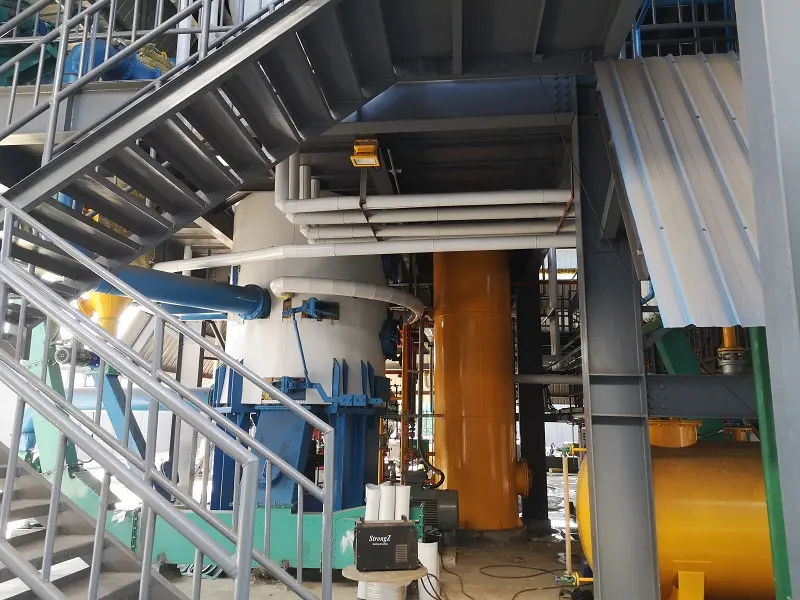
Process: Degumming → Deacidification → Decolorization → Deodorization
Significance: Improves oil stability, extends shelf life to over 12 months, and meets international trade standards.
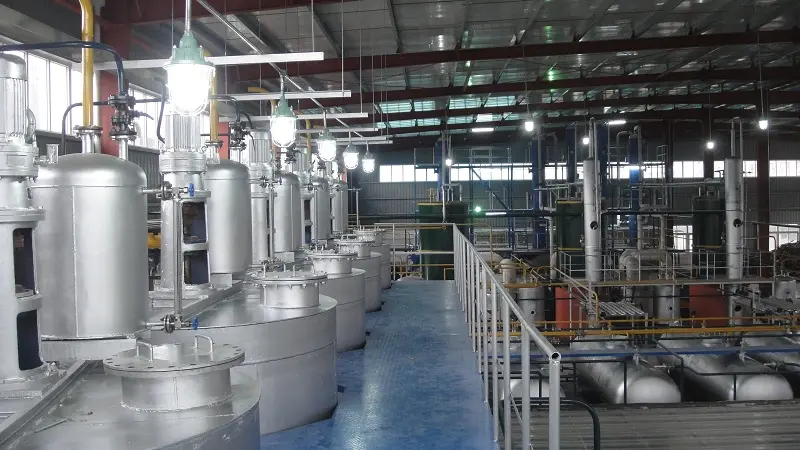
Improving extraction technology can yield an extra 1% of oil, which translates into pure profit under high-capacity production.
By adopting the QIE waste heat recovery system, steam consumption can be reduced by 10-15%.
Coconut meal can be used as animal feed, and coconut shells can be used to make activated carbon or as fuel.
First, build the pressing line to quickly capture the market, and then expand into solvent extraction and refining.
We reject a one-size-fits-all approach and instead tailor solutions to the specific characteristics of raw materials and factory space.
From 3D design and manufacturing to overseas installation and training, we provide full-cycle management.
With residual oil content consistently below 0.7%, you have a greater advantage in cost control.
Q: Why is my coconut oil so dark in color? Can the refining system completely solve this problem?
A: Coconut meat oxidizes and discolors very easily when dried. QIE's continuous decolorization and deodorization system, through physical refining and activated clay, perfectly removes pigments and odors, producing clear RBD coconut oil.
Q: What energy optimization suggestions are there for building a factory in an area with unstable power supply?
A: I suggest using coconut shells as boiler fuel. This not only handles waste but also reduces steam energy costs by 30%-50%.
Q: How often do the wear parts of a screw oil press need to be replaced?
A: With proper impurity removal and protection, our high-chromium alloy screw press can last for 4-6 months. We will also provide a 1-2 year spare parts package to ensure uninterrupted production.
Q: How much does the moisture content of dried coconut affect the pressing efficiency?
A: Extremely high. High moisture content makes the oil slippery, while low moisture content causes it to caramelize. The QIE Smart Steam Cooker ensures that the moisture content during pressing remains constant at 5%-7%, extracting every drop of oil.
 turnkey peanut oil processing plant peanut oil production line peanut oil pressing machine peanut oil refining plant peanut oil factory setup
edible oil processing oil extraction process pressing vs solvent extraction oilseed processing plant soybean oil extraction sunflower oil processing
Corn germ oil production process Corn oil processing equipment Corn oil production line Corn oil refining process Corn oil dewaxing technology Investment in edible oil production lines
Sunflower oil processing edible oil plant 1000TPD oil mill oil refining pressing and solvent extraction
Vegetable oil processing industry Edible oil processing technology Vegetable oil refining trend Oil processing plant design Oil refinery automation Edible oil turnkey project Oil extraction and refining
turnkey peanut oil processing plant peanut oil production line peanut oil pressing machine peanut oil refining plant peanut oil factory setup
edible oil processing oil extraction process pressing vs solvent extraction oilseed processing plant soybean oil extraction sunflower oil processing
Corn germ oil production process Corn oil processing equipment Corn oil production line Corn oil refining process Corn oil dewaxing technology Investment in edible oil production lines
Sunflower oil processing edible oil plant 1000TPD oil mill oil refining pressing and solvent extraction
Vegetable oil processing industry Edible oil processing technology Vegetable oil refining trend Oil processing plant design Oil refinery automation Edible oil turnkey project Oil extraction and refining


.png?x-oss-process=image/resize,h_100,m_lfit/format,webp)
.png?x-oss-process=image/resize,h_100,m_lfit/format,webp)
.png?x-oss-process=image/resize,h_100,m_lfit/format,webp)