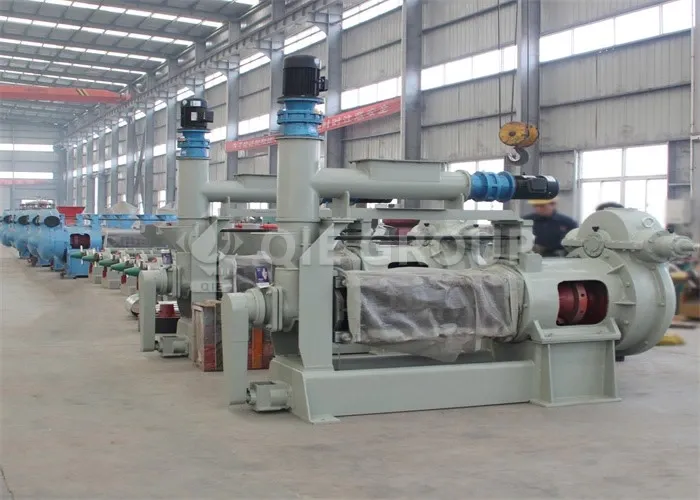
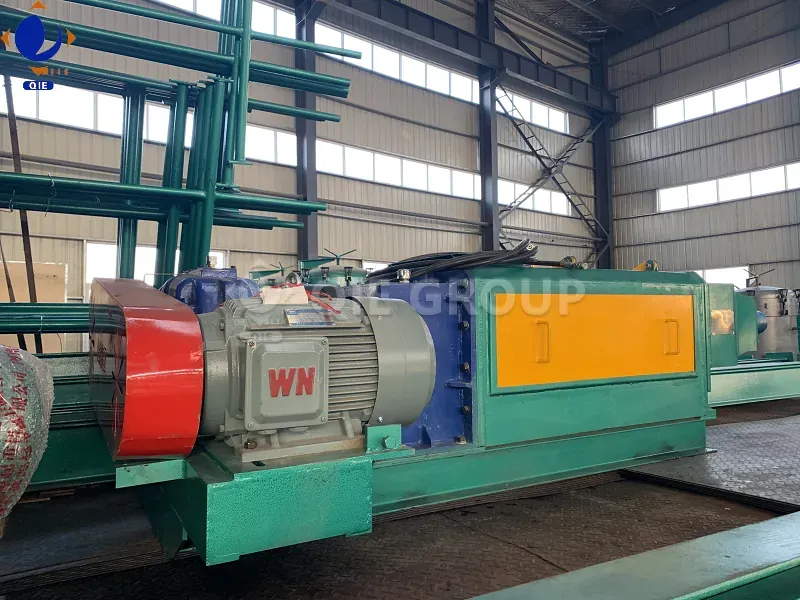
Copra oil (also known as coconut oil) is a natural, stable, and versatile vegetable oil widely used in the food, daily chemical, pharmaceutical, and industrial sectors. With the continued growth in international demand for high-quality refined coconut oil, investing in an efficient, energy-saving, and automated copra oil production line has become a strategic choice for many oil processing companies.
So, how can dried coconut meat be efficiently converted into high-quality coconut oil? This depends not only on high-quality raw materials, but more importantly on a systematic processing technology design. Today, we'll delve into this scientific journey "from coconut to oil."
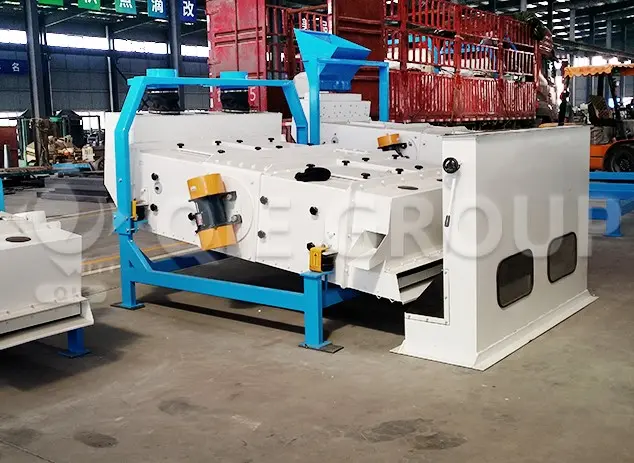
The first step in producing high-quality copra oil is the scientific processing of raw materials. The ideal moisture content for copra is between 7% and 10%; too high a moisture content makes it prone to mold, while too low a moisture content affects the oil yield.
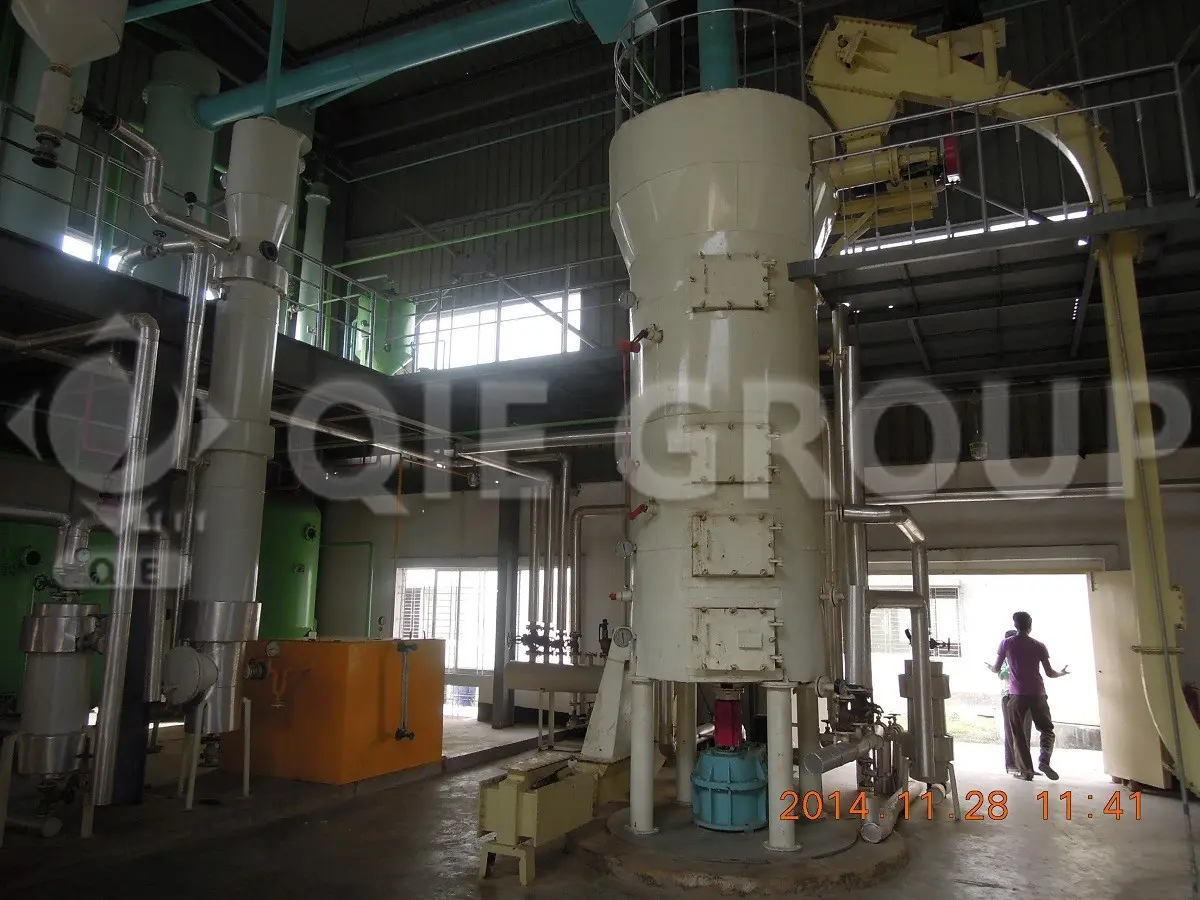
Many customers mistakenly believe that "refining = destroying nutrients," but that is not the case! QIE Group uses a fully continuous physical refining process with no chemical additives throughout, which preserves the natural stability of coconut oil and meets European and American food safety standards.
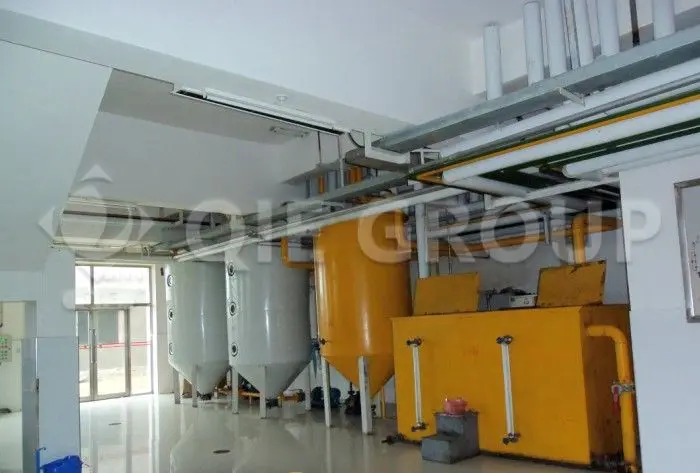
Different processes determine the positioning and value of the final product. Let us help you clarify your thinking:
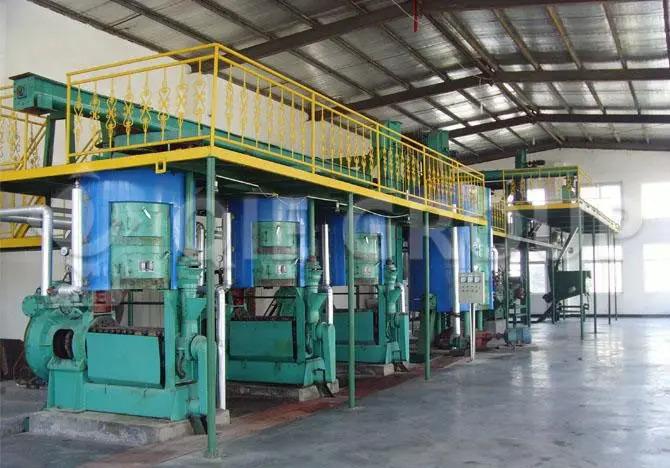
As a manufacturer of copra pressing machines and coconut oil refining equipment with over 40 years of industry experience, we always focus on technological innovation and customer value, providing efficient, energy-saving, and safe production line solutions for customers worldwide.
Q1: How to increase the oil yield of copra oil?
It is recommended to use a combination of "pre-pressing + solvent extraction" process, which can reduce the residual oil content of the oil cake to below 0.8%. At the same time, controlling the moisture content of the copra at 7%–10% and optimizing the steaming and roasting temperature and pressing pressure can significantly improve the oil yield.
Q2: What are the key steps in refining copra oil?
The main steps include degumming, deacidification, decolorization, and deodorization to ensure that the product has a clear color, no odor, and high stability.
Q3: Is physical refining more expensive than chemical refining?
Physical refining requires a slightly higher initial investment, but has lower long-term operating costs, no wastewater treatment fees, less oil loss, and better overall economic benefits.
Q4: Can QIE Group's production lines be customized?
We can provide full-process customization from 10 tons/day to 3000 tons/day, including process design, equipment selection and plant layout, to meet the investment and capacity needs of different customers.
Whether you're building a brand-new copra oil extraction and refining plant or upgrading and expanding existing equipment, QIE Group can tailor the best solution for you. Our engineering team will be involved throughout the entire process, from process design to installation, commissioning, and personnel training, providing a one-stop solution to all your problems.
Contact us now for solutions for copra oil extraction and refining production lines to improve oil quality and production efficiency! → Edible oil processing plant Edible oil production line Edible oil refining equipment Oil Press Solvent extraction plant Oil refinery turnkey project Edible oil factory construction
rapeseed oil processing plant rapeseed oil production line edible oil equipment rapeseed oil refining equipment rapeseed oil press machine
peanut oil production line peanut oil press machine peanut oil processing plant groundnut oil refining equipment profitable peanut oil business peanut oil refining machine
Sunflower oil extraction process Efficient oil production equipment Oil refining production line Pre-pressing and leaching process Vegetable oil production equipment Sunflower oil production line
Edible oil processing plant Turnkey edible oil factory Vegetable oil production line Edible oil refining equipment Edible Oil Factory
Edible oil processing plant Edible oil production line Edible oil refining equipment Oil Press Solvent extraction plant Oil refinery turnkey project Edible oil factory construction
rapeseed oil processing plant rapeseed oil production line edible oil equipment rapeseed oil refining equipment rapeseed oil press machine
peanut oil production line peanut oil press machine peanut oil processing plant groundnut oil refining equipment profitable peanut oil business peanut oil refining machine
Sunflower oil extraction process Efficient oil production equipment Oil refining production line Pre-pressing and leaching process Vegetable oil production equipment Sunflower oil production line
Edible oil processing plant Turnkey edible oil factory Vegetable oil production line Edible oil refining equipment Edible Oil Factory




.png?x-oss-process=image/resize,h_100,m_lfit/format,webp)
.png?x-oss-process=image/resize,h_100,m_lfit/format,webp)
.png?x-oss-process=image/resize,h_100,m_lfit/format,webp)