
Indonesia and Malaysia remain the world’s leading palm oil producers, supported by mature plantation systems and established processing infrastructure. However, new plantation expansion in these regions is becoming more limited due to land availability, environmental regulations, and increasing compliance requirements.
As a result, many investors are starting to explore alternative regions for future palm oil investment, including Brazil.
Compared with traditional Southeast Asian markets, Brazil offers more flexible land development conditions in certain agricultural regions and growing potential for integrated agro-industrial projects. The country also benefits from domestic biodiesel demand and export access to the Americas and European markets.
For investors, the key shift is not about replacing Indonesia or Malaysia, but about diversifying investment locations to balance cost, regulation, and long-term supply chain stability.
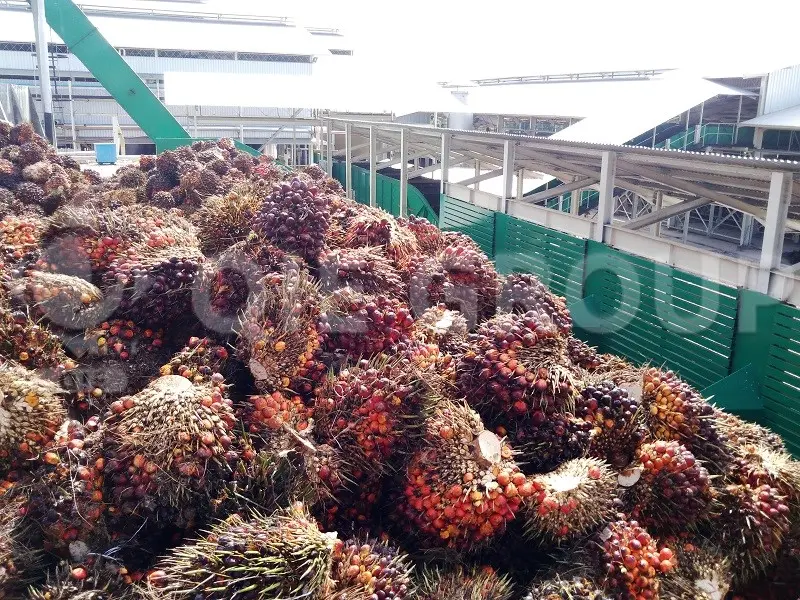
Successful palm oil projects begin with careful planning rather than equipment procurement alone. In Brazil, factors such as raw material supply, environmental compliance, infrastructure, and production capacity have a direct impact on project performance and long-term profitability.
Fresh Fruit Bunches (FFB) should be processed as soon as possible after harvesting to help maintain crude palm oil quality. Delays in transportation or sterilization may increase free fatty acid (FFA) levels, affecting both oil quality and refining efficiency.
Environmental compliance should be considered from the beginning of the project. Palm Oil Mill Effluent (POME) requires appropriate treatment before discharge or reuse, and the treatment system should be designed according to local environmental regulations.
Reliable utilities—including steam, water, electricity, and transportation—are fundamental to continuous production. Plant layouts should also allow space for equipment maintenance and future expansion.
Many operational challenges can be avoided through proper project planning. By evaluating raw material supply, environmental requirements, infrastructure, and production capacity before construction begins, investors can reduce project risks and build a more efficient, reliable, and profitable palm oil processing plant.
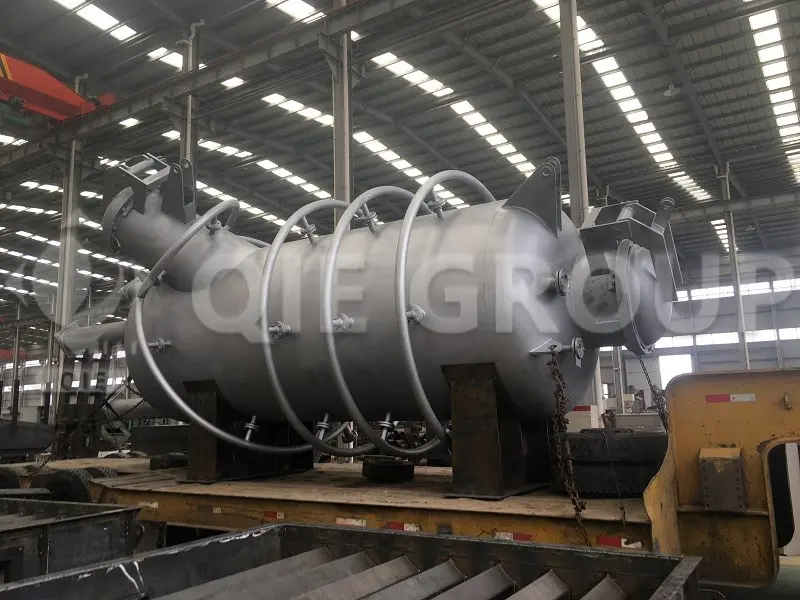
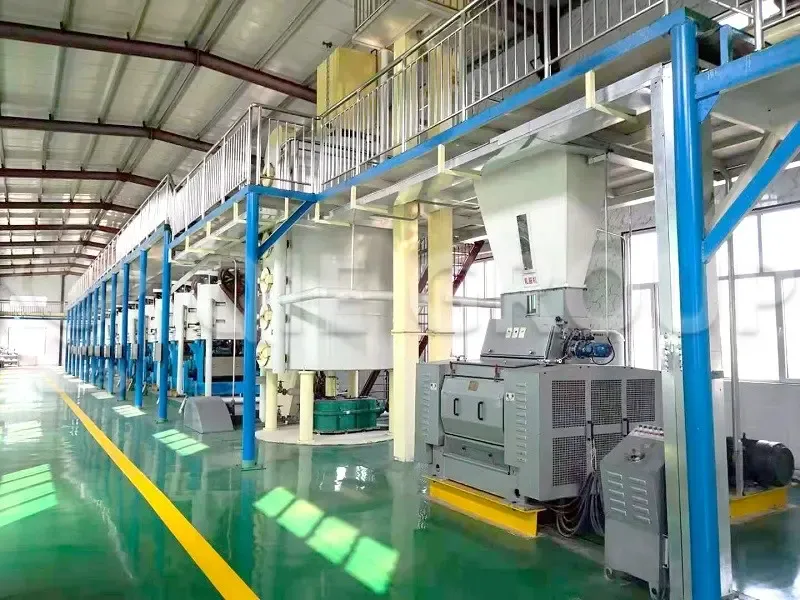
A continuous production process featuring high oil extraction rates and low energy consumption serves as the bedrock of project profitability. The standard process routing optimized by QIE Group is outlined below:
Fresh fruit bunches should be processed as soon as possible after harvesting to minimize free fatty acid (FFA) development. During sterilization, saturated steam is typically maintained at 0.25–0.30 MPa and 130–145°C for approximately 60–90 minutes, depending on fruit maturity and plant operating conditions. This process rapidly deactivates endogenous lipase, improves fruit detachment, and prepares the bunches for efficient threshing.
After sterilization, the fruit bunches enter a rotary drum thresher where the fruits are separated from the empty fruit bunches (EFB).
🛠️ Equipment & Process Considerations: A typical reception system includes hydraulic unloading platforms, scraper conveyors, and PLC-controlled steam valves to improve operational efficiency and process consistency. The thresher should be properly designed with optimized lifting plates and rotational speed to achieve efficient fruit separation while minimizing fruit losses on the EFB. Actual separation performance will vary depending on fruit variety, maturity, and operating conditions.
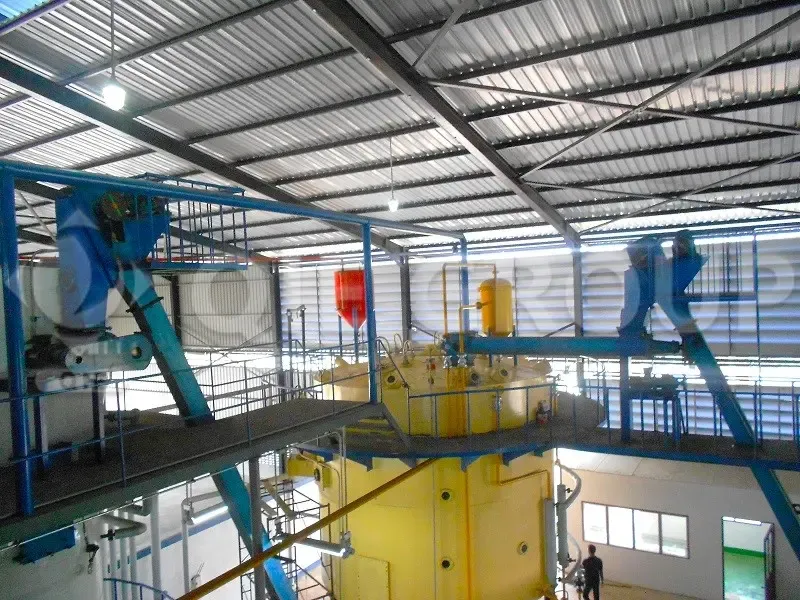
Separated palm fruits enter a steam-jacketed digester, where they are heated and continuously stirred at approximately 90–95°C. This stage softens the fruit tissue, ruptures oil-bearing cells, and creates suitable conditions for mechanical oil extraction.
The digested mash is then conveyed directly to the twin screw palm oil press. For medium- and large-capacity processing plants, double-screw presses are widely adopted because they provide stable throughput, continuous operation, and improved oil recovery when processing fibrous palm fruits.
Maintaining stable and continuous feeding is equally important. Frequent starts and stops may reduce process stability, increase equipment wear, and affect overall extraction efficiency.
🛠️ Equipment & Process Considerations: Hydraulic cone pressure regulation allows operators to adjust pressing pressure according to changes in fruit quality and fiber characteristics, helping optimize oil extraction while reducing unnecessary mechanical stress on the equipment. Final oil recovery depends on multiple factors, including fruit quality, digestion performance, press adjustment, and routine maintenance, rather than on equipment selection alone.
Freshly pressed crude palm oil contains water, fibers, sand, and other suspended impurities that should be removed promptly before storage.
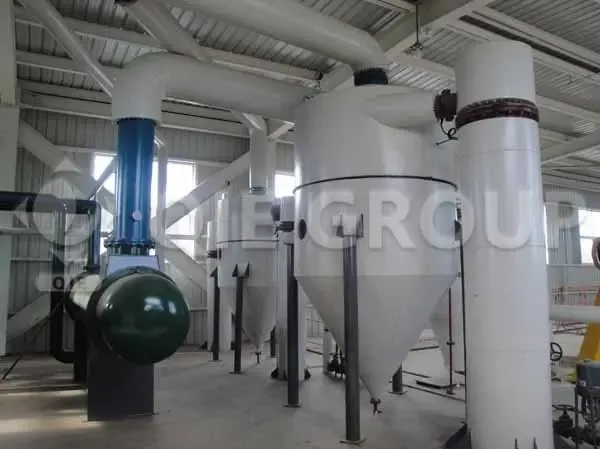
A typical clarification system consists of a vibrating screen for coarse fiber removal, a continuous clarification tank for gravity separation, a disc centrifuge for fine impurity removal, and a vacuum dryer for moisture reduction.
🛠️Equipment & Process Considerations: The final moisture and impurity levels should meet the quality requirements of the target market or downstream refining process. Proper clarification and dehydration help improve storage stability, reduce the risk of hydrolysis during storage, and maintain consistent crude palm oil quality, particularly in tropical environments such as Brazil.
In addition to crude palm oil, palm kernel processing provides an important source of additional revenue for many commercial palm oil mills.
After pressing, the press cake containing fibers and palm nuts passes through fiber–nut separation equipment. The recovered fibers are commonly used as boiler fuel, while the palm nuts are cracked to separate kernels from shells. The kernels can then be dried and further processed into Palm Kernel Oil, while palm kernel cake is widely utilized as a valuable livestock feed ingredient.
Empty fruit bunches (EFB) may also be recycled as organic mulch, compost, biomass fuel, or other value-added products, depending on local agricultural practices and project requirements.
🛠️ Equipment & Process Considerations: A well-designed kernel recovery system should achieve high separation efficiency while accommodating differences in palm fruit varieties and kernel sizes. Integrating kernel recovery into the overall plant design not only increases resource utilization but also creates an additional revenue stream that can significantly improve the long-term economics and return on investment (ROI) of the entire project.
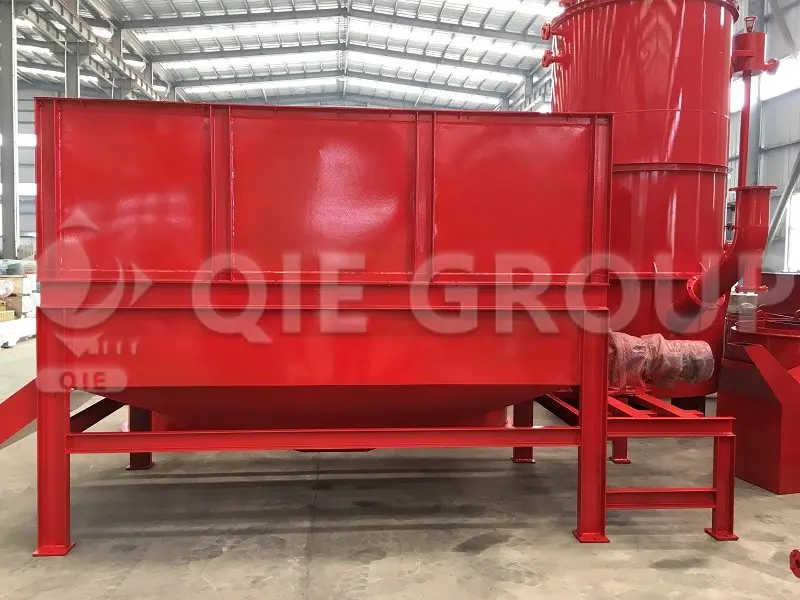
The investment cost of a palm oil processing plant is determined by much more than equipment prices alone. Factors such as plant capacity, utility systems, automation level, site conditions, and environmental facilities all influence both the initial capital investment and long-term operating costs. A well-planned project balances these factors according to production goals and available budget.
Processing capacity is one of the primary factors affecting project investment. Larger plants require higher-capacity equipment, more robust utility systems, larger storage facilities, and additional civil works, all of which increase overall project costs.
Selecting the right capacity should be based on available FFB supply, expected production demand, and future expansion plans rather than simply pursuing a larger plant size.
Steam, electricity, water supply, and boiler systems are essential to continuous palm oil production. The design of these utility systems has a significant impact on both construction costs and long-term operating expenses.
Many commercial palm oil mills utilize biomass such as palm fiber and shells as boiler fuel, reducing dependence on external energy sources while improving overall resource utilization. The most suitable energy solution should be selected according to local infrastructure and project requirements.
The level of automation also affects project investment. Automated control systems, such as PLC or SCADA, generally require a higher initial investment but can improve process consistency, reduce manual intervention, and simplify daily plant operation.
The appropriate level of automation should be determined by production scale, labor availability, operating requirements, and long-term management objectives.
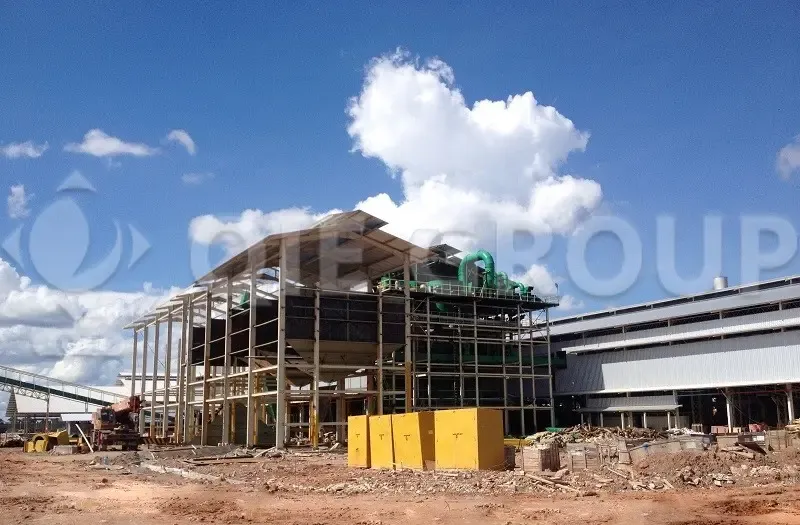
Project location influences civil construction, transportation, utility connections, and raw material logistics. In addition, environmental facilities—including wastewater treatment, emissions control, and by-product handling systems—should be incorporated into the project from the beginning to support regulatory compliance and sustainable operation.
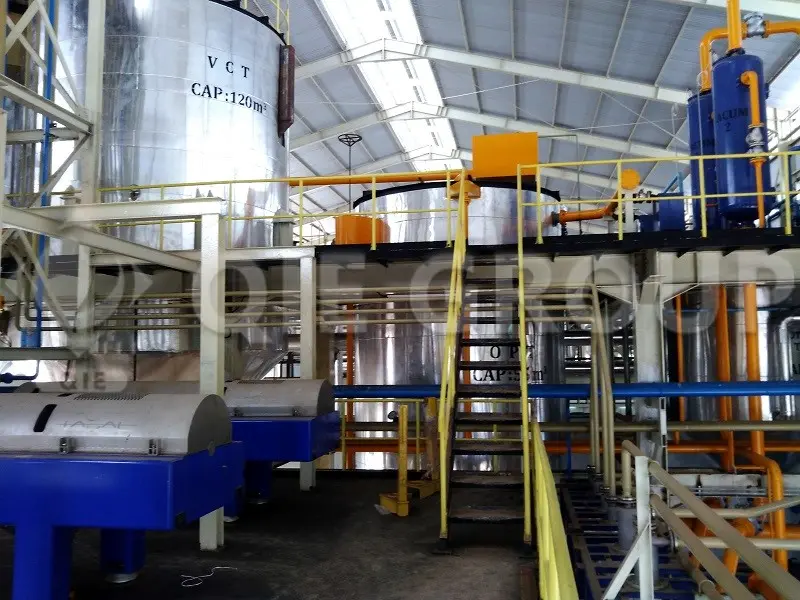
Rather than comparing equipment prices alone, investors should evaluate the complete project lifecycle, including operating efficiency, maintenance requirements, energy consumption, and future expansion potential. An optimized engineering solution often delivers greater long-term value than simply minimizing the initial investment.
Q: Does a Brazilian palm oil processing plant require an integrated refinery workshop?
A: Not necessarily. It depends on your target market.
If you plan to sell Crude Palm Oil for industrial processing, biodiesel production, or bulk trading, a palm oil mill may be sufficient. However, if your goal is to produce refined edible oil for the food, cosmetics, or consumer goods industries, adding a refinery can increase product value and expand market opportunities.
Physical refining is widely used for palm oil because it is generally more suitable for oils with relatively higher free fatty acid (FFA) levels. Compared with chemical refining, it can reduce neutral oil losses and improve overall refining efficiency under appropriate operating conditions.
Q: How is an EPC turnkey palm oil processing project typically implemented in Brazil?
A: Under an EPC model, one contractor is responsible for process design, equipment manufacturing, logistics, installation, commissioning, and technical support, providing a more coordinated project execution.
Experienced EPC suppliers typically provide plant layouts and 3D engineering models before manufacturing to optimize equipment arrangement and reduce on-site modifications. During installation, the engineering team oversees system integration, commissioning, operator training, and, where required, adapts the project to comply with local regulations such as Brazil's NR-12 machinery safety standard.
The Brazilian palm oil industry stands on the precipice of an explosive growth cycle. Constructing a successful industrial-scale palm oil processing plant is a sophisticated engineering endeavor merging tropical material characteristics, high-pressure thermodynamics, strict environmental mandates, and meticulous process parameter control. The ultimate triumph of the project hinges upon long-term oil extraction efficiency, equipment uptime, and energy self-reliance.
If you are currently mapping out a palm oil processing project in the Americas or Brazil, QIE Group, backed by more than 40 years of deep engineering heritage in the grain and oil machinery sector, delivers tailored EPC turnkey solutions encompassing everything from process blueprinting, custom fabrication, and international logistics, to on-site Brazilian installation, commissioning, and local team training. We substantiate our expertise with concrete engineering parameters and validate our promises through operational reference plants, helping you precisely capture the golden investment window of the global sustainable oils and fats industry.
Get in touch with QIE Group's senior engineers today. Receive a tailored, data-backed feasibility proposal, customized equipment configuration blueprint, and a clear localized ROI estimation report.
Request Free Custom EPC Proposal & ROI Report Flaxseed oil production Oil yield optimization Hot pressing and cold pressing technology Edible Oil Processing Leaching process
Oil refinery energy conservation and consumption reduction Oil and fat processing solutions Intelligent upgrading of oil plants Edible oil equipment renovation Oil refinery efficiency improvement and quality enhancement
Rice bran puffing process Oil extraction efficiency Energy-saving oil processing Rice bran pretreatment Edible oil production solutions
shea butter processing plant cost shea butter extraction machine cold press shea butter tech cosmetic grade shea butter production unrefined shea butter press
rice bran oil processing rice bran oil production rice bran oil plant oil extraction turnkey solution
Flaxseed oil production Oil yield optimization Hot pressing and cold pressing technology Edible Oil Processing Leaching process
Oil refinery energy conservation and consumption reduction Oil and fat processing solutions Intelligent upgrading of oil plants Edible oil equipment renovation Oil refinery efficiency improvement and quality enhancement
Rice bran puffing process Oil extraction efficiency Energy-saving oil processing Rice bran pretreatment Edible oil production solutions
shea butter processing plant cost shea butter extraction machine cold press shea butter tech cosmetic grade shea butter production unrefined shea butter press
rice bran oil processing rice bran oil production rice bran oil plant oil extraction turnkey solution






.png?x-oss-process=image/resize,h_100,m_lfit/format,webp)
.png?x-oss-process=image/resize,h_100,m_lfit/format,webp)
.png?x-oss-process=image/resize,h_100,m_lfit/format,webp)


