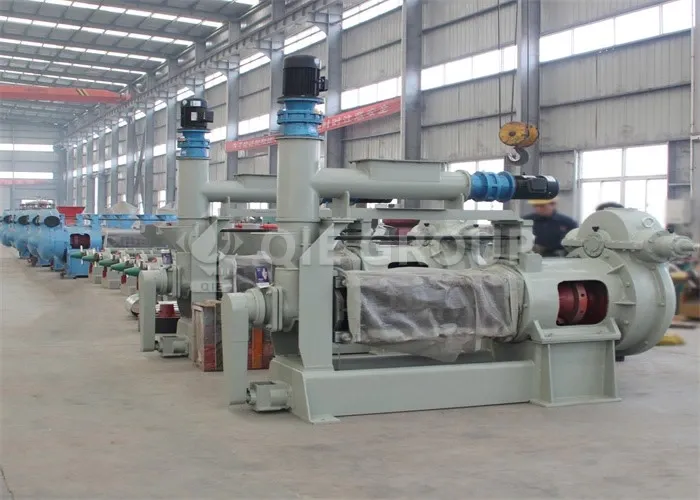
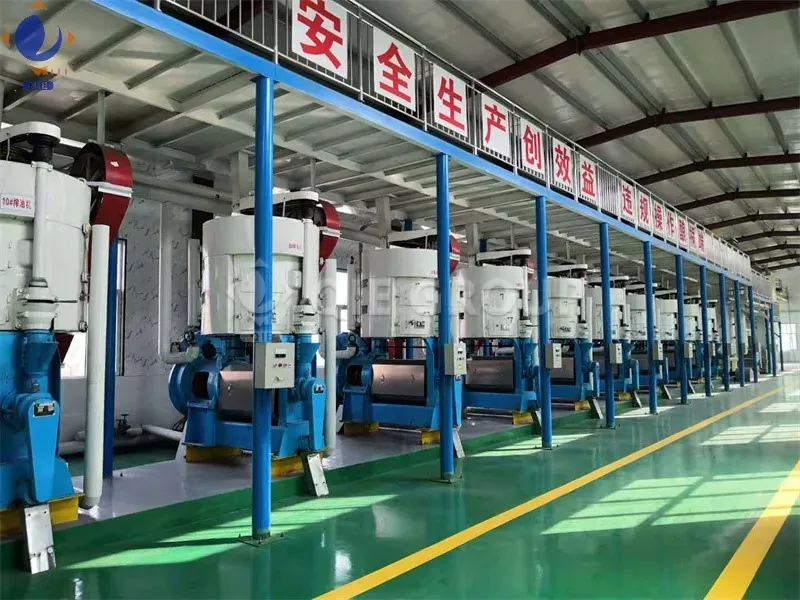
If you are evaluating whether to invest in and build a rice bran oil factory in Bangladesh, the following points deserve your priority attention:
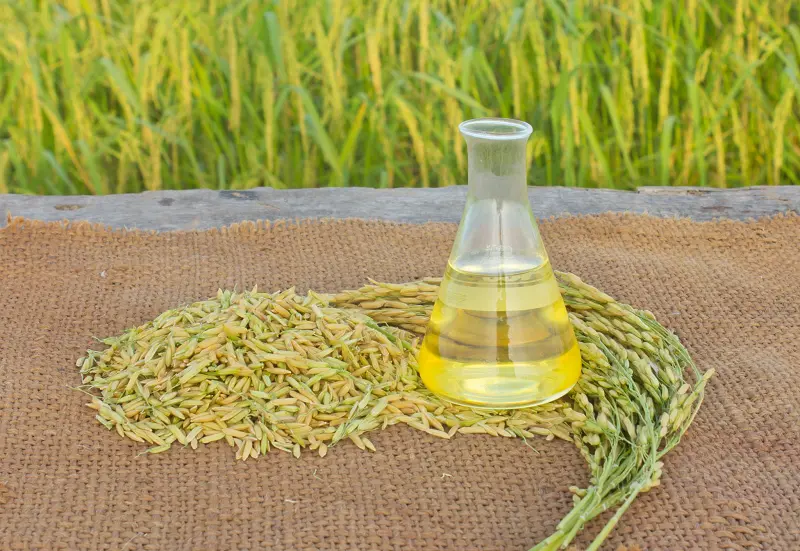
The answer to this question lies not only in Bangladesh's massive rice processing footprint but also in the vast, untapped market value hidden behind it.
For a long time, rice bran in Bangladesh was primarily treated as low-value animal feed or fuel, meaning the high-quality lipids contained within it were severely wasted. With the global demand for healthy edible oils rising and Bangladesh's domestic edible oil consumption gap continuing to expand, turning rice bran "from waste to treasure" through rice bran oil projects has become an highly attractive investment direction in the agricultural deep-processing sector.
Focusing on the issues of greatest concern to investors, this article analyzes the market opportunities, raw material supply, process selection, investment costs, risk control, and project planning for a rice bran oil project in Bangladesh. It also provides an overview of the complete production solution for a rice bran oil processing plant.
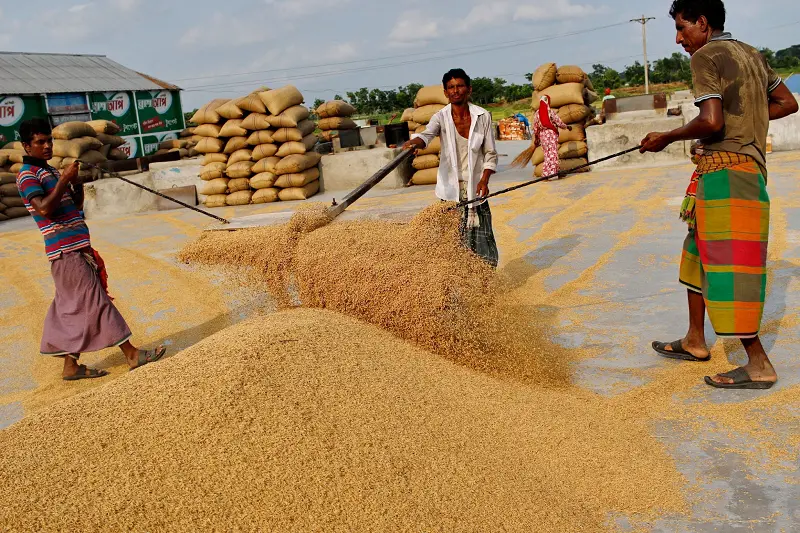
For any oilseed processing project, the investment value is dictated first and foremost by the market, not the equipment. Bangladesh has emerged as an important investment market for rice bran oil projects due to several key advantages:
Bangladesh is one of the world's leading rice-producing nations. Rice is not only the staple food of its population but also a cornerstone of its agricultural economy. The rice bran generated during paddy milling is the primary raw material. Because the scale of rice milling is so immense, vast quantities of rice bran are continuously generated every year, providing a highly stable raw material foundation.
In recent years, driven by population growth, rapid urbanization, and rising household consumption levels, Bangladesh's demand for edible oil has continued to climb. At the same time, the local market remains heavily reliant on imported vegetable oils. Developing a localized rice bran oil industry reduces reliance on imports and enriches domestic supply.
Compared to common vegetable oils, rice bran oil has a superior fatty acid profile and contains natural antioxidants (such as oryzanol). As consumers become increasingly health-conscious, premium rice bran oil is gaining wider recognition in household consumption and food processing sectors.
By building a rice bran oil processing plant, low-value by-products can be further processed into rice bran oil, defatted rice bran (meal), rice bran wax, and fatty acids. This forms a complete industrial chain and significantly improves overall economic returns.
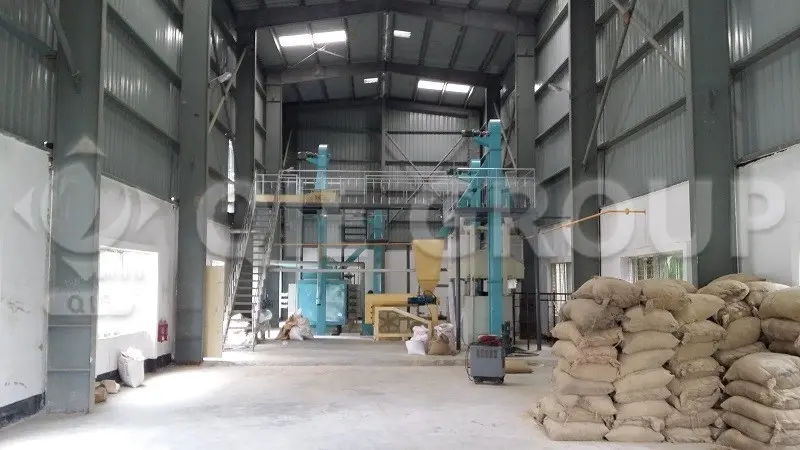
"Can we continuously secure fresh, high-quality rice bran?"
In fact, the biggest technical challenge of a rice bran oil project is not extracting the oil, but controlling the quality of the incoming rice bran.
Rice bran contains highly active lipolytic enzymes (lipase). Once the paddy is milled, lipase immediately begins to hydrolyze the lipids, causing the level of Free Fatty Acids (FFA) to skyrocket. If not processed in time, it leads to a surge in acid value (AV), increased refining loss, and deteriorated oil quality.
Successful rice bran oil projects typically establish robust raw material supply systems, which include:
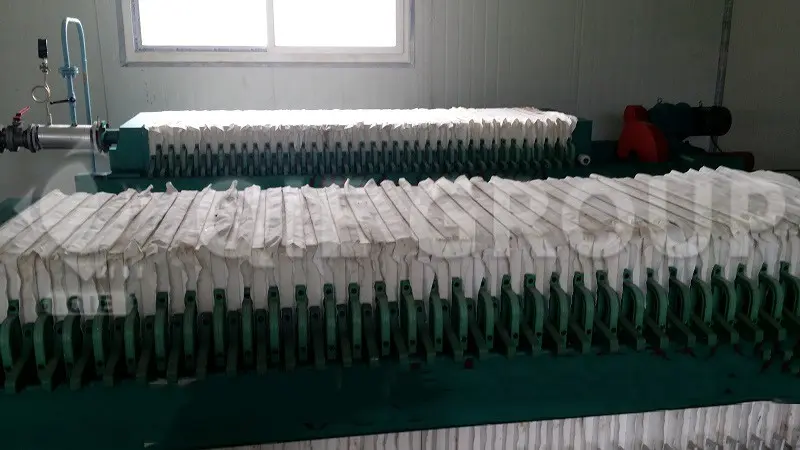
For medium-to-large industrial production, the combination of Pre-treatment + Solvent Extraction + Refining + Dewaxing remains the most mature and widely applied scheme.
Rice bran has a relatively low oil content (typically 15-20%). If you only use mechanical pressing, the residual oil in the cake remains high. Rice bran solvent extraction can thoroughly extract the oil, reducing the residual oil in the meal to less than or equal to 0.5%, maximizing resource recovery.
Rice bran oil naturally contains high concentrations of waxes. Dewaxing removes these waxes, ensuring the finished oil remains crystal clear and completely stable in cold temperatures, matching consumer demands.
| By-product | Primary Uses |
|---|---|
| Defatted Rice Bran (Meal) | Raw material for animal feed, aquaculture. |
| Rice Bran Wax | Cosmetics, food coatings, polishes, and candle industries. |
| Fatty Acids | Chemical engineering, soap manufacturing, and other industrial raw materials. |
| Soapstock | Deep chemical processing or industrial utilization. |
What truly shapes the investment cost is the overall project scheme, not just the machinery. The following core factors define your budget:
Investment Advice: Instead of focusing on "how much a 100 TPD factory costs," you should prioritize mapping out your raw material supply, target market, product positioning, and preferred process route. Then, have an experienced EPC provider design a custom scheme.
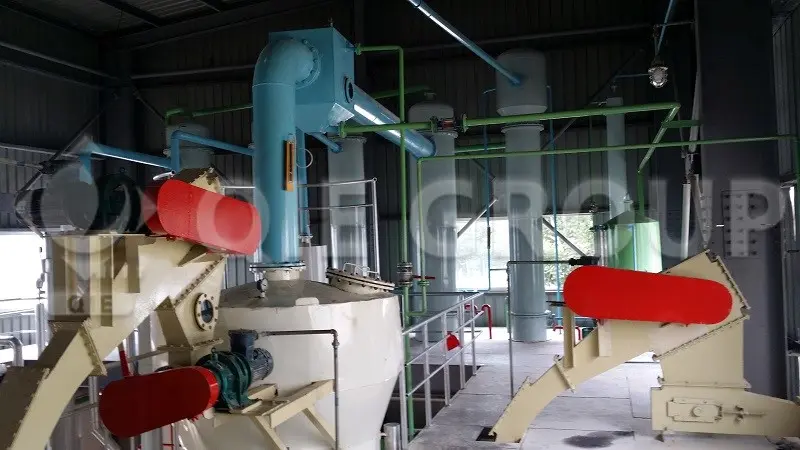
A factory is not simply "the bigger, the better." It must match your raw material pipeline and sales capabilities.
Best for small rice millers with highly localized, stable source of rice bran. Low upfront investment, minimal transport logistics, suitable for regional niche markets.
Offers excellent processing efficiency and strong ROI. Ideal for commercial investors who have built a reliable raw material collection network.
Best for large grain & oil conglomerates. Utilizes continuous, highly automated lines to drive down unit processing costs. Demands major capital and extensive supply chains.
Recommendation: Consider a "plan once, build in phases" strategy. For example, design your utilities to handle 100 TPD from day one, but install a 50 TPD line for Phase I. This limits initial risk.
Avoid the common pitfall of rushing to buy machinery. Complete these five preparatory steps to safeguard your investment:
Analyze the milling scale, geographic distribution of mills, transport distance, and seasonal changes in the target region.
Identify whether you are producing premium cooking oil, bulk food ingredients, or industrial oils to guide physical refining complexity.
Decide on solvent extraction, physical refining, stabilization, and dewaxing based on your target market and budget.
Structure warehouses, processing workshops, and logistics paths systematically to reduce daily operational costs.
Generate a complete project feasibility study combining logistics, engineering designs, and budgets to guide the execution.
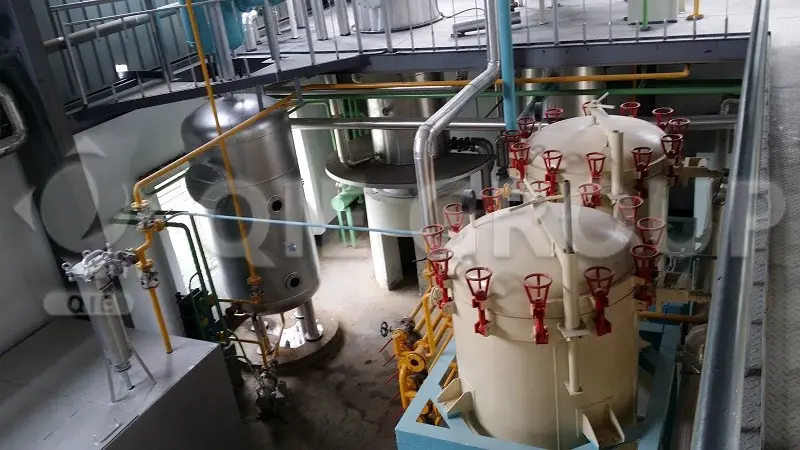
A mature project plan must proactively address and mitigate these specific challenges:
| Risk Category | Recommended Mitigation Measures |
|---|---|
| Deterioration of Rice Bran Quality | Establish a rapid-collection logistics network and stabilize the bran as quickly as possible. |
| Fluctuations in Raw Material Supply | Form long-term strategic supply agreements with multiple rice mills to spread supply risk. |
| High Energy Consumption | Optimize thermal integration, implement waste heat recovery systems, and choose energy-efficient machinery. |
| Finished Oil Quality Fluctuations | Establish a robust QA/QC laboratory and strictly monitor step-by-step processing parameters. |
| Tightening Environmental Regulations | Integrate wastewater, off-gas, and solid waste treatment systems directly into the initial factory design. |
| Safety Hazards | Ensure the solvent extraction workshop is fully sealed, utilizes explosion-proof electricals, and operates under strict safety protocols. |
For overseas projects, an experienced EPC (Engineering, Procurement, and Construction) partner is your primary safeguard against project failure. Look for the following three competencies:
The supplier must deliver a full turnkey setup: process design, factory layout, equipment manufacturing, automation system integration (PLC), on-site installation, and staff training.
Rice bran stabilization, physical refining, and winterization require highly specialized practical knowledge. Choose a partner with a strong portfolio of actual active rice bran oil plants.
Your partner must handle complex logistics, overseas dispatch of commissioning engineers, and maintain an accessible spare parts inventory.
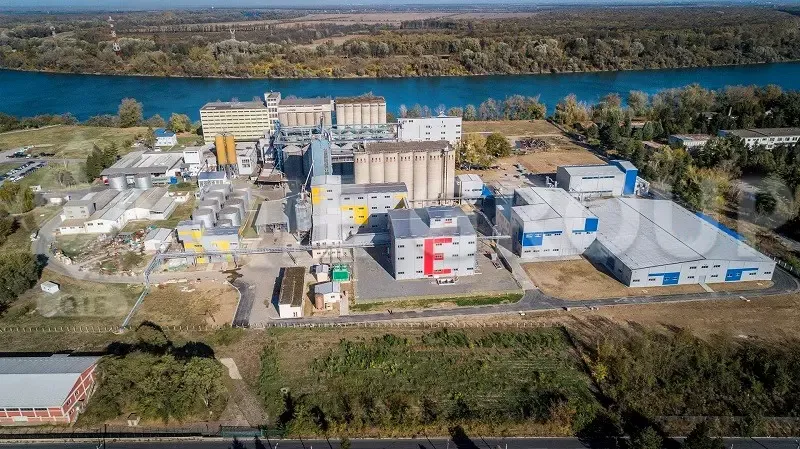
With over 40 years of dedicated experience in grain and oil engineering, QIE GROUP is a trusted global provider of complete rice bran oil project solutions. We provide comprehensive services ranging from initial technical consulting, custom process engineering, and equipment manufacturing to on-site installation, commissioning, and lifelong technical support. We help our global clients build highly efficient, energy-saving, and stable modern rice bran oil processing plants.
The high humidity of the monsoon season accelerates rice bran hydrolytic rancidity. During this period, direct coordination with rice mills for "just-in-time" delivery or utilizing on-site steam stabilization becomes critical to prevent the acid value of stored bran from spiking before processing.
Under normal conditions, a standard turnkey project takes approximately 10 to 14 months. This timeline includes 3–4 months for engineering design and equipment manufacturing, 2 months for ocean shipping and customs clearance, and 4–6 months for on-site civil construction, installation, and final commissioning.
Yes, highly so. Bangladesh has a massive, rapidly growing poultry, aquafeed, and livestock industry. Defatted rice bran (DRB) is highly sought after by local feed mills due to its high protein content and stability compared to raw rice bran, providing a reliable secondary revenue stream.
The Department of Environment (DoE) in Bangladesh requires edible oil factories to obtain an Environmental Clearance Certificate (ECC). This mandates the inclusion of an Effluent Treatment Plant (ETP) for wastewater and proper emissions controls on coal, gas, or biomass-fired boilers.
Bangladesh's abundant rice resources, growing domestic demand for edible oils, and national push for agricultural deep processing create a fertile environment for rice bran oil investments. However, a successful plant is built on a foundation of secure raw materials, optimized process flows, smart utility integration, and a trusted EPC partner.
If you are planning to invest in a rice bran oil project in Bangladesh, We are ready to assist you at any time. Based on your unique raw material conditions, target capacity, and budget, we will deliver customized project feasibility studies, process engineering, plant layouts, equipment manufacturing, and complete EPC turnkey services.
 turnkey vegetable oil production line EPC oil processing plant edible oil refinery design global oil extraction line QIE Group
rice bran oil production line in Vietnam commercial rice bran oil mill cost rice bran stabilization process rice bran extraction plant
Coconut oil production process Pressed coconut oil Coconut oil yield Coconut oil production line Coconut oil processing plant
Palm kernel oil production equipment Palm Kernel Oil Processing Plant palm kernel oil production line Palm kernel oil pressing and refining palm kernel oil machine
South African peanut oil processing plant Peanut oil processing plant EPC Peanut oil refining equipment Edible oil turnkey project Investment in South African peanut oil mills
turnkey vegetable oil production line EPC oil processing plant edible oil refinery design global oil extraction line QIE Group
rice bran oil production line in Vietnam commercial rice bran oil mill cost rice bran stabilization process rice bran extraction plant
Coconut oil production process Pressed coconut oil Coconut oil yield Coconut oil production line Coconut oil processing plant
Palm kernel oil production equipment Palm Kernel Oil Processing Plant palm kernel oil production line Palm kernel oil pressing and refining palm kernel oil machine
South African peanut oil processing plant Peanut oil processing plant EPC Peanut oil refining equipment Edible oil turnkey project Investment in South African peanut oil mills






.png?x-oss-process=image/resize,h_100,m_lfit/format,webp)
.png?x-oss-process=image/resize,h_100,m_lfit/format,webp)
.png?x-oss-process=image/resize,h_100,m_lfit/format,webp)