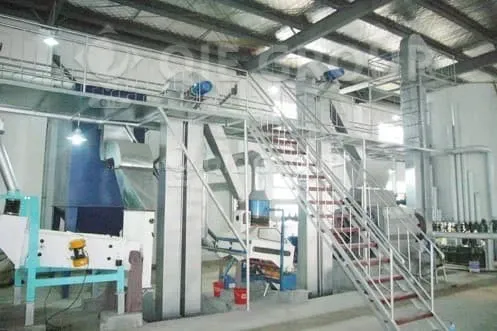
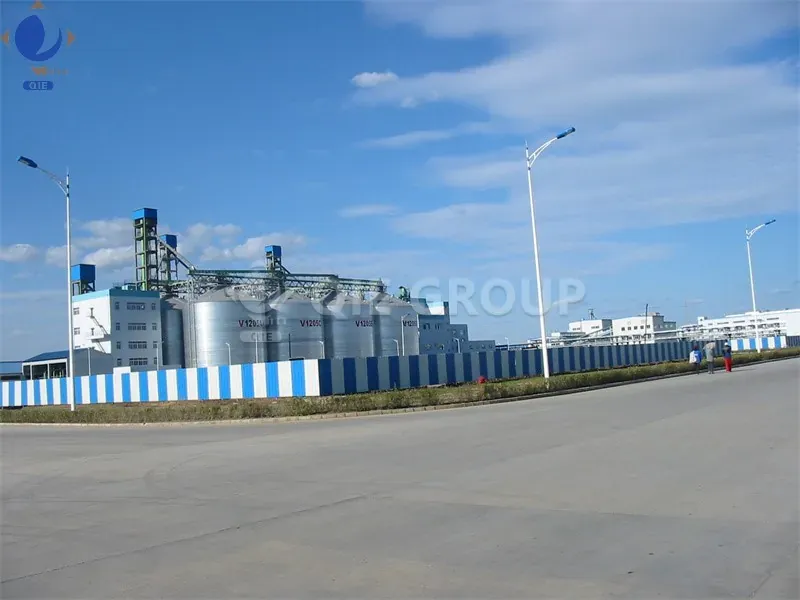
Based on QIE Group's practical experience in multiple peanut oil pressing projects, this article will break down how to build a production line for fragrant peanut oil with stable oil yield, pure aroma, and compliance with the national first-grade peanut oil standard.
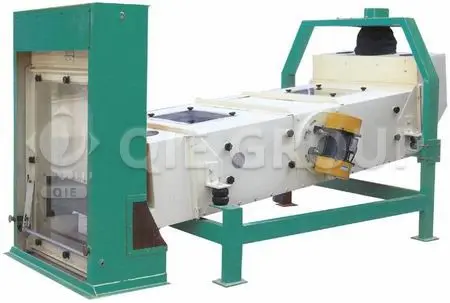
Many oil mills have shown that cleaning peanut raw materials does not directly increase the oil yield instantly, but it can significantly improve the overall oil production stability and the effective operating time of the equipment.
After thorough cleaning, the amount of mud, sand, stones, iron filings, and broken fruit shells in the raw materials was significantly reduced.
Lower equipment wear and failure rate
The number of times the pressing chamber is clogged and the machine needs to be stopped for cleaning has decreased.
The reduced proportion of non-oil impurities makes the "effective raw material oil content" more stable.
In QIE Group's projects in the Middle East and Africa, oil plants generally reported that after the installation of a complete cleaning and screening system, the overall oil yield, finished product stability, and continuous equipment operation time have all been significantly improved.
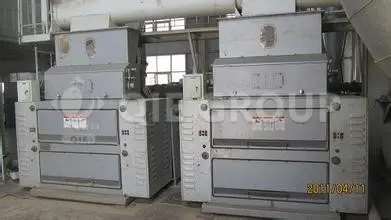
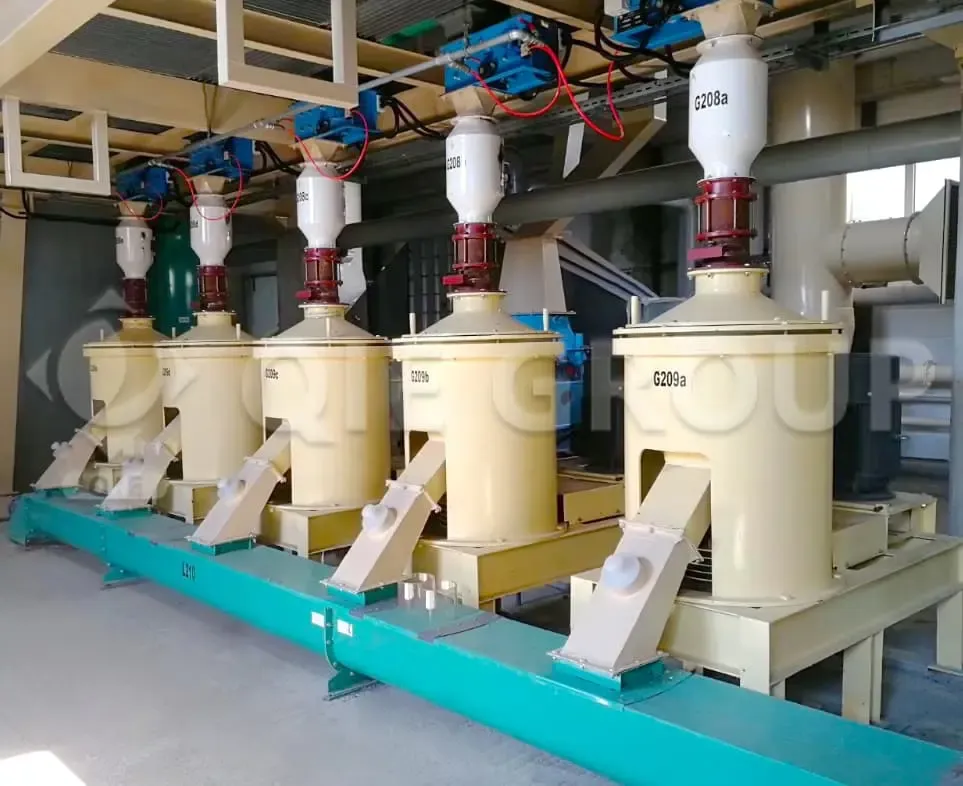
Crushing is not simply pulverizing, but rather for:
Make peanut cells easier to break down
Allowing moisture and heat to fully penetrate the material
To create uniform heating conditions for subsequent steaming and stir-frying
The softening (conditioning) process helps peanuts mature, absorb water evenly, and reduces pressing hardness, thus avoiding the phenomenon of "dry shells and hard shells that cannot be pressed out of oil".
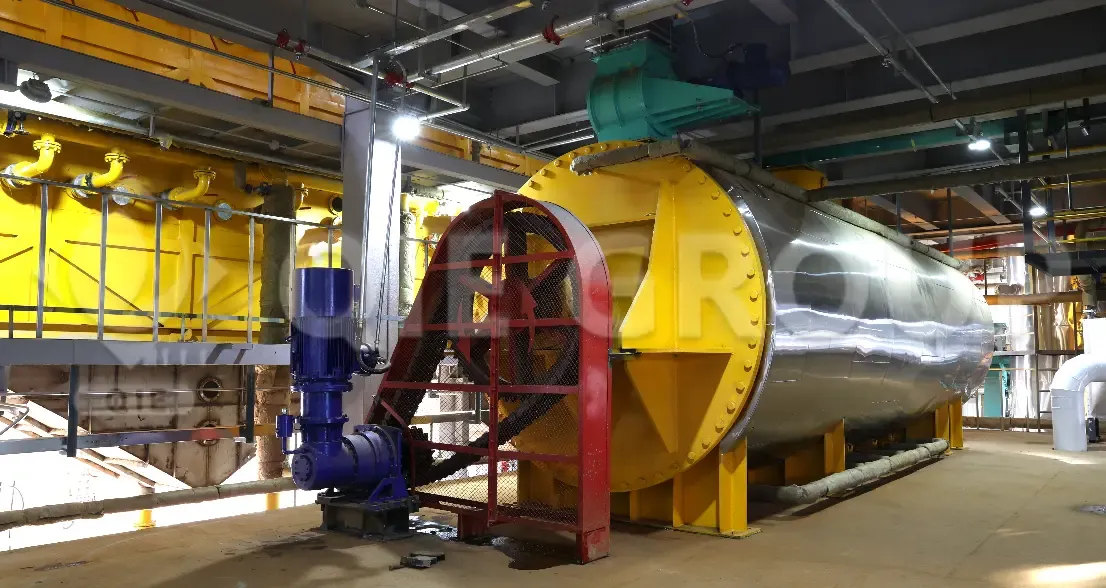
The aroma of rich peanut oil is almost entirely determined by the steaming and frying process.
Industry standard parameters:
Moisture content control: 6%~8% (beneficial for aroma reaction)
Steaming/frying temperature: 120℃~150℃ (common range for hot-pressed aromatic oil)
Steaming/stirring time: 20–45 minutes, depending on the number of layers in the equipment.
Under these temperature and moisture conditions:
Peanuts have more even internal moisture migration
Proteins and carbohydrates undergo a full Maillard reaction, producing a rich peanut aroma.
Fat cells soften, making it easier for oil to leak out.
In QIE Group projects, many oil mill owners have reported: "With proper steaming and frying techniques, the aroma is immediately elevated to a higher level." 🔗 [ Edible Oil Processing Steaming and Frying Pan: Improves Efficiency and Oil Yield ]
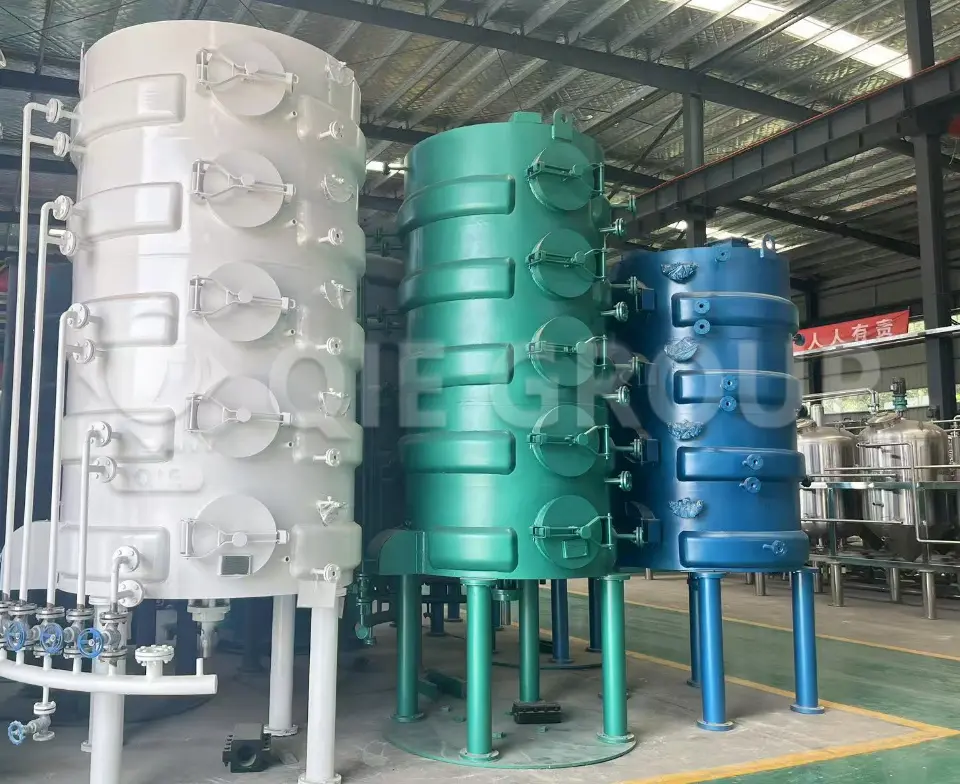
The residual oil content of hot-pressed peanut cake is one of the most important indicators for oil mills.
Taking our ZX series screw oil press as an example, under stable process conditions:
Residual oil content in cake: approximately 4%–5% (dry basis)
Compared to some older equipment or insufficient steaming/frying conditions, the residual oil rate can be reduced by several percentage points, which is equivalent to:
Each ton of peanuts can yield an additional 10–20 kg of oil (depending on raw materials and operations).
These differences, when accumulated, result in a significant difference in returns.
In 50–200 t/d peanut oil projects, through optimized steaming and roasting combined with upgraded high-efficiency oil presses, oil mills generally reported the following results:
More stable oil yield
The cake has an even color and is not burnt.
The press runs more smoothly
Maintenance costs are more controllable
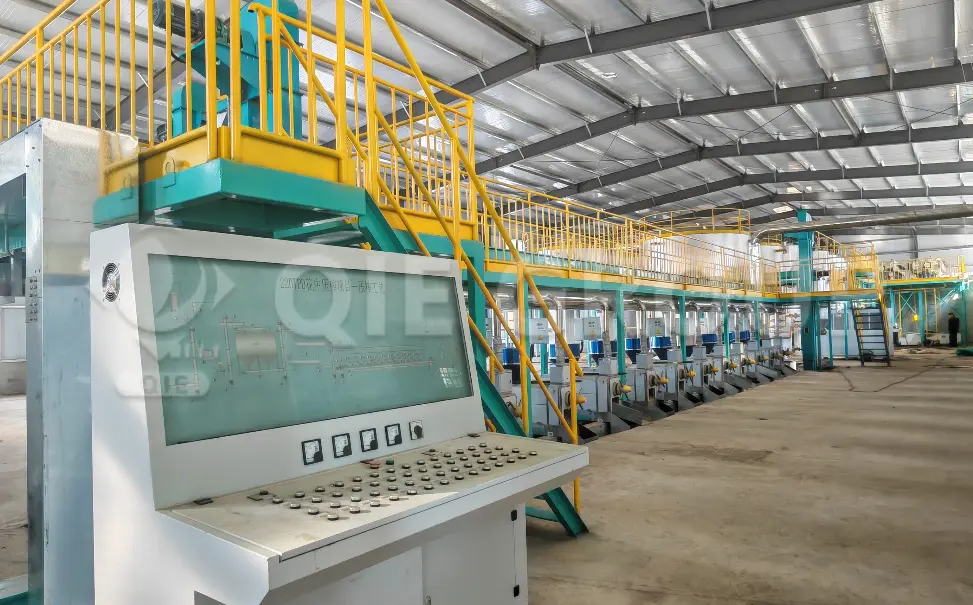
While filtration doesn't directly increase oil yield, it determines the oil's clarity, color, oxidation rate, and aroma stability. Filtration reduces suspended impurities and metal ions, significantly slowing down the oil's oxidation rate.
In actual testing across multiple projects:
Highly filtered peanut oil exhibits more stable aroma and oxidation levels throughout its shelf life.
Customer feedback indicates that "the oil doesn't easily become cloudy after being left out for a while, and the fragrance doesn't easily fade."
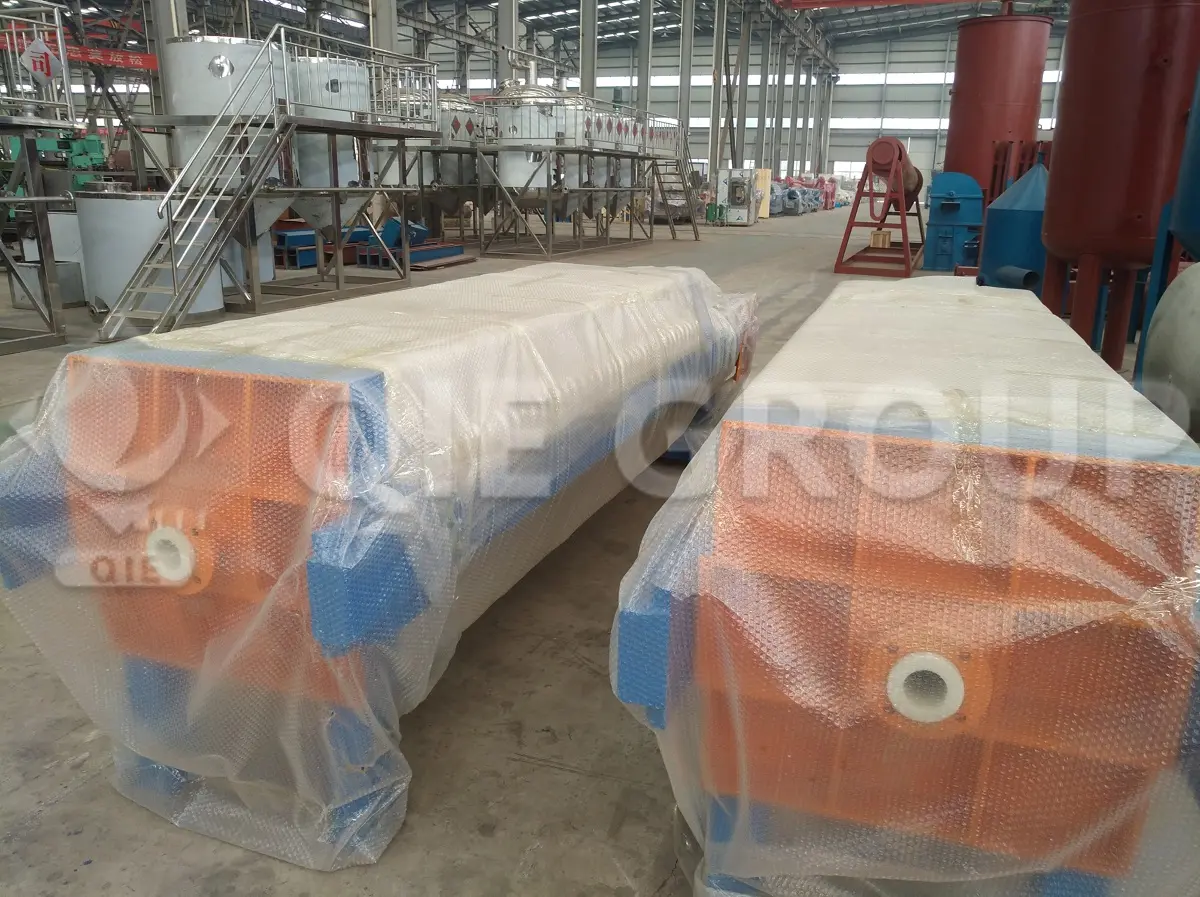
Upgrading modern peanut oil production lines requires attention not only to output and aroma but also to intelligent control, energy conservation, and environmental compliance. Intelligent control systems monitor key production parameters such as temperature, pressure, and flow rate in real time, enabling precise regulation and ensuring consistent product taste. Unmanned operation significantly reduces human error, improving production safety and efficiency. Energy-saving designs optimize motors and transmission systems, and utilize waste heat recovery technology to effectively reduce energy consumption and save operating costs. Simultaneously, rigorous wastewater and waste residue treatment devices ensure the production process is environmentally friendly, contributing to the company's green and sustainable development.
| Key links | Main advantages | Typical equipment/configuration |
|---|---|---|
| Raw material cleaning | Effectively removes impurities, protects equipment, and improves oil quality. | Vibrating cleaning screen, destoner, air separator, magnetic separator |
| Crushing/Softening | Lowering the hardness makes it easier to steam or stir-fry. | Crusher, softening pot |
| Steaming and stir-frying process | Enhanced aroma; Maillard reaction fully releases fragrance. | Multi-layer steamer/fryer, drum fryer |
| High-efficiency pressing | Maximize oil yield, minimize residual oil to preserve aroma | ZX Oil Press Series |
| High-efficiency filtration | Thoroughly remove impurities and extend shelf life | Plate and frame/blade oil filtration system |
To build an efficient and environmentally friendly aromatic peanut oil production line, choosing the right equipment and production solution is crucial. You can focus on the following points:
Professional manufacturers can provide customized intelligent peanut oil production solutions based on the oil mill's scale, production needs, and budget, achieving a dual improvement in both output and quality. 🔗 [ Peanut Oil Processing Plant Guide: Profit Model and Equipment Selection ]
Q1: What production capacity do small and medium-sized oil mills typically choose when producing fragrant peanut oil?
10–20 t/d hot pressing production lines are the most common, with moderate investment and short payback periods.
Q2: Must fragrant peanut oil be hot-pressed?
Yes, the aroma mainly comes from high-temperature steaming and frying, and the Maillard reaction can only occur under hot pressing conditions.
Q3: If an old oil mill is upgrading, will simply replacing the steaming and frying pan and the oil press be effective?
A very common upgrade path, which usually results in significant improvements in aroma and oil yield.
QIE Group specializes in providing comprehensive solutions for aromatic peanut oil production lines, encompassing one-stop equipment configuration from raw material cleaning, steaming and roasting, pressing to filtration. Based on the scale, capacity requirements, and budget of different oil mills, we tailor efficient, intelligent, and environmentally friendly production solutions to help customers achieve high yields and stable quality, resulting in more aromatic peanut oil, higher oil extraction rates, and easier operation.
 Corn germ oil press Corn oil production line Corn oil processing equipment Corn oil refining equipment Corn oil processing plant Corn germ oil factory
Soybean oil extraction equipment Oil refinery energy-saving renovation Intelligent Leaching Production Line Oil processing equipment High efficiency oil yield Soybean oil production line
Peanut oil processing plant Peanut oil production line Peanut oil production process Peanut Oil Press Peanut oil processing plant equipment price Small peanut oil processing plant investment Edible oil processing equipment
Edible oil production line equipment Edible oil refining equipment manufacturers Soybean oil pressing process Sunflower oil processing plant Peanut oil production line Rice bran oil dewaxing process Vegetable oil refining equipment Edible oil processing equipment
edible oil processing plant turnkey edible oil plant vegetable oil production line edible oil refinery equipment edible oil mill plant
Corn germ oil press Corn oil production line Corn oil processing equipment Corn oil refining equipment Corn oil processing plant Corn germ oil factory
Soybean oil extraction equipment Oil refinery energy-saving renovation Intelligent Leaching Production Line Oil processing equipment High efficiency oil yield Soybean oil production line
Peanut oil processing plant Peanut oil production line Peanut oil production process Peanut Oil Press Peanut oil processing plant equipment price Small peanut oil processing plant investment Edible oil processing equipment
Edible oil production line equipment Edible oil refining equipment manufacturers Soybean oil pressing process Sunflower oil processing plant Peanut oil production line Rice bran oil dewaxing process Vegetable oil refining equipment Edible oil processing equipment
edible oil processing plant turnkey edible oil plant vegetable oil production line edible oil refinery equipment edible oil mill plant





.png?x-oss-process=image/resize,h_100,m_lfit/format,webp)
.png?x-oss-process=image/resize,h_100,m_lfit/format,webp)
.png?x-oss-process=image/resize,h_100,m_lfit/format,webp)