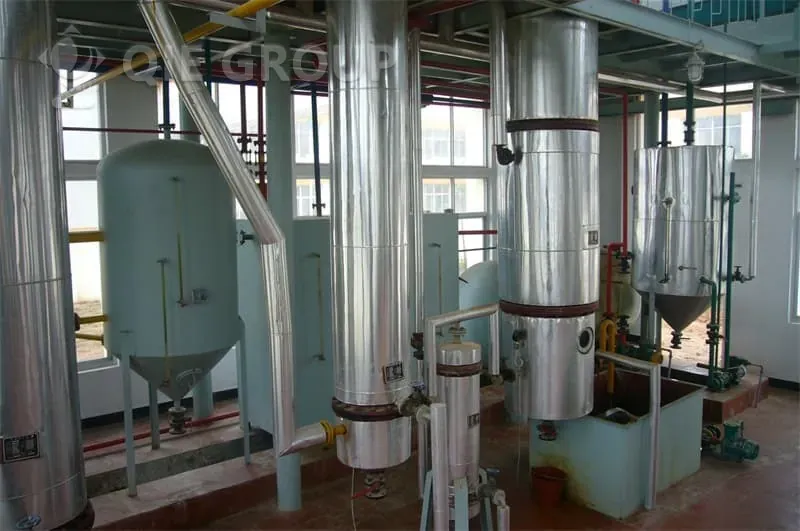
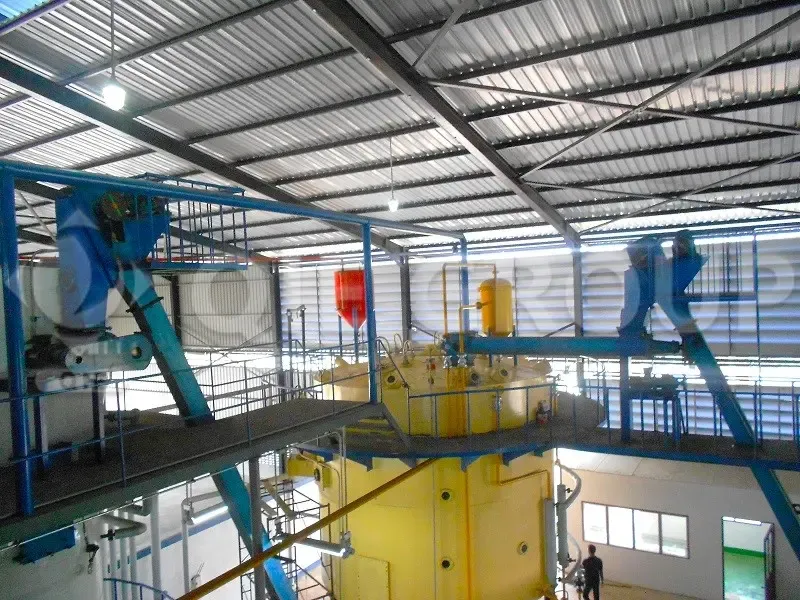
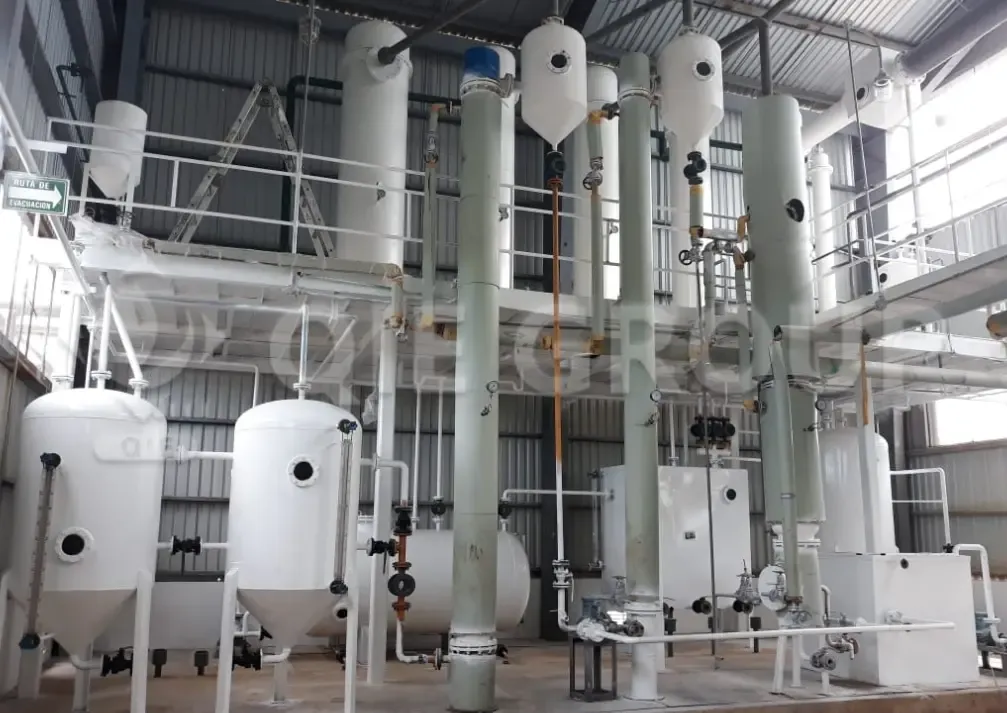
As a professional engineering supplier, QIE Group understands that customers are not buying a few machines, but a system that can generate continuous profits. This article will provide an in-depth analysis of the cost structure, core technologies, and profit logic of a 300 TPD soybean oil turnkey project.
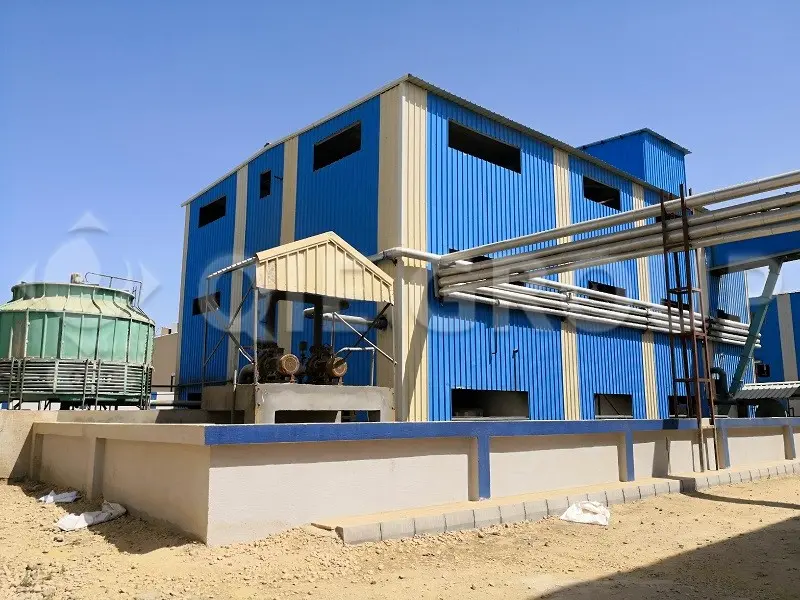
| Item | Technical Data | Remarks |
|---|---|---|
| Processing capacity | 300 Tons/24h (Soybean) | Recommended number of operating days per year: 300+ days |
| Process Path | Pretreatment + Solvent extraction + Refining | The optimal choice for large-scale production |
| Residual oil content in meal | ≤ 0.5% | The pressing method typically yields 6%-7%. |
| Solvent loss | Approximately 1.5 kg/t | Core indicators for measuring factory management level |
| Steam consumption | ≤ 280 kg/t | Depends on the configuration of the waste heat recovery system |
| Total installed capacity | Approximately 850 - 1100 kW | Depending on the degree of automation |
Basic leaching solvent extraction type (US$1.4 million – US$2.1 million):
Includes: pretreatment, pressing, solvent extraction, DTDC evaporation system, and solvent recovery.
Output: Crude soybean oil + 44% protein soybean meal.
Comprehensive Refining (US$2.3 million – US$3.6 million):
Includes: pretreatment + pressing + solvent extraction + fully continuous refining line (degumming, deacidification, decolorization, deodorization) + automatic filling line.
Output: Grade I/Grade II refined oil products according to national standards.
| Cost module | percentage | Contents |
|---|---|---|
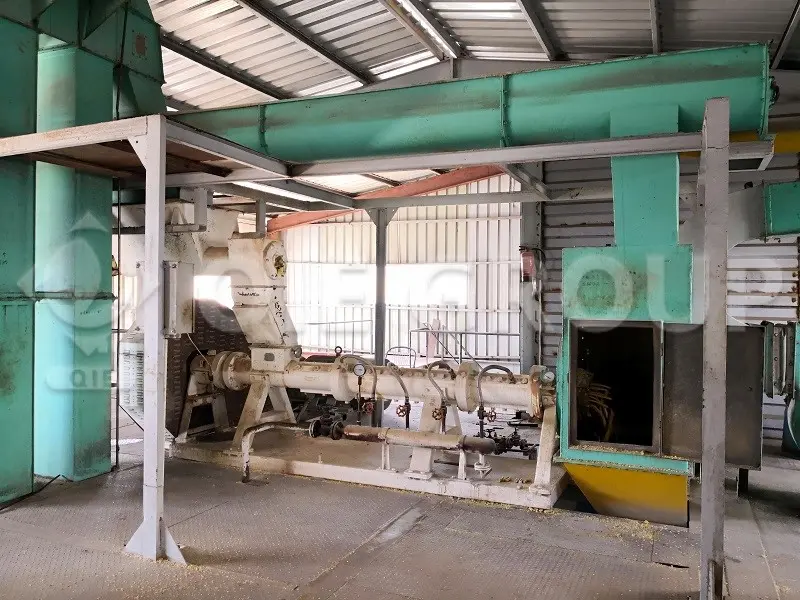
| Core equipment procurement | 55% – 65% | Faking machine , steam cooker , extractor , DTDC, refining tower, etc. |
| Installation and Engineering Services | 12% – 18% | Pipe connection, electrical wiring, equipment installation |
| Civil engineering and foundation | 10% – 12% | Factory construction, equipment foundations, and special explosion-proof isolation areas |
| Electrical and Automation | 5% – 8% | PLC/SCADA control system, high and low voltage power distribution cabinet |
| Design and Project Management | 3% – 5% | Process package design, on-site commissioning, and personnel training services |
1. Residual Oil Rate and Profit Leverage: At a volume of 300 TPD, reducing the residual oil rate from 1.5% to 1% can result in an additional production of approximately 450 tons of oil per year. QIE's full negative pressure evaporation system not only reduces energy consumption but also ensures maximum oil recovery.
2. Selection of DTDC desolventizer: The value of soybean meal depends on its urease activity. If the DTDC is not designed properly, the soybean meal will plummet in value due to overheating or incomplete desolventizing.
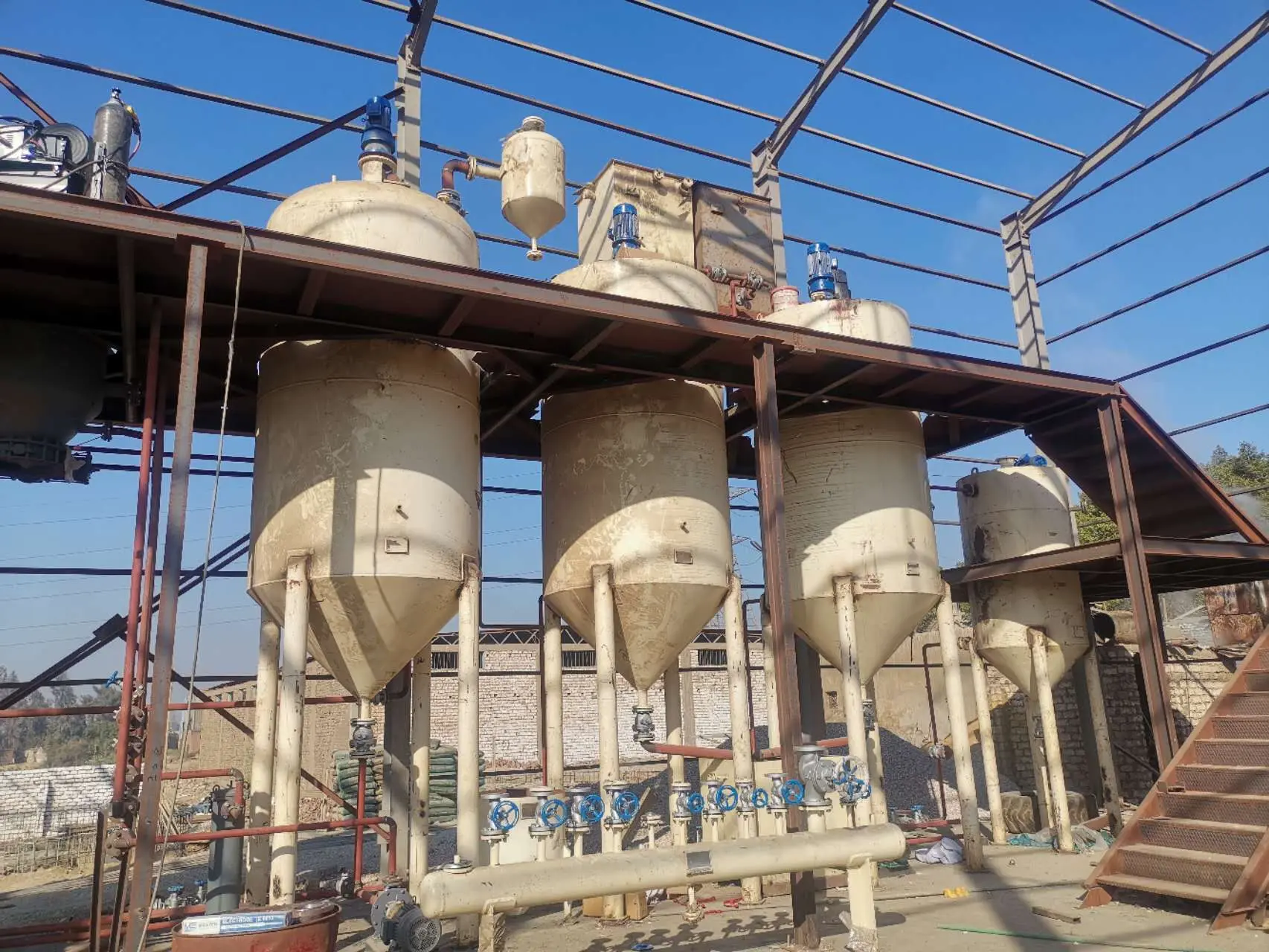
3. Solvent Recovery and Environmental Compliance: Modern factories must be equipped with paraffin adsorption systems. This is not only for environmental protection, but also to control solvent loss to around 1.5 kg/t, directly reducing operating costs.
4. Automation Level (Industry 4.0): Fully automatic PLC control has an initial investment 20% higher than semi-automatic solutions, but it can reduce the number of operators by 5-8 and avoid the risk of downtime caused by human error.
5. Equipment Material: The deodorization tower in the refining section must be made of food-grade stainless steel. Although ordinary carbon steel is cheaper, it can cause the peroxide value of oils to exceed the standard.
6. Regional Installation and Logistics: In regions such as Africa or Southeast Asia, customs clearance costs and heavy lifting fees often exceed expectations. QIE provides "full lifecycle services" to help clients solve cross-border construction challenges.
Soybean crushing profits depend on the crushing margin, which is (oil price × yield + meal price × yield) - soybean cost.
Daily output estimate:
Refined soybean oil: 54-57 tons
Soybean meal (44% protein): 235-240 tons
Over the years, we have found that independent procurement of equipment often leads to "systemic mismatch".
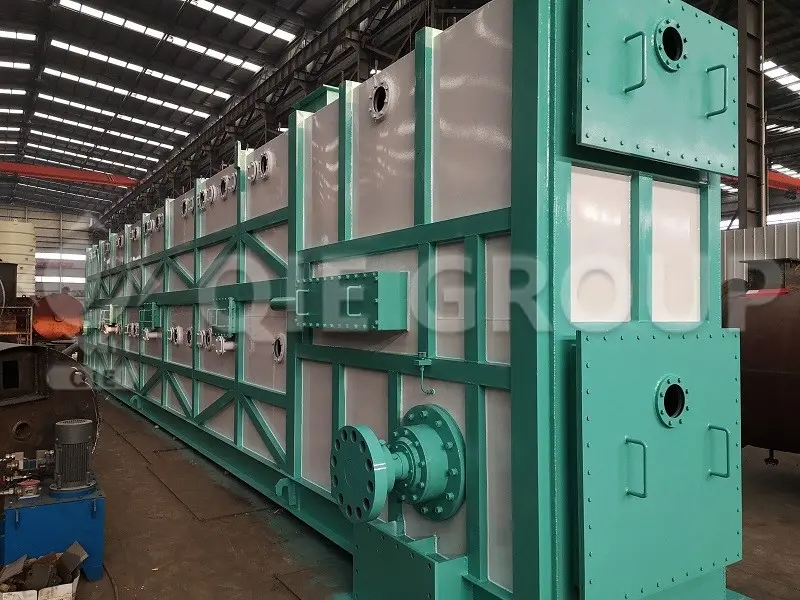
System coupling optimization: We introduce the waste heat from the pretreatment into the solvent extraction section, and the exhaust steam from the solvent extraction section into the refining section, resulting in energy savings of over 15% for the entire plant.
Supports integrated processes: Provides integrated solutions for pressing, solvent extraction, and refining, with capacity (100-3000 TPD) available to meet customer needs.
Single responsibility system: From process drawings to the first barrel of oil produced, QIE is the sole person in charge. You do not need to coordinate with machinery suppliers, piping suppliers, and electrical suppliers.
Customized solutions: Whether you are processing high-impurity soybeans in Uzbekistan or need coconut oil compatible processing in the Philippines, we can customize a process specifically for you.
How can the quality of soybean meal be guaranteed?
Answer: At a scale of 300 TPD, soybean meal is the most important byproduct of the plant. The QIE solution utilizes a highly integrated DTDC desalination unit.
Core technology: We ensure that the urease activity of soybean meal is maintained between 0.05 and 0.20 ΔpH by precisely controlling the amount of steam injected into the desolventizing layer and the hot air temperature of the drying layer.
Business Value: This high-quality soybean meal can be supplied directly to large feed mills and even meets export standards, thus ensuring a rapid return of your cash flow.
Why does QIE's solution emphasize a "heat recovery system"? How much money can this save?
Answer: Energy costs account for 15%-20% of the daily operating expenses of a 300 TPD plant.
Energy-saving design: We use the waste heat from the refining deodorization tower to preheat the crude oil and recover the exhaust steam from the solvent extraction section.
Economic Benefits: Compared to traditional solutions, QIE's integrated solution saves approximately 50 kg of steam per ton of feed. Based on an annual processing capacity of 100,000 tons of soybeans, this translates to annual savings of $150,000 to $250,000 in steam costs alone.
Can I build the pressing line first, and then expand the solvent extraction and refining lines later?
Answer: Theoretically feasible, but strongly discouraged.
Reason: A 300 TPD pressing unit can only be used as a "pre-pressing" unit in the solvent extraction process, and the plant layout, foundation load-bearing capacity, and explosion-proof safety level will generate huge "secondary disassembly and reassembly costs" during later modifications.
Recommendation: If funds are limited, it is recommended to complete the overall plant design first, construct in phases, and reserve space for solvent extraction and refining workshops to avoid having to demolish and start over later.
How many employees are needed for a factory with a scale of 300 TPD? Are there high requirements for skilled workers?
Answer: With the PLC+SCADA automation control system provided by QIE, only 6-8 operators are needed per shift for the entire production line.
Key positions: Solvent extraction workshop supervisor (must understand explosion-proof safety) and refining control room operator.
QIE Services: Our turnkey solutions include “shadow training,” which involves providing hands-on training to your employees during commissioning, ensuring that your team is capable of operating independently before the QIE engineer leaves.
Building a soybean oil plant with a daily processing capacity of 300 tons is a complex systems engineering project. Even minor deviations in each process step can affect profitability for years. Instead of hesitating over fragmented equipment quotes, it's better to directly consult with an oilseed engineering expert with 43 years of practical experience.
Contact QIE Group now and you will receive:
Customized Solution List: We provide a complete EPC scope description tailored to your raw material characteristics and product requirements.
Preliminary factory layout plan: Professional space planning helps you avoid fire and logistics risks in advance.
In-depth ROI analysis report: Calculates the most realistic investment payback period based on local energy and soybean costs.
 cottonseed oil pressing cottonseed oil refining free gossypol control chemical refining physical refining
olive pomace solvent extraction olive pomace oil processing turnkey edible oil plant olive pomace oil recovery edible oil EPC project
Sunflower oil processing edible oil plant 1000TPD oil mill oil refining pressing and solvent extraction
sunflower seed oil processing sunflower oil pretreatment turnkey sunflower oil production line oil refining stability dehulled sunflower seed
complete rapeseed oil processing line rapeseed oil refinery rapeseed oil production plant rapeseed oil processing equipment pre-press solvent extraction
cottonseed oil pressing cottonseed oil refining free gossypol control chemical refining physical refining
olive pomace solvent extraction olive pomace oil processing turnkey edible oil plant olive pomace oil recovery edible oil EPC project
Sunflower oil processing edible oil plant 1000TPD oil mill oil refining pressing and solvent extraction
sunflower seed oil processing sunflower oil pretreatment turnkey sunflower oil production line oil refining stability dehulled sunflower seed
complete rapeseed oil processing line rapeseed oil refinery rapeseed oil production plant rapeseed oil processing equipment pre-press solvent extraction


.png?x-oss-process=image/resize,h_100,m_lfit/format,webp)
.png?x-oss-process=image/resize,h_100,m_lfit/format,webp)
.png?x-oss-process=image/resize,h_100,m_lfit/format,webp)